Other10 recipes
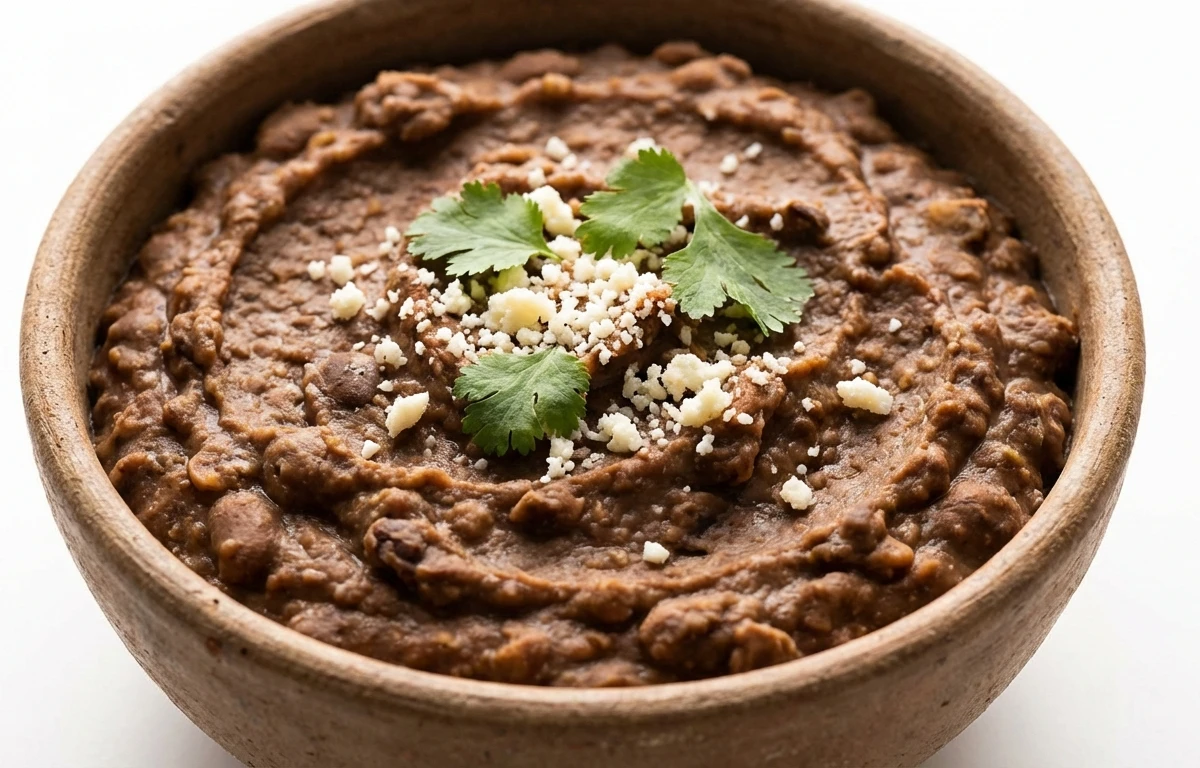
refried beans.
VegetarianVeganGluten-freeDairy-freeNut-freePeanut-freeSoy-freeEgg-freeShellfish-freeHoney-freeAlcohol-free
ALSO KNOWN AS
frijoles refritos
SERVING
CALORIES
92
PROTEIN
5.4g
CARBS
15.5g
FAT
1.2g
FIBER
5.2g
This ingredient is flagged as naturally gluten-free. Per 100 g, it provides 1.5 µg of vitamin K.
NUTRITION PROFILE · per 100 g
Everything in this ingredient.
MACRONUTRIENTS
Calories92kcal—
Protein5.4g11%
Carbohydrates15.5g6%
Fiber5.2g19%
Sugar0.50g1%
Total fat1.2g2%
Saturated fat0.20g1%
Trans fat0g—
Cholesterol0mg0%
Water75g—
MINERALS
Sodium420mg18%
Potassium320mg7%
Calcium45mg3%
Iron1.8mg10%
Magnesium40mg10%
Phosphorus110mg9%
Zinc0.80mg7%
Copper0.15mg17%
Manganese0.30mg13%
Selenium1.5µg3%
VITAMINS
Vitamin A1.0µg0%
Vitamin C0.50mg1%
Vitamin D0µg0%
Vitamin E0.10mg1%
Vitamin K1.5µg1%
Thiamin (B1)0.10mg8%
Riboflavin (B2)0.04mg3%
Niacin (B3)0.50mg3%
Pantothenic acid (B5)0.20mg4%
Vitamin B60.10mg6%
Folate (B9)45µg11%
Vitamin B120µg0%
%DV based on a 2,000 cal diet. Source: USDA FoodData Central. A dash in the %DV column means there’s no established Daily Value for that nutrient.
MEASUREMENT CONVERSIONS
How much is what.
1 cup240g
1 tablespoon15g
1 teaspoon5g
1 oz28.4g
1 lb453.6g
1 liter950g
HEALTH BENEFITS
Why eat it.
- ✓High in dietary fiber for digestive health
- ✓Good source of plant-based protein
- ✓Contains essential minerals like iron and magnesium
- ✓Low in fat when prepared without lard
COOKING TIPS
In the kitchen.
- 1Add a splash of water, broth, or milk while reheating to prevent drying out
- 2Stir in a little lime juice or hot sauce to brighten the flavor
- 3Heat slowly over medium-low heat to avoid scorching the bottom
STORAGE
Keep it fresh.
- Store opened cans in a separate airtight container in the fridge for up to 4 days
- Can be frozen in freezer-safe bags for up to 3 months
- Keep unopened cans in a cool, dry pantry
FAQ
Frequently asked questions.
How long do refried beans last in the refrigerator?
Once opened or prepared, refried beans should be stored in an airtight container and consumed within 3 to 4 days.
Can refried beans be frozen?
Yes, they freeze very well. Place them in a freezer-safe bag or container for up to 3 months. Thaw in the fridge before reheating.
Are refried beans always vegan?
Not necessarily. Traditional recipes use lard (pork fat). Most modern canned versions use vegetable oil and are labeled 'vegetarian' or 'fat-free' to indicate they are vegan-friendly.
What is the best way to reheat refried beans?
Reheat them on the stovetop over low heat, adding a tablespoon of water or broth to restore the creamy texture.
What can I use as a substitute for refried beans?
Mashed pinto beans, black beans, or even mashed chickpeas with a bit of cumin and garlic can serve as a substitute.
How can I tell if refried beans have gone bad?
Look for signs of mold, a sour or off-putting smell, or a significant change in color. If the can is bulging or leaking, discard it immediately.
Are refried beans healthy?
They are highly nutritious, providing significant fiber and protein. However, canned versions can be high in sodium, so look for low-sodium options.
Can I eat refried beans straight from the can?
Yes, canned refried beans are pre-cooked and safe to eat cold, though they are much more palatable when heated.
RECIPES
Cook with refried beans.
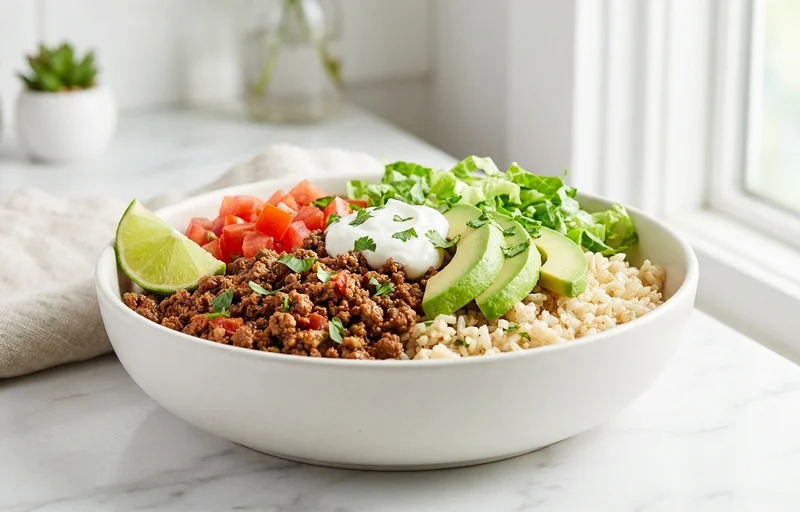
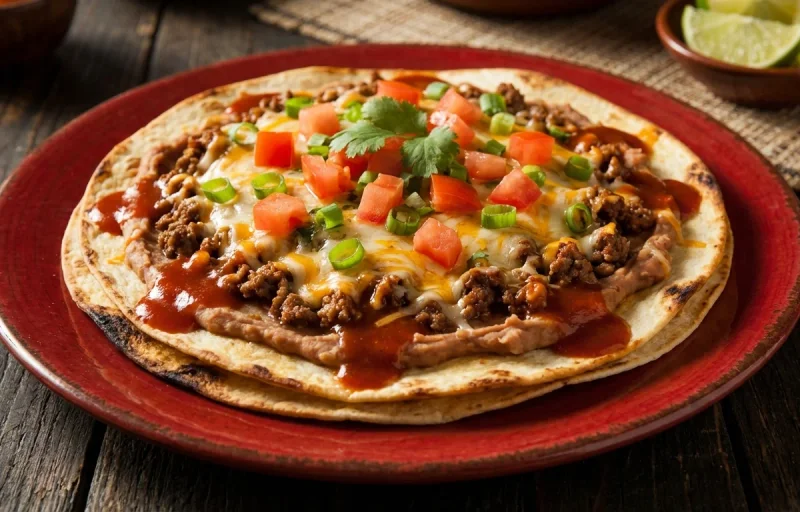
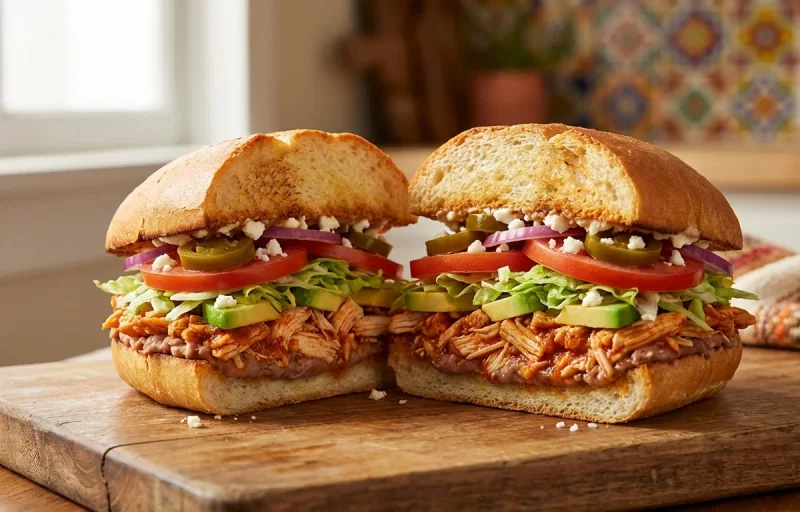
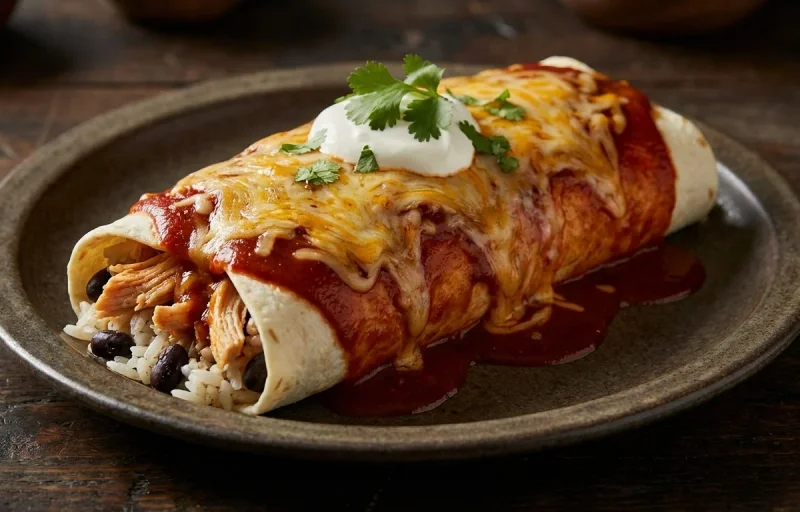
10 recipes · sorted by what’s quick