
Other10 recipes
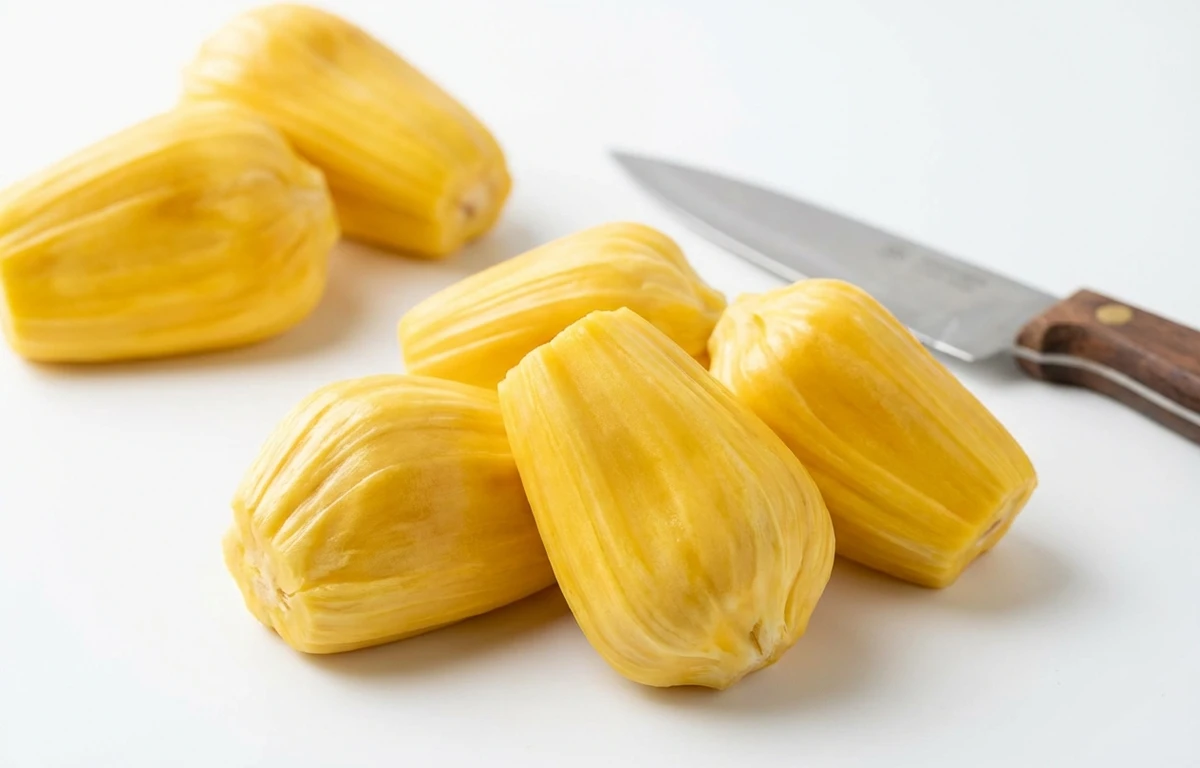
ripe jackfruit.
VegetarianVeganGluten-freeDairy-freeNut-freePeanut-freeSoy-freeEgg-freeShellfish-freeHoney-freeAlcohol-free
ALSO KNOWN AS
ripe jackfruitkathaljack fruitjackfruit
SERVING
CALORIES
95
PROTEIN
1.7g
CARBS
23.3g
FAT
0.60g
FIBER
1.5g
This ingredient is flagged as naturally gluten-free. Per 100 g, it provides 0.70 µg of vitamin K.
NUTRITION PROFILE · per 100 g
Everything in this ingredient.
MACRONUTRIENTS
Calories95kcal—
Protein1.7g3%
Carbohydrates23.3g8%
Fiber1.5g5%
Sugar19.1g38%
Total fat0.60g1%
Saturated fat0.20g1%
Trans fat0g—
Cholesterol0mg0%
Water73.5g—
MINERALS
Sodium2.0mg0%
Potassium448mg10%
Calcium24mg2%
Iron0.20mg1%
Magnesium29mg7%
Phosphorus36mg3%
Zinc0.13mg1%
Copper0.11mg12%
Manganese0.04mg2%
Selenium0.60µg1%
VITAMINS
Vitamin A5.0µg1%
Vitamin C13.7mg15%
Vitamin D0µg0%
Vitamin E0.30mg2%
Vitamin K0.70µg1%
Thiamin (B1)0.11mg9%
Riboflavin (B2)0.06mg5%
Niacin (B3)0.92mg6%
Pantothenic acid (B5)0.24mg5%
Vitamin B60.11mg6%
Folate (B9)24µg6%
Vitamin B120µg0%
%DV based on a 2,000 cal diet. Source: USDA FoodData Central. A dash in the %DV column means there’s no established Daily Value for that nutrient.
MEASUREMENT CONVERSIONS
How much is what.
1 cup216g
1 tablespoon13.5g
1 teaspoon4.5g
1 ml0.9g
1 liter900g
1 piece200g
HEALTH BENEFITS
Why eat it.
- ✓Rich in essential nutrients like Vitamin C, Vitamin B6, potassium, and magnesium.
- ✓Good source of dietary fiber, which supports digestive health and promotes regular bowel movements.
COOKING TIPS
In the kitchen.
- 1Coat your hands and knife with cooking oil before cutting to prevent the sticky natural latex from adhering to surfaces.
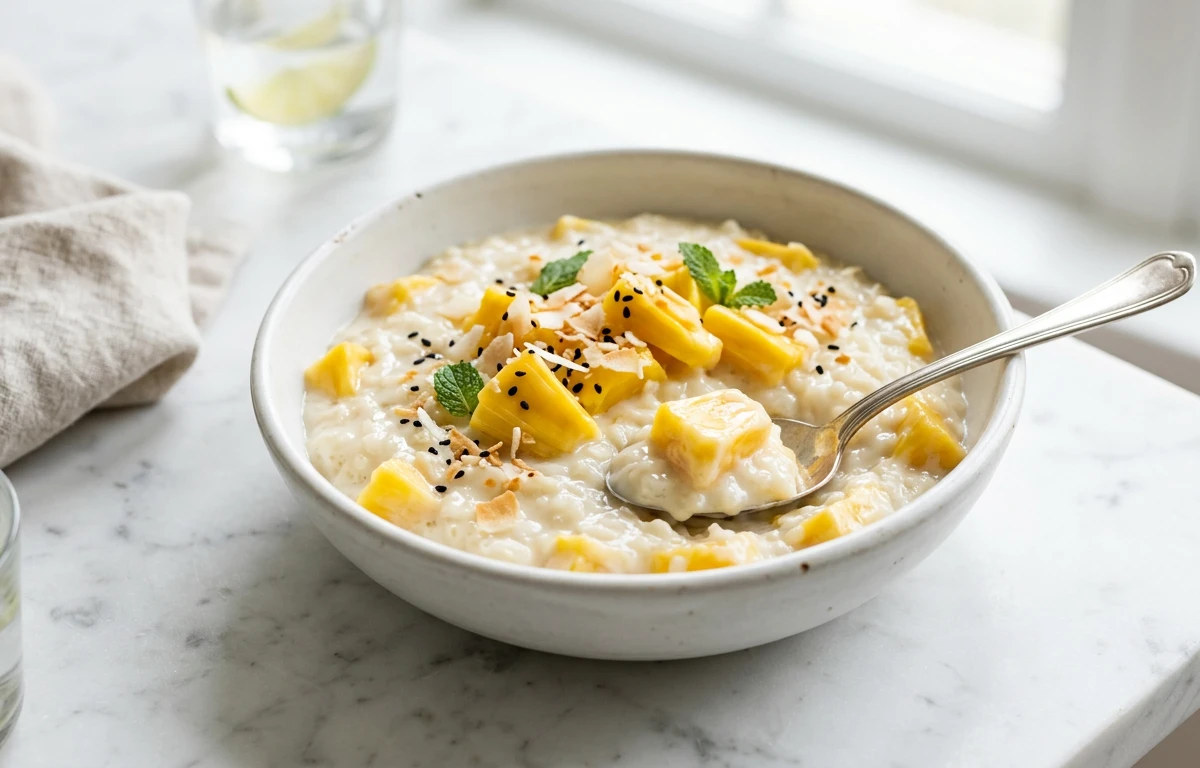
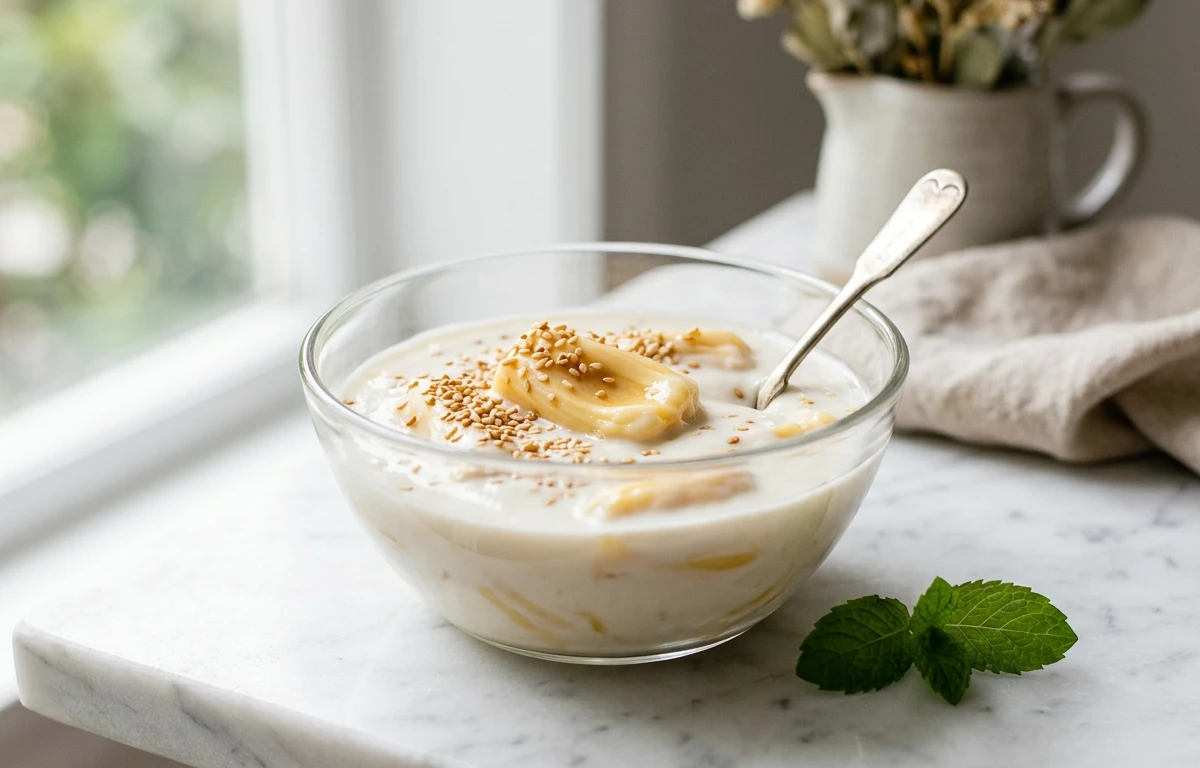
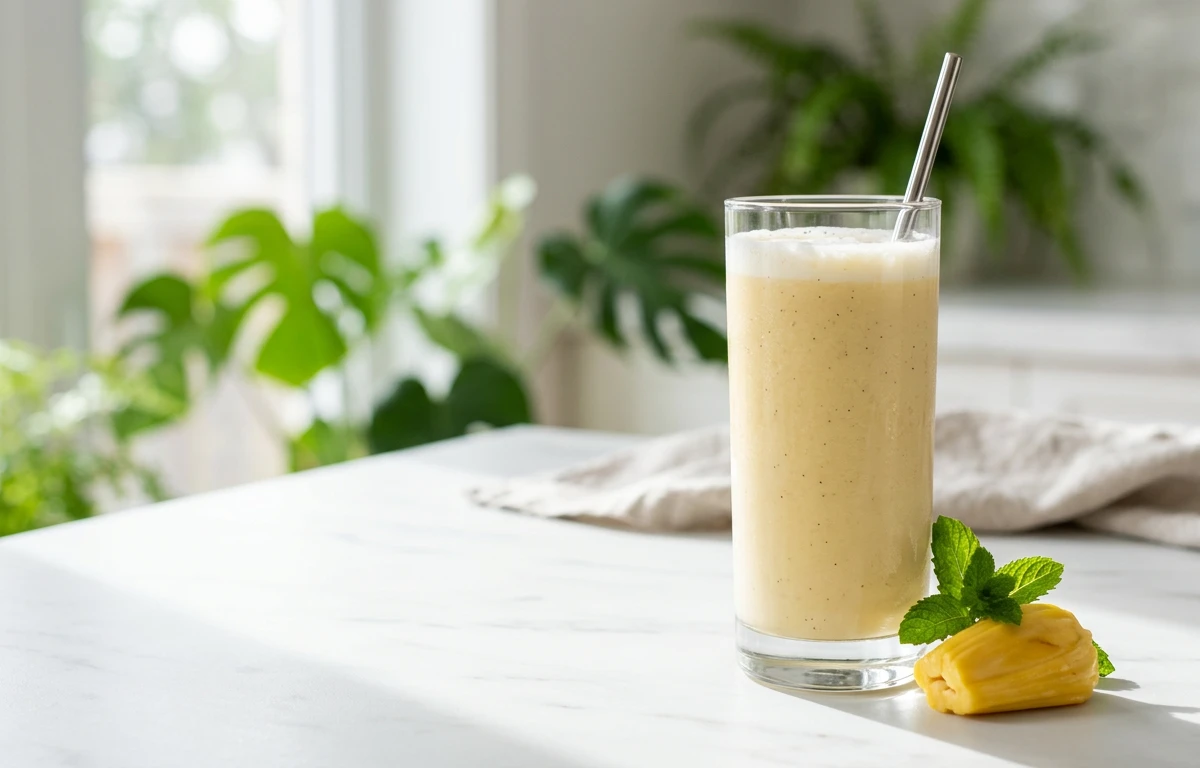
- 2Ripe jackfruit is sweet and best eaten raw or used in desserts like smoothies, ice cream, puddings, or fruit salads.
- 3The seeds inside the pods are edible but must be cooked first. Boil or roast them for a snack similar in texture to chestnuts.
- 4The flavor profile is a tropical blend, often compared to a mix of banana, pineapple, and mango.
STORAGE
Keep it fresh.
- Store cut ripe jackfruit pods in an airtight container in the refrigerator for up to 7 days.
- For longer storage, freeze the pods in a single layer on a baking sheet before transferring to a freezer-safe bag; they can last for several months.
- An uncut ripe jackfruit can be kept at room temperature for 1-3 days, but should be consumed quickly as it will continue to ripen and develop a stronger aroma.
FAQ
Frequently asked questions.
How many calories and carbs are in ripe jackfruit?
A 100g serving of ripe jackfruit contains approximately 95 calories and 23.3g of carbohydrates. While it is higher in natural sugars than the unripe version, it remains a nutrient-dense fruit option with very little fat.
Is ripe jackfruit keto-friendly?
No, ripe jackfruit is generally not suitable for a strict ketogenic diet. With over 23g of carbohydrates per 100g, a single serving could exceed the daily carb limit for most people in ketosis.
Is ripe jackfruit vegan and gluten-free?
Yes, ripe jackfruit is a naturally vegan and gluten-free fruit. It is a whole plant food that is safe for individuals with gluten sensitivities or those following a plant-based diet.
What does ripe jackfruit taste like?
Ripe jackfruit has a distinct, sweet, and tropical flavor often described as a combination of pineapple, mango, and banana. It has a very strong, sweet aroma and a fleshy, slightly fibrous texture.
Can I use ripe jackfruit as a meat substitute like green jackfruit?
Generally, no. While young (green) jackfruit is used as a meat substitute due to its neutral flavor and meaty texture, ripe jackfruit is very sweet and soft. It is best suited for desserts, smoothies, or eating fresh rather than savory dishes.
How do you store ripe jackfruit?
Once the pods are removed from the fruit, store them in an airtight container in the refrigerator for 3 to 5 days. For longer storage, you can freeze the pods for up to two months, though the texture may become softer upon thawing.
How can you tell if a jackfruit is ripe?
A ripe jackfruit will have a strong, sweet fragrance and the skin will yield slightly when pressed. The exterior color typically changes from bright green to a yellowish-brown, and the spikes on the skin will appear flatter and less sharp.
RECIPES
Cook with ripe jackfruit.
10 recipes · sorted by what’s quick

RELATED GUIDES



















