Grain10 recipes
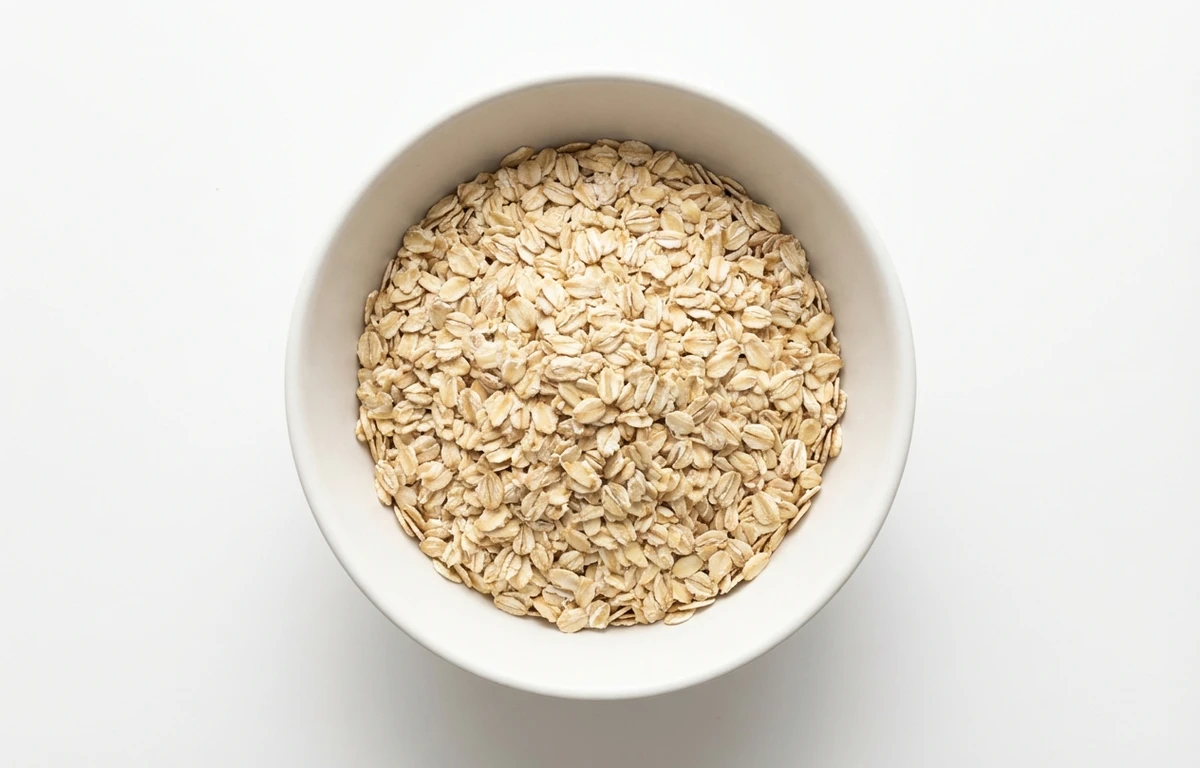
rolled oats.
VegetarianVeganGluten-freeDairy-freeNut-freePeanut-freeSoy-freeEgg-freeShellfish-freeHoney-freeAlcohol-freeWhole grain
ALSO KNOWN AS
gluten-free oatsoatmealporridge oatsrolled oatsoat flakesjaee ke phoolavena en hojuelasold fashioned oatsflaked oatssteamed oatsjaivilayati jauregular oatsflat oatsold-fashioned rolled oats
SERVING
CALORIES
389
PROTEIN
16.9g
CARBS
66.3g
FAT
6.9g
FIBER
10.6g
NUTRITION PROFILE · per 100 g
Everything in this ingredient.
MACRONUTRIENTS
Calories389kcal—
Protein16.9g34%
Carbohydrates66.3g24%
Fiber10.6g38%
Sugar0.90g2%
Total fat6.9g9%
Saturated fat1.2g6%
Trans fat0g—
Cholesterol0mg0%
Water8.2g—
MINERALS
Sodium2.0mg0%
Potassium429mg9%
Calcium54mg4%
Iron4.7mg26%
Magnesium177mg42%
Phosphorus523mg42%
Zinc4.0mg36%
Copper0.60mg67%
Manganese4.9mg213%
Selenium28.9µg53%
VITAMINS
Vitamin A0µg0%
Vitamin C0mg0%
Vitamin D0µg0%
Vitamin E0.60mg4%
Vitamin K2.0µg2%
Thiamin (B1)0.76mg63%
Riboflavin (B2)0.14mg11%
Niacin (B3)0.96mg6%
Pantothenic acid (B5)1.3mg26%
Vitamin B60.12mg7%
Folate (B9)56µg14%
Vitamin B120µg0%
%DV based on a 2,000 cal diet. Source: USDA FoodData Central. A dash in the %DV column means there’s no established Daily Value for that nutrient.
MEASUREMENT CONVERSIONS
How much is what.
1 cup90g
1 tablespoon5g
1 teaspoon1.7g
1 oz28.4g
1 lb453.6g
1 ml0.4g
1 liter380g
HEALTH BENEFITS
Why eat it.
- ✓High in beta-glucan fiber which helps lower LDL cholesterol
- ✓Contains unique antioxidants called avenanthramides that protect heart health
- ✓Helps regulate blood sugar levels due to low glycemic index
- ✓Promotes a feeling of fullness aiding in weight management
- ✓Supports digestive health and regular bowel movements
COOKING TIPS
In the kitchen.
- 1Use a 1:2 ratio of oats to liquid (water or milk) for the perfect consistency
- 2Add a pinch of salt at the beginning of cooking to bring out the nutty flavor
- 3For a creamier texture, add oats to boiling liquid; for firmer oats, start in cold liquid
STORAGE
Keep it fresh.
- Store in a cool, dry place in an airtight container to prevent moisture absorption
- Keep away from direct sunlight to prevent the natural oils from going rancid
- Can be stored in the refrigerator or freezer to extend shelf life up to 2 years
FAQ
Frequently asked questions.
How long do rolled oats last?
When stored in an airtight container in a cool, dry pantry, rolled oats typically last for 12 to 24 months.
Are rolled oats gluten-free?
Oats are naturally gluten-free, but they are often processed in facilities that handle wheat. If you have celiac disease, look for 'certified gluten-free' labels.
Can I use rolled oats instead of quick oats?
Yes, but rolled oats are thicker and will take longer to cook. You can pulse rolled oats in a blender for a few seconds to create a quick-oat consistency.
Do I need to wash rolled oats before cooking?
No, rolled oats do not need to be rinsed. Rinsing would remove some of the starch that helps create a creamy texture.
Can rolled oats be eaten raw?
Yes, they are pre-steamed during processing, making them safe to eat raw in dishes like overnight oats or muesli.
What is the difference between rolled oats and steel-cut oats?
Rolled oats are steamed and flattened, while steel-cut oats are whole groats chopped into pieces. Rolled oats cook much faster.
How do I know if rolled oats have gone bad?
Check for a bitter or sour smell, which indicates the natural oils have gone rancid, or look for signs of mold or pantry pests.
Can I freeze cooked oatmeal?
Yes, you can freeze cooked oatmeal in individual portions for up to 3 months. Reheat with a splash of liquid.
What are the best substitutes for rolled oats in baking?
Quinoa flakes, buckwheat flakes, or even crushed cornflakes can work depending on the recipe, though texture will vary.
Are rolled oats considered a whole grain?
Yes, rolled oats are a whole grain because the bran and germ remain intact during the rolling process.
RECIPES
Cook with rolled oats.
10 recipes · sorted by what’s quick