southekayi
Also known as:
Loading...
Also known as:
Per 100g
Nutrition data source: USDA FoodData Central
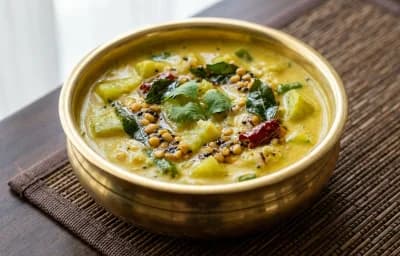
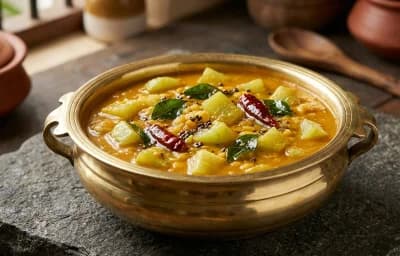
A comforting South Indian stew made with tender cucumber and soft-cooked moong dal in a fragrant coconut-cumin masala. This wholesome kootu is a perfect, light accompaniment for rice and a dollop of ghee.
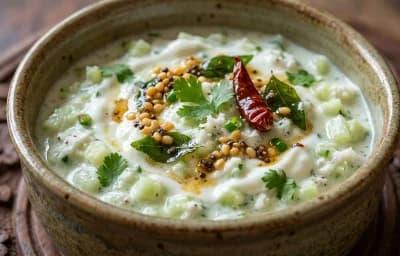
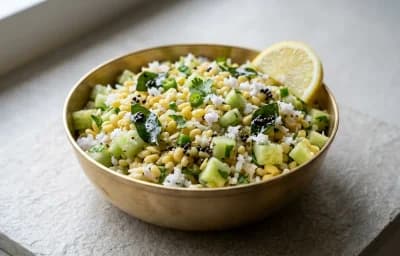
A refreshing and tangy raw cucumber curry from Karnataka. Finely chopped cucumber is mixed with a pungent coconut-mustard paste and yogurt, then finished with a classic South Indian tempering. A perfect side for rice.

A savory, instant dosa from Karnataka made with fresh cucumber and rice. These soft, lacey crepes are quick to make, require no fermentation, and are perfect for a healthy breakfast served with chutney.
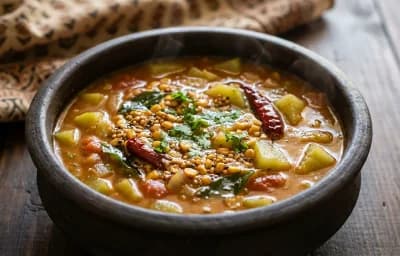
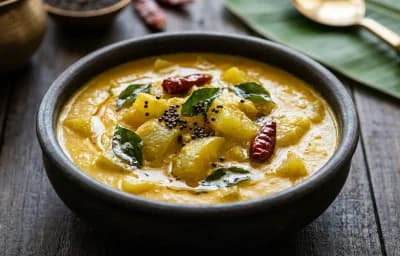
A traditional Karnataka-style sambar featuring tender Mangalore cucumber in a tangy and spicy lentil base. The subtle sweetness of jaggery balances the tartness of tamarind, creating a comforting and flavorful dish perfect with steamed rice.
Yes, southekayi is very healthy as it is extremely low in calories (15 per 100g) and high in water content. It provides essential nutrients like Vitamin K, Vitamin C, and potassium, which support bone health and immune function.
Southekayi is an excellent food for weight loss because it is high in fiber and water but very low in calories. This combination helps you feel full for longer periods, reducing overall calorie intake throughout the day.
Yes, southekayi is very keto-friendly. With only 3.63g of carbohydrates per 100g, it can easily be incorporated into a low-carb or ketogenic diet without spiking blood sugar levels.
Southekayi is safe and beneficial for diabetics due to its low glycemic index and low carbohydrate content. Its high fiber and water content also help in managing blood sugar levels and maintaining hydration.
Southekayi is versatile; it can be eaten raw in salads or used in cooked dishes like sambar, kootu, and dal. In South Indian cuisine, it is frequently used to make 'Southekayi Sasive' (a yogurt-based curry) or refreshing raitas.
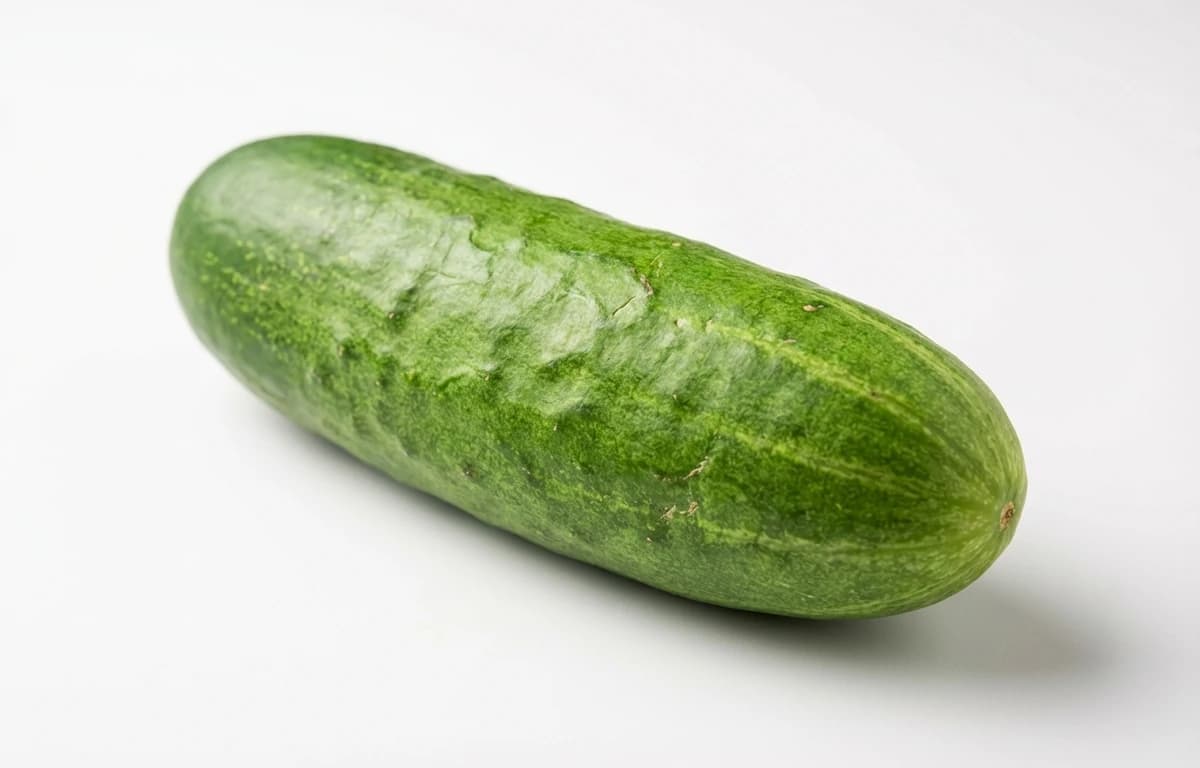
Southekayi has a very mild, refreshing, and slightly sweet flavor with a crisp, crunchy texture. Its neutral profile makes it an excellent cooling ingredient that pairs well with spicy or savory flavors.
Yes, eating southekayi raw is one of the best ways to consume it. Raw consumption ensures you get the maximum hydration benefits and preserves heat-sensitive nutrients like Vitamin C.
southekayi is a versatile ingredient found in cuisines around the world. With 15 calories per 100g and 0.65 grams of protein, it's a nutritious addition to many dishes.
Explore more ingredients in the vegetable category with complete nutrition information.
View all vegetable →Store southekayi in the refrigerator's crisper drawer. To extend its shelf life, wrap it in a dry paper towel and place it in a perforated plastic bag to prevent moisture buildup, which can lead to spoilage.
Fresh southekayi should be firm to the touch and have a vibrant green skin. If it feels soft, rubbery, or slimy, or if you notice any visible mold or a sour smell, the vegetable has spoiled and should be discarded.
Peeling is optional. The skin contains a significant portion of the vegetable's fiber and Vitamin A, but some varieties may have tough or bitter skin. If you choose not to peel it, ensure it is washed thoroughly to remove any wax or dirt.