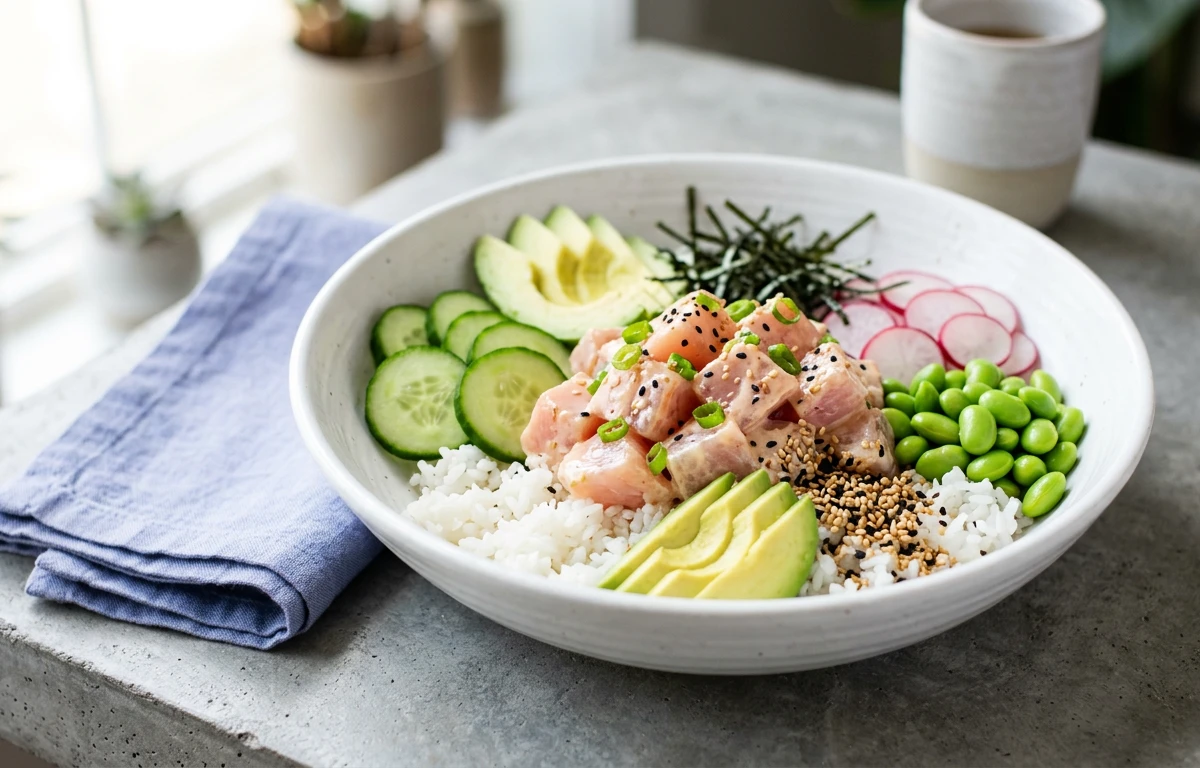
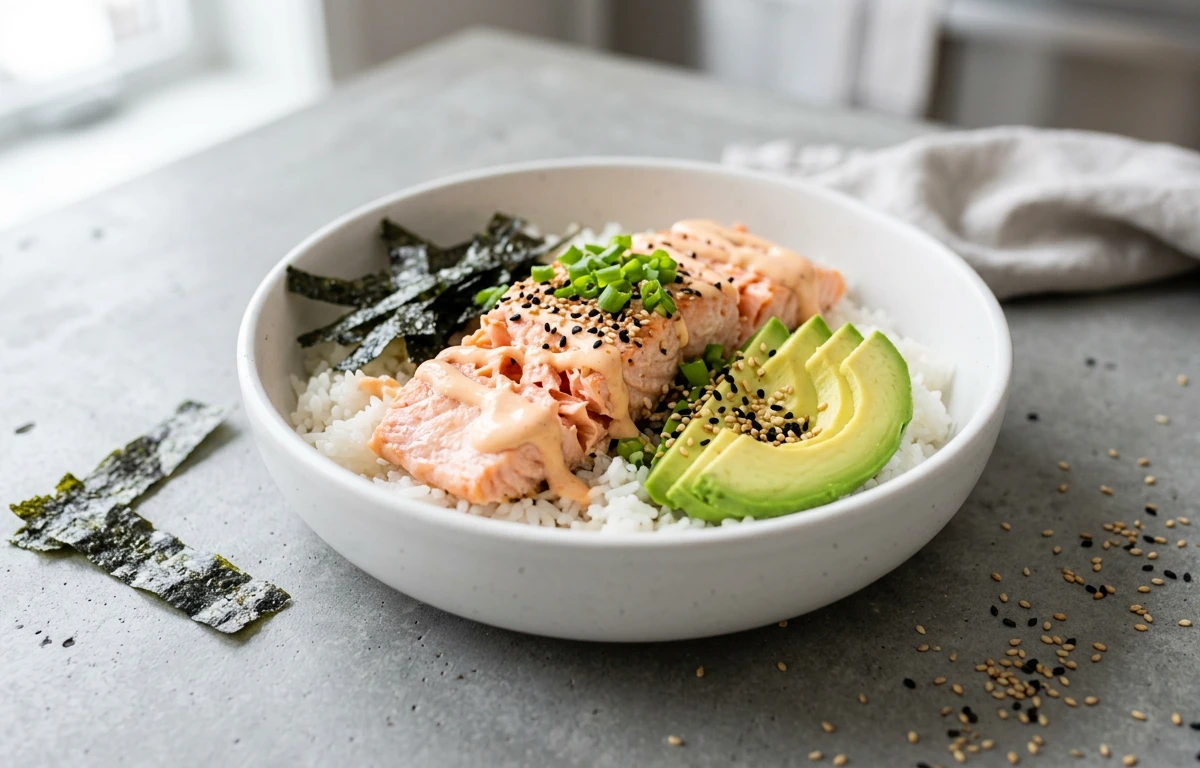
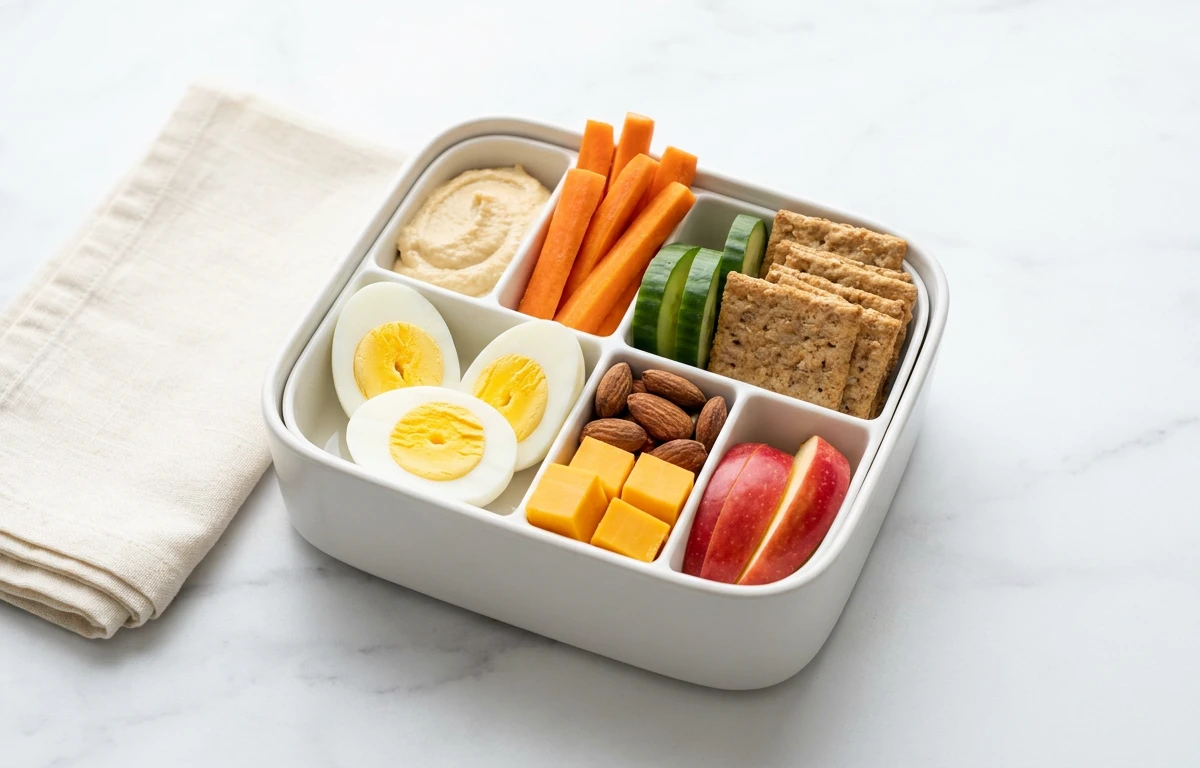
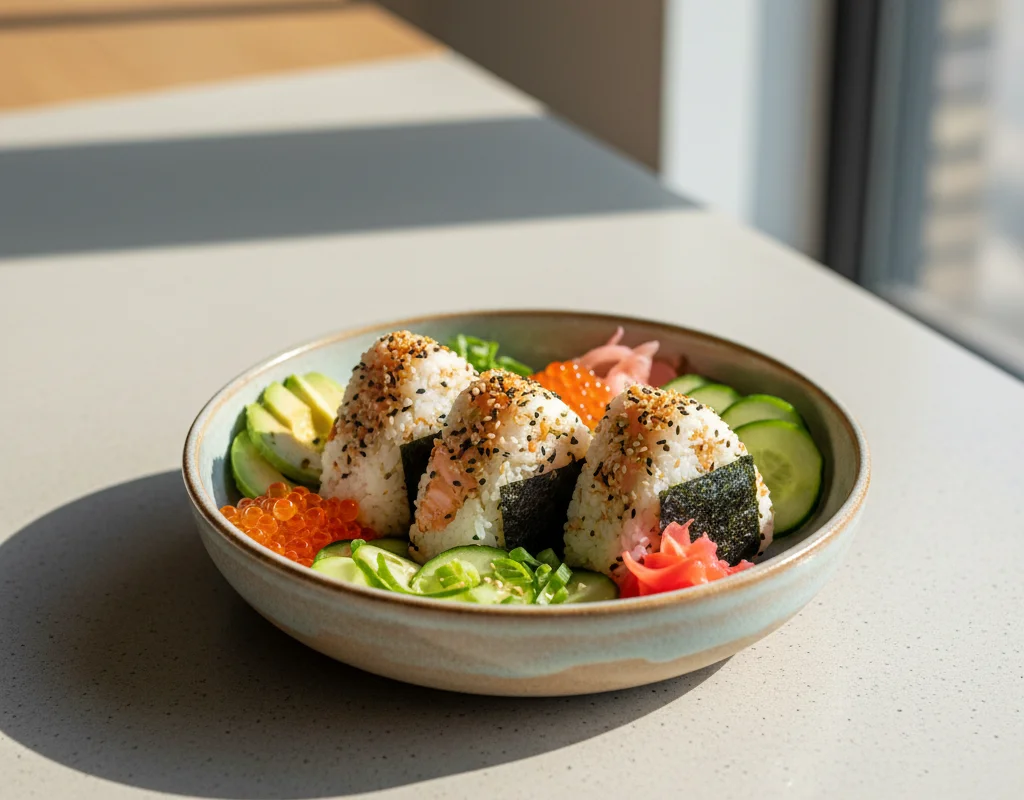
Grain10 recipes
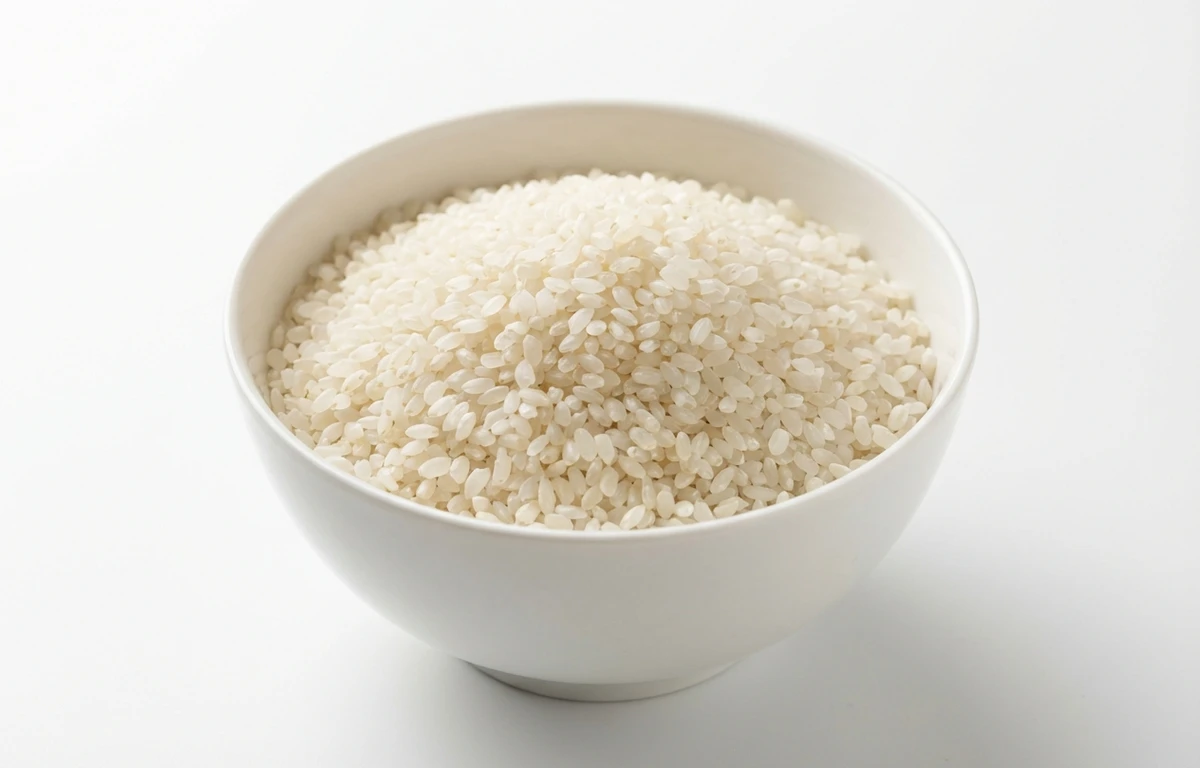
sushi rice.
VegetarianVeganGluten-freeDairy-freeNut-freePeanut-freeSoy-freeEgg-freeShellfish-freeHoney-freeAlcohol-free
ALSO KNOWN AS
sushi riceshort grain riceJapanese riceshort-grain white riceJaponica riceKoshihikari ricesushiriceUruchimaiHakumaiJapanese White RiceJapanese Short-Grain Rice
SERVING
CALORIES
358
PROTEIN
6.5g
CARBS
79.1g
FAT
0.52g
FIBER
1.0g
NUTRITION PROFILE · per 100 g
Everything in this ingredient.
MACRONUTRIENTS
Calories358kcal—
Protein6.5g13%
Carbohydrates79.1g29%
Fiber1.0g4%
Sugar0.12g0%
Total fat0.52g1%
Saturated fat0.14g1%
Trans fat0g—
Cholesterol0mg0%
Water13.3g—
MINERALS
Sodium1.0mg0%
Potassium76mg2%
Calcium3.0mg0%
Iron0.40mg2%
Magnesium12mg3%
Phosphorus95mg8%
Zinc1.1mg10%
Copper0.11mg12%
Manganese1.1mg47%
Selenium15.1µg27%
VITAMINS
Vitamin A0µg0%
Vitamin C0mg0%
Vitamin D0µg0%
Vitamin E0.11mg1%
Vitamin K0µg0%
Thiamin (B1)0.07mg6%
Riboflavin (B2)0.01mg1%
Niacin (B3)1.6mg10%
Pantothenic acid (B5)1.0mg20%
Vitamin B60.16mg9%
Folate (B9)8.0µg2%
Vitamin B120µg0%
%DV based on a 2,000 cal diet. Source: USDA FoodData Central. A dash in the %DV column means there’s no established Daily Value for that nutrient.
MEASUREMENT CONVERSIONS
How much is what.
1 cup180g
1 tablespoon11.3g
1 teaspoon3.8g
1 oz28.4g
1 lb453.6g
1 ml0.8g
1 liter760g
HEALTH BENEFITS
Why eat it.
- ✓Quick source of energy from complex carbohydrates
- ✓Naturally gluten-free and safe for celiacs
- ✓Low in fat and sodium
- ✓Easy to digest for sensitive stomachs
- ✓Provides essential minerals like manganese and selenium
COOKING TIPS
In the kitchen.
- 1Rinse the rice several times until the water runs clear to remove excess starch
- 2Soak the rice in water for 30 minutes before cooking for better texture
- 3Use a 1:1.1 or 1:1.2 rice-to-water ratio for the perfect sticky consistency
STORAGE
Keep it fresh.
- Store in a cool, dark, and dry place in an airtight container
- Keep away from moisture to prevent mold growth
- Can be stored for up to 2 years if kept in optimal conditions
FAQ
Frequently asked questions.
How should I store raw sushi rice?
Store it in an airtight container in a cool, dry, and dark pantry. This prevents moisture and pests from affecting the quality.
How long does raw sushi rice last?
If stored properly in a sealed container, it can last for 1 to 2 years without losing quality.
Can I use long-grain rice as a substitute for sushi rice?
No, long-grain rice is too fluffy and dry. Arborio or Calrose rice are better substitutes as they have the necessary starch content.
Why is it important to rinse sushi rice?
Rinsing removes excess surface starch, which prevents the rice from becoming overly gummy or mushy when cooked.
What is the best water-to-rice ratio for sushi rice?
A ratio of 1 part rice to 1.1 or 1.2 parts water is generally ideal for achieving the desired sticky texture.
Is sushi rice gluten-free?
Yes, all natural rice varieties, including short-grain sushi rice, are naturally gluten-free.
How do I identify high-quality sushi rice?
Look for uniform, short, plump grains that are bright white and translucent without many broken pieces.
Can I freeze cooked sushi rice?
Yes, you can freeze cooked sushi rice in airtight portions. Reheat it with a splash of water to restore moisture.
What makes sushi rice sticky?
It has a high amylopectin starch content, which is released during cooking and creates the characteristic stickiness.
Is sushi rice healthy?
It is a good energy source and low in fat, but because it is refined, it has less fiber than brown rice.
RECIPES
Cook with sushi rice.
10 recipes · sorted by what’s quick