
Condiment10 recipes
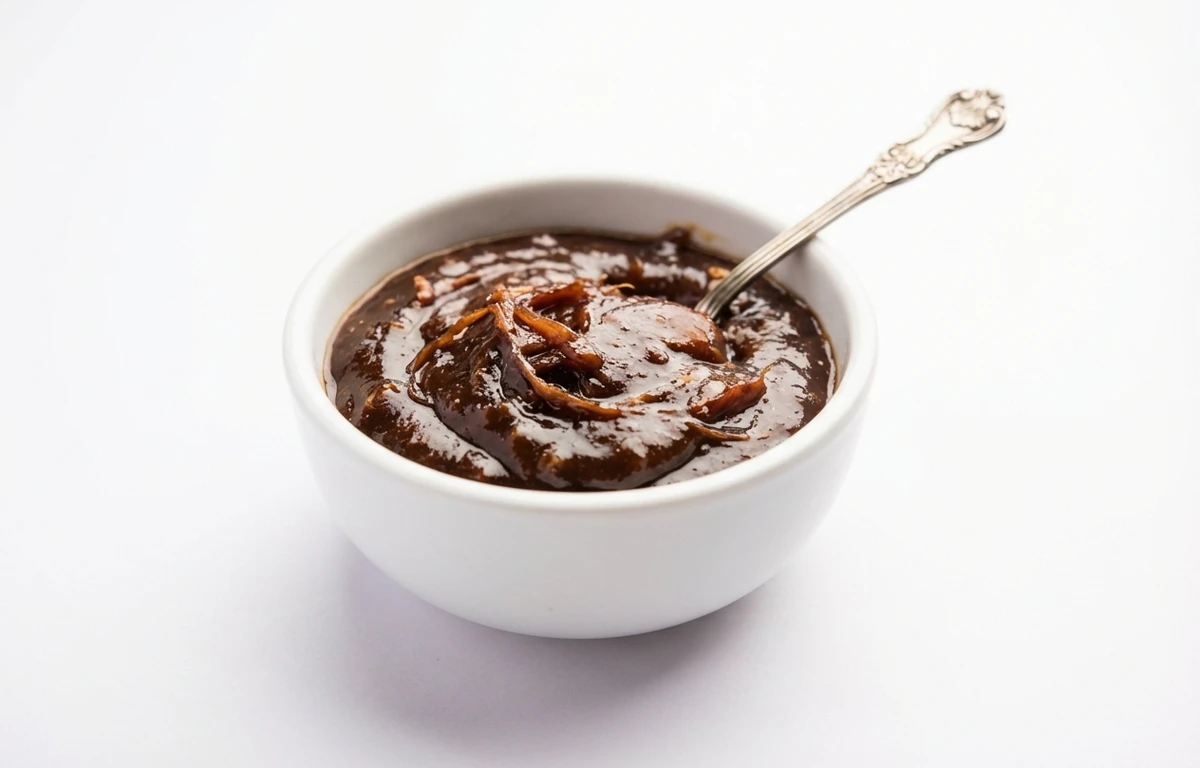
tamarind.
VegetarianVeganGluten-freeDairy-freeNut-freePeanut-freeSoy-freeEgg-freeShellfish-freeHoney-freeAlcohol-free
ALSO KNOWN AS
raw imliraw puliraw chinchraw valan puliraw hunasehannuraw tamarindimlipulivalan pulichintapandu
SERVING
CALORIES
239
PROTEIN
2.8g
CARBS
62.5g
FAT
0.60g
FIBER
5.1g
This ingredient is flagged as naturally gluten-free. Per 100 g, it provides 2.8 µg of vitamin K.
NUTRITION PROFILE · per 100 g
Everything in this ingredient.
MACRONUTRIENTS
Calories239kcal—
Protein2.8g6%
Carbohydrates62.5g23%
Fiber5.1g18%
Sugar57.4g115%
Total fat0.60g1%
Saturated fat0.27g1%
Trans fat0g—
Cholesterol0mg0%
Water31.4g—
MINERALS
Sodium28mg1%
Potassium628mg13%
Calcium74mg6%
Iron2.8mg16%
Magnesium92mg22%
Phosphorus113mg9%
Zinc0.10mg1%
Copper0.08mg9%
Manganese0.19mg8%
Selenium1.3µg2%
VITAMINS
Vitamin A2.0µg0%
Vitamin C3.5mg4%
Vitamin D0µg0%
Vitamin E0.10mg1%
Vitamin K2.8µg2%
Thiamin (B1)0.43mg36%
Riboflavin (B2)0.15mg12%
Niacin (B3)1.9mg12%
Pantothenic acid (B5)0.14mg3%
Vitamin B60.07mg4%
Folate (B9)14µg4%
Vitamin B120µg0%
%DV based on a 2,000 cal diet. Source: USDA FoodData Central. A dash in the %DV column means there’s no established Daily Value for that nutrient.
MEASUREMENT CONVERSIONS
How much is what.
1 cup240g
1 tablespoon15g
1 teaspoon5g
1 oz28.4g
1 lb453.6g
1 piece10g
HEALTH BENEFITS
Why eat it.
- ✓Supports heart health by helping manage cholesterol levels
- ✓Aids digestion due to its natural laxative properties
- ✓Good source of essential minerals like magnesium and potassium
COOKING TIPS
In the kitchen.
- 1Soak pulp in warm water for 15-20 minutes to easily extract the juice
- 2Always strain the extract to remove any remaining seeds or tough fibers
- 3Balance the intense tartness with sweeteners like jaggery or brown sugar
STORAGE
Keep it fresh.
- Store in an airtight container in a cool, dark, and dry place
- Refrigerate to extend shelf life for up to a year
- Can be frozen as a concentrated paste in ice cube trays for easy use
FAQ
Frequently asked questions.
How long does tamarind pulp last?
When stored in an airtight container in a cool, dry place, it can last for 6-12 months. Refrigeration can extend this further.
How do I choose the best tamarind?
Look for pulp that is dark brown, slightly moist, and free from mold or excessive crystallization of sugar.
What is a good substitute for tamarind pulp?
Lime juice, pomegranate molasses, or amchur (dried mango powder) are the best alternatives for achieving a similar tartness.
Do I need to remove the seeds?
Yes, if the pulp contains seeds, it is best to soak it and strain the mixture to remove seeds and husks before adding to a dish.
Is tamarind pulp high in sugar?
Yes, tamarind is naturally high in fruit sugars compared to other fruits, which contributes to its high calorie count per 100g.
Can I use tamarind paste instead of pulp?
Yes, but paste is often more concentrated. Use about half the amount of paste if a recipe calls for raw pulp extract.
Is tamarind pulp acidic?
Yes, it is highly acidic due to tartaric acid, which gives it its characteristic sour flavor and acts as a natural preservative.
What are common dishes that use tamarind?
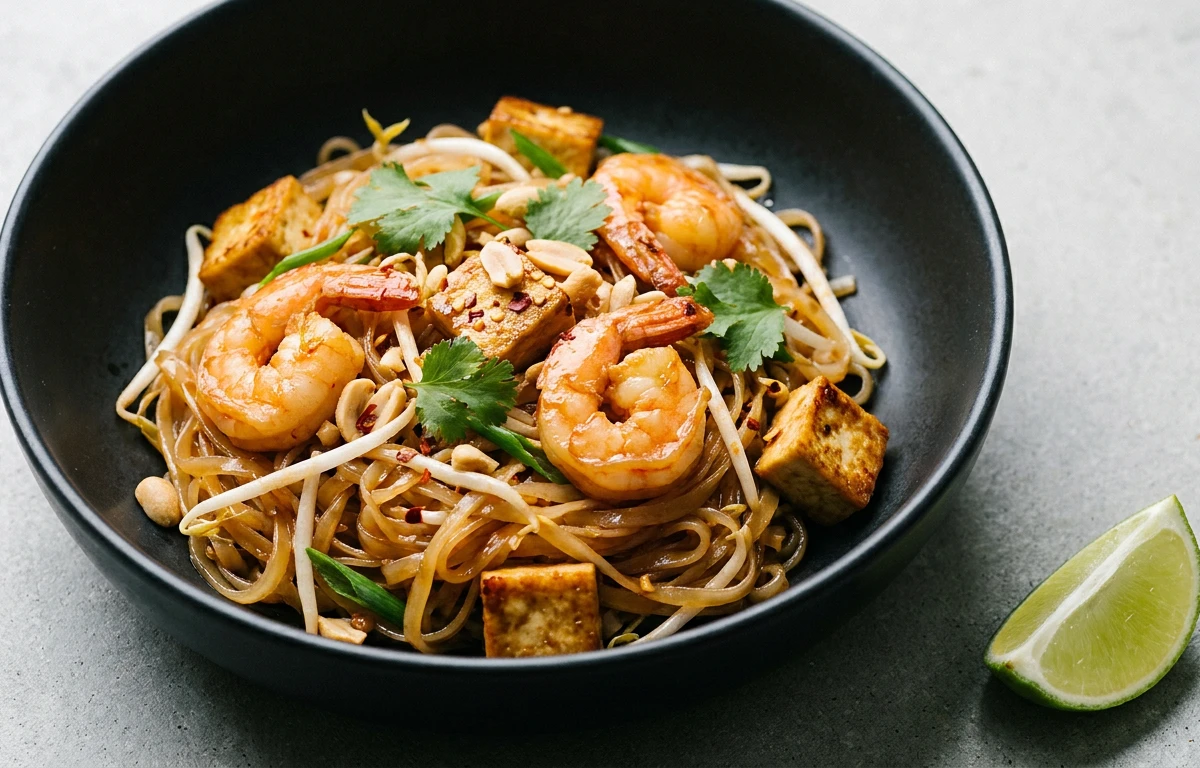
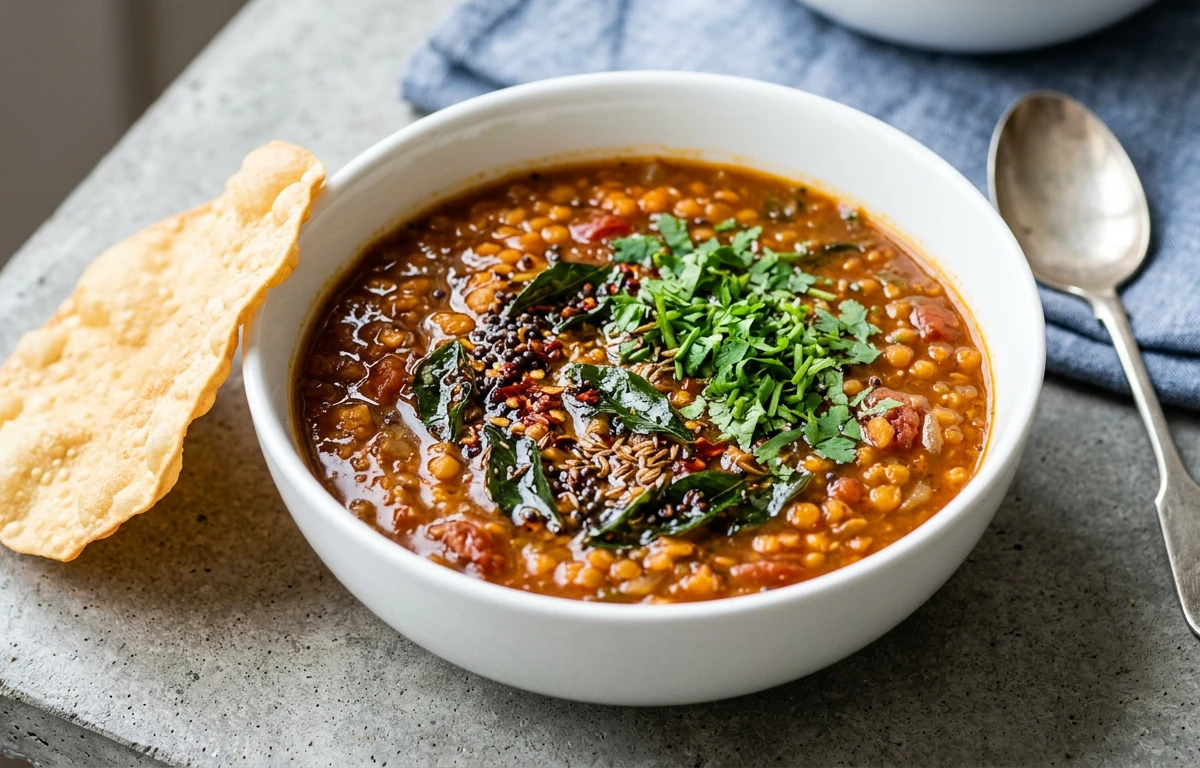
It is a staple in Sambar, Rasam, Pad Thai, Worcestershire sauce, and various chutneys and candies.
RECIPES
Cook with tamarind.
10 recipes · sorted by what’s quick
.webp)

RELATED GUIDES



















