Condiment1 recipes
tartar sauce.
VegetarianVeganGluten-freeDairy-freeNut-freePeanut-freeSoy-freeEgg-freeShellfish-freeHoney-freeAlcohol-freeFermented
ALSO KNOWN AS
tartare saucesauce tartare
SERVING
CALORIES
211
PROTEIN
1.1g
CARBS
9.2g
FAT
19.4g
FIBER
0.40g
NUTRITION PROFILE · per 100 g
Everything in this ingredient.
MACRONUTRIENTS
Calories211kcal—
Protein1.1g2%
Carbohydrates9.2g3%
Fiber0.40g1%
Sugar4.3g9%
Total fat19.4g25%
Saturated fat3.1g16%
Trans fat0.10g—
Cholesterol15mg5%
Water68.5g—
MINERALS
Sodium740mg32%
Potassium45mg1%
Calcium15mg1%
Iron0.30mg2%
Magnesium5.0mg1%
Phosphorus25mg2%
Zinc0.10mg1%
Copper0.05mg6%
Manganese0.05mg2%
Selenium1.2µg2%
VITAMINS
Vitamin A15µg2%
Vitamin C1.5mg2%
Vitamin D0.10µg1%
Vitamin E2.5mg17%
Vitamin K45µg38%
Thiamin (B1)0.01mg1%
Riboflavin (B2)0.02mg2%
Niacin (B3)0.10mg1%
Pantothenic acid (B5)0.15mg3%
Vitamin B60.02mg1%
Folate (B9)5.0µg1%
Vitamin B120.10µg4%
%DV based on a 2,000 cal diet. Source: USDA FoodData Central. A dash in the %DV column means there’s no established Daily Value for that nutrient.
MEASUREMENT CONVERSIONS
How much is what.
1 cup240g
1 tablespoon15g
1 teaspoon5g
1 oz28.4g
1 lb453.6g
1 ml1.1g
1 liter1050g
HEALTH BENEFITS
Why eat it.
- ✓Contains Vitamin K from oils and pickles
- ✓Low in carbohydrates compared to sweet sauces
- ✓Provides healthy fats if made with high-quality oils
- ✓Contains small amounts of probiotics from fermented pickles
- ✓Enhances satiety due to fat content
COOKING TIPS
In the kitchen.
- 1Chill for at least 30 minutes before serving to let flavors meld
- 2Add fresh dill or parsley to store-bought sauce to brighten the flavor
- 3Use as a base for a creamy coleslaw dressing
STORAGE
Keep it fresh.
- Refrigerate immediately after opening
- Keep the lid tightly sealed to prevent oxidation
- Store in the main body of the fridge rather than the door for consistent temperature
FAQ
Frequently asked questions.
How long does tartar sauce last after opening?
When stored in the refrigerator, commercially prepared tartar sauce typically lasts for 1 to 2 months after opening.
Can you freeze tartar sauce?
Freezing is not recommended as the mayonnaise emulsion will break upon thawing, resulting in a separated, oily texture.
Is tartar sauce vegan?
Standard tartar sauce is not vegan because it contains mayonnaise, which is made with egg yolks.
What are the best substitutes for tartar sauce?
Remoulade sauce, aioli, or a mixture of Greek yogurt, lemon juice, and chopped pickles are excellent alternatives.
Is tartar sauce gluten-free?
Most commercial brands are gluten-free, but always check the label for modified food starch or thickeners derived from wheat.
How can I tell if tartar sauce has gone bad?
Look for signs of separation, a yellowish or darkened color, an off smell, or any visible mold.
What are the main ingredients in tartar sauce?
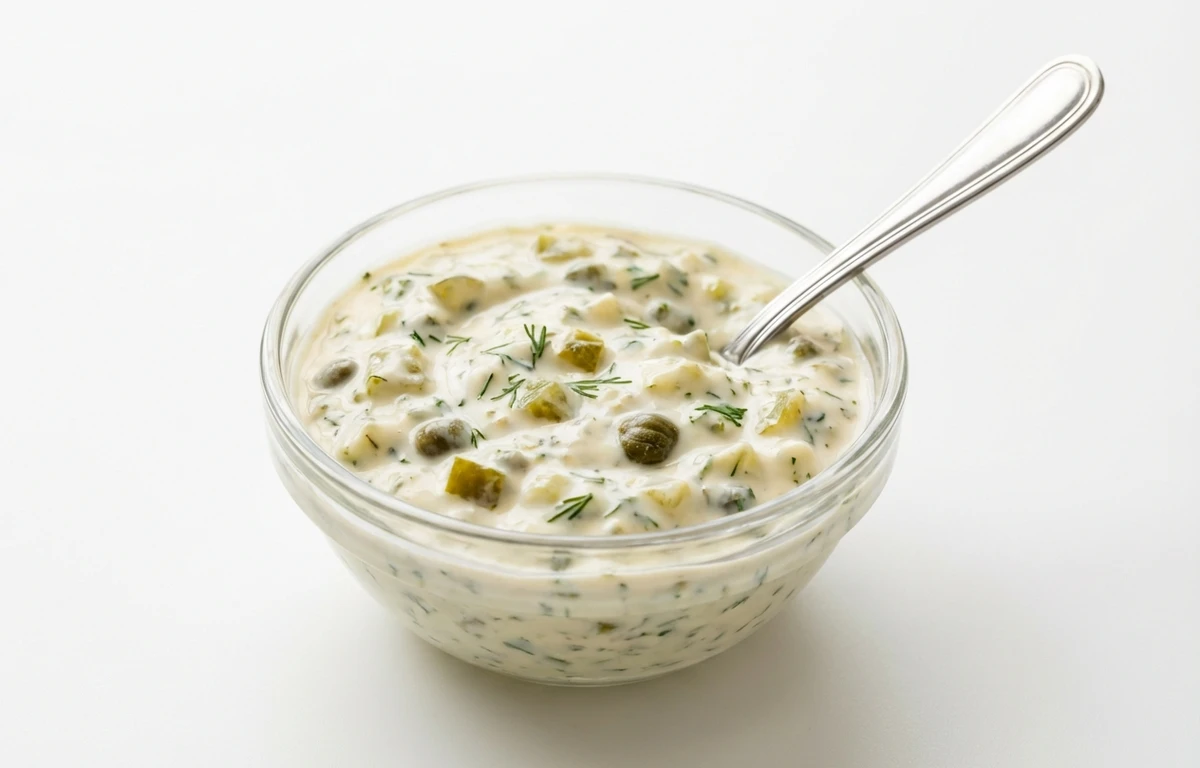
The base is mayonnaise, mixed with chopped pickles or relish, capers, lemon juice, and herbs like dill or parsley.
Is tartar sauce keto-friendly?
Yes, it is generally keto-friendly as it is high in fat and relatively low in carbohydrates, provided no extra sugar is added.
What dishes pair best with tartar sauce?
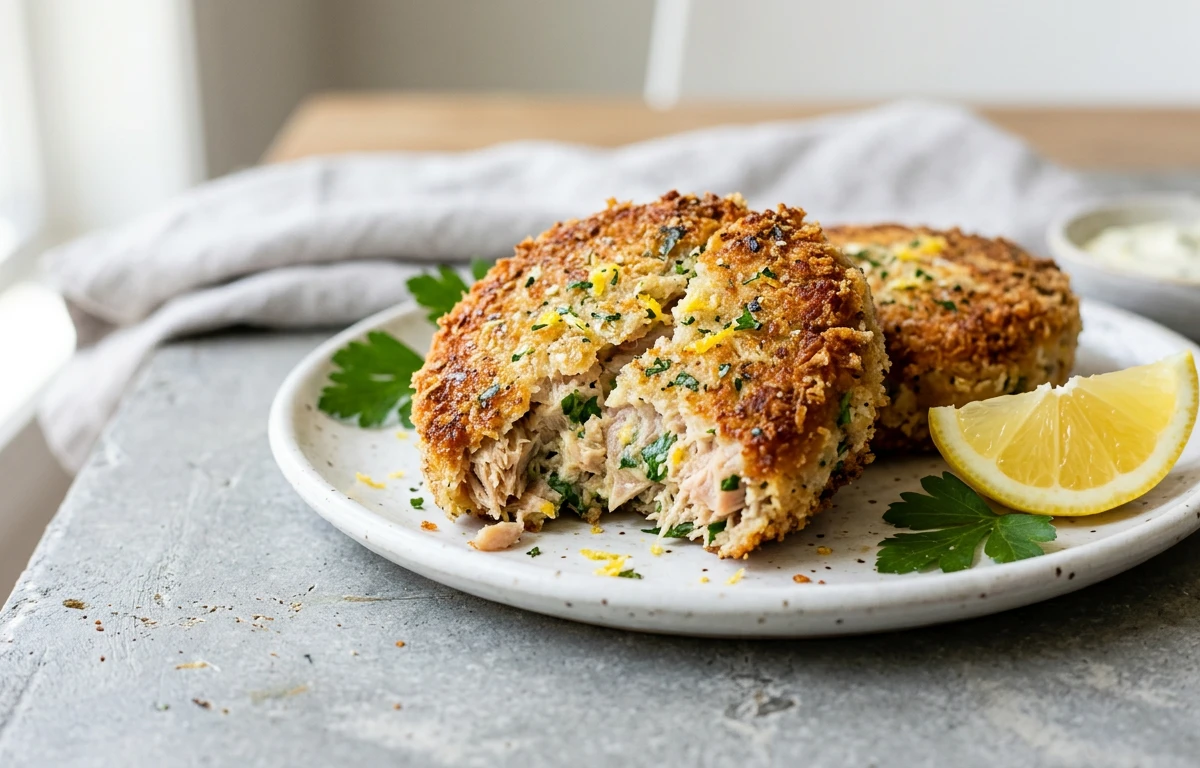
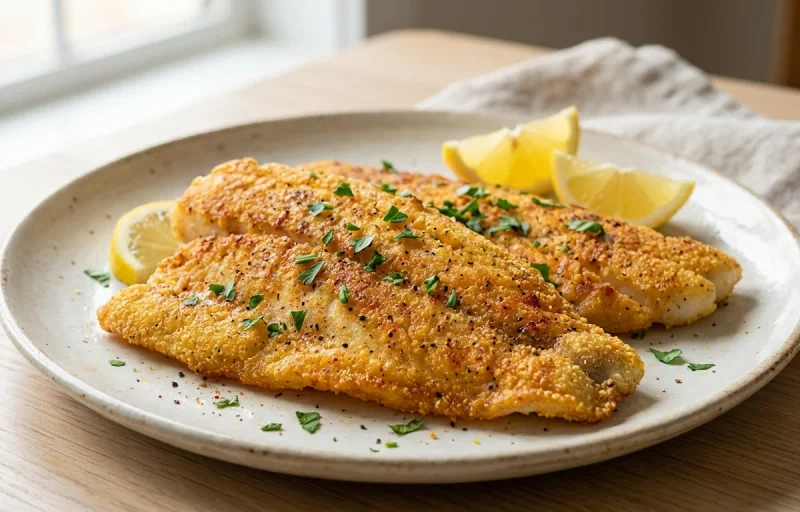
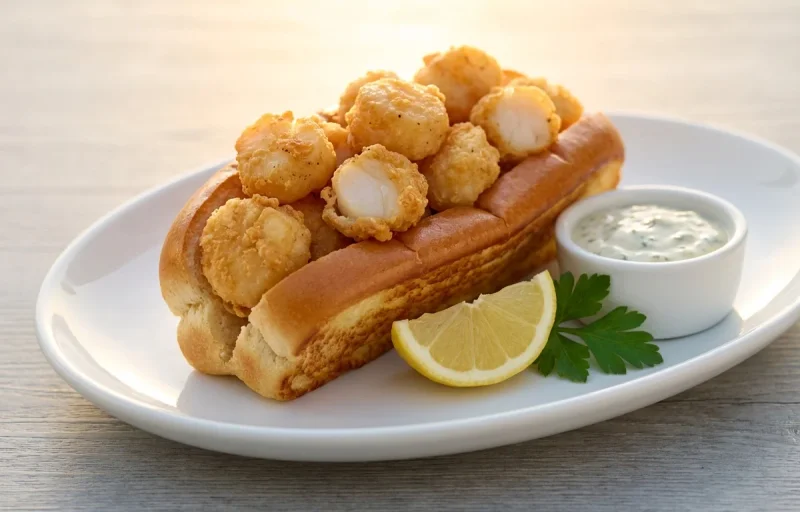
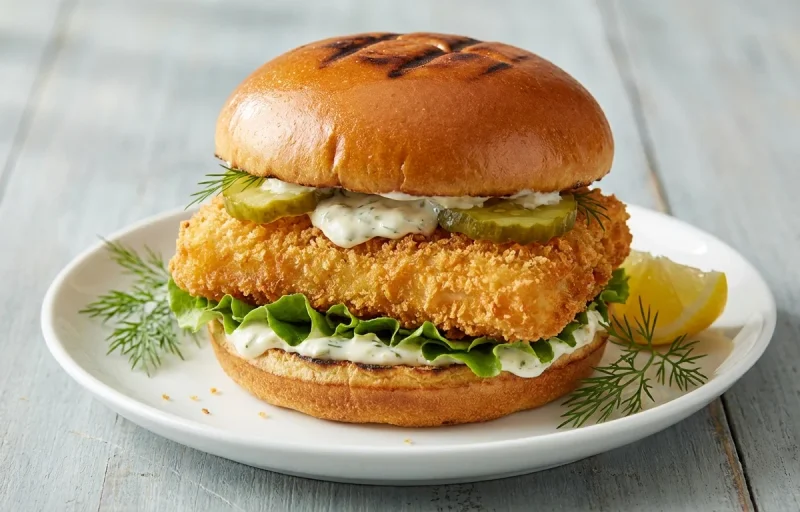
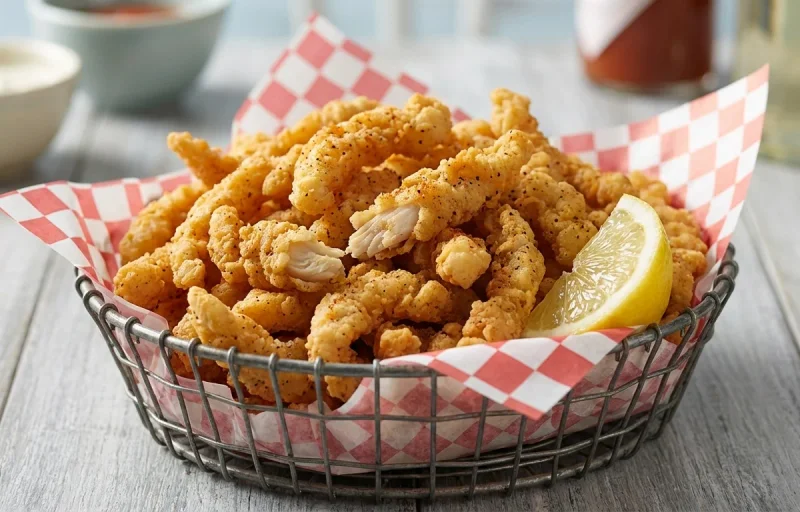
It is traditionally served with fried seafood like fish and chips, crab cakes, fried shrimp, and calamari.
How do I choose a high-quality tartar sauce?
Look for brands that use real egg yolks, high-quality oils (like avocado or olive oil), and list actual pickles and capers rather than just 'flavorings'.
RECIPES
Cook with tartar sauce.
1 recipes · sorted by what’s quick