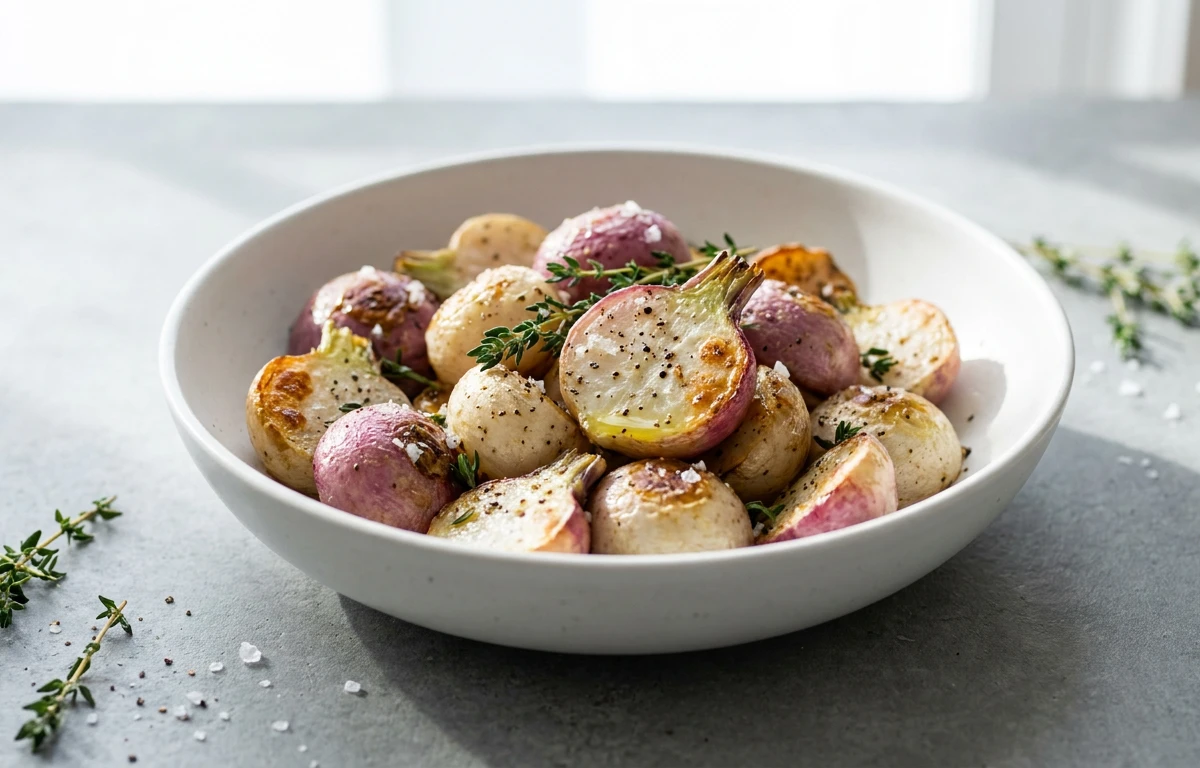
Spice5 recipes
thyme.
VegetarianVeganGluten-freeDairy-freeNut-freePeanut-freeSoy-freeEgg-freeShellfish-freeHoney-freeAlcohol-free
ALSO KNOWN AS
dried thymus vulgaristhyme powderground thyme
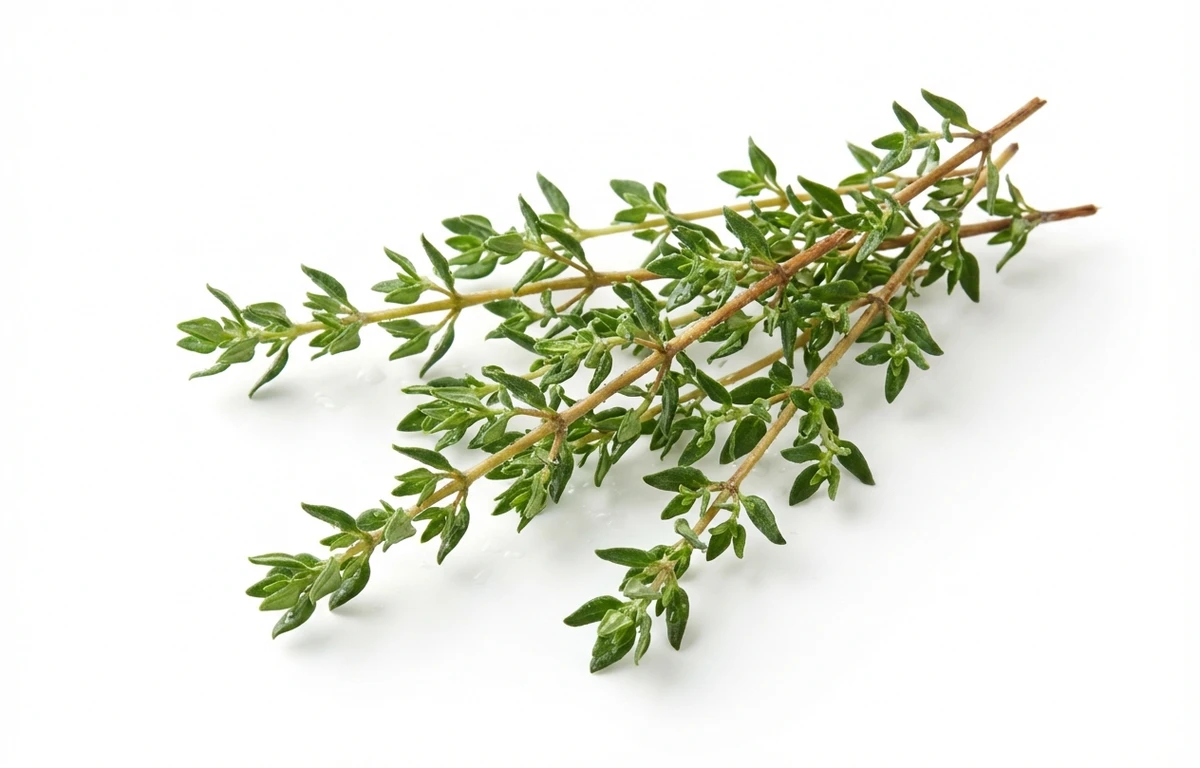
SERVING
CALORIES
359
PROTEIN
9.1g
CARBS
63.9g
FAT
7.4g
FIBER
37g
NUTRITION PROFILE · per 100 g
Everything in this ingredient.
MACRONUTRIENTS
Calories359kcal—
Protein9.1g18%
Carbohydrates63.9g23%
Fiber37g132%
Sugar1.7g3%
Total fat7.4g9%
Saturated fat2.7g14%
Trans fat0g—
Cholesterol0mg0%
Water7.8g—
MINERALS
Sodium55mg2%
Potassium814mg17%
Calcium1890mg145%
Iron124mg687%
Magnesium220mg52%
Phosphorus201mg16%
Zinc6.2mg56%
Copper0.86mg96%
Manganese7.9mg342%
Selenium4.6µg8%
VITAMINS
Vitamin A190µg21%
Vitamin C50mg56%
Vitamin D0µg0%
Vitamin E0mg0%
Vitamin K1715µg1429%
Thiamin (B1)0.51mg43%
Riboflavin (B2)0.47mg36%
Niacin (B3)4.9mg31%
Pantothenic acid (B5)0.41mg8%
Vitamin B60.55mg32%
Folate (B9)274µg69%
Vitamin B120µg0%
%DV based on a 2,000 cal diet. Source: USDA FoodData Central. A dash in the %DV column means there’s no established Daily Value for that nutrient.
MEASUREMENT CONVERSIONS
How much is what.
1 cup65g
1 tablespoon4.2g
1 teaspoon1.4g
1 oz28.4g
1 lb453.6g
1 ml0.3g
1 liter270g
1 piece0.2g
HEALTH BENEFITS
Why eat it.
- ✓Extremely high in iron for blood health
- ✓Contains thymol with potent antimicrobial properties
- ✓Rich in Vitamin K for bone density
- ✓High antioxidant content to fight oxidative stress
- ✓Supports respiratory health and eases coughs
COOKING TIPS
In the kitchen.
- 1Add early in the cooking process to allow flavors to release
- 2Rub dried leaves between your palms to activate essential oils
- 3Use 1 teaspoon of dried thyme for every 1 tablespoon of fresh
STORAGE
Keep it fresh.
- Store in an airtight container in a cool, dark place
- Keep away from direct sunlight and heat sources like stoves
- Ensure the container is completely dry to prevent clumping
FAQ
Frequently asked questions.
How long does dried thyme last?
When stored properly in a cool, dark place, dried thyme maintains its potency for 1 to 3 years.
Can I substitute dried thyme for fresh?
Yes, use a 1:3 ratio; 1 teaspoon of dried thyme equals 1 tablespoon of fresh thyme.
How can I tell if dried thyme has gone bad?
If the herb has lost its distinct aroma or the color has turned from grey-green to brown, it is likely stale.
Is dried thyme high in iron?
Yes, dried thyme is one of the most iron-rich herbs, providing over 100% of the daily value in a 100g serving.
What are the best flavor pairings for thyme?
Thyme pairs exceptionally well with lemon, garlic, rosemary, potatoes, and roasted meats.
Does dried thyme contain gluten?
Pure dried thyme is naturally gluten-free, though you should check labels for cross-contamination in processed blends.
Should I use ground or whole leaf dried thyme?
Whole leaf dried thyme retains its flavor longer; ground thyme is better for smooth sauces or spice rubs.
Can dried thyme be frozen?
Freezing is not necessary for dried herbs and can introduce moisture; room temperature storage is best.