Loading...
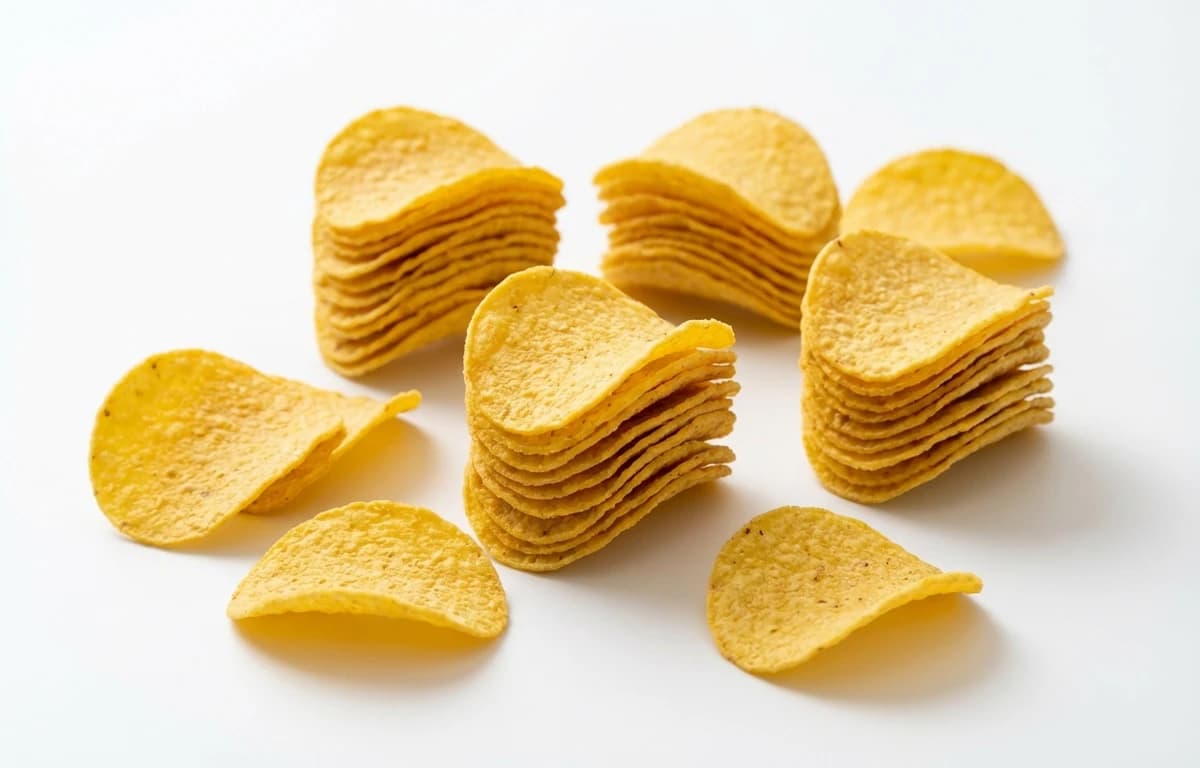
Also known as: corn chips, nacho chips, totopos, maize chips, fried corn tortillas, tortilla chips, corn crisps, makai chips
Per 100g
Nutrition data source: USDA FoodData Central
Common measurement equivalents in grams
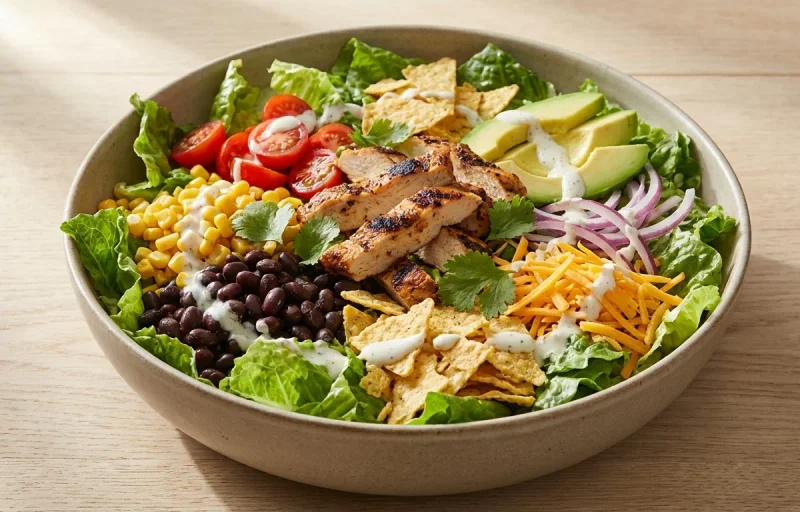
A vibrant and satisfying meal in a bowl, this Chicken Taco Salad features perfectly seasoned, pan-seared chicken over a crisp bed of romaine lettuce. Loaded with sweet corn, black beans, juicy cherry tomatoes, and creamy avocado, it's all brought together with shredded cheddar, a zesty ranch dressing, and a satisfying crunch of tortilla chips.
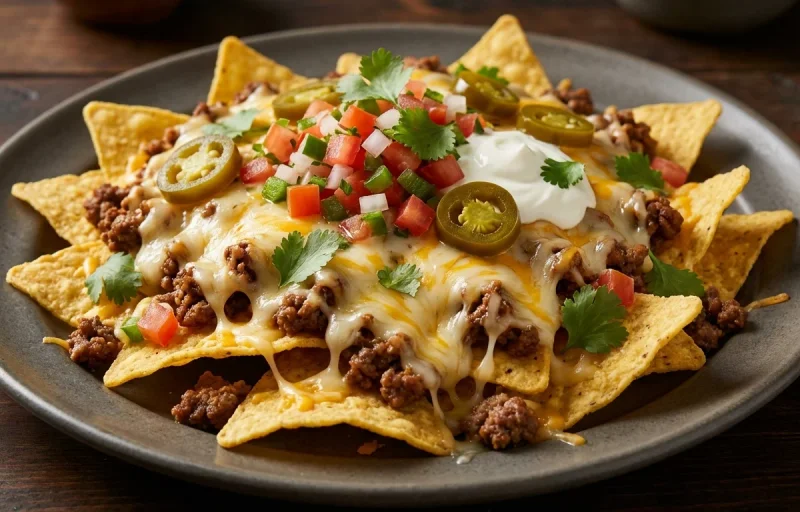
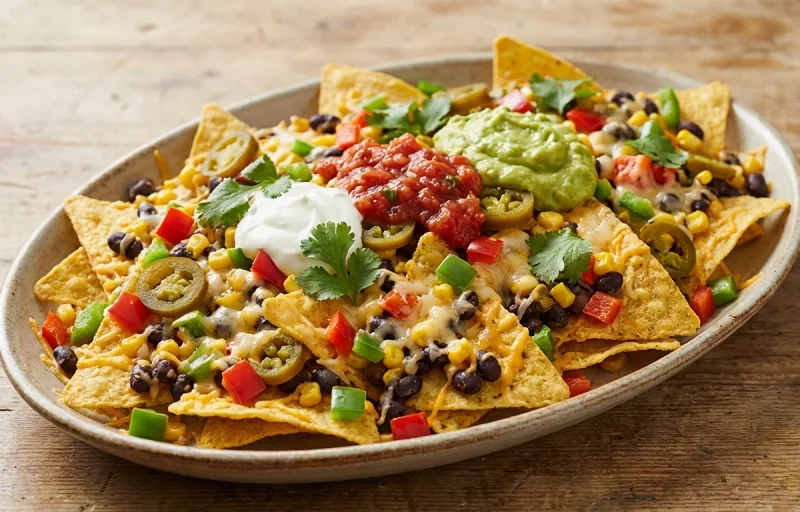
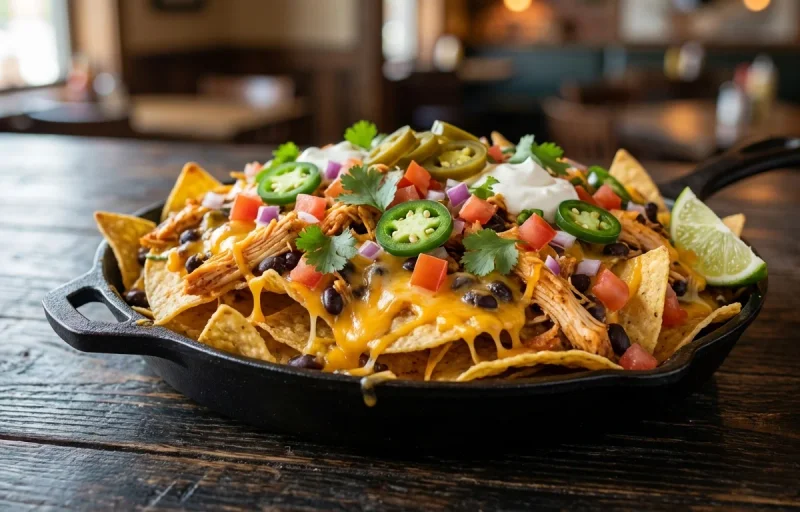
The ultimate shareable feast, these beef nachos feature layers of crispy tortilla chips, savory seasoned ground beef, and a generous blanket of perfectly melted cheese. Topped with fresh pico de gallo, cool sour cream, and spicy jalapeños, this dish is a guaranteed crowd-pleaser for game day, parties, or a fun weeknight dinner.
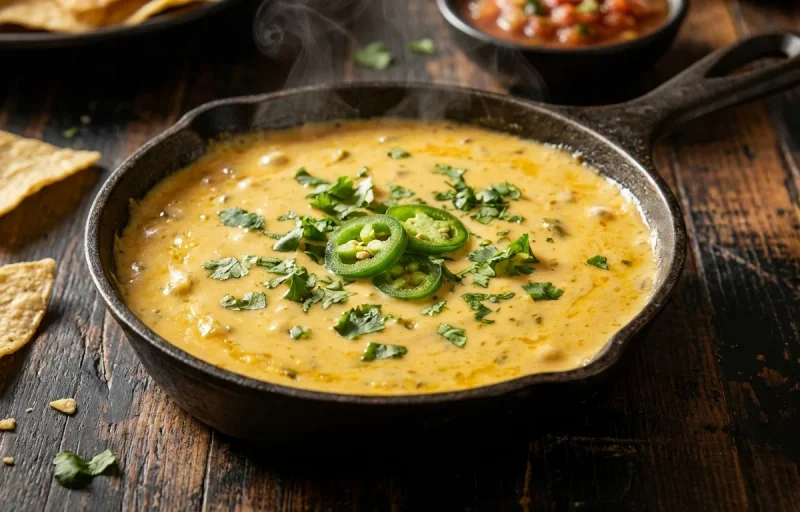
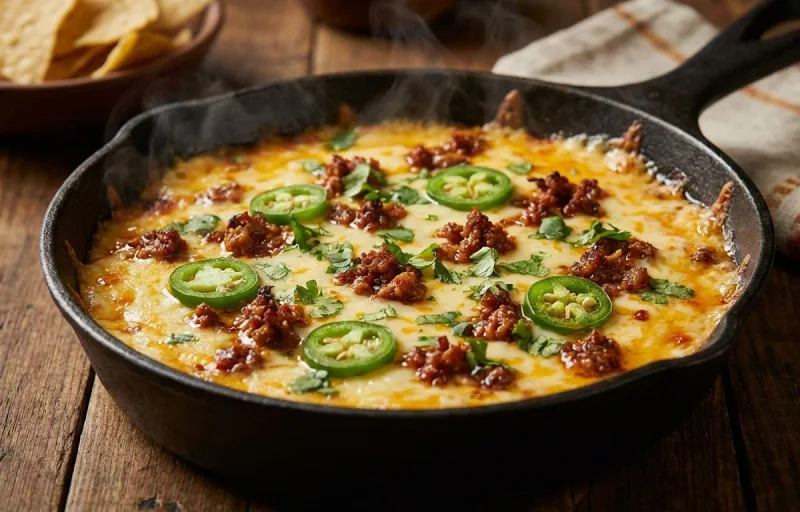
A quintessential Tex-Mex party dip featuring a velvety smooth blend of Velveeta and Monterey Jack cheeses, punctuated by the zesty flavor of green chiles and tomatoes. This incredibly easy, one-pan recipe results in a creamy, crowd-pleasing queso perfect for dipping tortilla chips.
Once opened, tortilla chips typically stay fresh for 1-2 weeks if stored in a tightly sealed airtight container.
Yes, you can freeze tortilla chips in a freezer-safe bag for up to 3 months. They don't actually freeze solid and can be eaten straight from the freezer or quickly warmed.
Most traditional corn tortilla chips are naturally gluten-free, but always check the label for cross-contamination warnings or added wheat ingredients.
Chips don't usually 'spoil' in a way that makes you sick, but they become stale, losing their crunch and developing a flat or slightly rancid oil smell.
Baked pita chips, cucumber slices, bell pepper strips, or air-popped popcorn are lower-fat alternatives.
Blue tortilla chips are made from blue corn, which contains anthocyanins (antioxidants) and has a slightly nuttier flavor than yellow or white corn.
Cut corn tortillas into triangles and either deep fry them in neutral oil or bake them at 375°F until crisp, then season with salt.
Plain salted tortilla chips are almost always vegan. However, flavored varieties like 'Nacho Cheese' often contain dairy powders.
tortilla chips is a versatile ingredient found in cuisines around the world. With 497 calories per 100g and 7 grams of protein, it's a nutritious addition to many dishes.
Explore more ingredients in the grain category with complete nutrition information.
View all grain →Discover 10 recipes featuring tortilla chips with step-by-step instructions.
Browse recipes →Explore more ingredients similar to tortilla chips.
The most-searched ingredients on CraftMyMeals.
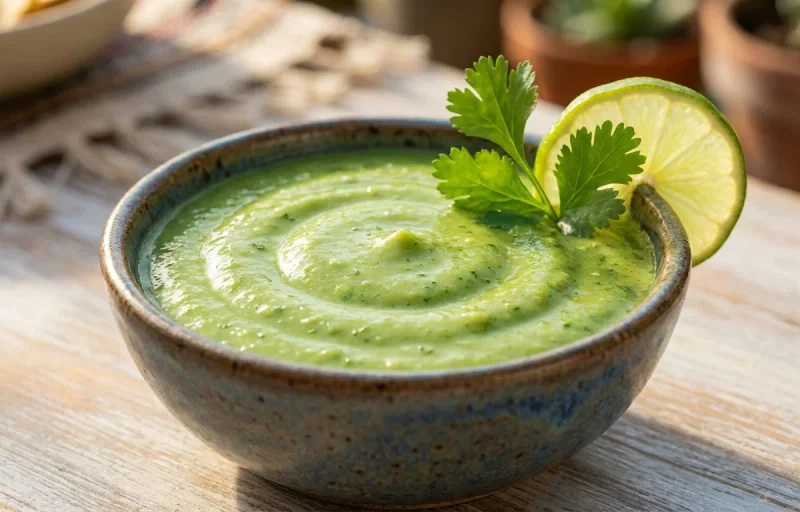
Common pairings include salsa, guacamole, queso dip, bean dip, and hummus.
Yes, most commercial tortilla chips are heavily salted. Look for 'low sodium' or 'unsalted' versions if you are monitoring salt intake.