Spice4 recipes
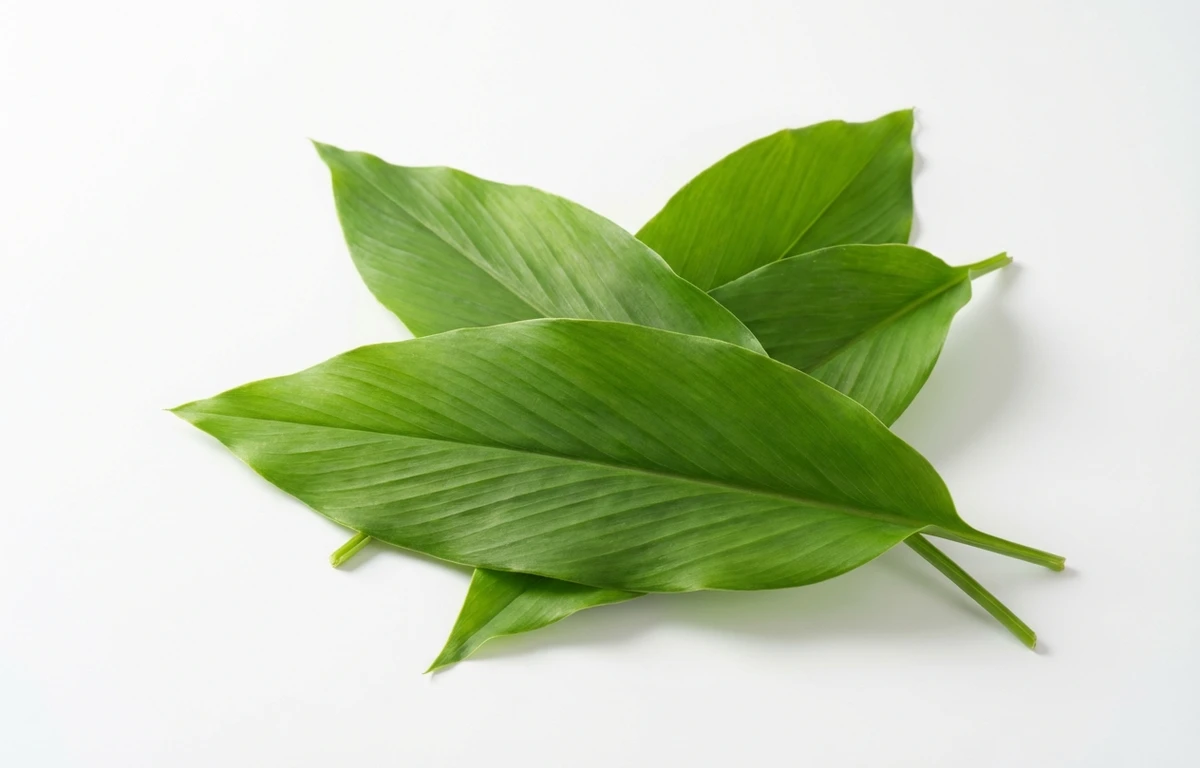
turmeric leaves.
VegetarianVeganGluten-freeDairy-freeNut-freePeanut-freeSoy-freeEgg-freeShellfish-freeHoney-freeAlcohol-free
ALSO KNOWN AS
haldi leaves
SERVING
CALORIES
39
PROTEIN
1.5g
CARBS
7.0g
FAT
0.50g
FIBER
2.5g
NUTRITION PROFILE · per 100 g
Everything in this ingredient.
MACRONUTRIENTS
Calories39kcal—
Protein1.5g3%
Carbohydrates7.0g3%
Fiber2.5g9%
Sugar1.5g3%
Total fat0.50g1%
Saturated fat0.10g1%
Trans fat0g—
Cholesterol0mg0%
Water82g—
MINERALS
Sodium10mg0%
Potassium300mg6%
Calcium150mg12%
Iron2.0mg11%
Magnesium42mg10%
Phosphorus112mg9%
Zinc0.60mg5%
Copper0.11mg12%
Manganese1.1mg46%
Selenium0.90µg2%
VITAMINS
Vitamin A350µg39%
Vitamin C50mg56%
Vitamin D0µg0%
Thiamin (B1)0.26mg22%
Riboflavin (B2)0.66mg51%
Niacin (B3)2.2mg14%
Pantothenic acid (B5)0.13mg3%
Vitamin B61.2mg71%
Folate (B9)40µg10%
Vitamin B120µg0%
%DV based on a 2,000 cal diet. Source: USDA FoodData Central. A dash in the %DV column means there’s no established Daily Value for that nutrient.
MEASUREMENT CONVERSIONS
How much is what.
1 piece1.5g
HEALTH BENEFITS
Why eat it.
- ✓Possesses anti-inflammatory properties due to the presence of curcuminoids, similar to the rhizome.
- ✓Traditionally used as a digestive aid to help alleviate gas and bloating.
- ✓Contains essential oils that provide a unique aroma and may have antimicrobial benefits.
- ✓Rich in antioxidants that help protect the body from oxidative stress.
COOKING TIPS
In the kitchen.
- 1Use whole leaves to wrap fish, chicken, or rice before steaming or grilling to impart a subtle, earthy, and fragrant flavor.
- 2Finely chop or pound the leaves into a paste to add to curries, marinades, and soups for a distinct aroma.
- 3Line a steamer basket with the leaves when cooking dumplings or vegetables to infuse them with a delicate scent.
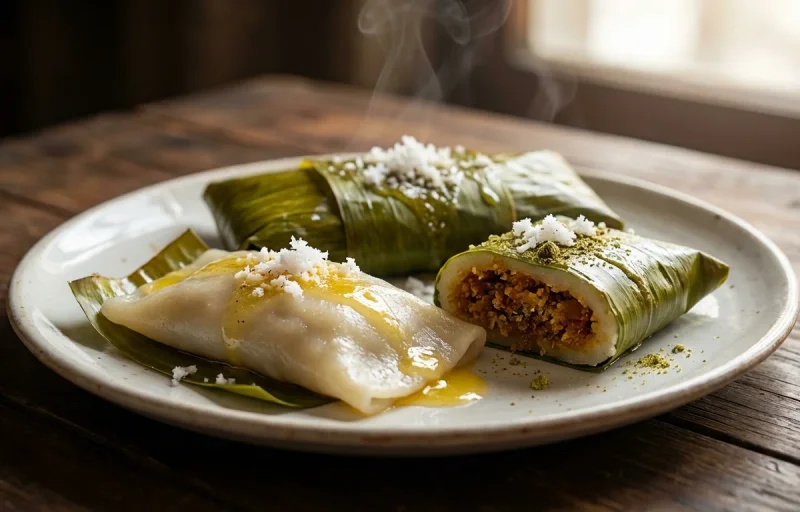
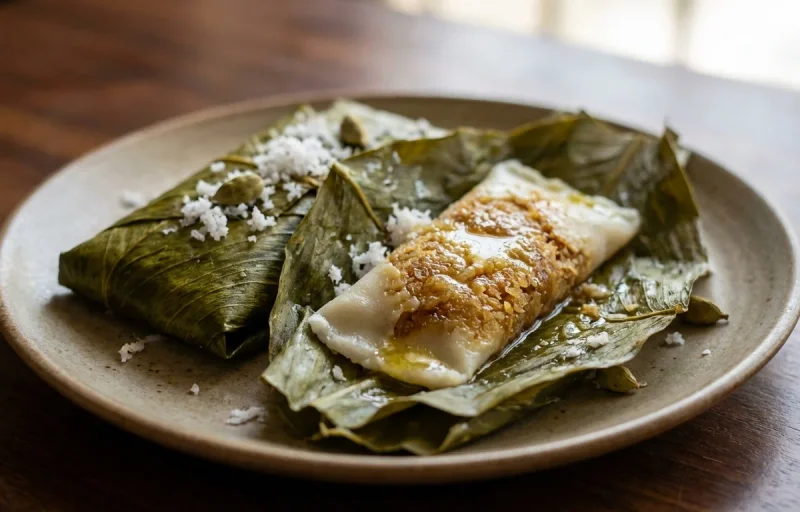
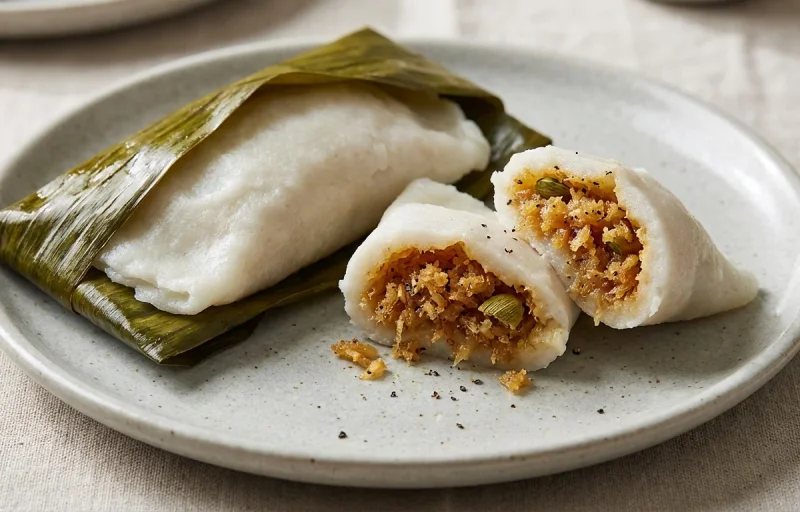
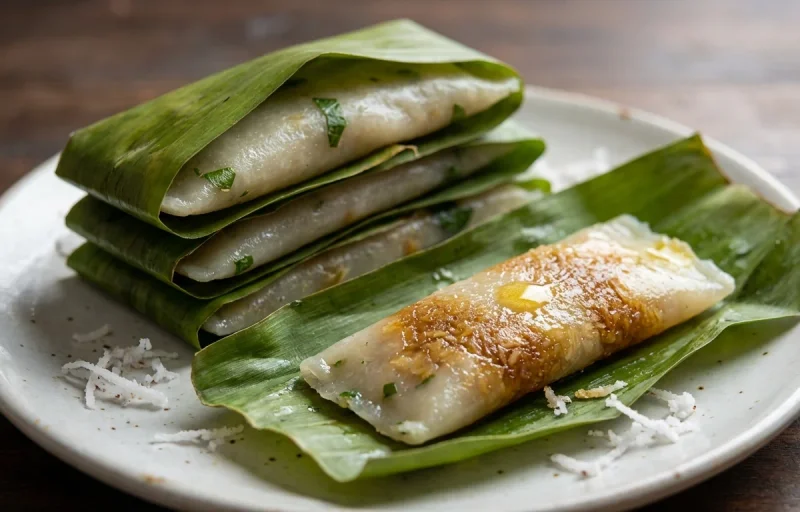
- 4In traditional desserts like Goan Patoleo, the leaves are used to wrap and steam sweet rice cakes, lending a unique flavor.
STORAGE
Keep it fresh.
- Wrap fresh leaves in a damp paper towel and store in a sealed plastic bag in the refrigerator for up to one week.
- For long-term storage, wash, pat dry, and freeze the leaves whole or chopped in an airtight container for up to 3 months.
FAQ
Frequently asked questions.
Are turmeric leaves healthy?
Yes, turmeric leaves are very healthy as they contain curcuminoids, which provide potent anti-inflammatory and antioxidant benefits. They are traditionally used to aid digestion, reduce bloating, and provide antimicrobial protection through their essential oils.
What is the nutritional profile of turmeric leaves?
Per 100g, turmeric leaves contain approximately 39 calories, 1.5g of protein, 7g of carbohydrates, and 0.5g of fat. They are a low-calorie, low-fat herb that adds significant flavor and bioactive compounds to meals.
Do turmeric leaves have the same benefits as turmeric root?
Yes, turmeric leaves contain many of the same active compounds as the root, including curcumin. While the root is more concentrated in pigment, the leaves offer unique essential oils and a lighter, floral version of the root's anti-inflammatory properties.
How do you use turmeric leaves in cooking?
Turmeric leaves are primarily used as a wrap for steaming fish, meat, or rice cakes (like Patholi) to infuse them with aroma. They can also be finely shredded and added to curries, stews, or coconut-based gravies for a subtle herbal flavor.
What do turmeric leaves taste like?
Turmeric leaves have a complex, refreshing flavor profile that is floral, gingery, and slightly peppery. The aroma is distinct and pungent, similar to the turmeric root but with a lighter, more herbal quality.
Are turmeric leaves keto-friendly and vegan?
Yes, turmeric leaves are naturally vegan and highly keto-friendly. With only 7g of carbohydrates per 100g and a very low glycemic impact, they are suitable for low-carb and plant-based diets.
Can you eat turmeric leaves raw?
While turmeric leaves are safe to eat raw, they are quite fibrous and tough. They are best enjoyed when finely julienned into salads or chutneys, or when used in cooking to soften the texture and release their essential oils.
How should I store fresh turmeric leaves?
Fresh turmeric leaves should be wrapped in a damp paper towel and stored in a zip-top bag in the refrigerator's crisper drawer. They will typically stay fresh for 3 to 5 days, or they can be frozen for several months.
How can I tell if turmeric leaves have gone bad?
Fresh leaves should be bright green and flexible. If the leaves become yellow, brown, or develop a slimy texture and a sour smell, they have spoiled and should be discarded.
Can I substitute turmeric leaves with turmeric powder?
Turmeric powder can provide the color and some earthy flavor, but it cannot replicate the unique floral aroma or the structural use of the leaves as a wrap. If a recipe calls for leaves as a wrap, banana leaves are a better physical substitute, though they lack the specific turmeric scent.
RECIPES
Cook with turmeric leaves.
4 recipes · sorted by what’s quick