
Other10 recipes
turnips.
VegetarianVeganGluten-freeDairy-freeNut-freePeanut-freeSoy-freeEgg-freeShellfish-freeHoney-freeAlcohol-free
ALSO KNOWN AS
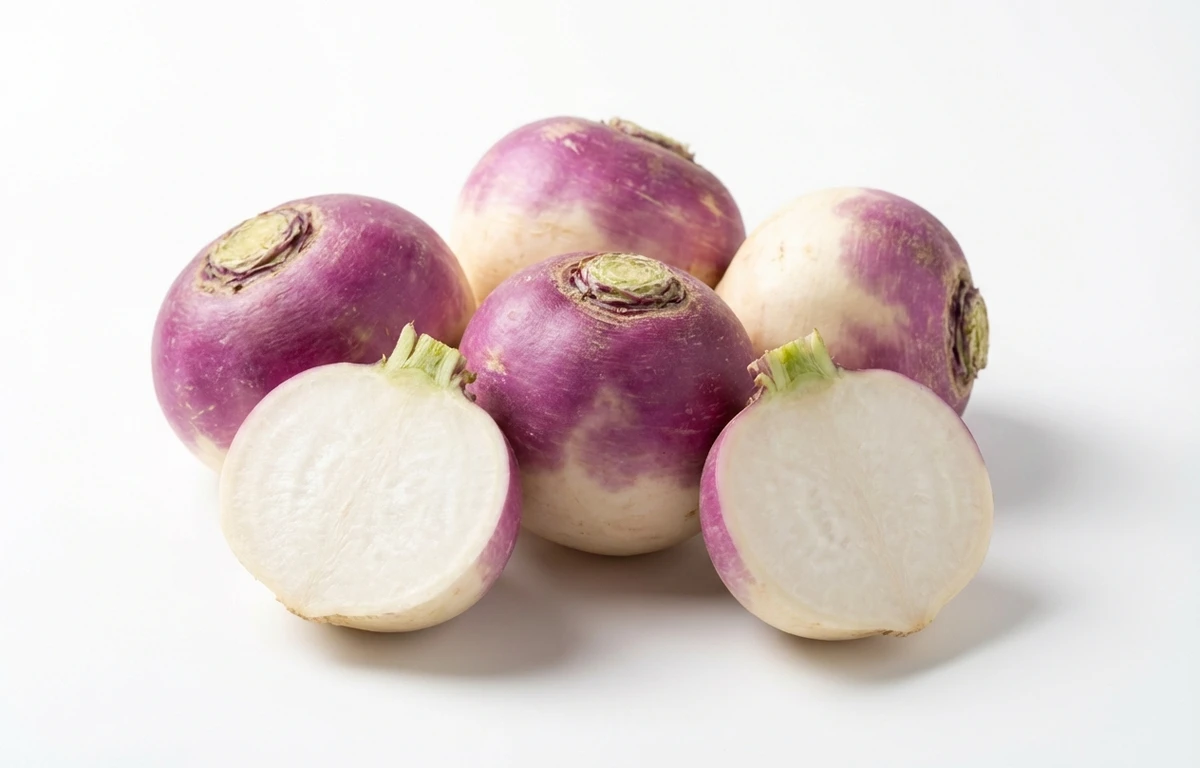
white turnipsturnip rootsshalgamwhite turnipturnip rootturnipraw turnip
SERVING
CALORIES
28
PROTEIN
0.90g
CARBS
6.4g
FAT
0.10g
FIBER
1.8g
This ingredient is flagged as naturally gluten-free. Per 100 g, it provides 0.10 µg of vitamin K.
NUTRITION PROFILE · per 100 g
Everything in this ingredient.
MACRONUTRIENTS
Calories28kcal—
Protein0.90g2%
Carbohydrates6.4g2%
Fiber1.8g6%
Sugar3.8g8%
Total fat0.10g0%
Saturated fat0.01g0%
Trans fat0g—
Cholesterol0mg0%
Water91.9g—
MINERALS
Sodium67mg3%
Potassium191mg4%
Calcium30mg2%
Iron0.30mg2%
Magnesium11mg3%
Phosphorus27mg2%
Zinc0.27mg2%
Copper0.09mg10%
Manganese0.13mg6%
Selenium0.70µg1%
VITAMINS
Vitamin A0µg0%
Vitamin C21mg23%
Vitamin D0µg0%
Vitamin E0.03mg0%
Vitamin K0.10µg0%
Thiamin (B1)0.04mg3%
Riboflavin (B2)0.03mg2%
Niacin (B3)0.40mg3%
Pantothenic acid (B5)0.20mg4%
Vitamin B60.09mg5%
Folate (B9)15µg4%
Vitamin B120µg0%
%DV based on a 2,000 cal diet. Source: USDA FoodData Central. A dash in the %DV column means there’s no established Daily Value for that nutrient.
MEASUREMENT CONVERSIONS
How much is what.
1 cup130g
1 tablespoon8.1g
1 teaspoon2.7g
1 oz28.4g
1 lb453.6g
1 ml0.5g
1 liter541.7g
1 piece150g
HEALTH BENEFITS
Why eat it.
- ✓High in dietary fiber, aiding digestion, promoting gut health, and contributing to feelings of fullness.
COOKING TIPS
In the kitchen.
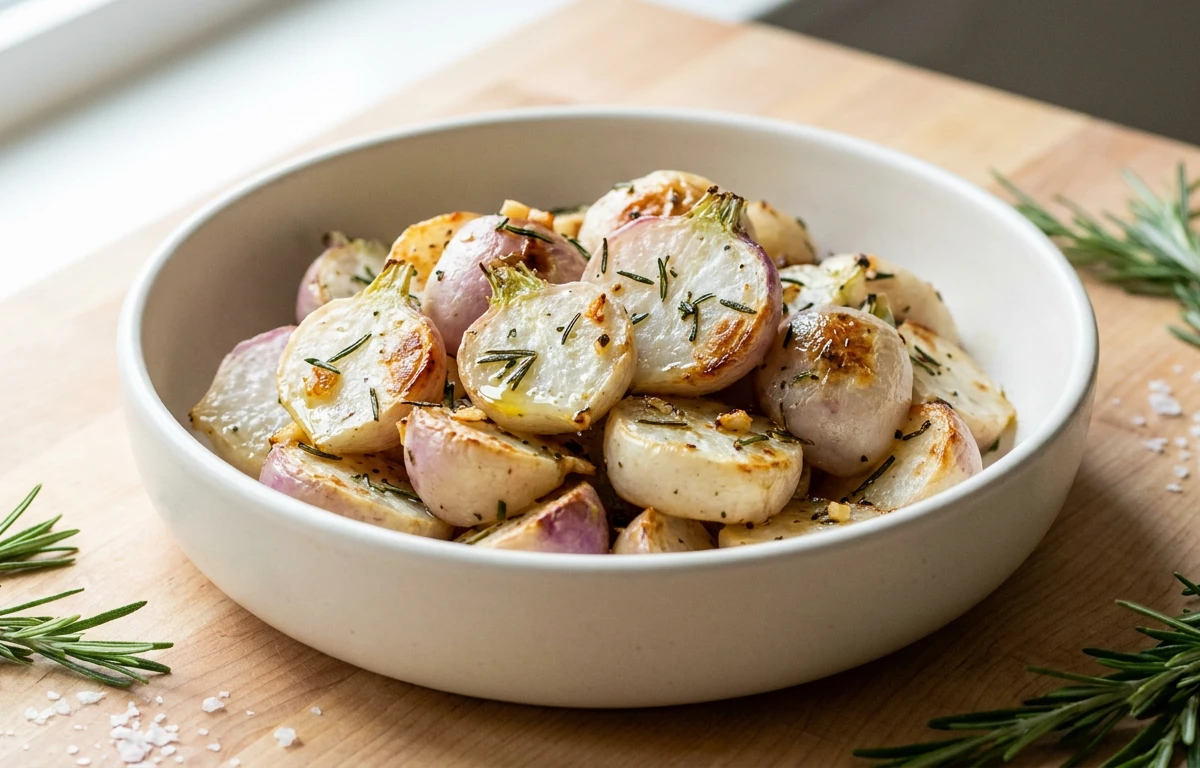
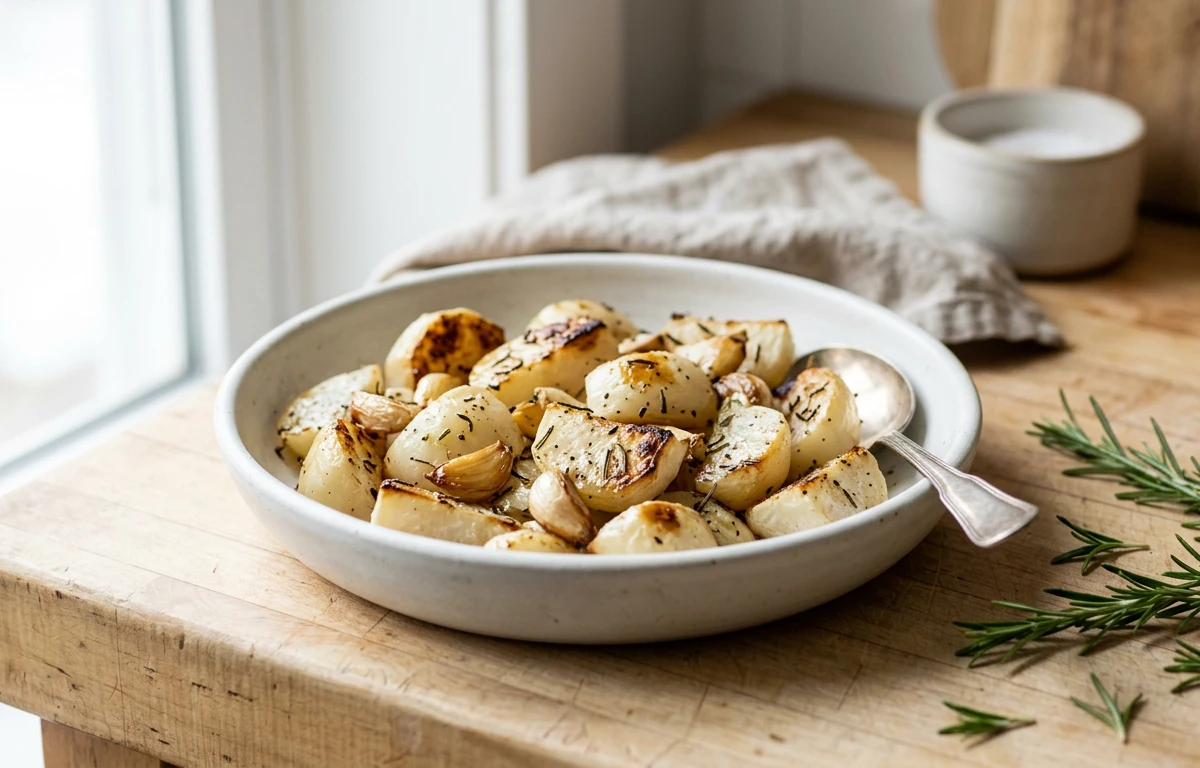
- 1Roasting turnips at a high temperature (around 400°F or 200°C) caramelizes their natural sugars, resulting in a sweet and tender flavor.
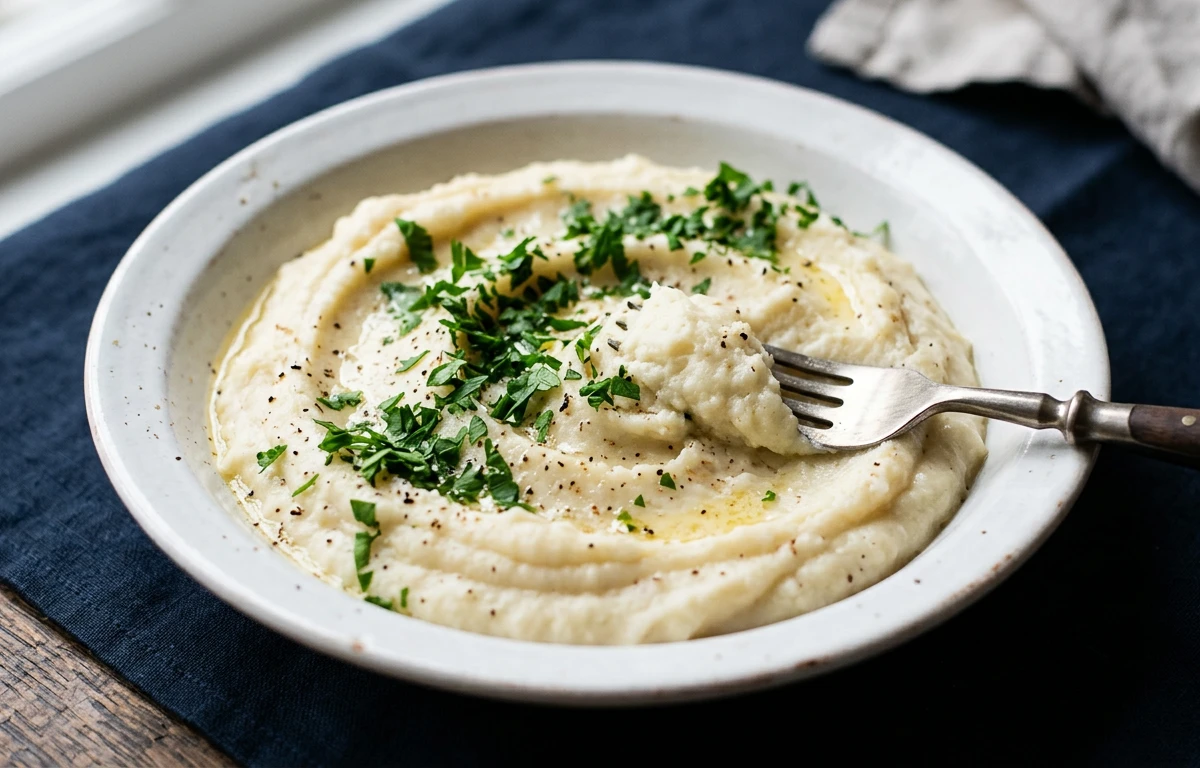
- 2Boil and mash turnips with butter, cream, or herbs as a lower-carb alternative to mashed potatoes.
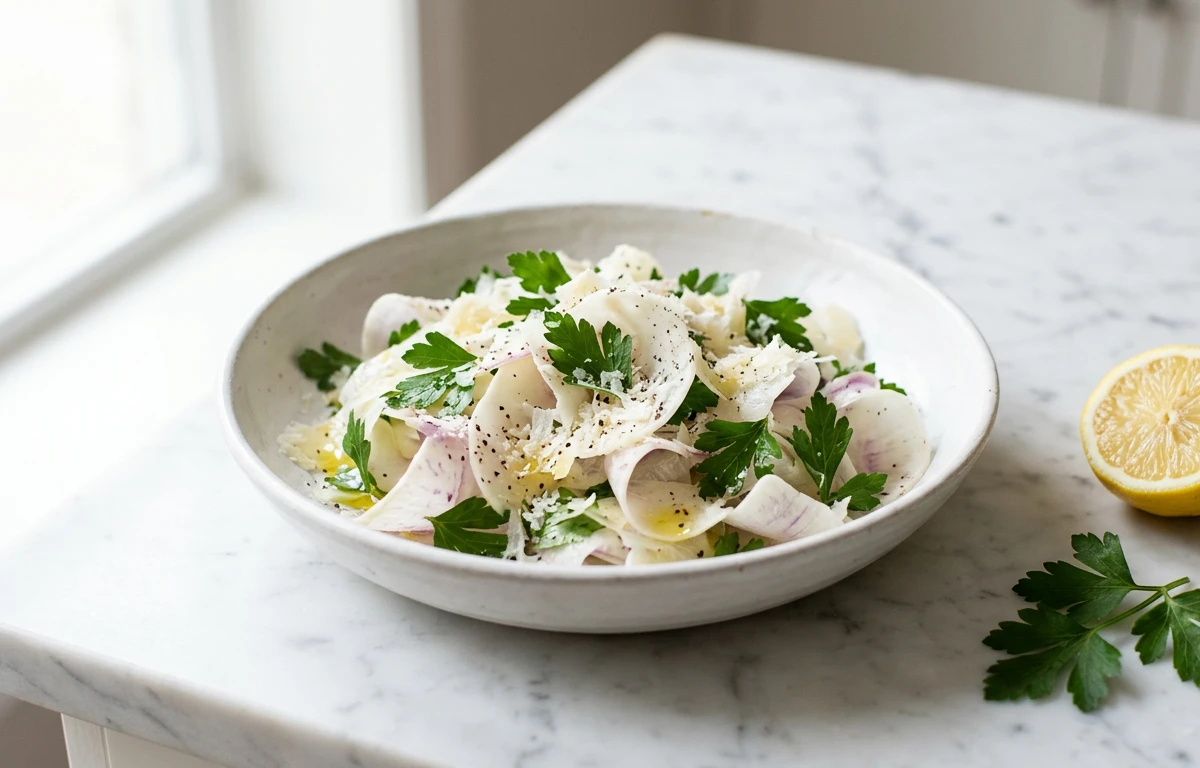
- 3Young, small turnips can be eaten raw. Slice them thinly and add to salads or slaws for a crisp texture and a peppery, radish-like bite.
- 4Turnips pair well with rich flavors like bacon, butter, and thyme, or can be brightened with lemon juice and parsley.
STORAGE
Keep it fresh.
- Remove the green tops before storing, as they draw moisture from the root. The greens can be stored separately in the fridge and used like other leafy greens.
- Store unwashed turnips in a cool, dark, and humid place, such as a refrigerator crisper drawer or a root cellar, for up to two weeks.
- For longer storage, turnips can be blanched and frozen for up to 8-10 months.
FAQ
Frequently asked questions.
Are turnips keto-friendly?
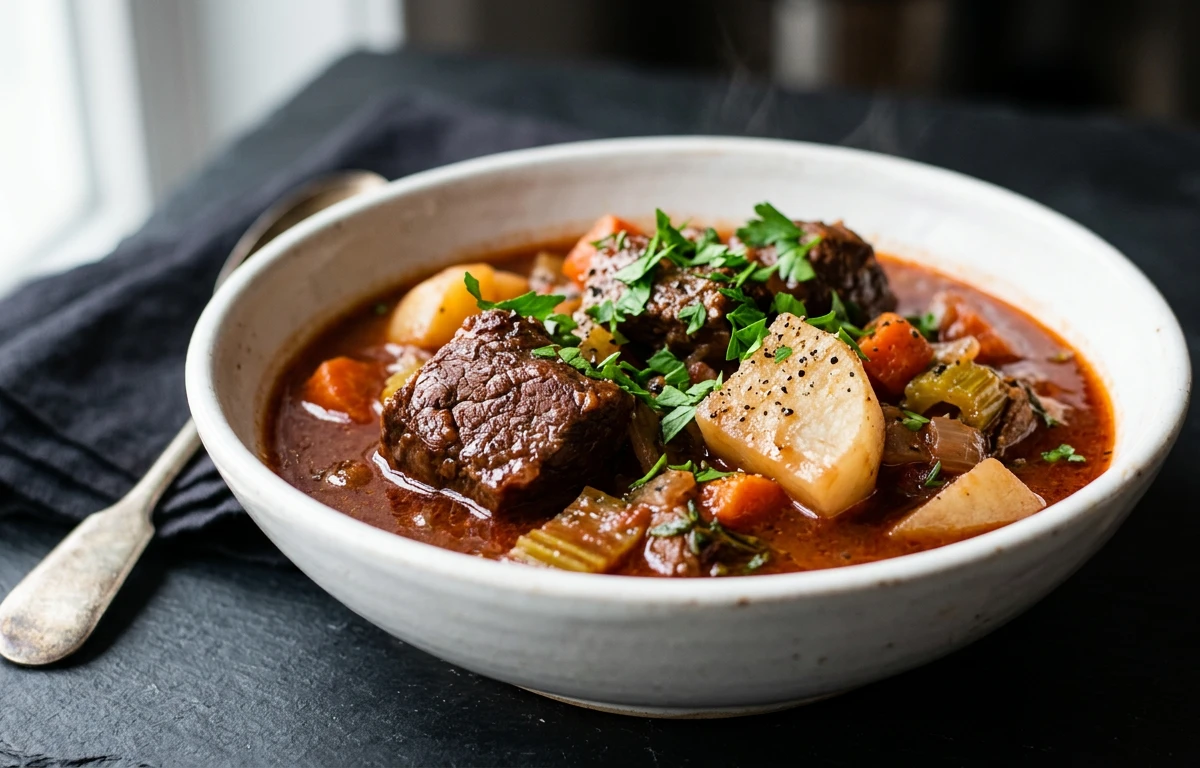
Turnips are considered keto-friendly in moderation, containing about 6.43g of carbohydrates per 100g. They are frequently used as a lower-carb substitute for potatoes in stews, roasts, and mashes.
What do turnips taste like?
Raw turnips have a crisp texture and a slightly peppery flavor similar to a radish. When cooked, the flavor mellows significantly, becoming sweeter and more earthy, resembling a cross between a potato and a mild cabbage.
How do you cook turnips?
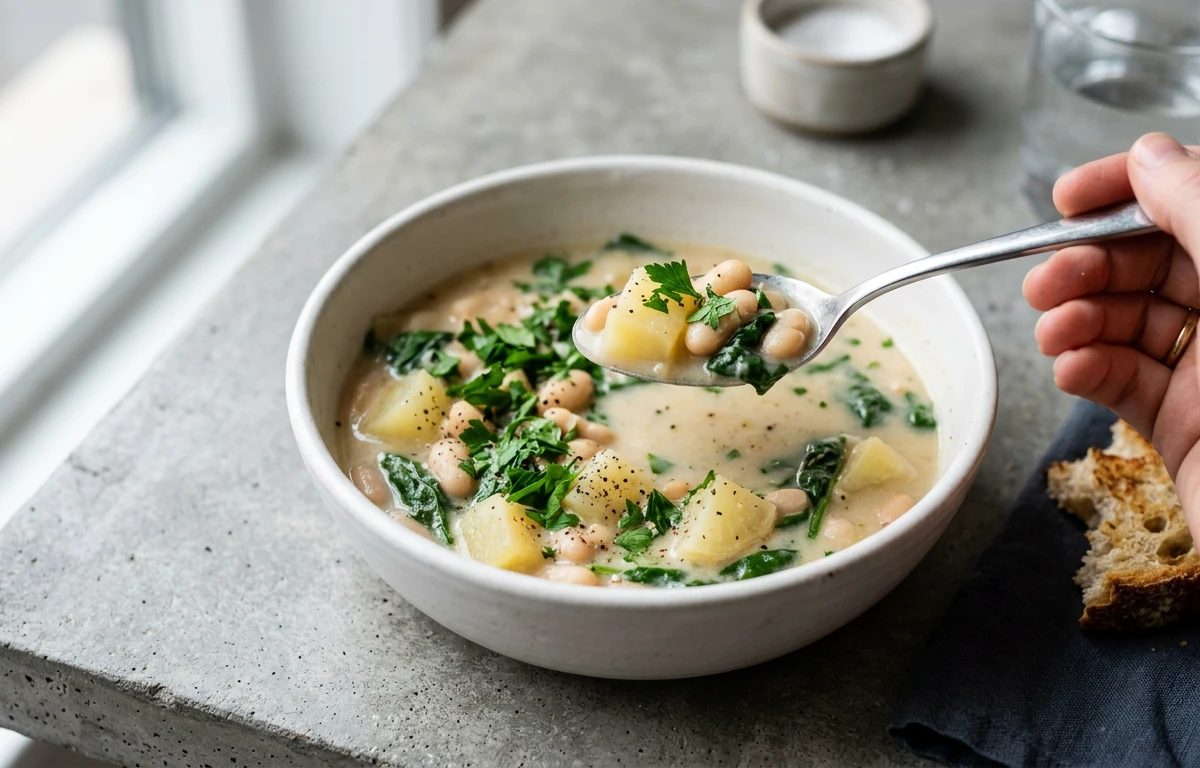
Turnips are versatile and can be roasted, boiled, steamed, or sautéed. They are commonly mashed as a side dish, added to hearty stews and soups, or even sliced thin and eaten raw in salads for a peppery crunch.
Can you eat turnip greens?
Yes, turnip greens are edible and highly nutritious, often containing higher concentrations of vitamins A, C, and K than the root itself. They can be prepared similarly to kale or collard greens, usually by sautéing or braising.
Do you need to peel turnips?
Small, young turnips have thin, tender skins that do not require peeling; simply scrub them clean. Larger, more mature turnips often have a thicker, slightly bitter skin that is best removed with a vegetable peeler before cooking.
How do you store turnips?
Store turnips in the vegetable crisper drawer of your refrigerator in a perforated plastic bag. If the greens are still attached, remove them before storing the roots, as the leaves will draw moisture out of the turnip and cause it to shrivel.
How do you know if a turnip is fresh?
A fresh turnip should feel heavy for its size and be firm to the touch with smooth, unwrinkled skin. Avoid turnips that have soft spots, deep gashes, or look shriveled, as these are signs of age and loss of moisture.
RECIPES
Cook with turnips.
10 recipes · sorted by what’s quick
RELATED GUIDES



















