Dairy10 recipes
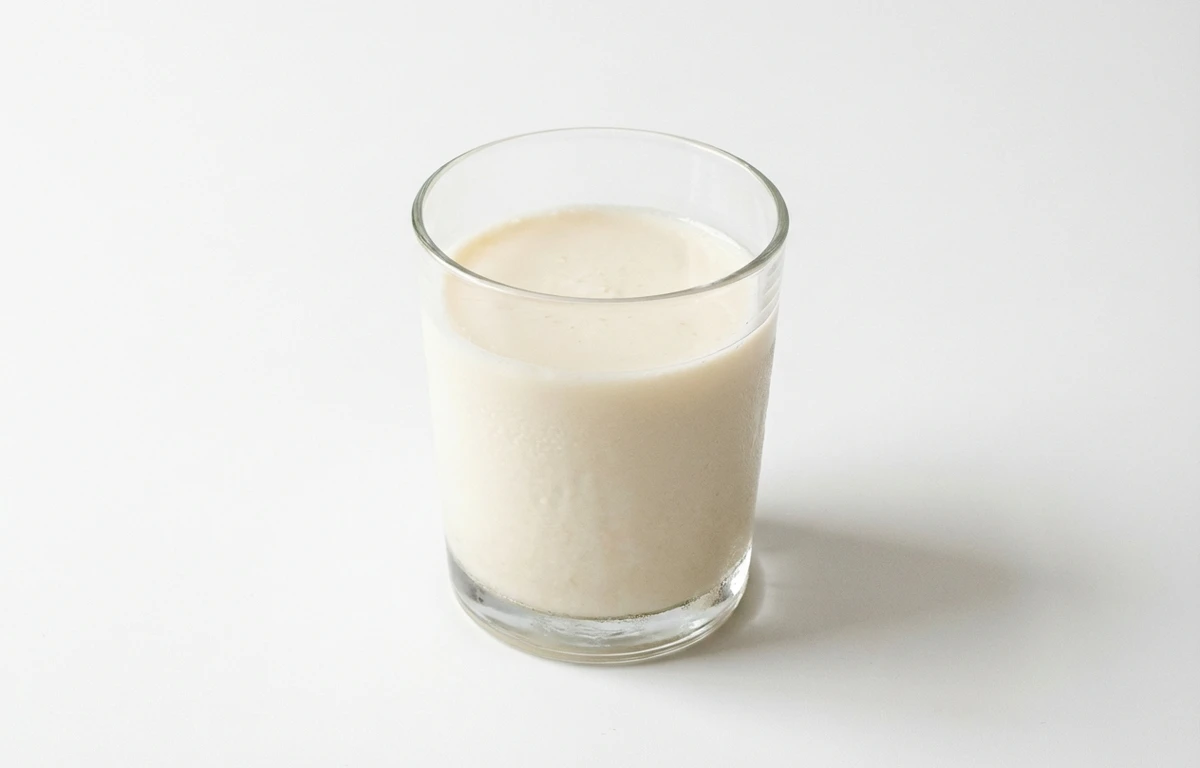
unsweetened almond milk.
VegetarianVeganGluten-freeDairy-freeNut-freePeanut-freeSoy-freeEgg-freeShellfish-freeHoney-freeAlcohol-free
ALSO KNOWN AS
almond milksugar free almond milkbadam doodhfortified almond milk
SERVING
CALORIES
15
PROTEIN
0.50g
CARBS
0.60g
FAT
1.2g
FIBER
0.30g
NUTRITION PROFILE · per 100 g
Everything in this ingredient.
MACRONUTRIENTS
Calories15kcal—
Protein0.50g1%
Carbohydrates0.60g0%
Fiber0.30g1%
Sugar0g0%
Total fat1.2g2%
Saturated fat0.10g1%
Cholesterol0mg0%
Water97.5g—
MINERALS
Sodium65mg3%
Potassium15mg0%
Calcium170mg13%
Iron0.10mg1%
Magnesium8.3mg2%
Phosphorus19.1mg2%
Zinc0.08mg1%
Copper0.03mg3%
Manganese0.06mg3%
VITAMINS
Vitamin A0µg0%
Vitamin C0mg0%
Vitamin D1.8µg9%
Vitamin K0µg0%
Thiamin (B1)0.01mg1%
Riboflavin (B2)0.08mg6%
Niacin (B3)0.09mg1%
Vitamin B60mg0%
Folate (B9)0µg0%
Vitamin B120.45µg19%
%DV based on a 2,000 cal diet. Source: USDA FoodData Central. A dash in the %DV column means there’s no established Daily Value for that nutrient.
MEASUREMENT CONVERSIONS
How much is what.
1 cup245g
1 tablespoon15g
1 teaspoon5g
1 ml1g
1 liter1000g
HEALTH BENEFITS
Why eat it.
- ✓Low in calories and sugar, making it suitable for weight management and blood sugar control.
- ✓Excellent source of Vitamin E, a powerful antioxidant that protects cells from damage.
- ✓Often fortified with calcium and Vitamin D, supporting bone health.
- ✓Naturally lactose-free, making it a great alternative for individuals with lactose intolerance.
COOKING TIPS
In the kitchen.
- 1Use as a 1:1 substitute for dairy milk in smoothies, cereal, oatmeal, and coffee.
- 2When making creamy sauces or soups, add almond milk toward the end of the cooking process and heat gently to prevent it from separating.
- 3Its low protein and fat content can alter the texture of baked goods; it works best in recipes like muffins and quick breads.
- 4Due to its tendency to curdle with high acidity or heat, it's not ideal for dishes like mac and cheese or creamy tomato soups unless a stabilizer is used.
STORAGE
Keep it fresh.
- Store unopened shelf-stable cartons in a cool, dark pantry. Check the expiration date for longevity.
- After opening, refrigerate immediately and consume within 7-10 days. Shake well before each use as natural separation can occur.
FAQ
Frequently asked questions.
Is unsweetened almond milk healthy?
Yes, unsweetened almond milk is a healthy, low-calorie beverage that is naturally lactose-free and low in sugar. It is an excellent source of Vitamin E, an antioxidant, and is typically fortified with calcium and Vitamin D to support bone health.
How many calories and carbs are in unsweetened almond milk?
Unsweetened almond milk is very light, containing approximately 15 calories and 0.6g of carbohydrates per 100g. This makes it significantly lower in calories and sugar compared to dairy milk or sweetened plant-based alternatives.
Is unsweetened almond milk keto-friendly?
Yes, it is highly keto-friendly due to its extremely low carbohydrate content (0.6g per 100g). It is a staple for those on ketogenic or low-carb diets who want a milk substitute that won't impact blood sugar levels.
Is unsweetened almond milk vegan and gluten-free?
Yes, unsweetened almond milk is naturally vegan as it is made from almonds and water. It is also gluten-free, making it safe for individuals with celiac disease or gluten sensitivities.
Can I use unsweetened almond milk in coffee and tea?
Yes, it is a popular dairy-free creamer for coffee and tea. However, because it is low in fat, it may separate or 'curdle' in very hot or acidic coffee; warming the milk slightly before adding it can help prevent this.
How does the protein content of almond milk compare to cow's milk?
Unsweetened almond milk is quite low in protein, providing only about 0.5g per 100g, whereas cow's milk provides about 3.4g. It should not be relied upon as a primary protein source in your diet.
Can I substitute unsweetened almond milk for dairy milk in baking?
You can generally substitute it in a 1:1 ratio in most baking recipes. Keep in mind that because it has less fat and protein than dairy milk, baked goods may brown less quickly and have a slightly lighter texture.
How should I store unsweetened almond milk and how long does it last?
Refrigerated almond milk must stay chilled, while shelf-stable versions can stay in the pantry until opened. Once opened, both types should be refrigerated and are typically best consumed within 7 to 10 days.
What does unsweetened almond milk taste like?
It has a mild, slightly nutty flavor and a thin, watery consistency compared to dairy milk. Because it is unsweetened, it lacks the sweetness of regular milk and has a very neutral profile that works well in savory dishes.
Is unsweetened almond milk safe for people with nut allergies?
No, unsweetened almond milk is made from almonds and is not safe for anyone with a tree nut allergy. For a nut-free alternative, consider oat milk, soy milk, or rice milk.
RECIPES
Cook with unsweetened almond milk.
10 recipes · sorted by what’s quick