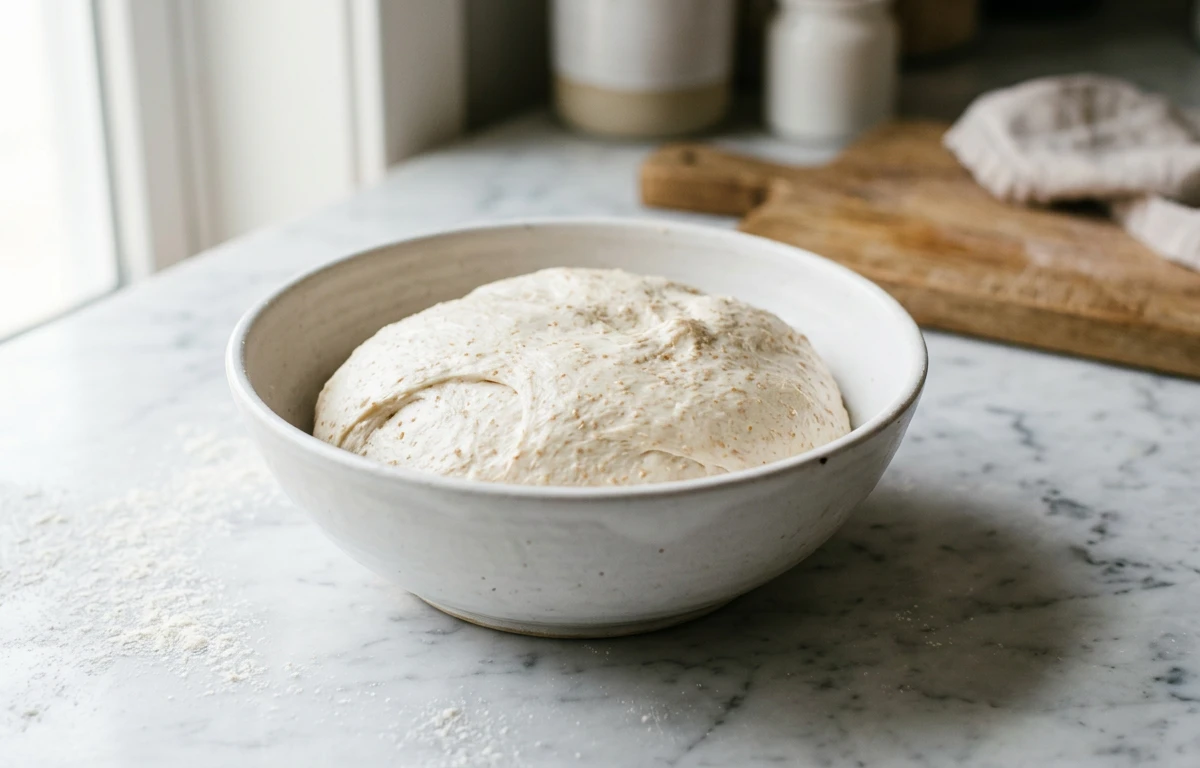
Grain10 recipes
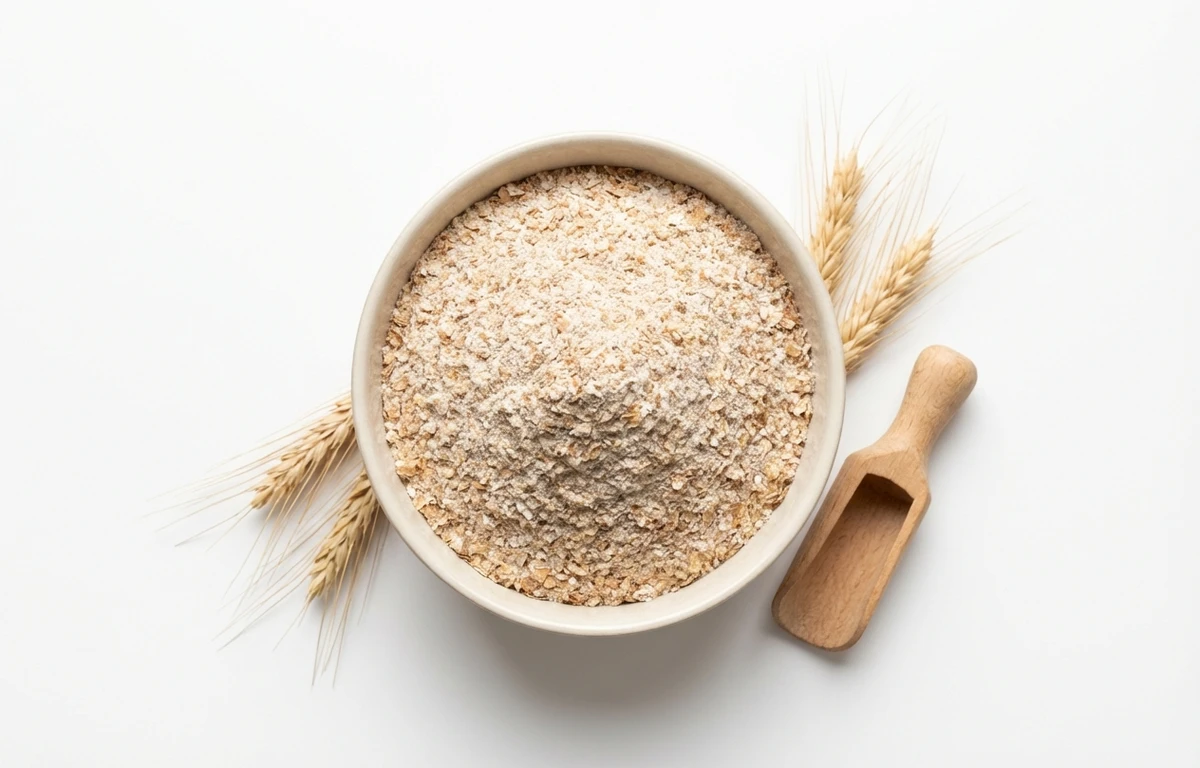
whole wheat flour.
VegetarianVeganGluten-freeDairy-freeNut-freePeanut-freeSoy-freeEgg-freeShellfish-freeHoney-freeAlcohol-freeWhole grain
ALSO KNOWN AS
attawholemeal flourchakki attawhole wheat flourgehun ka attachapati flourindian whole wheat flouratta wheat flour
SERVING
CALORIES
340
PROTEIN
13.3g
CARBS
72.6g
FAT
2.5g
FIBER
10.7g
NUTRITION PROFILE · per 100 g
Everything in this ingredient.
MACRONUTRIENTS
Calories340kcal—
Protein13.3g27%
Carbohydrates72.6g26%
Fiber10.7g38%
Sugar0.41g1%
Total fat2.5g3%
Saturated fat0.40g2%
Cholesterol0mg0%
Water11.9g—
MINERALS
Sodium2.0mg0%
Potassium363mg8%
Calcium34mg3%
Iron3.6mg20%
Magnesium164mg39%
Phosphorus428mg34%
Zinc3.1mg28%
Copper0.49mg54%
Manganese4.9mg212%
Selenium74.2µg135%
VITAMINS
Vitamin A0µg0%
Vitamin C0mg0%
Vitamin D0µg0%
Vitamin E0.85mg6%
Vitamin K1.0µg1%
Thiamin (B1)0.60mg50%
Riboflavin (B2)0.20mg15%
Niacin (B3)6.0mg37%
Pantothenic acid (B5)0.72mg14%
Vitamin B60.49mg29%
Folate (B9)52.8µg13%
Vitamin B120µg0%
%DV based on a 2,000 cal diet. Source: USDA FoodData Central. A dash in the %DV column means there’s no established Daily Value for that nutrient.
MEASUREMENT CONVERSIONS
How much is what.
1 cup120g
1 tablespoon7.5g
1 teaspoon2.5g
1 ml0.5g
1 liter500g
HEALTH BENEFITS
Why eat it.
- ✓High in dietary fiber, which supports digestive health and may help regulate blood sugar levels.
- ✓Good source of essential minerals such as manganese, selenium, and magnesium.
- ✓Contains B vitamins, including niacin, thiamin, and folate, which are crucial for energy metabolism.
- ✓Regular consumption of whole grains is linked to a reduced risk of chronic diseases like heart disease and type 2 diabetes.
COOKING TIPS
In the kitchen.
- 1When substituting for all-purpose flour, start by replacing 25-50% to maintain a lighter texture in baked goods.
- 2Whole wheat flour absorbs more liquid; you may need to add an extra 1-2 tablespoons of liquid per cup of flour used.
- 3Allow doughs to rest for at least 20 minutes after mixing. This hydration period softens the bran and improves the final texture.
- 4Its nutty, robust flavor pairs well with ingredients like molasses, honey, nuts, and spices like cinnamon and nutmeg.
STORAGE
Keep it fresh.
- Store in an airtight container in a cool, dark pantry for up to 3 months.
- For longer-term storage (6-12 months), place the airtight container in the refrigerator or freezer to prevent the natural oils in the germ from becoming rancid.
FAQ
Frequently asked questions.
Is whole wheat flour healthy?
Yes, whole wheat flour is highly nutritious because it contains all parts of the grain, including the bran and germ. It is rich in dietary fiber, B vitamins, and essential minerals like magnesium and selenium, which support heart health and digestion.
How much protein and fiber are in whole wheat flour?
100g of whole wheat flour provides approximately 13.3g of protein and 10-12g of fiber. This is significantly higher than refined white flour, making it more satiating and better for maintaining steady blood sugar levels.
Is whole wheat flour gluten-free?
No, whole wheat flour is not gluten-free. It contains gluten, the protein responsible for the elasticity and structure of dough, and is therefore unsafe for individuals with celiac disease or gluten sensitivity.
Can I substitute all-purpose flour with whole wheat flour in baking?
Yes, but it is best to start by substituting only 25% to 50% of the white flour. Because whole wheat flour absorbs more moisture and is denser, you may need to add 1-2 tablespoons of extra liquid per cup of flour used.
Is whole wheat flour keto-friendly?
No, whole wheat flour is not keto-friendly. It contains about 72.6g of carbohydrates per 100g, which is too high for a standard ketogenic diet that typically limits daily carb intake to under 50g.
How should I store whole wheat flour to keep it fresh?
Whole wheat flour contains the grain's natural oils, which can go rancid. Store it in an airtight container in a cool, dark place for up to 3 months, or in the refrigerator or freezer for up to a year to maintain freshness.
What does whole wheat flour taste like?
Whole wheat flour has a robust, nutty, and slightly earthy flavor compared to the neutral taste of white flour. It also produces a heartier, denser texture in baked goods like bread, muffins, and pancakes.
Is whole wheat flour good for weight loss?
It can be a helpful part of a weight loss diet due to its high fiber content, which promotes a feeling of fullness. However, it still contains 340 calories per 100g, so it should be consumed in moderation as part of a balanced meal plan.
How do I know if my whole wheat flour has gone bad?
Spoiled whole wheat flour will have a distinctively sour, metallic, or musty smell, rather than its usual mild, nutty aroma. If it smells off or shows signs of small insects (weevils), it should be discarded.
What is the difference between whole wheat flour and white flour?
Whole wheat flour is made by grinding the entire wheat kernel, whereas white flour is refined to remove the bran and germ. This process leaves white flour with fewer nutrients and significantly less fiber than the whole grain version.
RECIPES
Cook with whole wheat flour.
10 recipes · sorted by what’s quick