Loading...
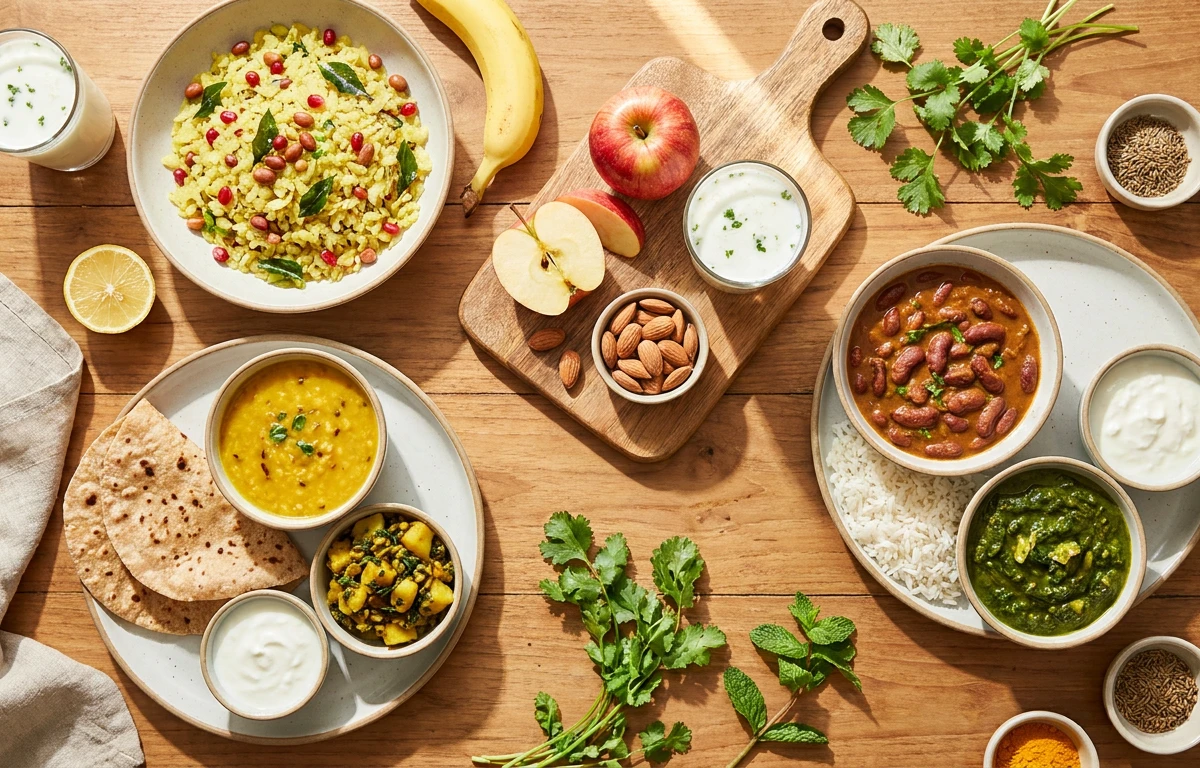
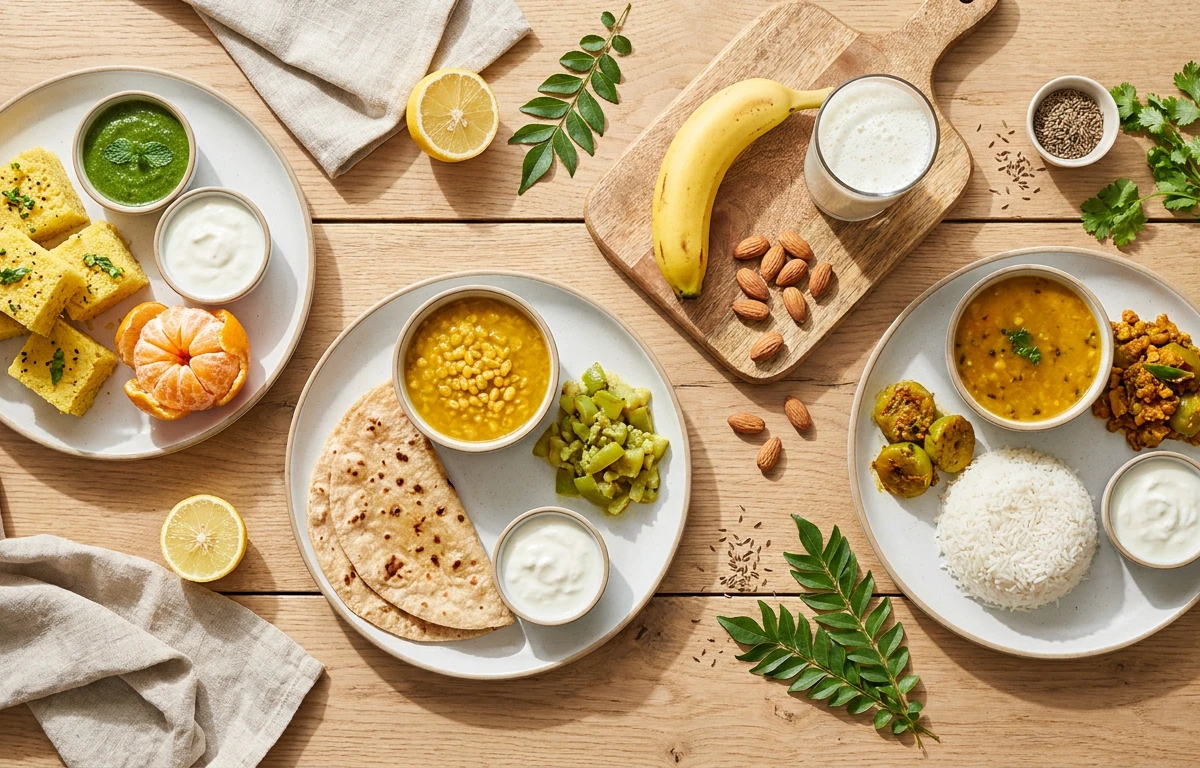
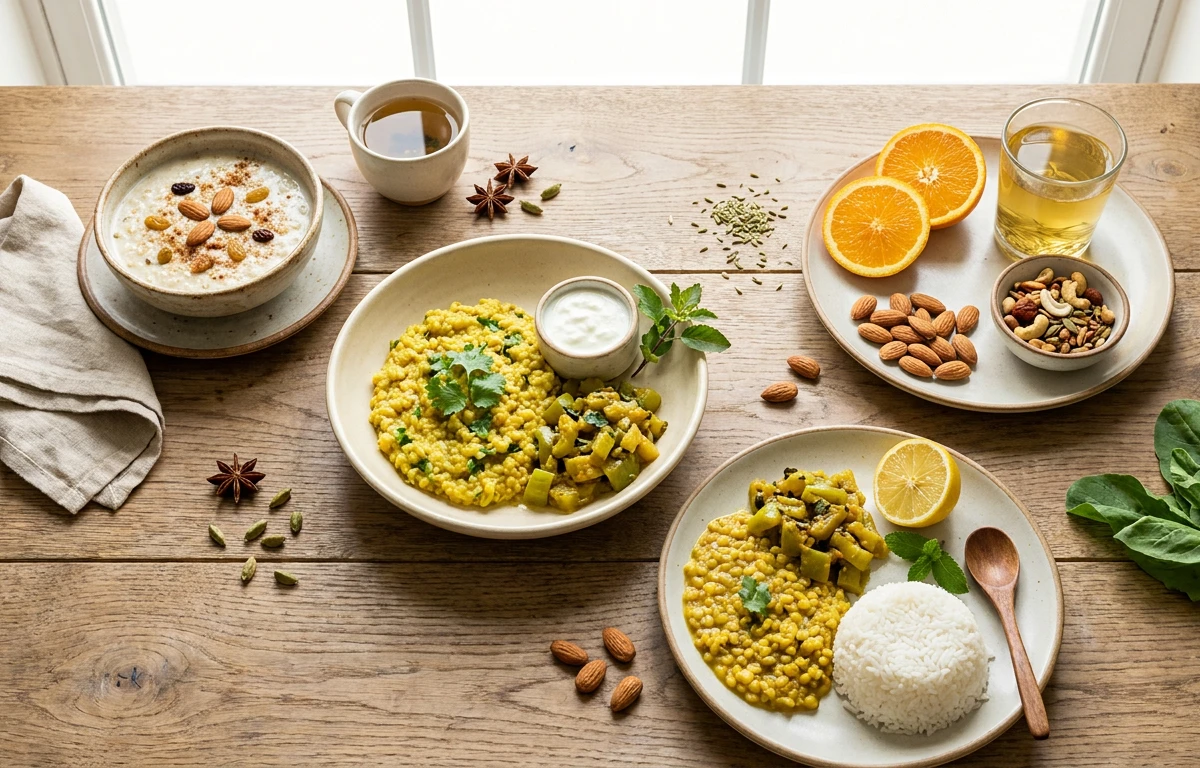
This 14-day strict lacto-vegetarian Indian meal plan is built for the millions of Indians who eat dairy but no eggs, no fish, no meat — the most common dietary identity in the country. Daily target 1,900 kcal split 380/570/190/570 across breakfast, lunch, snack, and dinner [1]. The plan delivers ~70 g protein/day through dal-paneer-dahi stacking, sufficient fibre from whole grains and legumes, and the right calcium load from milk and yogurt [2].
But strict lacto-vegetarian eating has predictable nutrient gaps that this plan addresses head-on. **Vitamin B12** is not present in any plant food and dairy provides only ~1 µg per 200 ml of milk — well below the RDA of 2.4 µg/day for adults [3]. We recommend a weekly **methylcobalamin 1,000–2,000 µg supplement** (or daily 250–500 µg) — the methylcobalamin form is preferred over cyanocobalamin for adults with normal absorption [4]. Indian studies show 47–80% of vegetarians are B12-deficient even on regular dairy intake [5]; pregnant, lactating, and senior populations need targeted monitoring of serum B12 + holotranscobalamin annually.
**Iron bioavailability** is a second known gap. Plant iron (non-heme) absorbs at 2–10% vs 15–35% for heme iron from meat [6]. The plan pairs iron-rich foods (palak, methi, rajma, jaggery) with vitamin C sources (lemon, amla, tomato, capsicum) at every iron-heavy meal to lift absorption 2–3× [7]. Tea and coffee with meals are flagged for post-meal timing only — tannins block iron uptake by up to 60% when consumed within an hour of eating [8].
**Vitamin D** insufficiency runs at 70–90% in urban Indians despite tropical latitude [9] — this plan includes fortified milk (where available), 15-min sun exposure tips, and a recommendation for a 1,000–2,000 IU daily D3 supplement for anyone with limited sun exposure or known low serum 25(OH)D. **Omega-3 ALA→DHA conversion** maxes out at ~5–10% in healthy adults [10]; algal DHA supplements are the practical solution for lacto-vegetarians wanting EPA/DHA without fish. **Zinc** absorption from plant sources is reduced 25–40% by phytates; soaking and sprouting legumes (covered in practical tips) restores most of this.
This is a maintenance plan, not a weight-loss or muscle-building plan — for either, use the dedicated 1,500 kcal or 2,700 kcal plans. Always consult a registered dietitian or physician before starting any supplementation regimen, especially during pregnancy, lactation, or with co-existing medical conditions.
Click any day to see the full meal breakdown with macros. Days are interchangeable — eat all 14 within 2 weeks in any order.
Most of the week’s cooking happens on Sunday. Doing the prep up-front means weekday meals come together in 10 minutes or less.
Lacto-vegetarian Indian eating is one of the world's oldest, best-documented healthy dietary patterns. Pay attention to B12 (fortified milk or supplement), iron paired with vitamin C, and ensure varied legume intake for amino acid coverage. Full plant-based diet (vegan) is a different plan — this one uses dairy as central protein.
Save this plan, generate a custom grocery list, and let us text you the prep schedule for Sunday.