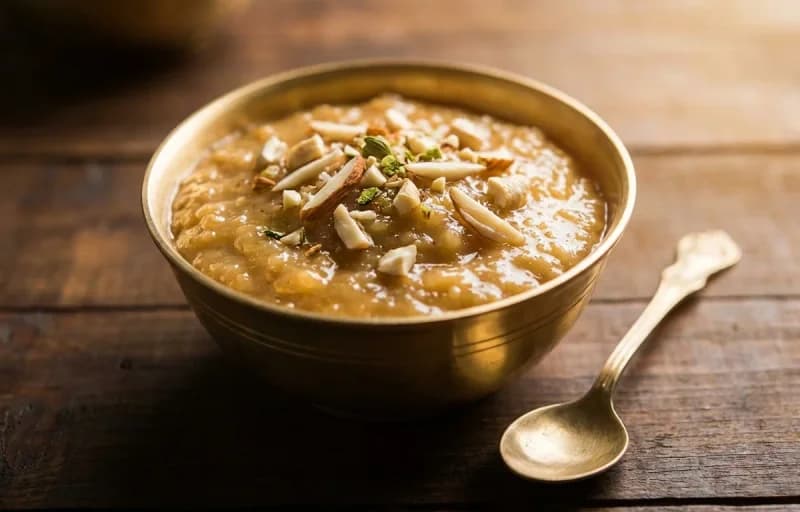
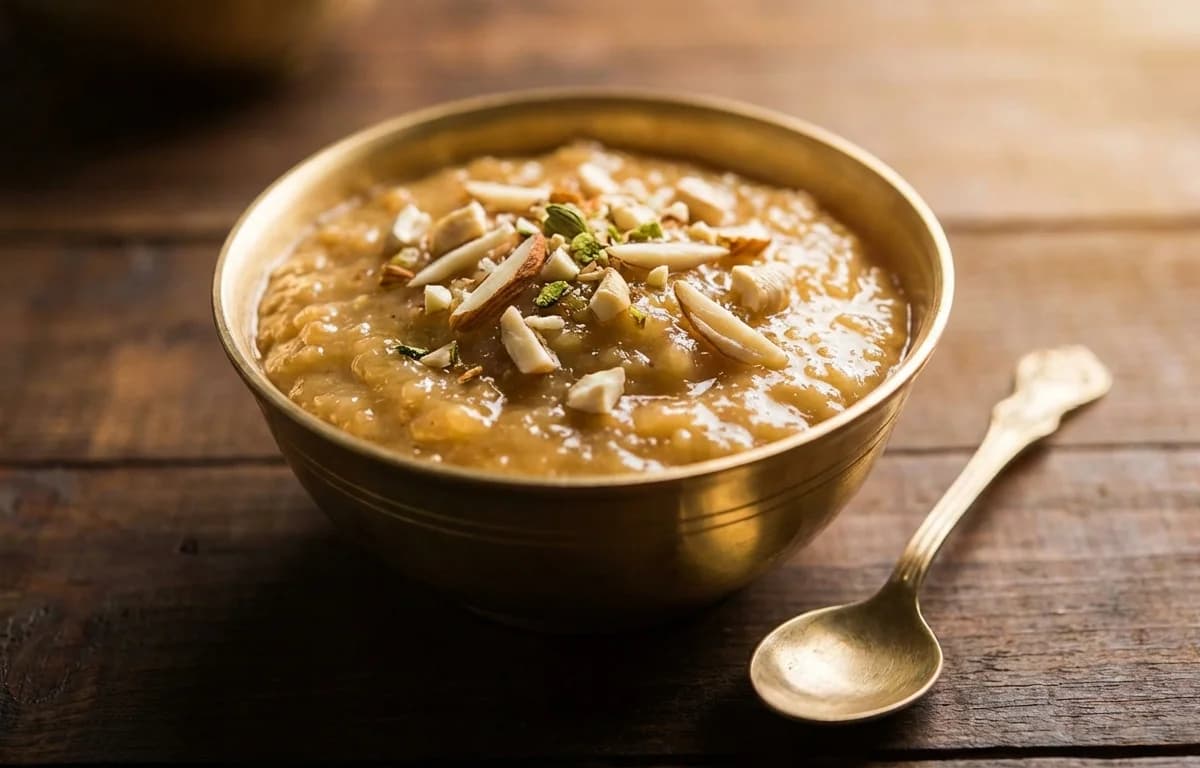
A traditional sweet rice pudding from Bihar, slow-cooked with fragrant rice, rich jaggery, and creamy milk. This comforting dessert, flavored with cardamom, is a festive favorite.
Prep15 min
Cook45 min
Soak30 min
Servings4
Serving size: 1 serving
515cal
11gprotein
82gcarbs
Ingredients
0.5 cup Gobindobhog Rice (Or any short-grain aromatic rice)
1 cup Jaggery (Grated or powdered)
4 cup Full-Fat Milk
1.25 cup Water (Divided use: 1 cup for rice, 1/4 cup for jaggery)
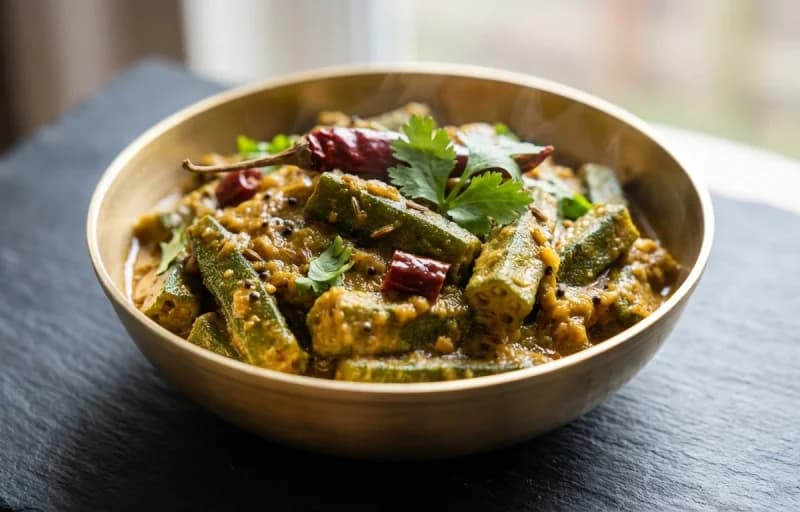
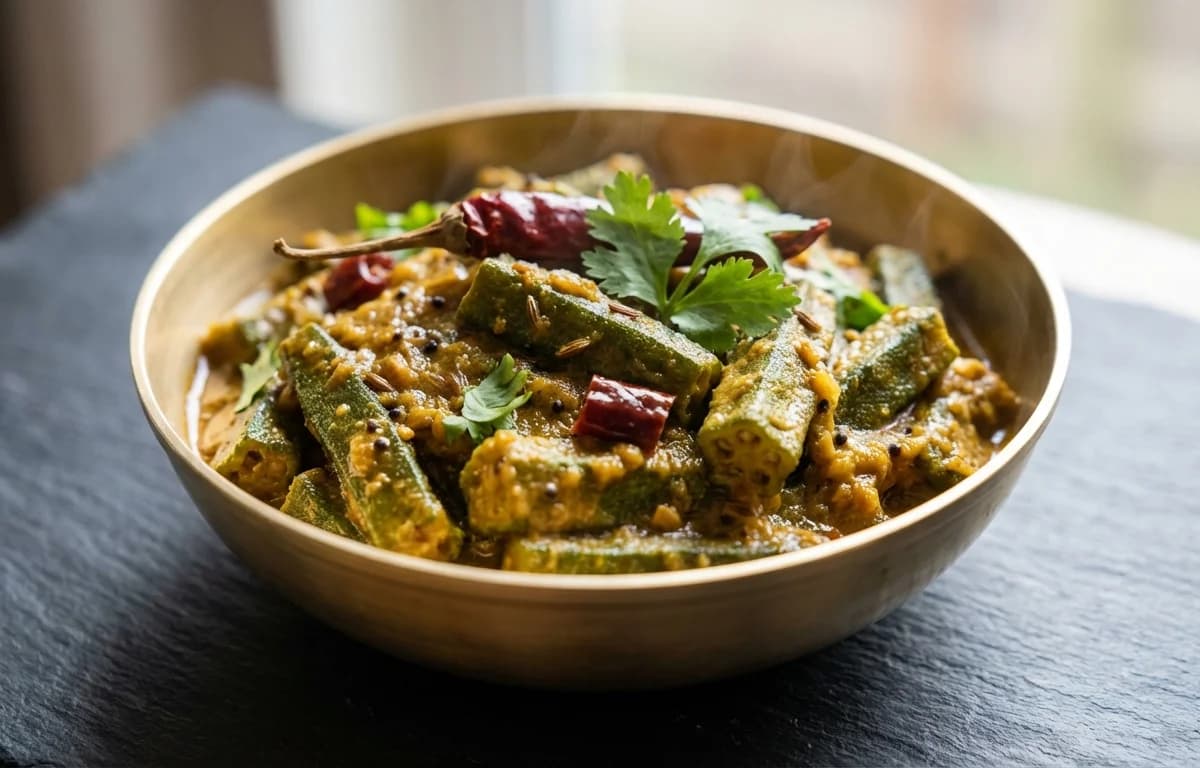
A classic Odia dish where tender okra is cooked in a pungent, tangy mustard and garlic paste. This flavorful side dish, known as Bhendi Besara, comes together quickly and pairs perfectly with steamed rice and dal.
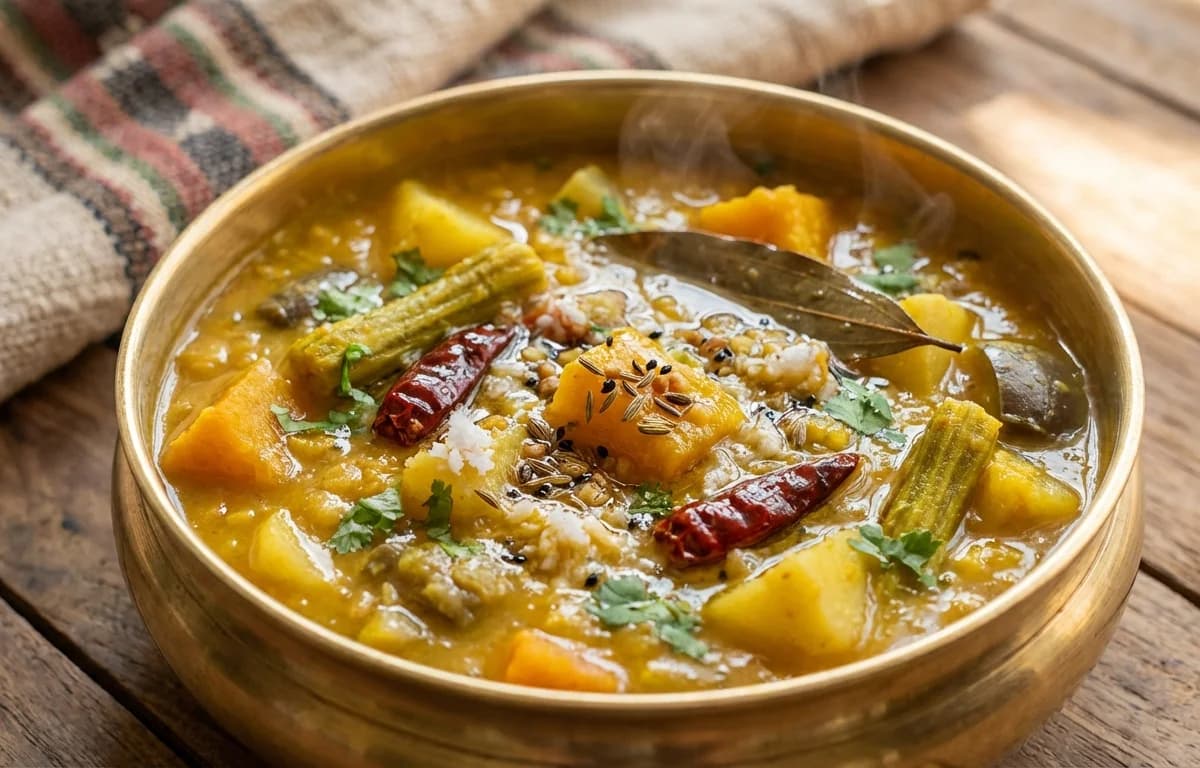
A comforting one-pot lentil and vegetable stew from Odisha. This wholesome dish combines toor dal with a medley of vegetables, seasoned with a unique five-spice tempering and a hint of roasted coconut.
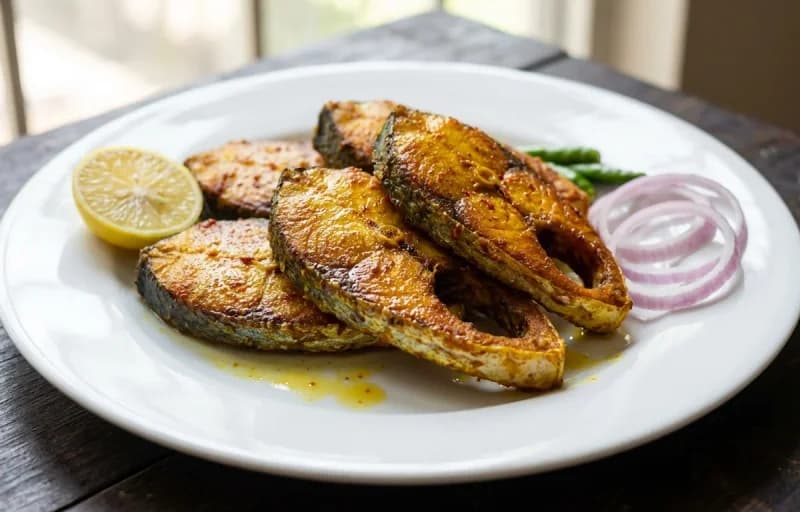
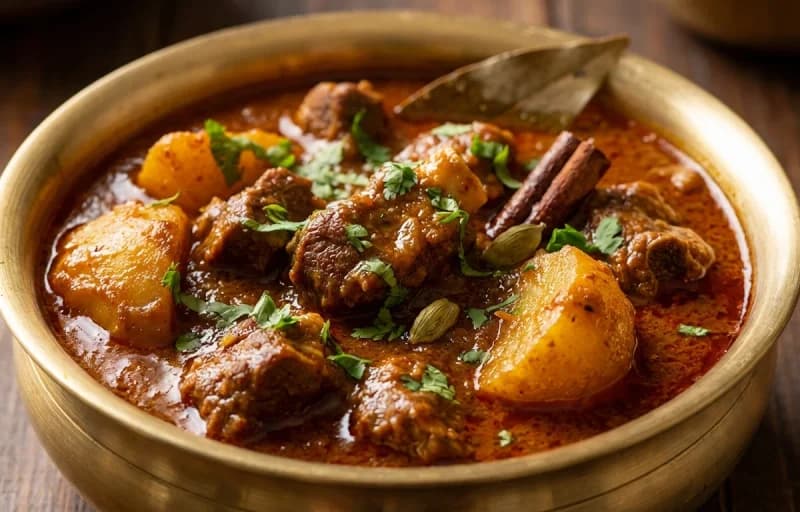
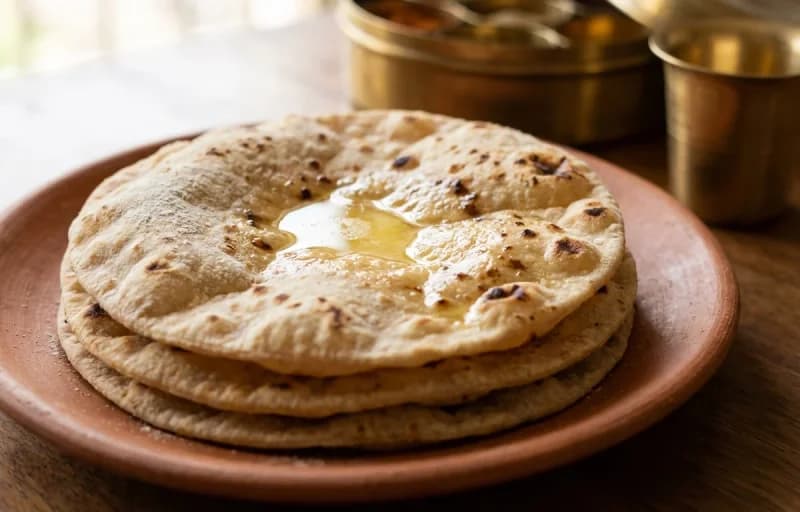
Energy-giving Arna with tangy Bhendi Besara & wholesome Dali. A flavorful, gut-friendly combo!
This odia dish is perfect for dinner. With 1021.28 calories and 28.46g of protein per serving, it's a nutritious choice for your meal plan.
17gfat
Rinse the Gobindobhog rice under cold water until the water runs clear.
Soak the rice in fresh water for 30 minutes. After soaking, drain all the water completely and set aside.
2
Cook the Rice
In a heavy-bottomed pot or pan, combine the drained rice and 1 cup of water.
Bring the water to a boil over medium heat. Once boiling, reduce the heat to low, cover the pot, and let it cook for 10-12 minutes, or until the rice is soft and has absorbed all the water.
Gently mash the cooked rice with the back of a spoon or a masher to break it down slightly. This helps create a creamier texture.
3
Make the Jaggery Syrup
While the rice is cooking, combine the grated jaggery and 1/4 cup of water in a small saucepan.
Heat over low-medium heat, stirring continuously until the jaggery has completely dissolved into a smooth syrup.
Turn off the heat and strain the syrup through a fine-mesh sieve to remove any impurities. Set aside to cool down to a lukewarm temperature.
4
Simmer with Milk
Pour the 4 cups of full-fat milk into the pot with the mashed rice.
Bring the mixture to a gentle simmer over medium-low heat, stirring frequently to prevent the milk from scorching at the bottom.
Continue to simmer for 15-20 minutes, stirring occasionally, until the milk has thickened and the mixture is creamy.
5
Combine Jaggery and Milk (Crucial Step)
Remove the thickened rice-milk mixture from the heat and let it cool for 5-7 minutes. It should be warm, not piping hot.
Ensure the jaggery syrup has also cooled to lukewarm. This temperature synchronization is key to preventing the milk from curdling.
Slowly pour the lukewarm jaggery syrup into the warm rice-milk mixture, stirring continuously until fully incorporated.
6
Finish and Thicken
Return the pot to very low heat. Add the ghee and the crushed green cardamom pods.
Stir well to combine and let it simmer gently for another 5 minutes, allowing the flavors to meld and the arna to reach its final, thick consistency.
Turn off the heat. The arna will continue to thicken as it cools.
7
Garnish and Serve
Transfer the Bihari Arna to serving bowls.
Garnish with slivered almonds and chopped cashews.
Serve warm or chilled according to your preference.
4
Serving size: 1 serving
192cal
5gprotein
17gcarbs
13gfat
Ingredients
500 g Okra (Washed, patted completely dry, and cut into 1-inch pieces)
1.5 tbsp Yellow Mustard Seeds
0.5 tbsp Black Mustard Seeds
1 tsp Cumin Seeds
6 cloves Garlic Cloves (Peeled)
2 pcs Green Chilies (Adjust to your spice preference)
1 large Tomato (Finely chopped)
3 tbsp Mustard Oil (Divided for frying and tempering)
1 tsp Panch Phoran (A five-spice blend of mustard, cumin, fenugreek, nigella, and fennel seeds)
2 pcs Dried Red Chilies (Broken in half)
0.5 tsp Turmeric Powder
1 tsp Salt (Or to taste)
0.5 cup Water (Divided for grinding the paste and for the gravy)
2 tbsp Coriander Leaves (Freshly chopped, for garnish)
Instructions
1
Prepare the Besara (Mustard) Paste
In a small bowl, soak the yellow mustard seeds, black mustard seeds, and cumin seeds in 1/4 cup of warm water for at least 15-20 minutes. This helps in grinding them to a smooth paste.
Transfer the soaked seeds along with the water to a grinder jar. Add the peeled garlic cloves and green chilies.
Grind to a very smooth paste. If needed, add another tablespoon of water to facilitate grinding. Set this 'besara' paste aside.
2
Shallow-Fry the Okra
Heat 2 tablespoons of mustard oil in a wide pan or kadai over medium-high heat until it's slightly smoking.
Carefully add the cut okra to the hot oil. Sauté, stirring occasionally, for about 8-10 minutes until the okra is tender-crisp and the sliminess has disappeared. The edges should be lightly browned.
Remove the fried okra from the pan and set it aside on a plate.
3
Cook the Masala
In the same pan, add the remaining 1 tablespoon of mustard oil and heat it over medium flame.
Once hot, add the panch phoran and the broken dried red chilies. Allow them to crackle for about 30 seconds until fragrant.
Rinse the toor dal thoroughly under running water until the water runs clear.
Soak the dal in sufficient water for 30 minutes, then drain completely.
Wash and chop all the vegetables (pumpkin, potato, raw banana, brinjal) into 1-inch cubes.
2
Pressure Cook the Dalma
In a pressure cooker, combine the drained dal, all chopped vegetables, chopped tomato, grated ginger, turmeric powder, and salt.
Pour in 4 cups of fresh water and give it a good stir.
Secure the lid and pressure cook on medium heat for 3-4 whistles, or for about 15 minutes, until the dal is completely soft.
Allow the pressure to release naturally before opening the cooker.
3
Prepare Garnish and Tempering (Chhunka)
While the dal is cooking, place the grated coconut in a small, dry pan. Roast over low heat for 2-3 minutes until it's lightly golden and aromatic. Set aside.
In the same pan or a separate tadka pan, heat the ghee over medium heat.
Add the finely chopped tomato and cook for 4-5 minutes, stirring until it becomes soft and mushy.
Lower the heat, then add the prepared besara paste, turmeric powder, and salt. Sauté for just 2-3 minutes until the raw smell of the mustard and garlic is gone. Do not overcook, as this will make the paste bitter.
4
Combine and Finish
Return the fried okra to the pan with the masala.
Add the remaining 1/4 cup of water and gently mix everything together, ensuring the okra is well-coated with the paste.
Cover the pan and let it simmer on low heat for 3-4 minutes. This allows the okra to absorb all the pungent and tangy flavors of the besara.
Turn off the heat, garnish with freshly chopped coriander leaves, and give it a final gentle stir.
5
Serve
Let the Bhendi Besara rest for 5 minutes before serving. It tastes best served hot with steamed rice and dal, like Dalma.
Add the bay leaf and dried red chillies. Sauté for 30 seconds.
Add the pancha phutana and allow the seeds to crackle and splutter, which should take about 30-45 seconds.
Finally, add the hing, give it a quick stir for 5 seconds, and immediately turn off the heat to prevent it from burning.
4
Combine and Finish
Open the pressure cooker. Using the back of a ladle, gently mash some of the dal and vegetables against the side of the pot to create a creamy, cohesive texture.
Pour the hot tempering (chhunka) over the cooked dalma.
Add the roasted coconut and freshly chopped coriander leaves.
Stir everything together well. Place the cooker back on low heat and let the dalma simmer for 2-3 minutes to allow the flavors to meld beautifully.
Check for seasoning and add more salt if needed. Serve hot with steamed rice.