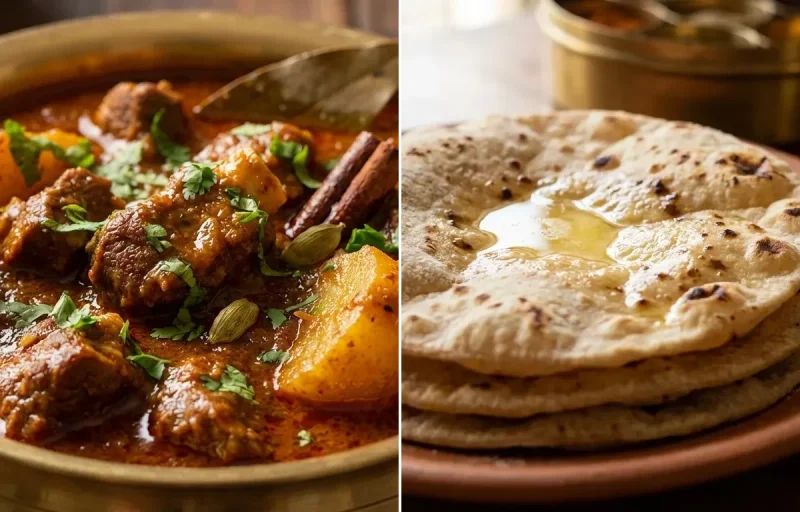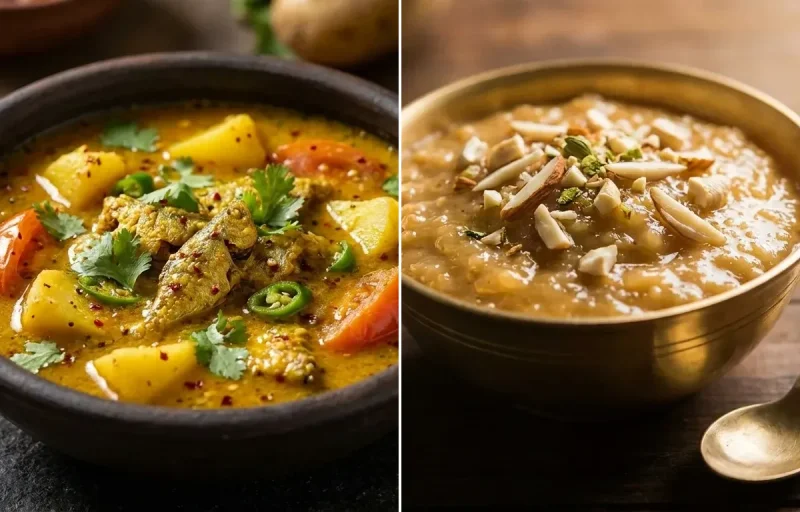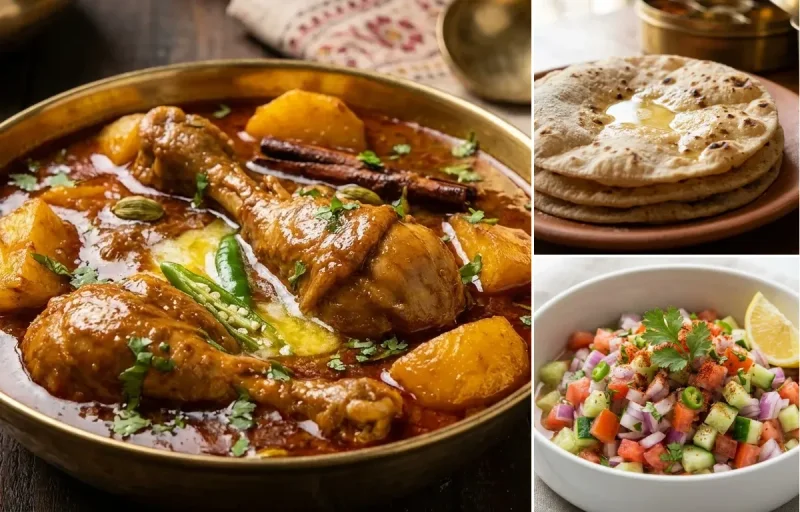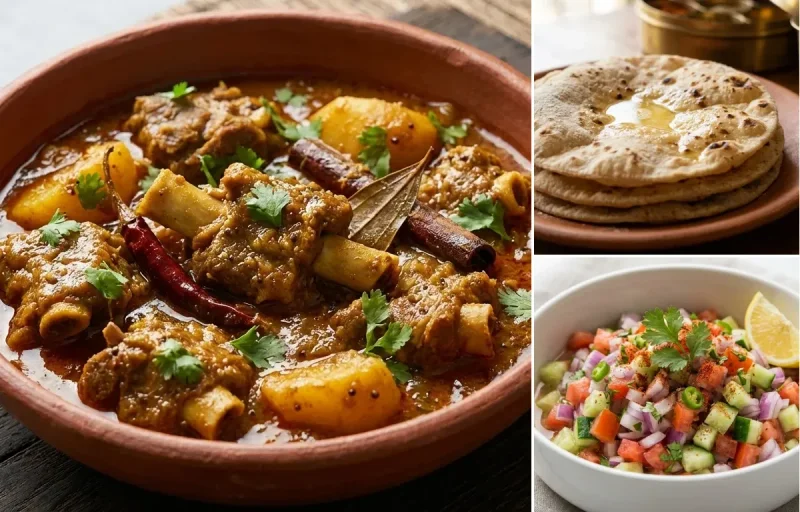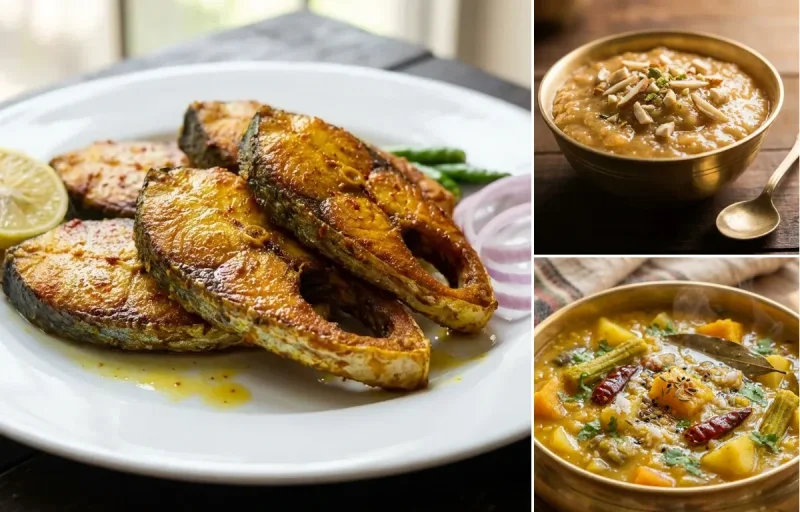
A rustic and aromatic goat meat curry from Odisha, slow-cooked with potatoes in a thin, flavorful gravy. This comforting dish, rich with whole spices and mustard oil, is a staple in Odia households and perfect with steamed rice.
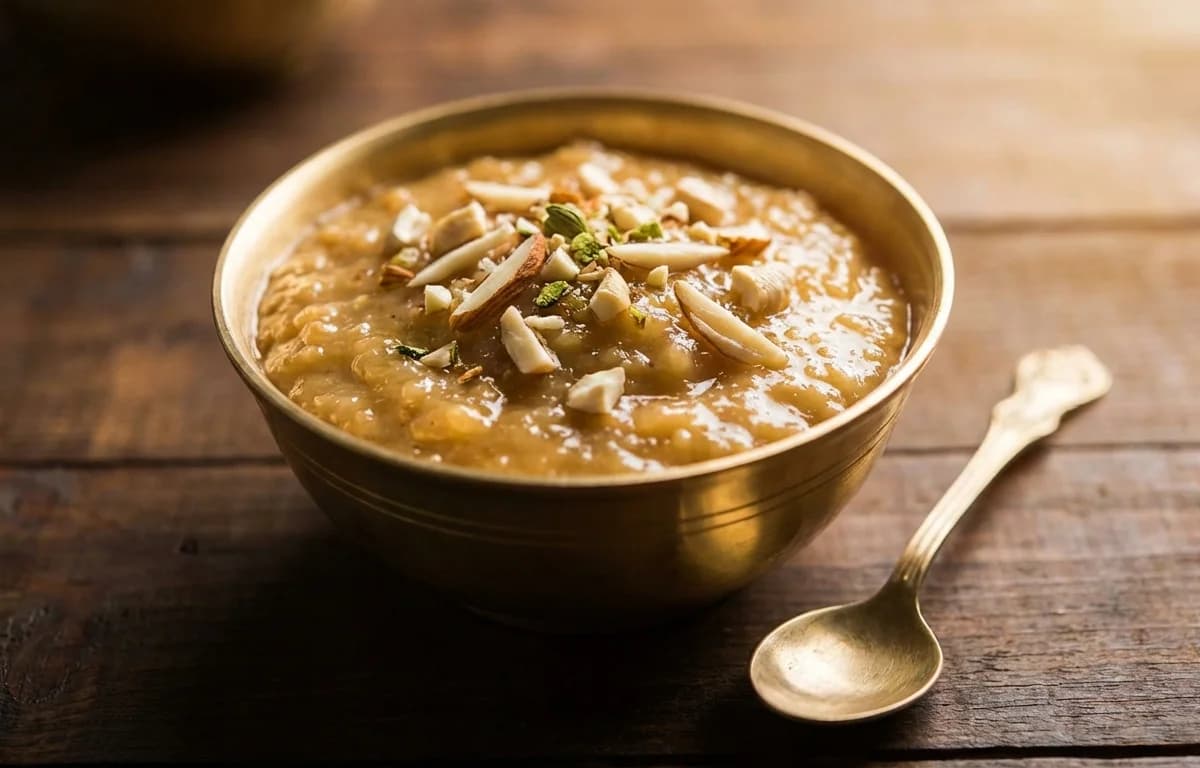
A traditional sweet rice pudding from Bihar, slow-cooked with fragrant rice, rich jaggery, and creamy milk. This comforting dessert, flavored with cardamom, is a festive favorite.
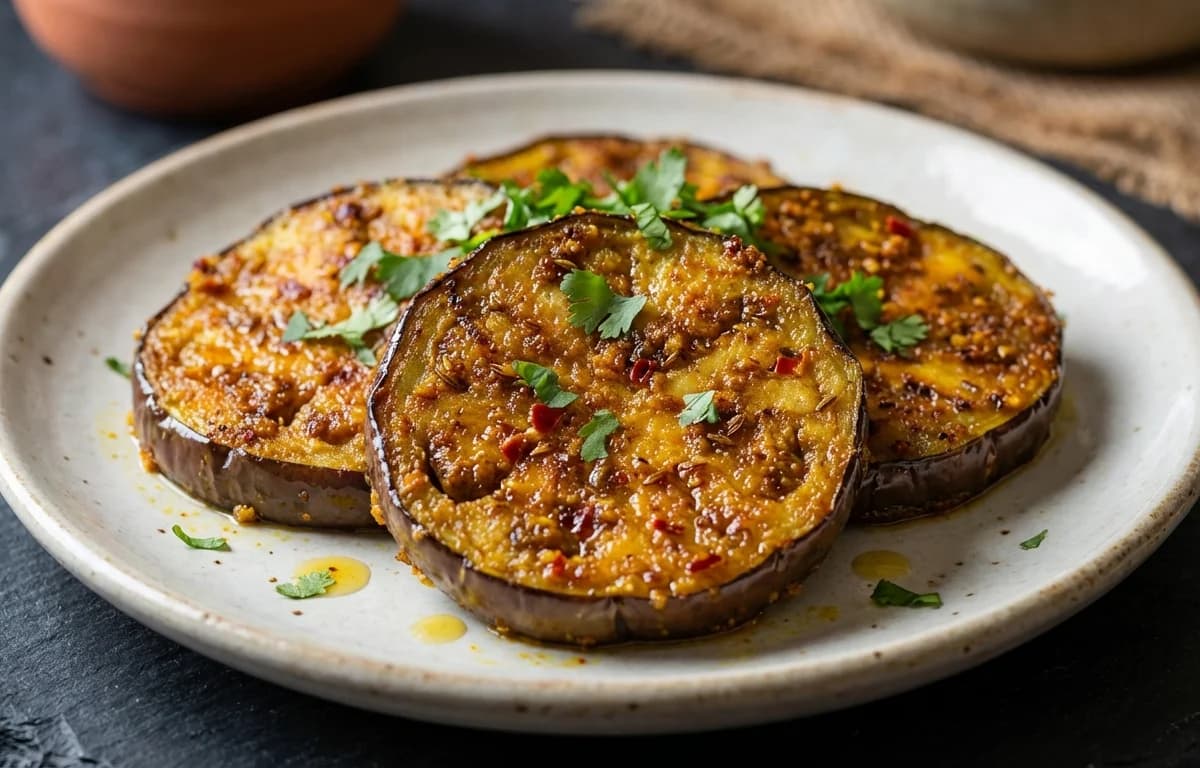
Crispy, pan-fried eggplant slices coated in a simple spice mix. This classic Odia side dish is quick to make and pairs wonderfully with dal and rice for a comforting meal.
About Khasi Mansa Jhola, Bihari Arna and Baigana Bhaja
Aromatic Khasi Mansa Jhola with crispy Baigana Bhaja & Arna – a perfectly spiced, soul-satisfying feast!
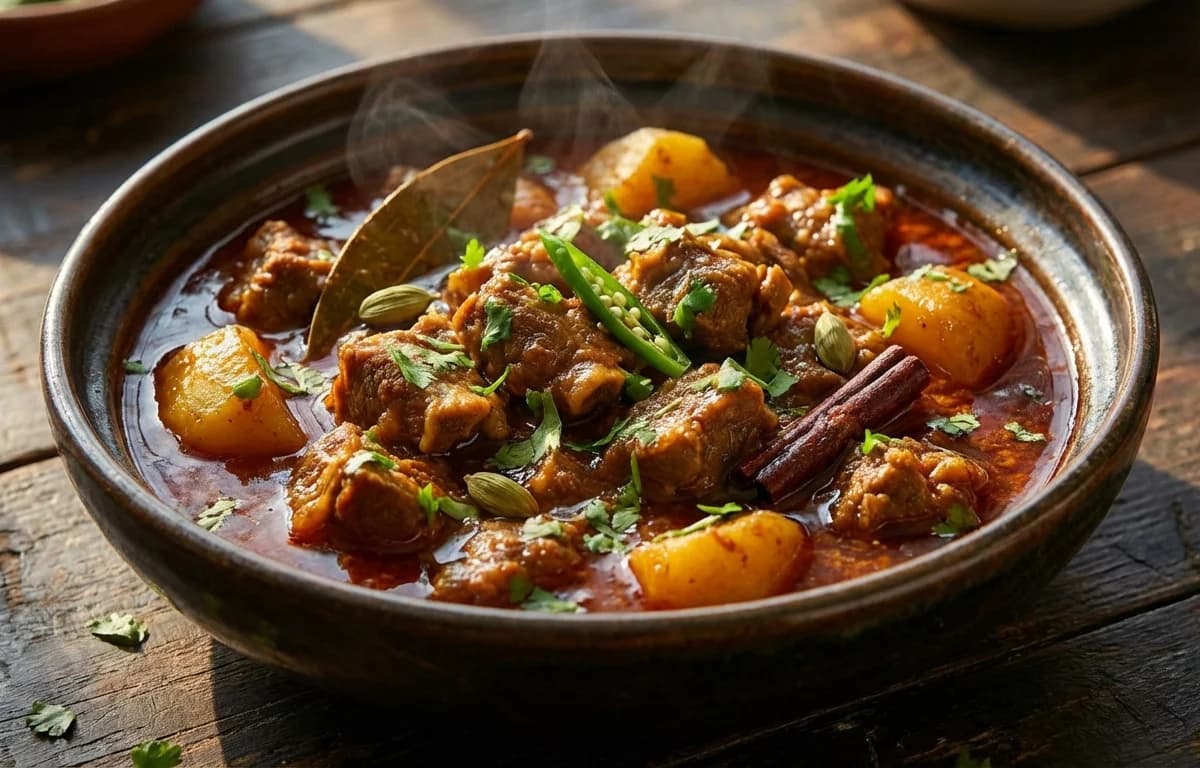
This odia dish is perfect for dinner. With 1035.92 calories and 49.99g of protein per serving, it's a nutritious choice for your meal plan.
fat
Clove
1 tsp Turmeric Powder
1.5 tsp Red Chili Powder (adjust to taste)
2 tsp Coriander Powder
1 tsp Cumin Powder
1 tsp Garam Masala Powder
2 pcs Green Chili (slit lengthwise)
1.5 tsp Salt (to taste)
3 cup Water (hot)
3 tbsp Coriander Leaves (chopped, for garnish)
Instructions
1
Marinate the Mutton
Wash the mutton pieces thoroughly. Pat them dry with a paper towel.
In a large bowl, combine the mutton pieces with 1/2 tsp of turmeric powder, 1 tbsp of ginger-garlic paste, and 1 tsp of mustard oil (taken from the total quantity).
Mix well to coat the mutton evenly. Set aside to marinate for at least 20 minutes at room temperature.
2
Prepare the Curry Base
Heat the remaining mustard oil in a pressure cooker over medium-high heat until it is very hot and slightly smoking. This removes the raw pungency of the oil.
Reduce the heat to medium. Add the bay leaves, cinnamon stick, green cardamoms, and cloves. Sauté for about 30 seconds until they become fragrant.
Add the sliced onions and a pinch of salt. Fry for 10-12 minutes, stirring frequently, until the onions are deep golden brown and caramelized. This step is crucial for the color and flavor of the gravy.
3
Cook the Masala
Add the remaining 1 tbsp of ginger-garlic paste and sauté for 1-2 minutes until the raw aroma disappears.
Lower the heat, then add the remaining 1/2 tsp turmeric powder, red chili powder, coriander powder, and cumin powder. Stir for 30 seconds. If the spices stick, add a splash of water.
Add the chopped tomatoes and slit green chilies. Cook for 6-8 minutes, stirring occasionally, until the tomatoes break down completely and oil begins to separate from the masala.
4
Sear the Mutton (Kasa)
Add the marinated mutton pieces to the cooker. Increase the heat to medium-high.
Sauté the mutton for 8-10 minutes, stirring continuously. This process, known as 'kasa' in Odia, is essential for developing a deep, rich flavor. Continue until the mutton is well-seared and has released its own juices.
Add the potato quarters and the remaining salt. Mix well and continue to sauté for another 2-3 minutes, ensuring the potatoes are well-coated with the masala.
5
Pressure Cook the Curry
Pour in 3 cups of hot water and stir well, scraping the bottom of the cooker to deglaze any bits stuck to it.
Secure the lid of the pressure cooker. Bring to high heat and cook for 1 whistle.
Reduce the heat to medium-low and cook for another 20-25 minutes (or about 5-6 whistles). The cooking time may vary depending on the tenderness of the mutton.
Turn off the heat and allow the pressure to release naturally. Do not force open the lid.
6
Finish and Serve
Once the pressure has subsided, carefully open the lid. Check if the mutton is tender. If not, pressure cook for another 1-2 whistles.
Sprinkle the garam masala powder and chopped coriander leaves over the curry.
Gently stir and let the curry simmer without the lid for 2-3 minutes to allow the flavors to meld.
Let the Khasi Mansa Jhola rest for at least 15 minutes before serving. This enhances the flavor. Serve hot with steamed rice.
4
Serving size: 1 serving
515cal
11gprotein
82gcarbs
17gfat
Ingredients
0.5 cup Gobindobhog Rice (Or any short-grain aromatic rice)
1 cup Jaggery (Grated or powdered)
4 cup Full-Fat Milk
1.25 cup Water (Divided use: 1 cup for rice, 1/4 cup for jaggery)
2 tbsp Ghee
4 pods Green Cardamom Pods (Lightly crushed)
1 tbsp Almonds (Slivered, for garnish)
1 tbsp Cashews (Chopped, for garnish)
Instructions
1
Prepare the Rice
Rinse the Gobindobhog rice under cold water until the water runs clear.
Soak the rice in fresh water for 30 minutes. After soaking, drain all the water completely and set aside.
2
Cook the Rice
In a heavy-bottomed pot or pan, combine the drained rice and 1 cup of water.
Bring the water to a boil over medium heat. Once boiling, reduce the heat to low, cover the pot, and let it cook for 10-12 minutes, or until the rice is soft and has absorbed all the water.
Gently mash the cooked rice with the back of a spoon or a masher to break it down slightly. This helps create a creamier texture.
3
Make the Jaggery Syrup
While the rice is cooking, combine the grated jaggery and 1/4 cup of water in a small saucepan.
Heat over low-medium heat, stirring continuously until the jaggery has completely dissolved into a smooth syrup.
Turn off the heat and strain the syrup through a fine-mesh sieve to remove any impurities. Set aside to cool down to a lukewarm temperature.
4
Simmer with Milk
Pour the 4 cups of full-fat milk into the pot with the mashed rice.
Bring the mixture to a gentle simmer over medium-low heat, stirring frequently to prevent the milk from scorching at the bottom.
Continue to simmer for 15-20 minutes, stirring occasionally, until the milk has thickened and the mixture is creamy.
5
Combine Jaggery and Milk (Crucial Step)
Remove the thickened rice-milk mixture from the heat and let it cool for 5-7 minutes. It should be warm, not piping hot.
Ensure the jaggery syrup has also cooled to lukewarm. This temperature synchronization is key to preventing the milk from curdling.
Slowly pour the lukewarm jaggery syrup into the warm rice-milk mixture, stirring continuously until fully incorporated.
6
Finish and Thicken
Return the pot to very low heat. Add the ghee and the crushed green cardamom pods.
Stir well to combine and let it simmer gently for another 5 minutes, allowing the flavors to meld and the arna to reach its final, thick consistency.
Turn off the heat. The arna will continue to thicken as it cools.
7
Garnish and Serve
Transfer the Bihari Arna to serving bowls.
Garnish with slivered almonds and chopped cashews.
Serve warm or chilled according to your preference.
1 large Eggplant (about 450g, also known as Baigana)
2 tbsp Rice Flour
0.5 tsp Turmeric Powder
1 tsp Red Chili Powder (adjust to your spice preference)
0.5 tsp Cumin Powder
0.75 tsp Salt (or to taste)
0.25 cup Mustard Oil (for shallow frying)
Instructions
1
Prepare the Eggplant
Wash the eggplant thoroughly. Trim the stalk and slice it into roundels about 1/4-inch (0.6 cm) thick. You should get about 12-14 slices.
Optional but recommended: Place the slices in a bowl of water with a teaspoon of salt for 10 minutes. This prevents browning and helps reduce oil absorption.
Drain the slices and pat them completely dry with a clean kitchen towel. This step is crucial for achieving a crispy texture.
2
Coat the Slices
In a wide, shallow dish or plate, combine the rice flour, turmeric powder, red chili powder, cumin powder, and salt. Mix well.
Take one eggplant slice at a time and press it firmly into the spice mixture, ensuring it is evenly coated on both sides and the edges.
Set the coated slices aside on a plate for 5-10 minutes. This allows the masala to adhere well to the eggplant.
3
Shallow Fry
Heat the mustard oil in a wide, heavy-bottomed skillet or tawa over medium heat. The oil should be hot enough that a pinch of the spice mix sizzles immediately, but it should not be smoking.
Carefully arrange the coated eggplant slices in a single layer in the pan. Do not overcrowd; fry in batches if necessary.
Fry for 3-4 minutes on the first side, or until the bottom is golden brown and crisp.
Flip the slices gently with a spatula and fry for another 3-4 minutes on the other side until tender, golden, and crispy.
Once cooked, transfer the fried slices to a plate lined with paper towels to drain any excess oil.
4
Serve
Serve Baigana Bhaja immediately while it's hot and crispy. It pairs perfectly with steamed rice and dal, especially Odia Dalma.