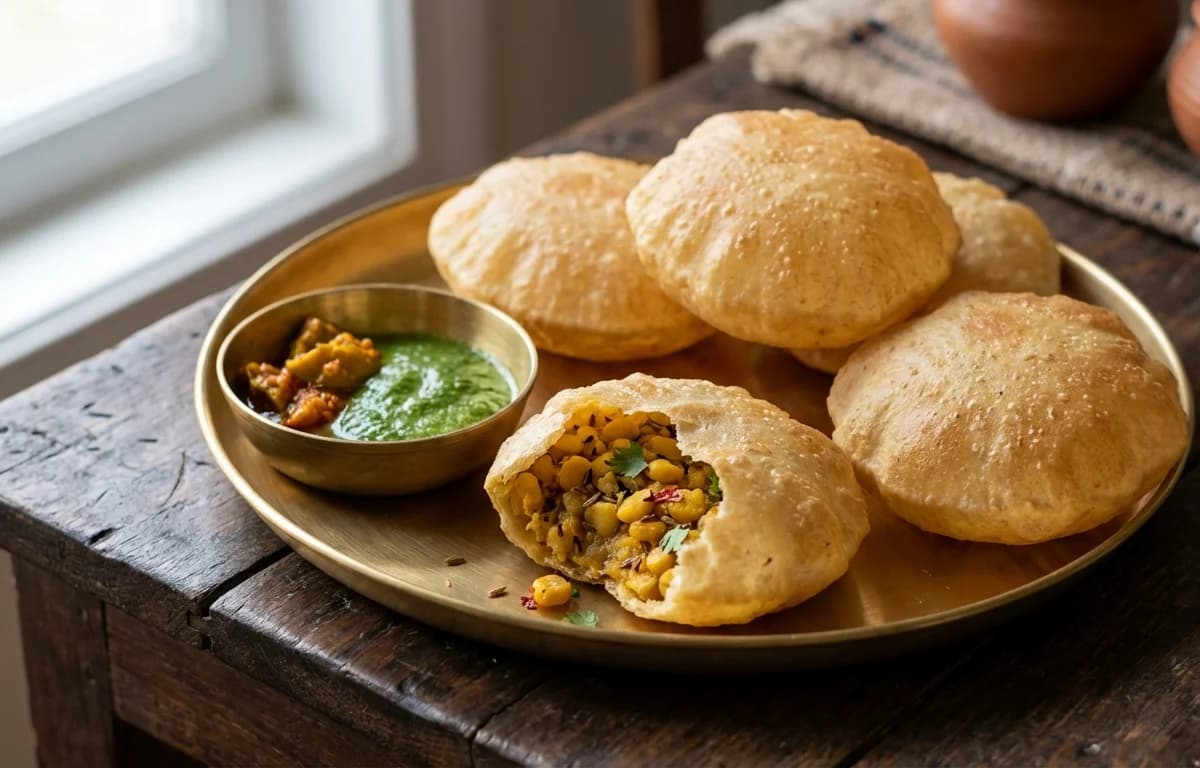
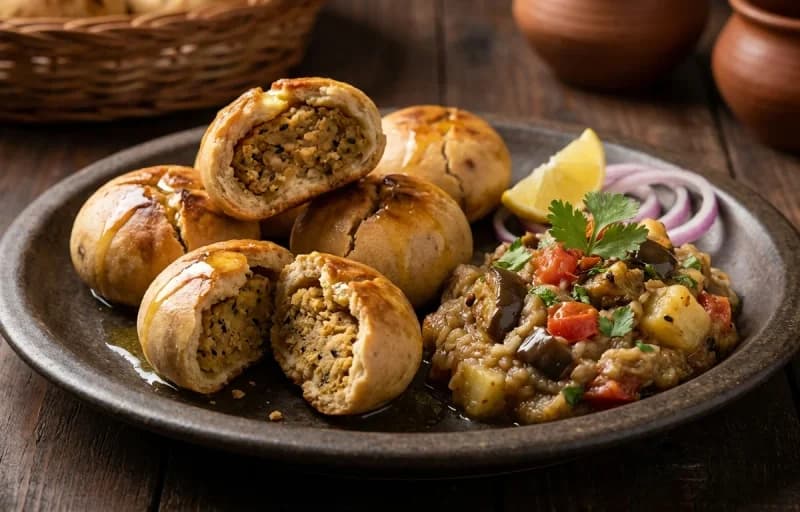
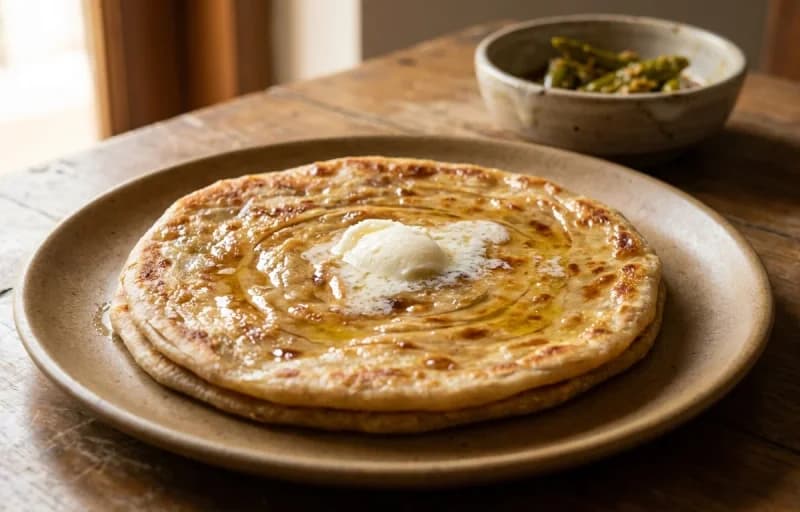
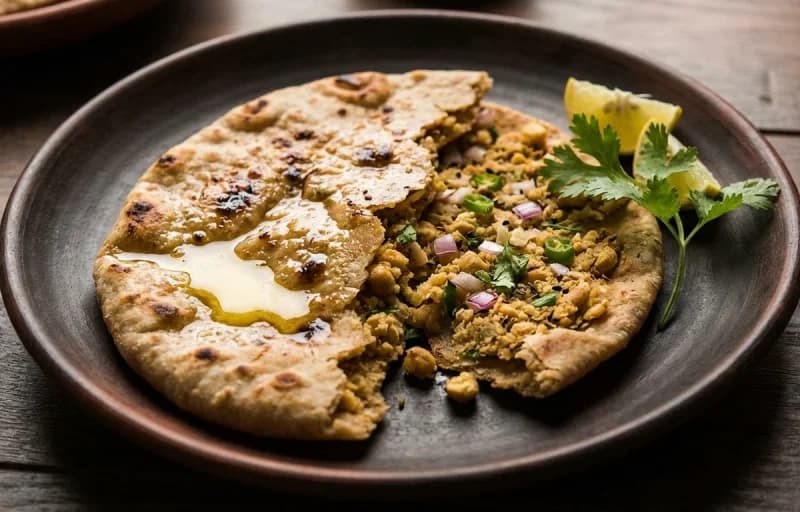
A classic North Indian treat! These are crispy, puffed-up whole wheat breads stuffed with a savory, spiced filling of chana dal. Perfect for festive meals or a special weekend brunch, often served with kheer or a simple potato curry.
Prep20 min
Cook40 min
Soak180 min
Servings4
Serving size: 1 serving
572cal
18gprotein
76gcarbs
Ingredients
2 cup Atta
2 tbsp Ghee (1 tbsp for dough, 1 tbsp for filling)
1.5 tsp Salt (0.5 tsp for dough, 1 tsp for filling)
1 cup Water (for kneading, use as needed)
1 cup Chana Dal (rinsed and soaked for at least 3 hours)
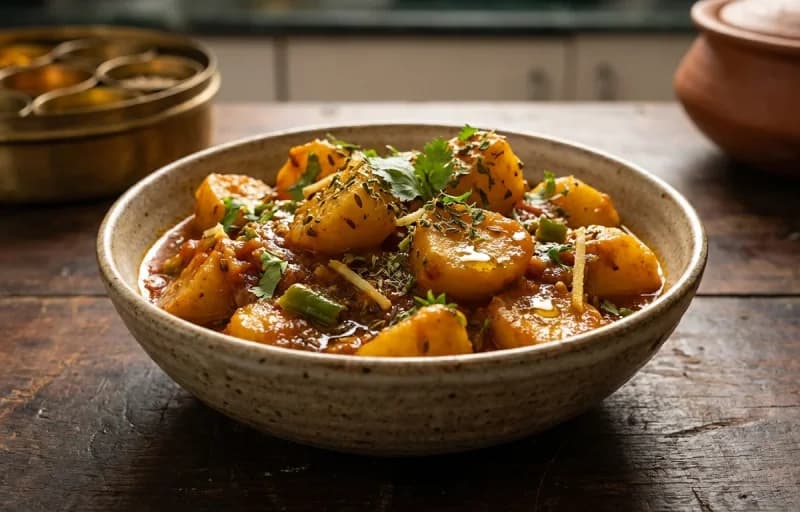
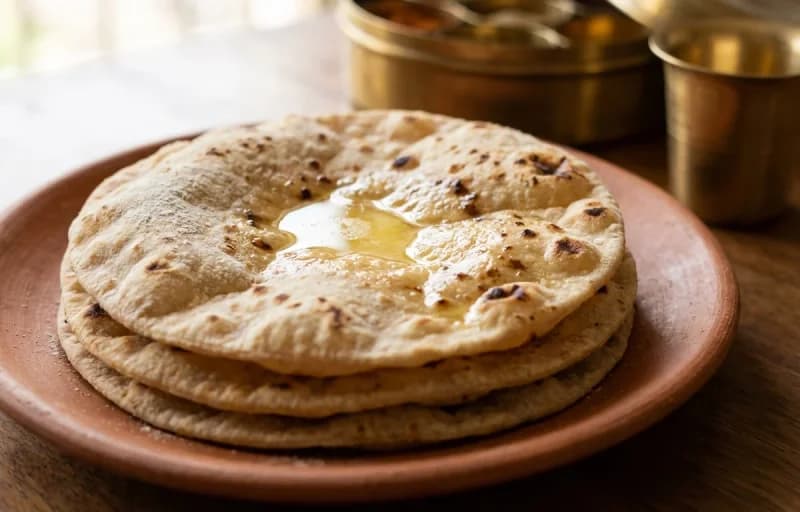
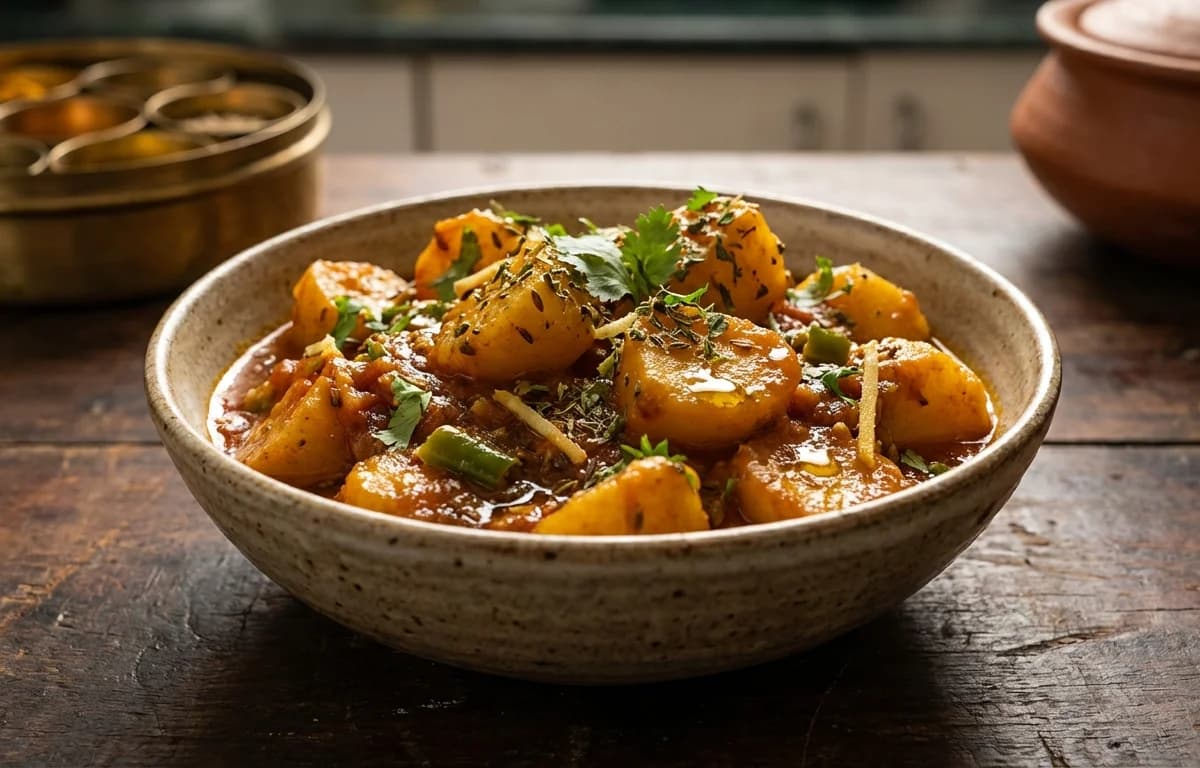
A simple yet flavorful potato and tomato curry, perfect for a comforting weeknight meal. This North Indian staple is quick to make and pairs beautifully with hot puris or rotis. A true taste of home-style cooking.
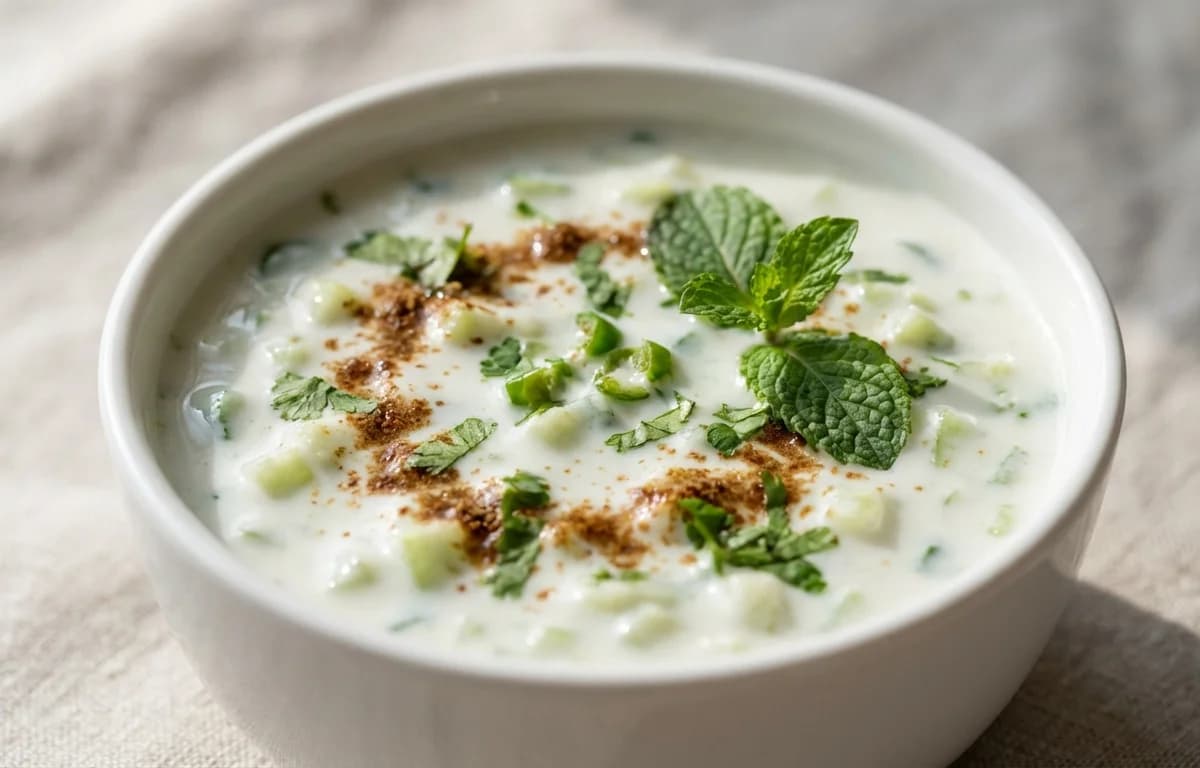
A refreshing and cooling yogurt dip made with grated cucumber, fresh herbs, and mild spices. This classic Indian side dish is the perfect accompaniment to spicy curries, biryanis, and pulaos, ready in just 10 minutes.
About Dal Puri, Aloo Tamatar Sabzi and Cucumber Raita
Crispy dal puris with tangy aloo tamatar sabzi and cooling raita – a delightful comfort food meal!
This bihari dish is perfect for dinner. With 863.1500000000001 calories and 27.05g of protein per serving, it's a nutritious choice for your meal plan.
Dal Puri Aloo Sabzi Recipe - North Indian Dinner | CraftMyMeals
24gfat
0.5 tsp
Garam Masala
1 tsp Saunf (coarsely crushed)
0.25 tsp Hing
1 inch Ginger (peeled and grated)
2 Green Chili (finely chopped)
2 cup Vegetable Oil (for deep frying)
Instructions
1
Cook the Dal (Approx. 15 minutes)
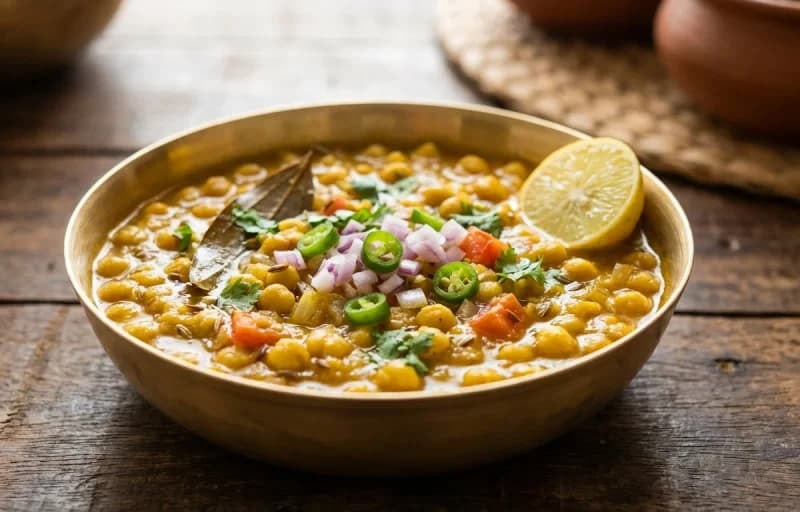
Drain the soaked chana dal. In a pressure cooker, combine the dal, 1.5 cups of fresh water, 0.25 tsp turmeric powder, and a pinch of salt.
Pressure cook on medium heat for 2-3 whistles, or until the dal is cooked but still holds its shape. It should not be mushy.
Once the pressure releases naturally, open the cooker. Drain any excess water completely using a colander. Let the dal cool down.
Transfer the cooled dal to a grinder and pulse a few times to get a coarse, dry paste. Do not add any water.
2
Prepare the Dough (Approx. 10 minutes + 20 minutes rest)
In a large mixing bowl, combine the atta, 1 tbsp ghee, and 0.5 tsp salt. Rub the ghee into the flour with your fingertips until it resembles breadcrumbs.
Gradually add lukewarm water and knead for 5-7 minutes to form a soft, smooth, and pliable dough. It should be slightly softer than regular chapati dough.
Cover the dough with a damp cloth and let it rest for at least 20-30 minutes.
3
Sauté the Filling (Approx. 7 minutes)
While the dough rests, heat 1 tbsp of ghee in a pan over medium heat. Add the hing and coarsely crushed saunf. Sauté for 30 seconds until aromatic.
Add the grated ginger and chopped green chilies. Sauté for another minute.
Add the ground dal paste to the pan along with the remaining turmeric powder, red chili powder, coriander powder, cumin powder, garam masala, and 1 tsp salt.
Mix everything well and cook for 4-5 minutes, stirring continuously, until the mixture is completely dry and fragrant. Set aside to cool completely.
4
Stuff and Roll the Puris (Approx. 15 minutes)
Knead the rested dough for a minute. Divide it into 16 equal-sized balls.
Divide the cooled dal filling into 16 equal portions and roll them into small balls.
Take one dough ball and flatten it into a 3-inch circle. Place a filling ball in the center.
Gather the edges of the dough around the filling, pleating as you go, and pinch to seal it tightly at the top. Remove any excess dough.
Gently flatten the stuffed ball. Lightly dust it with dry flour and carefully roll it into a 4-5 inch circle. Apply even, gentle pressure to prevent the filling from breaking through.
5
Fry the Puris (Approx. 15 minutes)
Heat the vegetable oil in a kadai or deep pan over medium-high heat. The oil should be hot but not smoking. Test by dropping a tiny piece of dough; it should sizzle and rise to the surface immediately.
Carefully slide a rolled puri into the hot oil. Gently press it down with a slotted spoon to encourage it to puff up.
Once it puffs, flip it over and fry the other side until it's golden brown and crisp, about 30-40 seconds per side.
Remove the puri with the slotted spoon, letting excess oil drip back into the pan. Place it on a wire rack or paper towel-lined plate.
Repeat the process for the remaining puris, frying one or two at a time. Serve hot.
201cal
4gprotein
31gcarbs
8gfat
Ingredients
500 g Potatoes (about 4 medium, boiled, peeled, and roughly crumbled)
250 g Tomatoes (about 3 medium, pureed)
1 large Onion (finely chopped)
1 tbsp Ginger Garlic Paste
2 pcs Green Chili (slit lengthwise)
2 tbsp Vegetable Oil
1 tsp Cumin Seeds
0.25 tsp Hing
0.5 tsp Turmeric Powder
1 tsp Red Chili Powder (adjust to taste)
1.5 tsp Coriander Powder
0.5 tsp Garam Masala
1 tsp Kasuri Methi (crushed)
1.25 tsp Salt (or to taste)
2 cup Water (hot)
2 tbsp Coriander Leaves (chopped, for garnish)
Instructions
1
Heat oil in a kadai or heavy-bottomed pan over medium heat. Once the oil is hot, add the cumin seeds and let them splutter for about 30 seconds. Then, add the hing and stir for a few seconds.
2
Add the finely chopped onion and sauté for 5-6 minutes until it turns soft and translucent. Add the ginger-garlic paste and slit green chilies, and cook for another minute until the raw aroma disappears.
3
Reduce the heat to low. Add the turmeric powder, red chili powder, and coriander powder. Stir continuously for about 30 seconds to prevent the spices from burning.
4
Pour in the tomato puree and mix well. Increase the heat to medium and cook the masala, stirring occasionally, for about 6-8 minutes until it thickens and you see oil separating from the sides.
5
Add the crumbled boiled potatoes and salt. Gently mix to coat the potatoes with the masala. Sauté for 2 minutes, allowing the potatoes to absorb the flavors.
6
Pour in 2 cups of hot water and stir well. Bring the curry to a rolling boil. Once boiling, reduce the heat to low.
7
Cover the pan and let the curry simmer for 8-10 minutes. During this time, use the back of your spoon to gently mash a few potato chunks against the side of the pan. This will naturally thicken the gravy.
2 cup Curd (Thick, plain, and chilled. Greek yogurt or hung curd works well.)
1 medium Cucumber (Peeled and grated. English or Persian cucumbers are preferred.)
1 tsp Roasted Cumin Powder (Freshly ground for best aroma.)
2 tbsp Coriander Leaves (Finely chopped.)
1 tbsp Mint Leaves (Finely chopped.)
0.5 tsp Salt (Adjust to taste.)
0.25 tsp Black Salt (Also known as Kala Namak.)
1 pcs Green Chilli (Finely chopped, deseed for less heat.)
0.25 tsp Sugar (Optional, to balance the tang of the yogurt.)
Instructions
1
Prepare the Cucumber (4 minutes)
Wash, peel, and grate the medium cucumber using a box grater.
Place the grated cucumber in a fine-mesh sieve or a muslin cloth. Press down firmly or squeeze to remove as much water as possible. This is the most crucial step to prevent a watery raita.
Set the squeezed cucumber aside.
2
Prepare the Yogurt Base (2 minutes)
In a medium-sized mixing bowl, add the thick curd (yogurt).
Whisk the curd for about a minute until it is completely smooth and creamy, with no lumps.
Add the roasted cumin powder, salt, black salt, and optional sugar to the whisked yogurt. Mix well to combine the spices evenly.
3
Combine and Chill (4 minutes + chilling time)
Add the squeezed grated cucumber, finely chopped green chilli, coriander leaves, and mint leaves to the spiced yogurt base.
Gently fold all the ingredients together until everything is well incorporated.
Taste and adjust the seasoning if necessary. You may need more salt or a pinch more sugar depending on the sourness of your yogurt.
Turn off the heat. Stir in the garam masala and crushed kasuri methi. Garnish with fresh chopped coriander leaves. Let the sabzi rest for 5 minutes before serving to allow the flavors to meld.
Cover the bowl and refrigerate for at least 20-30 minutes. This allows the flavors to meld together and enhances the cooling effect.
4
Garnish and Serve
Just before serving, give the chilled raita a gentle stir.
Garnish with an extra sprinkle of roasted cumin powder and a few fresh mint or coriander leaves.
Serve chilled as a side dish with biryani, pulao, kebabs, or any spicy Indian meal.