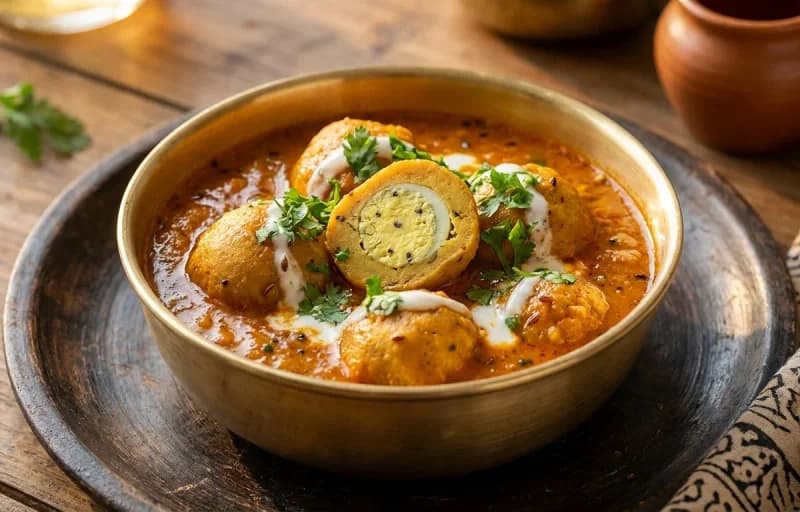
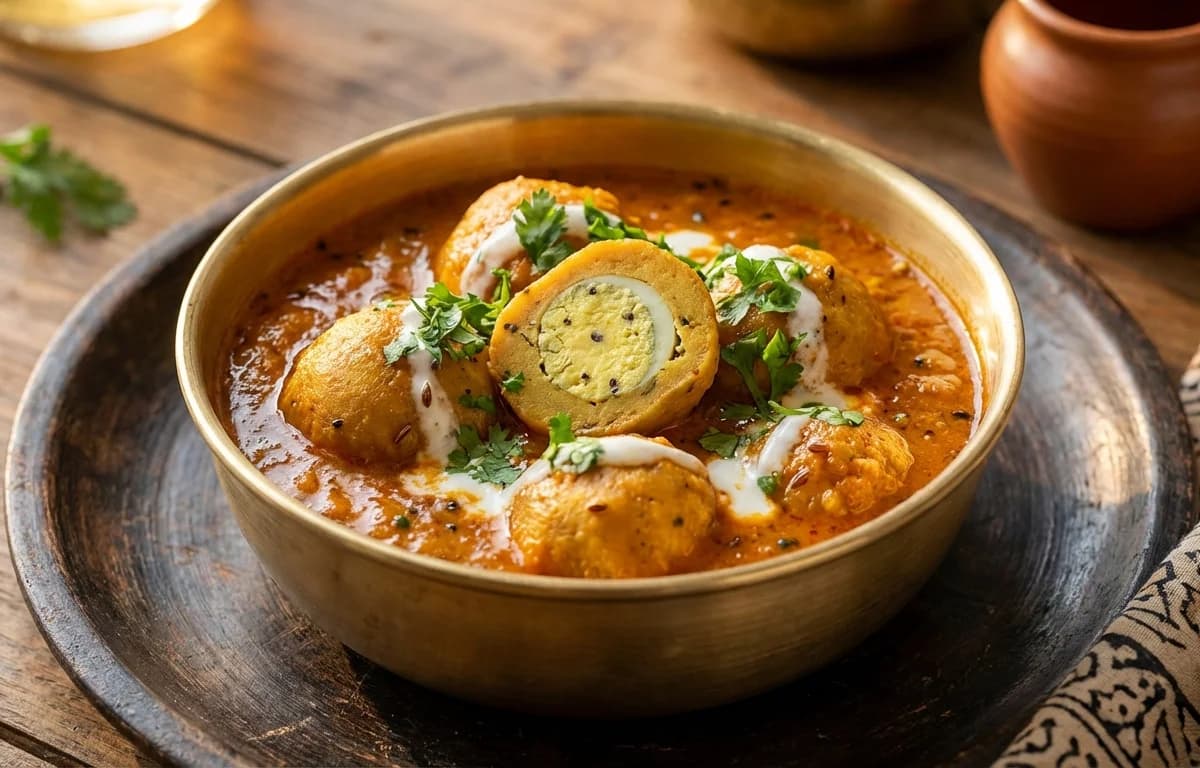
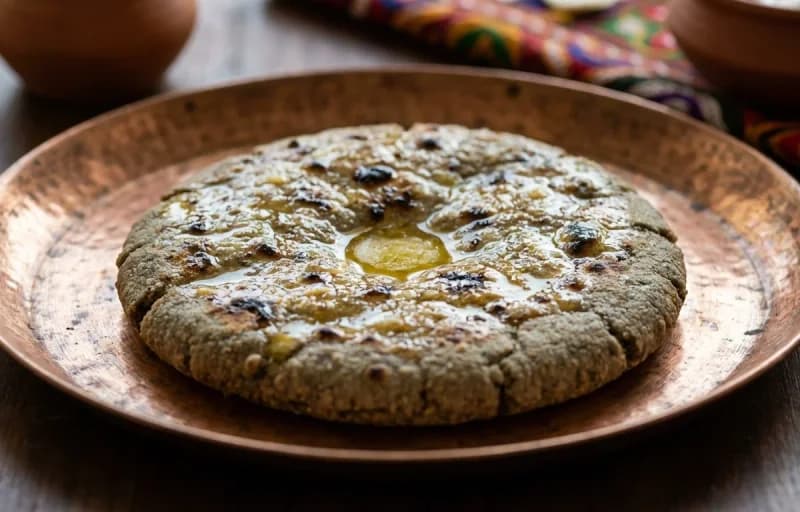
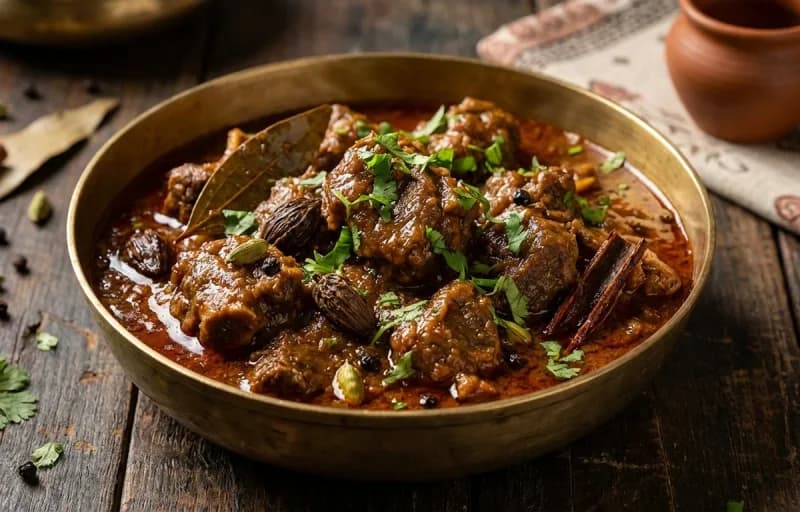
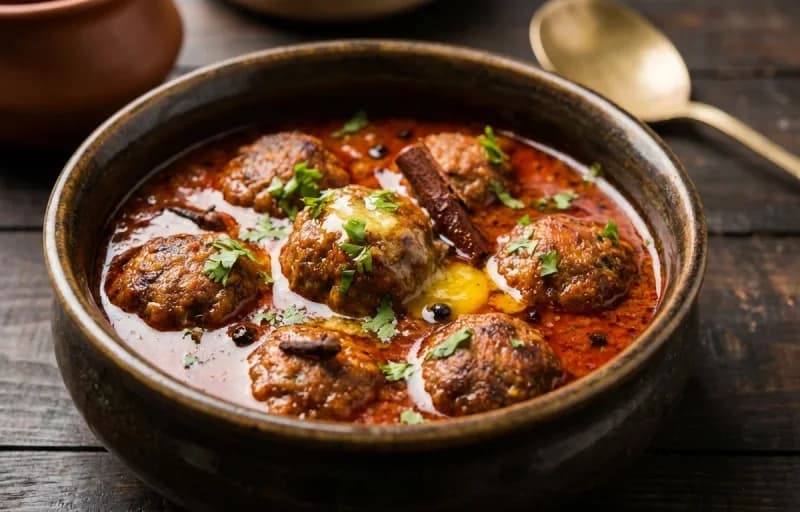
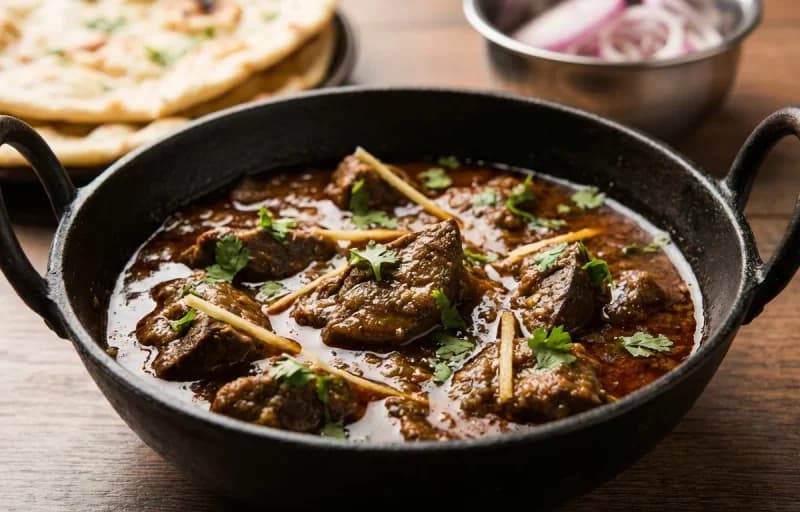
A creative twist on the classic Rajasthani Gatte ki Sabzi. Soft, savory dumplings made from chickpea flour and egg are simmered in a tangy, spicy yogurt-based gravy. A hearty and unique main course.
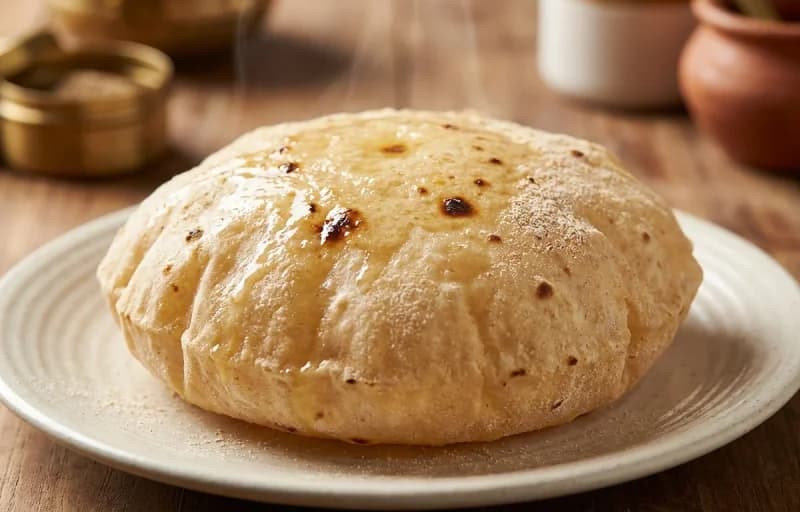
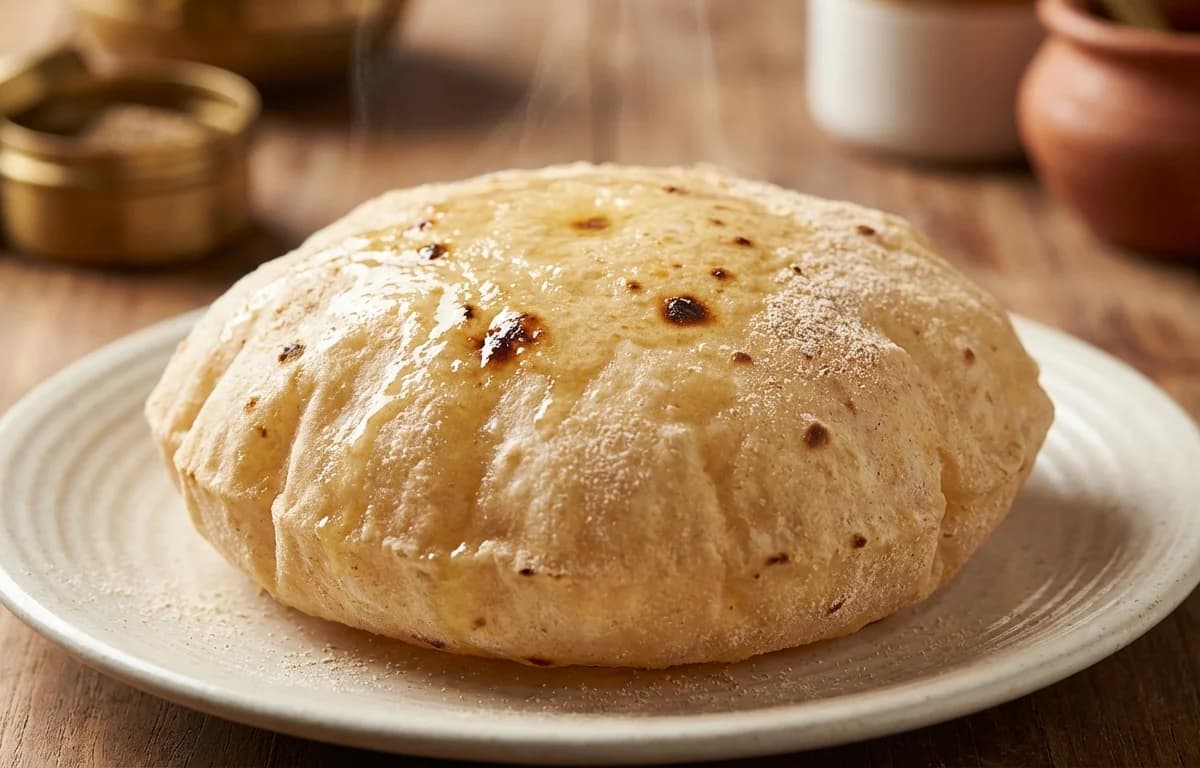
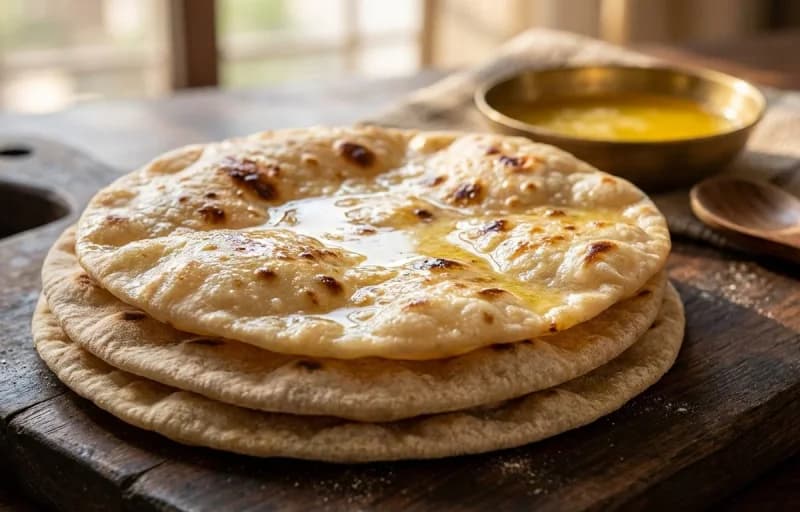
Soft, thin, and light Indian flatbreads made from whole wheat flour. They puff up beautifully on an open flame, making them a perfect, healthy accompaniment to any curry or dal.
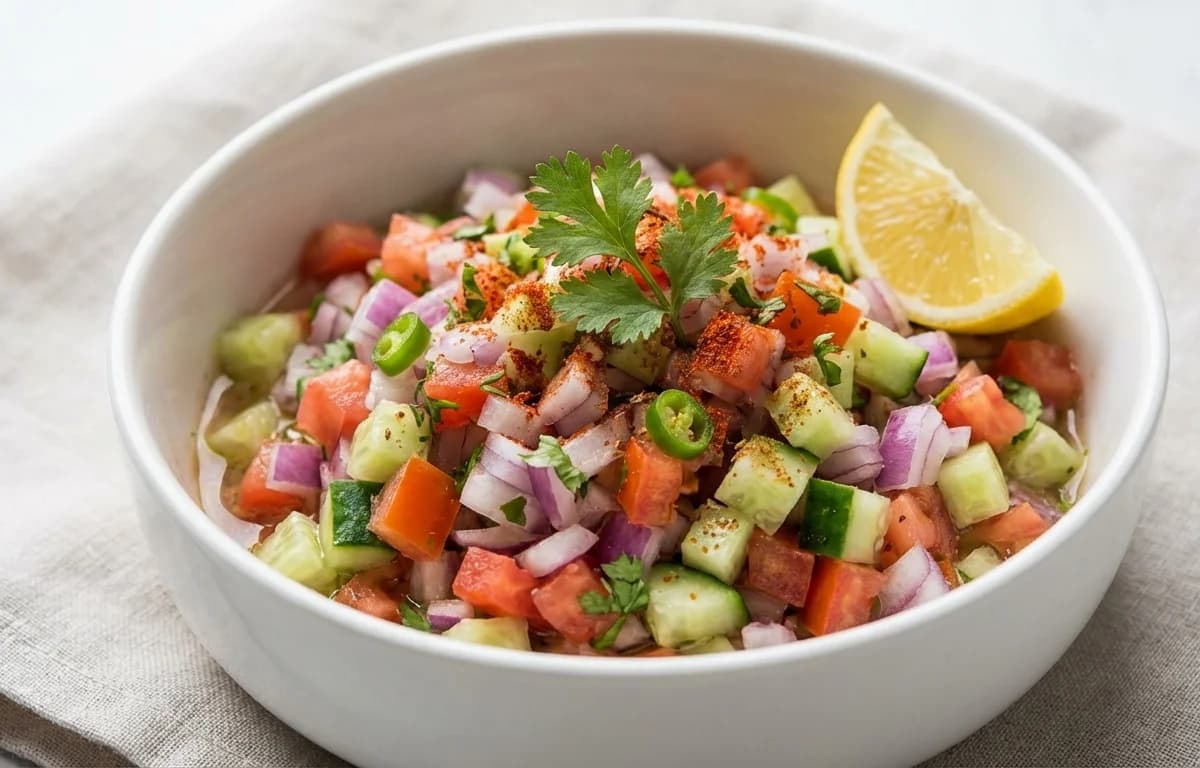
A refreshing and crunchy Indian salad made with chopped onions, tomatoes, and cucumbers. It's seasoned with lemon juice and spices, making it the perfect cooling side dish for spicy curries and biryanis.
About Egg Gatte ki Sabzi, Phulka and Kachumber Salad
Perfectly spiced Egg Gatte ki Sabzi with soft phulka - a gut-friendly, energy-giving homestyle treat!
This marwari dish is perfect for dinner. With 637.9699999999999 calories and 22.92g of protein per serving, it's a high-fiber option for your meal plan.
fat
1 tsp Cumin Seeds
0.5 tsp Mustard Seeds
1 medium Onion (finely chopped)
1 tbsp Ginger Garlic Paste
2 whole Green Chili (slit lengthwise)
1 cup Curd (full-fat, whisked until smooth)
1 tsp Kashmiri Red Chili Powder (for color)
1.5 tsp Coriander Powder
1.5 cup Water (use the reserved water from boiling gatte)
0.5 tsp Garam Masala
2 tbsp Coriander Leaves (freshly chopped, for garnish)
Instructions
1
Prepare the Egg Gatte Dough
In a mixing bowl, combine 1 cup besan, 0.5 tsp red chili powder, 0.25 tsp turmeric powder, ajwain, hing, and 0.5 tsp salt. Mix the dry ingredients well.
Crack in the 3 eggs and add 1 tbsp of vegetable oil.
Knead everything together to form a smooth, firm, and non-sticky dough. If the dough is too sticky, add a teaspoon of besan at a time; if too dry, add a few drops of water.
2
Boil and Slice the Gatte
Divide the dough into 4 equal portions. Roll each portion between your palms into a cylindrical log, about 3/4-inch thick.
In a wide pot, bring 5-6 cups of water to a rolling boil.
Carefully slide the dough logs into the boiling water. Cook for 12-15 minutes on medium-high heat. The gatte are cooked when they float to the surface and develop small bubbles on their skin.
Using a slotted spoon, remove the cooked gatte and place them on a plate to cool for 5-10 minutes. IMPORTANT: Reserve at least 1.5 cups of the cooking water for the gravy.
Once slightly cooled, slice the logs into 1/2-inch thick roundels. Set aside.
3
Prepare the Yogurt Base for Gravy
In a separate bowl, add the 1 cup of curd and 1 tbsp of besan.
Whisk vigorously until completely smooth and no lumps remain. This is a critical step to prevent the curd from splitting when added to the hot pan.
4
Sauté Aromatics and Spices
Heat 3 tbsp of ghee in a kadai or heavy-bottomed pan over medium heat.
Add the cumin seeds and mustard seeds. Allow them to splutter for about 30 seconds.
Add the finely chopped onion and sauté for 6-8 minutes, until it turns soft and golden brown.
Stir in the ginger-garlic paste and slit green chilies. Cook for another minute until the raw aroma disappears.
5
Build the Gravy
Reduce the heat to the lowest setting. Add 0.5 tsp turmeric powder, Kashmiri red chili powder, and coriander powder. Sauté for 30 seconds, being careful not to burn the spices.
Slowly pour in the whisked yogurt-besan mixture while stirring continuously and vigorously. Do not stop stirring for the first 2-3 minutes to prevent curdling.
Continue to cook on low-medium heat, stirring occasionally, for about 5-7 minutes until the masala thickens and you see ghee separating at the edges.
6
Simmer and Finish the Sabzi
Once the gravy base is cooked, pour in 1.5 cups of the reserved gatte water and add 1 tsp of salt. Stir well to combine.
Bring the gravy to a gentle boil, then reduce the heat and let it simmer for 5-7 minutes, allowing it to thicken.
Gently add the sliced egg gatte to the simmering gravy. Cook for another 3-4 minutes, allowing the gatte to absorb the flavors.
Sprinkle the garam masala over the curry and give it a final stir. Turn off the heat.
Garnish with freshly chopped coriander leaves. Let it rest for 5 minutes before serving hot.
262cal
8gprotein
44gcarbs
8gfat
Ingredients
2 cup Atta (Also known as whole wheat flour)
0.5 tsp Salt
1 cup Lukewarm Water (Adjust as needed to form a soft, pliable dough)
2 tbsp Ghee (For brushing on top, optional)
Instructions
1
Prepare the Dough
In a large mixing bowl, combine 2 cups of atta and salt.
Gradually add lukewarm water, a little at a time, mixing with your fingers until the flour comes together to form a dough.
Knead the dough on a clean, flat surface for 8-10 minutes, pressing and stretching it with the heel of your hand. The final dough should be soft, smooth, and elastic, not sticky.
2
Rest the Dough
Lightly grease the dough with a few drops of oil or ghee to prevent it from drying out.
Cover the bowl with a damp cloth or a lid and let the dough rest for at least 20-30 minutes. This step is crucial for relaxing the gluten, which results in softer phulkas.
3
Divide and Roll
After resting, knead the dough again for one minute.
Divide the dough into 8 equal-sized portions and roll them into smooth balls.
Take one ball, flatten it between your palms, and dip it into the dry atta for dusting.
Place it on a rolling board (chakla) and roll it out evenly into a thin circle, about 6-7 inches in diameter. Use minimal dry flour for dusting to avoid making the phulka hard.
4
Cook on the Tawa (Griddle)
Heat a tawa over medium-high heat. To check if it's ready, sprinkle a pinch of dry flour; it should turn brown in a few seconds.
Place the rolled phulka on the hot tawa. Cook for about 15-20 seconds until you see small bubbles appear on the surface.
Flip the phulka using tongs and cook the other side for 30-40 seconds until light brown spots appear.
5
Puff on Open Flame
Using tongs, carefully lift the phulka off the tawa and place it directly on a high flame.
Within seconds, the phulka will puff up into a ball due to the trapped steam.
Immediately flip it to cook the other side on the flame for just a second or two. Be careful not to burn it.
6
Finish and Serve
Remove the puffed phulka from the flame. If desired, brush the top with a little ghee.
Place the finished phulka in a casserole or a container lined with a clean kitchen towel. This keeps them soft and warm.
Repeat the rolling, cooking, and puffing process for the remaining dough balls. Serve hot with your favorite dal or curry.