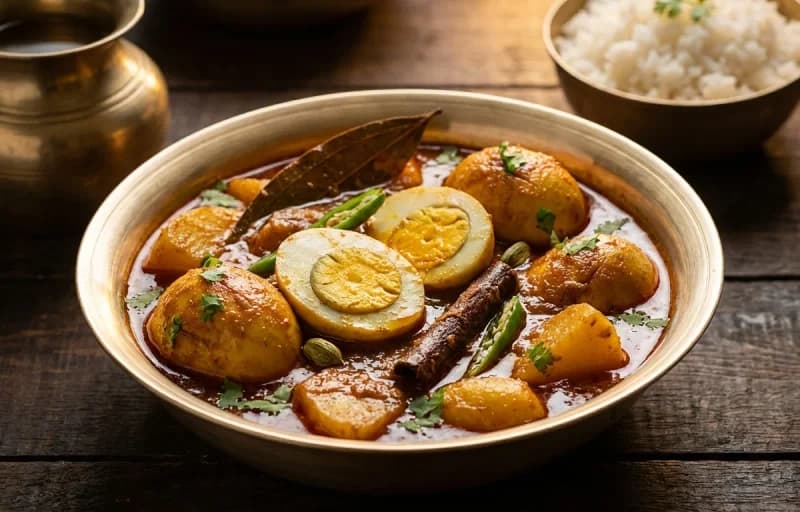
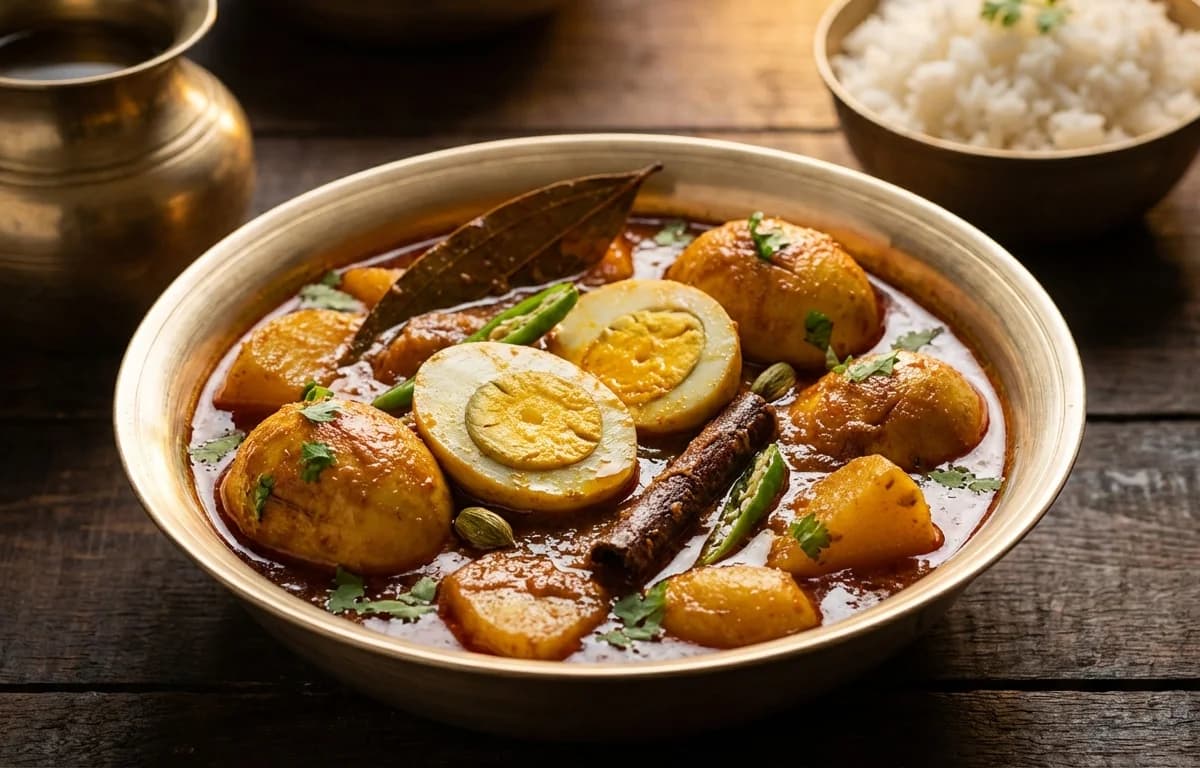
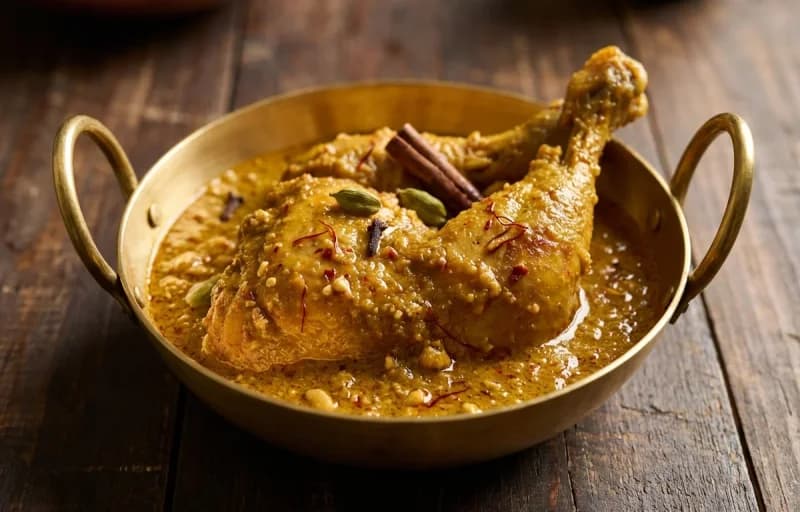
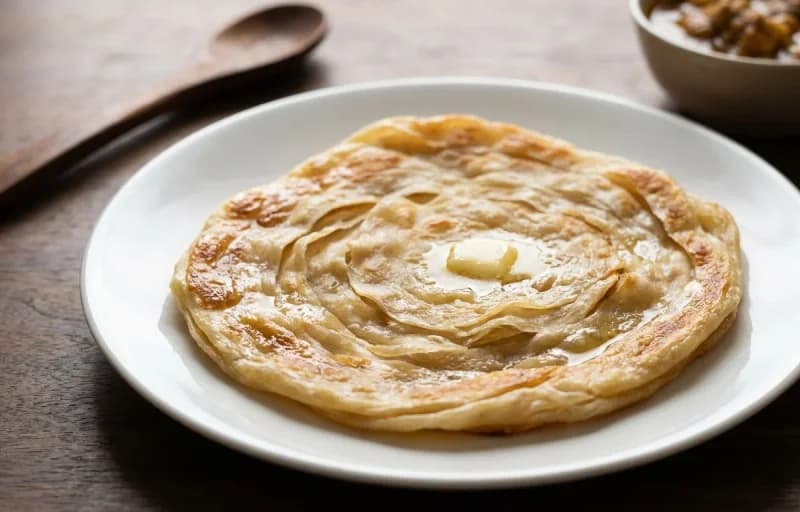
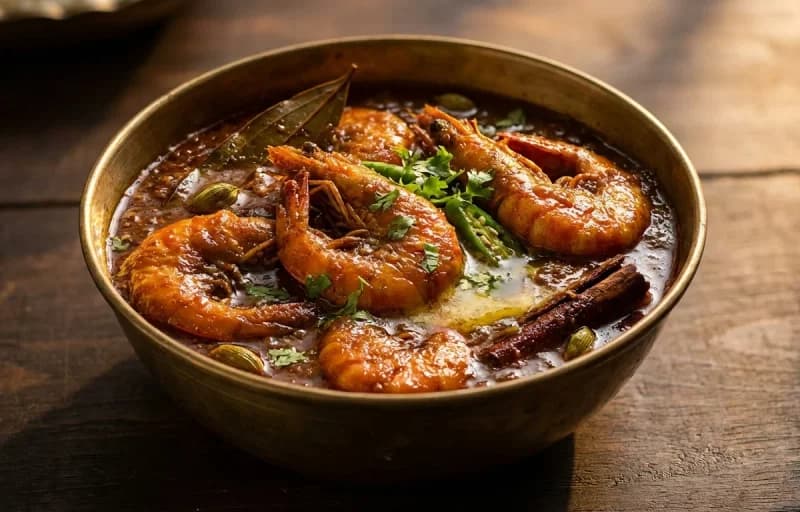
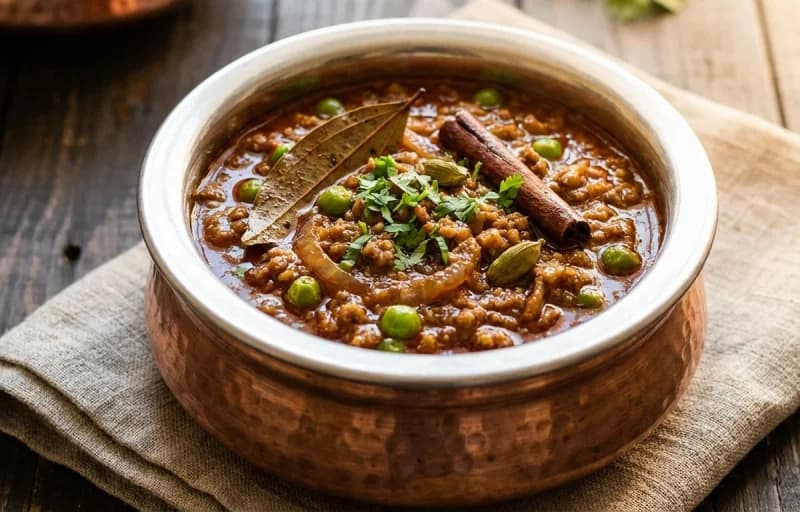
A rich and spicy Bengali delicacy where hard-boiled duck eggs are slow-cooked in a luscious onion-tomato gravy. The thick, flavorful masala clinging to the eggs makes it a perfect companion for rice or luchis.
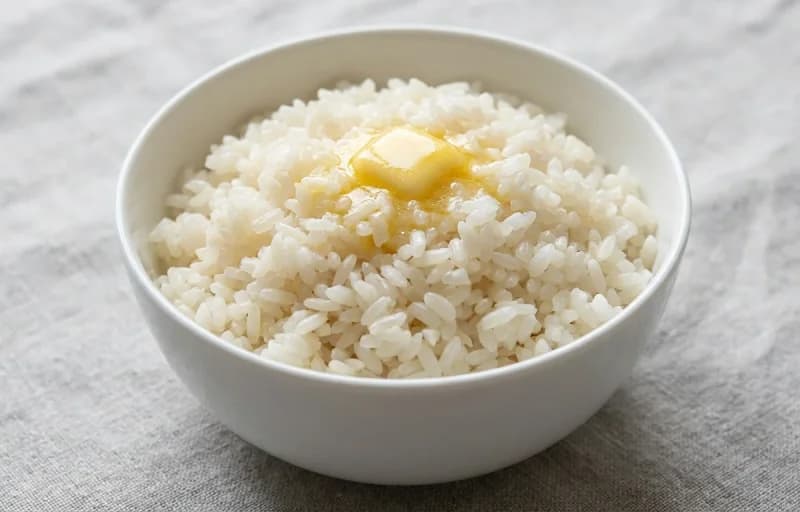
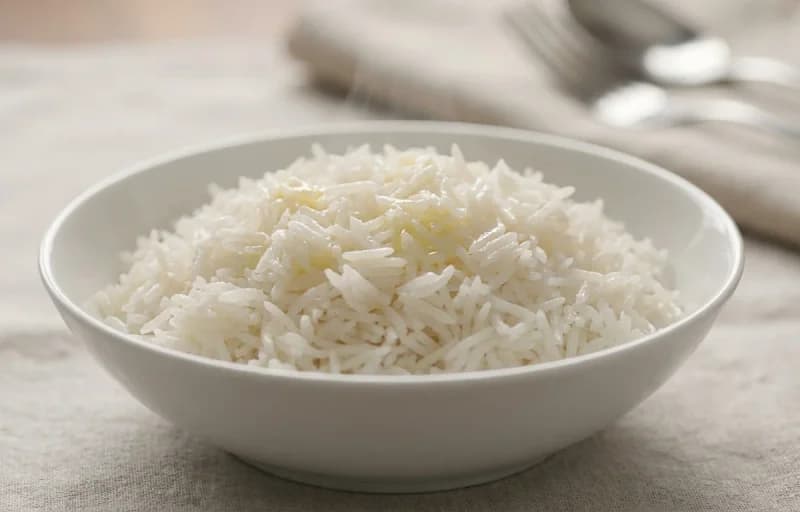
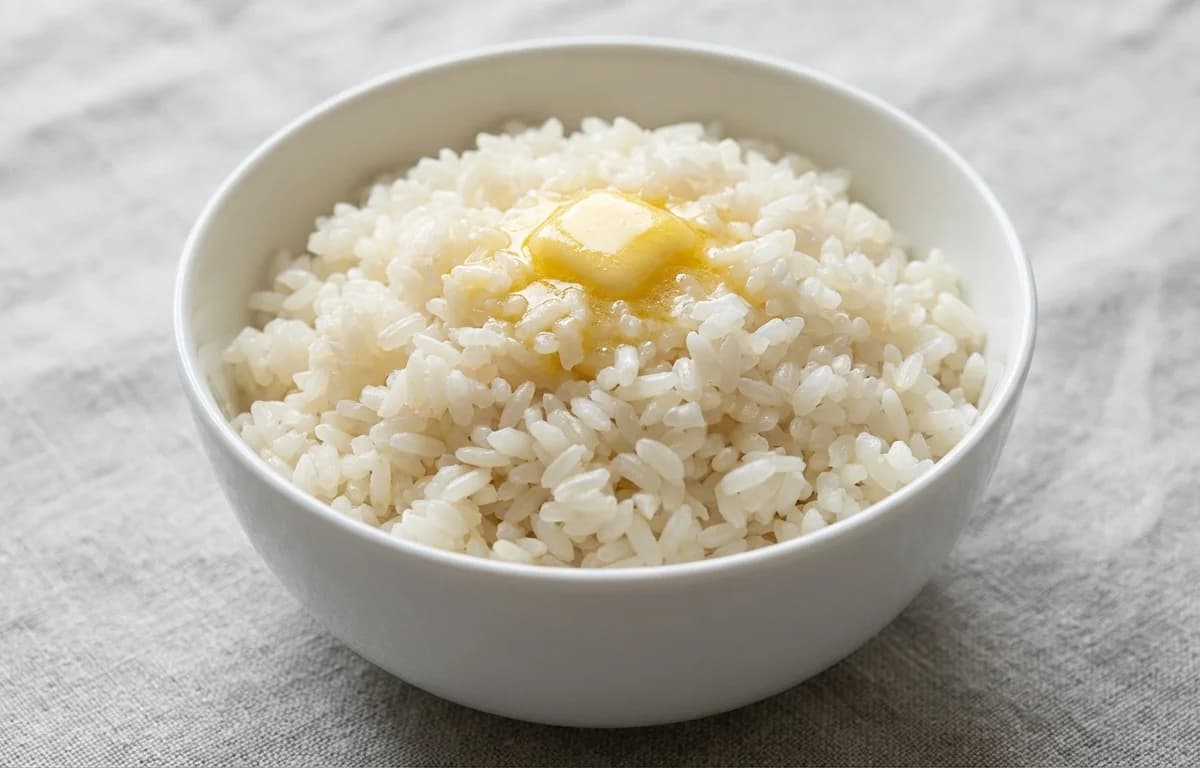
Fluffy, perfectly cooked white rice that forms the heart of every Bengali meal. This simple, essential recipe is the ideal canvas for flavorful dals, macher jhol, and kosha mangsho. Master this basic staple.
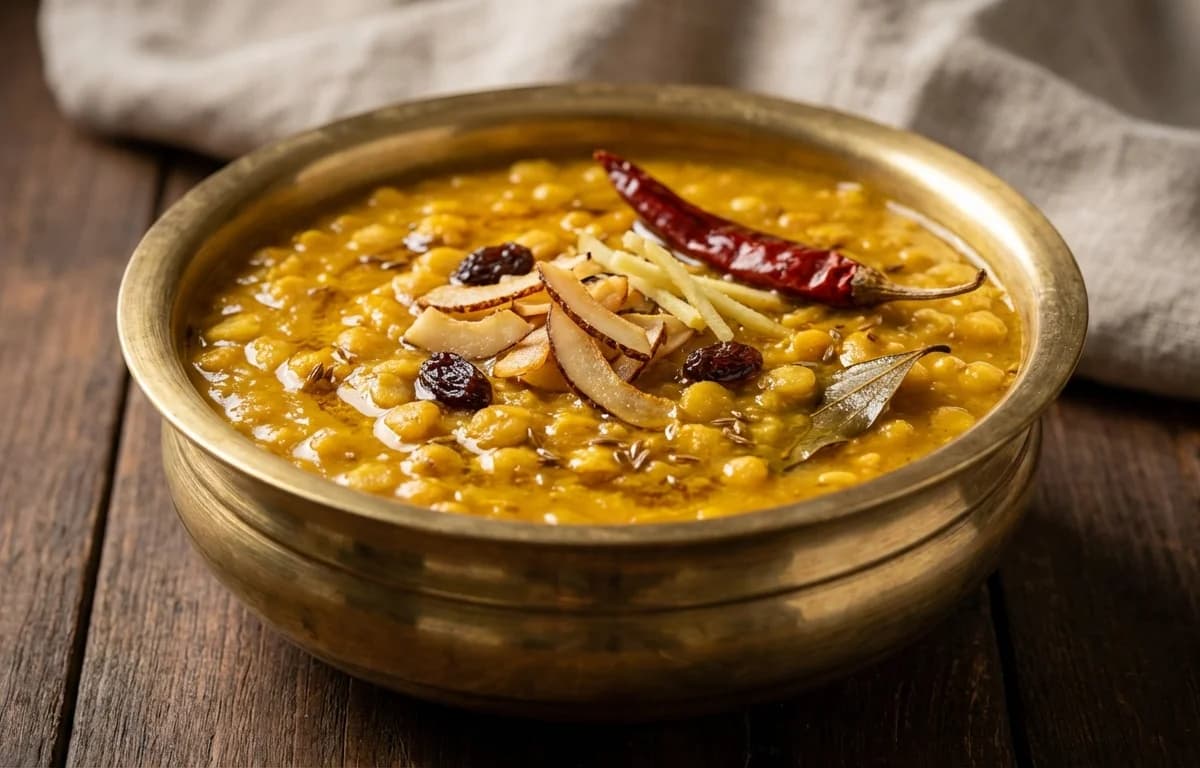
A classic Bengali delicacy, this chana dal is slow-cooked until tender and infused with sweet and savory spices. Fried coconut bits and raisins add a delightful texture and flavor, making it a perfect side for luchis or rice.
About Hanser Dimer Kosha, Shada Bhaat and Cholar Dal
Rich, aromatic Hanser Dimer Kosha with fluffy rice and cholar dal – a protein-packed, soul-satisfying feast!
This bengali dish is perfect for lunch. With 1192.78 calories and 38.51g of protein per serving, it's a nutritious choice for your meal plan.
fat
3 pcs green cardamom (lightly crushed)
4 pcs cloves
1.25 tsp turmeric powder (1 tsp for gravy, 0.25 tsp for marinating)
1.5 tsp kashmiri red chili powder (adjust to taste)
1 tsp cumin powder
1 tsp coriander powder
1 tsp garam masala powder
1 tsp sugar (helps in caramelizing onions)
1.75 tsp salt (1.5 tsp for gravy, 0.25 tsp for marinating, or to taste)
1 tbsp ghee
2 tbsp coriander leaves (chopped, for garnish)
1.5 cup hot water
Instructions
1
Prepare Eggs and Potatoes
Place the duck eggs in a saucepan with water and bring to a boil. Cook for 10-12 minutes to hard-boil them. Simultaneously, boil the halved potatoes until fork-tender but firm.
Once cooked, drain and let them cool. Peel the eggs and potatoes.
Gently prick the surface of the eggs with a fork or toothpick. This helps them absorb the masala.
In a bowl, toss the peeled eggs and potatoes with 1/4 tsp of salt and 1/4 tsp of turmeric powder until evenly coated.
2
Shallow Fry Eggs and Potatoes
Heat the mustard oil in a heavy-bottomed kadai or pan over medium-high heat until it is lightly smoking.
Carefully slide in the marinated eggs and fry for 2-3 minutes, turning gently, until they develop a light golden, slightly blistered skin. Remove with a slotted spoon and set aside.
In the same oil, add the potato halves and fry for 4-5 minutes until they are golden brown on all sides. Remove and set aside with the eggs.
3
Build the Masala Base
In the remaining oil, lower the heat to medium. Add the bay leaves, cinnamon stick, green cardamoms, and cloves. Sauté for about 30 seconds until they become fragrant.
Add the sliced onions and the sugar. Cook for 12-15 minutes, stirring frequently, until the onions turn a deep golden brown. This step is crucial for the color and flavor of the gravy.
Add the ginger and garlic pastes and sauté for another 1-2 minutes until the raw aroma disappears.
4
Slow Cook the Masala (Koshano)
Add the tomato puree and slit green chilies. Cook for 4-5 minutes, stirring, until the oil begins to separate from the tomatoes.
Lower the heat. Add the remaining 1 tsp turmeric powder, Kashmiri red chili powder, cumin powder, coriander powder, and 1.5 tsp salt.
Stir continuously and cook this masala on low heat for 8-10 minutes. This slow-cooking process, known as 'koshano', is key. Splash a little hot water if the masala starts to stick. Continue until the masala darkens in color and oil oozes out from the sides.
5
Simmer the Curry
Add the fried potato halves to the cooked masala and mix gently to coat them well.
Pour in 1.5 cups of hot water, stir, and bring the gravy to a boil.
Cover the pan, reduce the heat to low, and let it simmer for 7-8 minutes, allowing the potatoes to absorb the flavors and the gravy to thicken.
Gently add the fried duck eggs to the gravy.
6
Finish and Serve
Continue to simmer, uncovered, for another 4-5 minutes, so the eggs are heated through and absorb the gravy's flavor.
Turn off the heat. Sprinkle the garam masala powder and drizzle the ghee over the curry. Give it a gentle stir.
Garnish with freshly chopped coriander leaves. Let the curry rest, covered, for at least 10 minutes before serving. This allows the flavors to meld beautifully.
Serve hot with steamed rice, luchi, or paratha.
4
Serving size: 1 serving
269cal
5gprotein
59gcarbs
0gfat
Ingredients
1.5 cup Gobindobhog Rice (Or use any short-grain aromatic rice)
3 cup Water
0.5 tsp Salt (Optional, for seasoning)
Instructions
1
Rinse and Soak Rice (35 minutes)
Place the rice in a large bowl. Cover with cool water, gently swirl with your fingers, and drain the cloudy water.
Repeat the rinsing process 3-4 times until the water runs mostly clear.
Cover the rinsed rice with fresh water and let it soak for 30 minutes. This step is key to fluffy, evenly cooked grains.
After soaking, drain the rice completely in a fine-mesh sieve.
2
Boil Water (3 minutes)
In a medium, heavy-bottomed pot with a tight-fitting lid, bring 3 cups of water and the optional salt to a rolling boil over high heat.
3
Cook the Rice (15 minutes)
Carefully add the drained rice to the boiling water. Give it one single, gentle stir to prevent clumping.
As soon as the water returns to a boil, reduce the heat to the absolute lowest setting.
Cover the pot tightly with the lid and let it simmer for 12-15 minutes. Do not lift the lid, as the trapped steam is crucial for cooking.
4
Rest and Fluff (10 minutes)
After 15 minutes, turn off the heat but keep the pot on the stove, still covered, for another 10 minutes.
This resting period allows the grains to absorb any remaining moisture and become perfectly tender.
Remove the lid and gently fluff the rice with a fork or a spatula to separate the grains.
5
Serve
Serve the Shada Bhaat hot as an accompaniment to your favorite Bengali curries, dals, and fried fish.
4 cup Water (3 cups for cooking and 1 cup for adjusting consistency, plus more for soaking)
0.5 tsp Turmeric Powder
1 tsp Salt (Adjust to taste)
2 tbsp Ghee (For authentic flavor, can be substituted with oil for a vegan version)
2 tbsp Coconut Slices (Thinly sliced from dry or fresh coconut)
1 piece Bay Leaf
2 piece Dry Red Chilli (Broken in half)
0.5 tsp Cumin Seeds
0.25 tsp Hing (Asafoetida)
1 inch Ginger (Finely grated)
2 piece Green Chilli (Slit lengthwise)
2 tbsp Raisins
1 tbsp Sugar (Adjust to taste for the characteristic sweet flavor)
0.5 tsp Garam Masala (Preferably Bengali garam masala if available)
Instructions
1
Soak and Cook the Dal
Rinse the chana dal thoroughly under running water. Soak it in ample water for at least 2-3 hours, or preferably overnight.
Drain the soaking water. Transfer the dal to a pressure cooker.
Add 3 cups of fresh water, turmeric powder, and salt. Stir well.
Secure the lid and pressure cook on medium heat for 4-5 whistles, or for about 15 minutes. The dal should be cooked through and soft, but still hold its shape.
Allow the pressure to release naturally before opening the cooker.
2
Prepare the Tempering (Tadka)
Heat ghee in a heavy-bottomed pan or kadai over medium heat.
Add the coconut slices and fry until they turn golden brown and aromatic. Remove with a slotted spoon and set aside.
In the same ghee, add the bay leaf and dry red chilies. Sauté for about 30 seconds.
Add the cumin seeds. Once they start to splutter, add the hing and sauté for another 10 seconds.
Add the grated ginger and slit green chilies to the pan. Sauté for about a minute until the raw aroma of ginger disappears.
Gently pour the cooked dal into the pan. Mix everything carefully.
Add the sugar, raisins, and the reserved fried coconut pieces. Stir to combine.
Bring the dal to a gentle boil. Reduce the heat to low and let it simmer for 8-10 minutes, allowing the flavors to meld. If the dal is too thick, add a little hot water to reach your desired consistency.
4
Finish and Serve
Sprinkle the garam masala powder over the dal and stir gently.
For extra richness, you can add another teaspoon of ghee at this stage.
Turn off the heat and let the dal rest for 5-10 minutes before serving. This helps the flavors to deepen.
Serve hot with luchi, puri, paratha, or steamed rice.