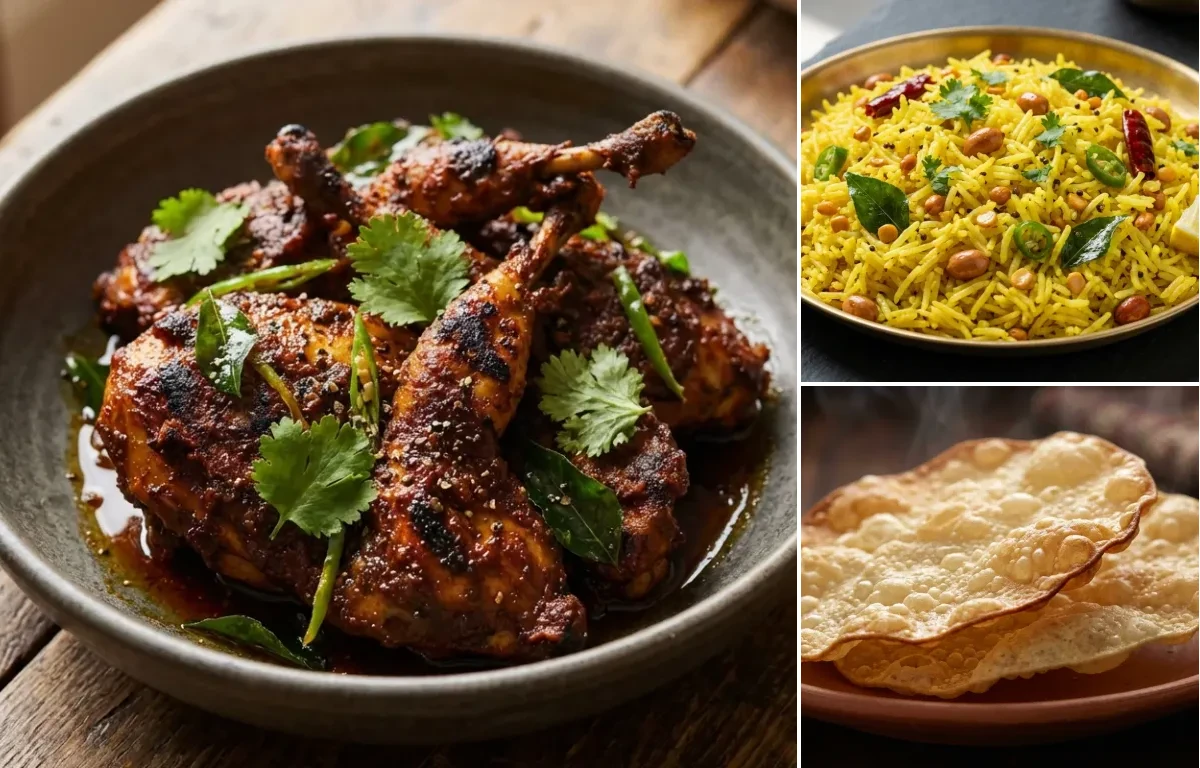
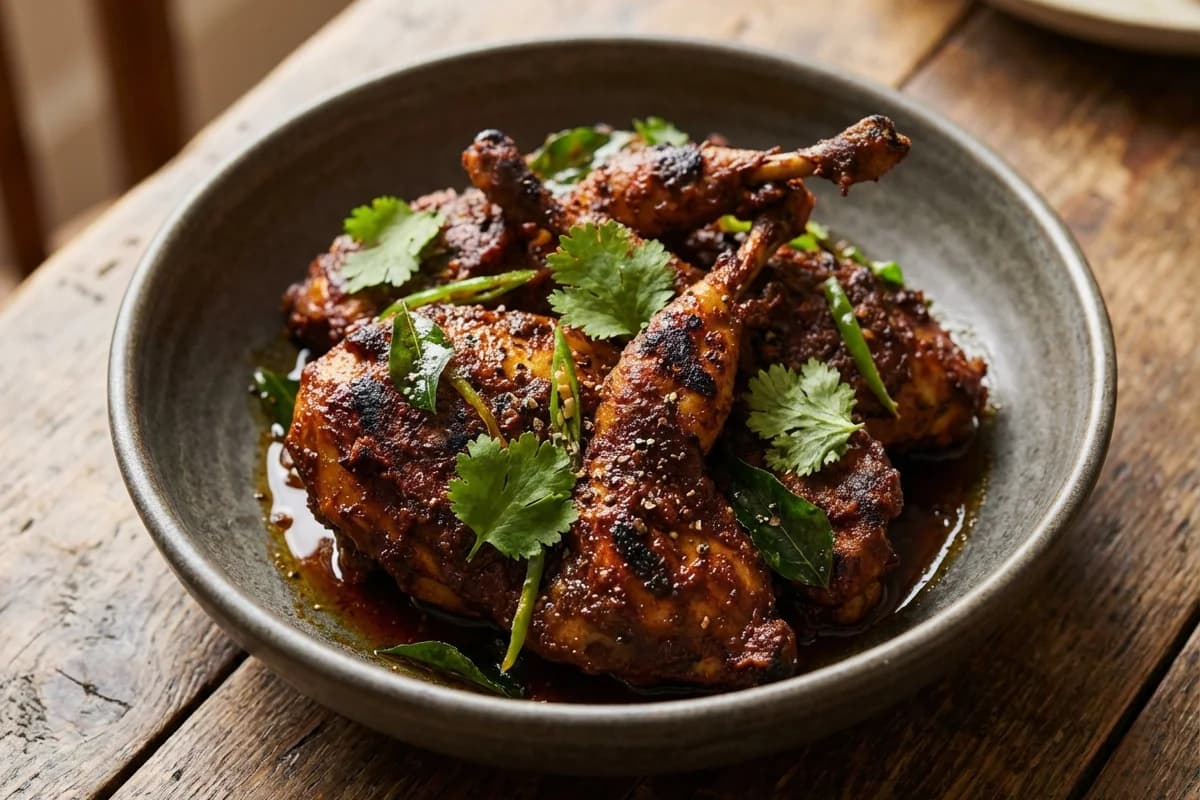
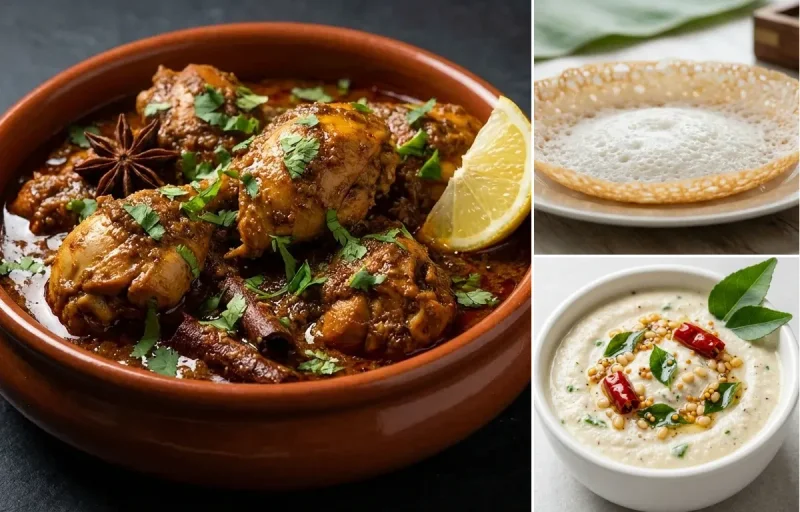
Tender quail meat slow-roasted in a fiery blend of South Indian spices. This aromatic and spicy dish is a delicacy, perfect with rice or parotta for a special meal.
Prep20 min
Cook40 min
Servings4
Serving size: 1 serving
380cal
26gprotein
12gcarbs
26gfat
Ingredients
4 piece Quail (Cleaned, with a few gashes made on each piece)
2 medium Onion (Finely chopped)
2 medium Tomato (Finely chopped)
1.5 tbsp Ginger Garlic Paste
3 piece Green Chilli (Slit lengthwise)
1 sprig Curry Leaves
3 tbsp Gingelly Oil (Also known as Indian sesame oil)
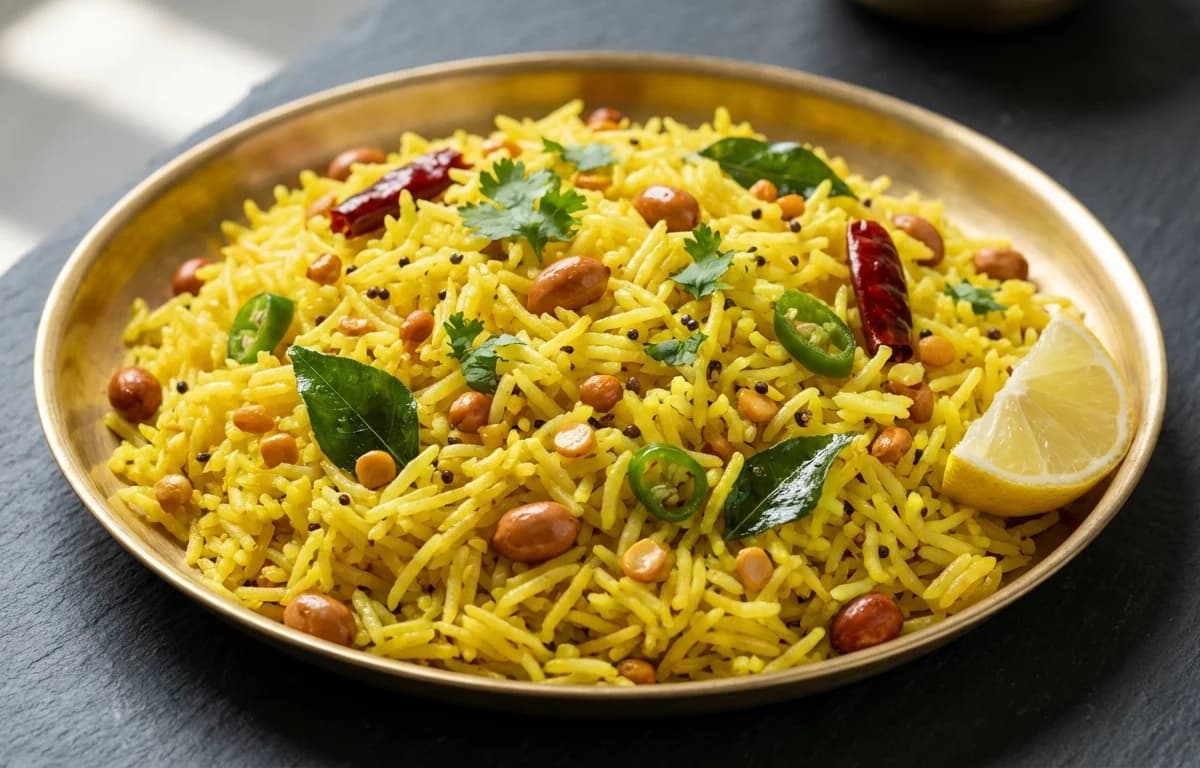
A tangy and flavorful South Indian rice dish made with fluffy rice, a crunchy tempering of lentils and peanuts, and a generous squeeze of fresh lemon juice. A quick and easy meal perfect for lunchboxes or a light dinner.
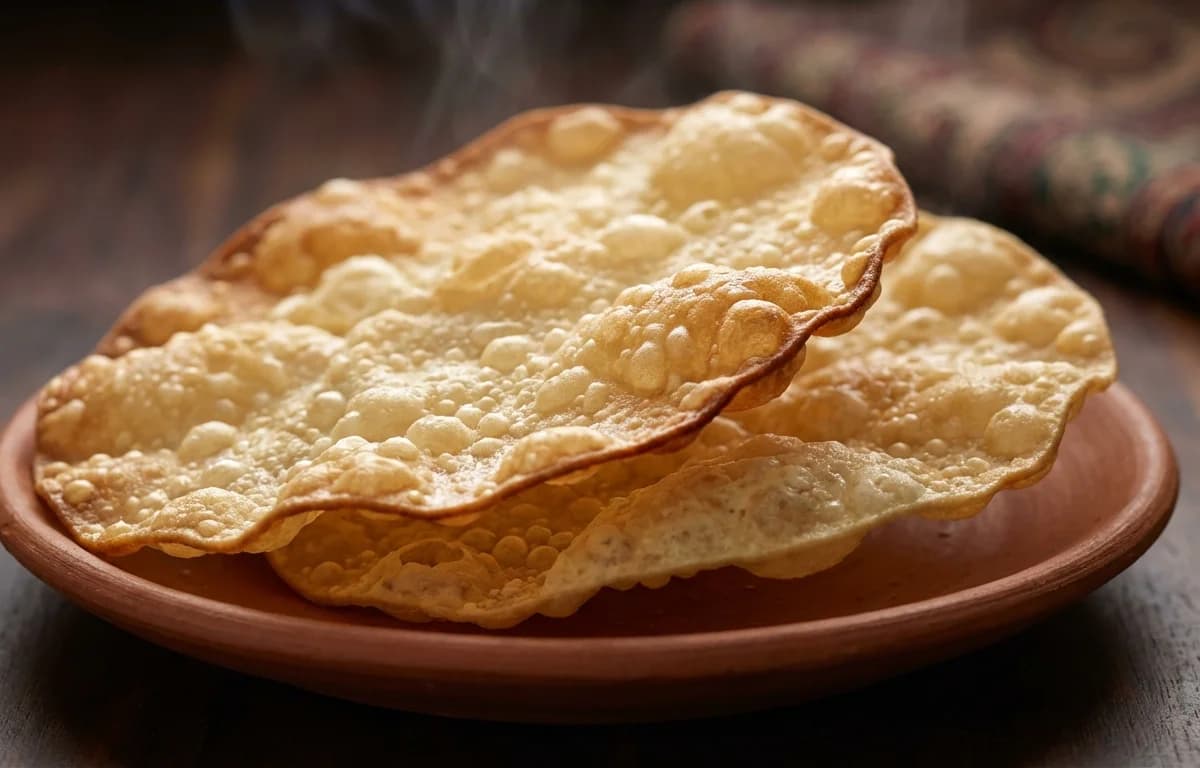
A thin, crispy Indian lentil wafer that serves as the perfect crunchy accompaniment to any meal. This guide provides three simple methods—roasting, frying, and microwaving—to prepare perfect papadams in minutes.
Prep1 min
Cook4 min
Servings4
Serving size: 1 serving
About Kaadai Roast, Lemon Rice and Papadam
Spicy quail roast with zesty lemon rice and crispy papadam. A burst of flavor that's truly soul-satisfying!
This chettinad dish is perfect for dinner. With 945.6200000000001 calories and 39.949999999999996g of protein per serving, it's a nutritious choice for your meal plan.
Other Cuisines to Explore
Discover authentic meals from cuisines around the world.
1 tsp Black Pepper Powder (Freshly ground for best flavor)
1.25 tsp Salt (Or to taste)
0.5 cup Water
2 tbsp Coriander Leaves (Freshly chopped, for garnish)
Instructions
1
Marinate the Quail
In a mixing bowl, combine the cleaned and gashed quail pieces with 0.5 tsp turmeric powder, 0.5 tsp red chilli powder, 0.5 tsp salt, and 0.5 tbsp of the ginger garlic paste.
Mix thoroughly, ensuring each piece is evenly coated with the marinade.
Set aside to marinate for at least 20 minutes. For deeper flavor, you can marinate for up to 2 hours in the refrigerator.
2
Prepare the Masala Base
Heat the gingelly oil in a wide, heavy-bottomed pan or kadai over medium heat.
Once the oil is hot, add the fennel seeds and let them splutter for about 30 seconds until fragrant.
Add the curry leaves and slit green chillies. Sauté for another 30 seconds.
Add the finely chopped onions and a pinch of salt. Sauté for 8-10 minutes until the onions turn soft and golden brown.
Add the remaining 1 tbsp of ginger garlic paste and cook for 1-2 minutes until the raw aroma disappears.
3
Cook Tomatoes and Spices
Add the chopped tomatoes to the pan. Cook for 5-7 minutes, stirring occasionally, until they become soft, mushy, and oil begins to separate from the masala.
Reduce the heat to low. Add the remaining 1 tsp red chilli powder, 2 tsp coriander powder, and 1 tsp garam masala.
Sauté the spice powders for 1-2 minutes, being careful not to burn them, until they release their aroma.
4
Cook the Quail
Add the marinated quail pieces to the pan. Increase the heat to medium-high and sauté for 4-5 minutes, turning the pieces to sear them lightly and coat them well with the masala.
Pour in 0.5 cup of water and add the remaining salt to taste. Stir everything together.
Bring the mixture to a boil, then reduce the heat to low. Cover the pan with a lid and let it simmer for 15-20 minutes, or until the quail is tender and cooked through.
5
Roast and Garnish
Once the quail is cooked, remove the lid and increase the heat to medium.
Continue to cook, stirring gently every couple of minutes, until all the excess moisture evaporates. This roasting process should take about 7-10 minutes.
The masala will thicken and cling to the quail pieces, forming a dark, semi-dry coating.
Sprinkle the freshly ground black pepper powder and chopped coriander leaves over the top.
Give it a final mix, cook for one more minute, and then turn off the heat.
Serve the Kaadai Roast hot.
352cal
8gprotein
52gcarbs
12gfat
Ingredients
4 cup Cooked Basmati Rice (Preferably cooled or leftover rice)
2 tbsp Sesame Oil (Gingelly oil is traditional)
1 tsp Mustard Seeds
1 tsp Urad Dal (Split black gram)
1 tbsp Chana Dal (Split Bengal gram)
0.25 cup Raw Peanuts
2 pcs Dried Red Chilies (Broken into halves)
2 pcs Green Chilies (Slit lengthwise)
1 sprig Curry Leaves (About 10-12 leaves)
0.25 tsp Hing (Asafoetida)
0.5 tsp Turmeric Powder
3 tbsp Lemon Juice (Freshly squeezed, from 1-2 large lemons)
1 tsp Salt (Adjust to taste)
0.25 tsp Sugar (Optional, to balance tanginess)
2 tbsp Fresh Coriander (Finely chopped, for garnish)
Instructions
1
Prepare the Rice
If using freshly cooked rice, spread it on a large plate or tray to cool down completely. This prevents the grains from breaking and becoming mushy.
Gently fluff the cooled rice with a fork to separate the grains. Set aside.
2
Create the Tempering (Tadka)
Heat sesame oil in a large, heavy-bottomed pan or kadai over medium heat.
Once the oil is hot, add the mustard seeds and allow them to splutter completely, which takes about 30 seconds.
Reduce the heat to low, then add the chana dal and urad dal. Sauté for 1-2 minutes, stirring continuously, until they turn a light golden brown and become aromatic.
Add the raw peanuts and continue to sauté for another 2-3 minutes until they are crunchy and lightly browned.
Add the broken dried red chilies, slit green chilies, and curry leaves. Be careful as the curry leaves will splutter. Sauté for 30 seconds until the leaves are crisp.
3
Combine with Rice
Add the hing and turmeric powder to the pan and stir for 10 seconds.
8 pieces Urad Dal Papad (Plain or spiced varieties like black pepper or cumin work well.)
2 cups Vegetable Oil (For deep frying method only. Use a neutral oil like sunflower or canola.)
Instructions
1
Method 1: Roasting over an Open Flame (Healthiest Option)
Turn on a gas stove to a medium-low flame.
Using a pair of long metal tongs, hold one papadam disc about 2-3 inches above the flame.
Continuously and quickly move the papadam over the flame, flipping it every 3-4 seconds to ensure it cooks evenly without burning.
The papadam will start to bubble, change color, and curl. This process takes about 20-30 seconds per papadam.
Once it's lightly browned in spots and fully crisp, it's ready. Repeat for all papadams.
2
Method 2: Deep Frying (Crispiest Option)
Pour vegetable oil into a kadai or a wide, deep pan to a depth of about 1-2 inches. Heat over medium-high heat.
Test if the oil is ready by dropping a tiny piece of papadam into it. If it sizzles and rises to the surface immediately, the oil is at the perfect temperature (around 180°C or 350°F).
Gently slide one papadam into the hot oil. It will expand almost instantly.
Using a slotted spoon or tongs, press it down gently for 2-3 seconds, then immediately flip it over. Fry the other side for another 2-3 seconds.
Quickly remove the papadam from the oil and let it drain on a wire rack or a plate lined with paper towels to absorb excess oil.
Repeat for the remaining papadams, cooking one at a time.
3
Method 3: Microwaving (Quickest Option)
Place one or two papadams on a microwave-safe plate, ensuring they don't overlap.
Microwave on high for 30 seconds. Check on them, then continue microwaving in 10-15 second intervals until they are evenly cooked and crisp.
Total time is typically 45-60 seconds, but this can vary depending on your microwave's power. Watch carefully to prevent burning.
Let them cool for a few seconds to become fully crisp.
4
Serve Immediately
Papadams are best served immediately while they are warm and at their crispiest.
Enjoy them plain as a side with your main meal, or as a base for Masala Papad (see variations).
Immediately add the cooled, fluffed rice, salt, and optional sugar to the pan.
Gently mix everything together, ensuring the tempering is evenly distributed throughout the rice. Be careful not to mash the rice grains. Continue to toss on low heat for 2 minutes until the rice is heated through.
4
Finish and Serve
Turn off the heat completely. Pour the fresh lemon juice over the rice.
Add the chopped fresh coriander.
Give it one final gentle mix to combine. The residual heat will incorporate the flavors.
Serve the Lemon Rice warm, either on its own or with accompaniments like papad, raita, or coconut chutney.