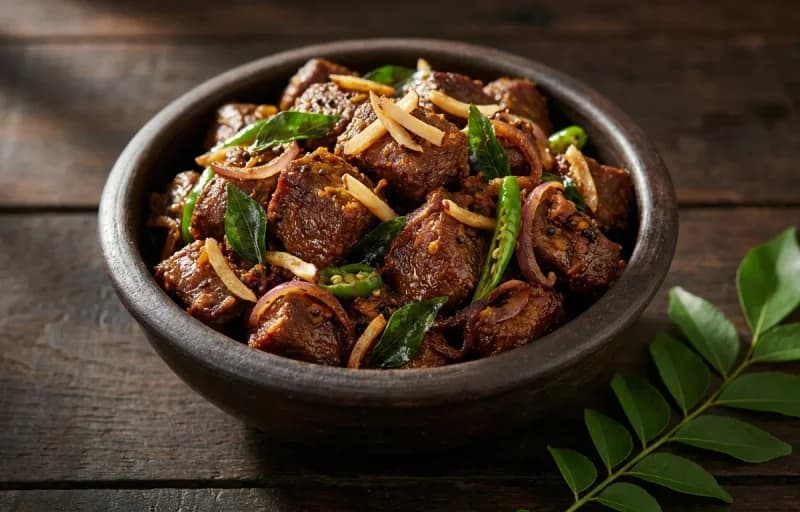
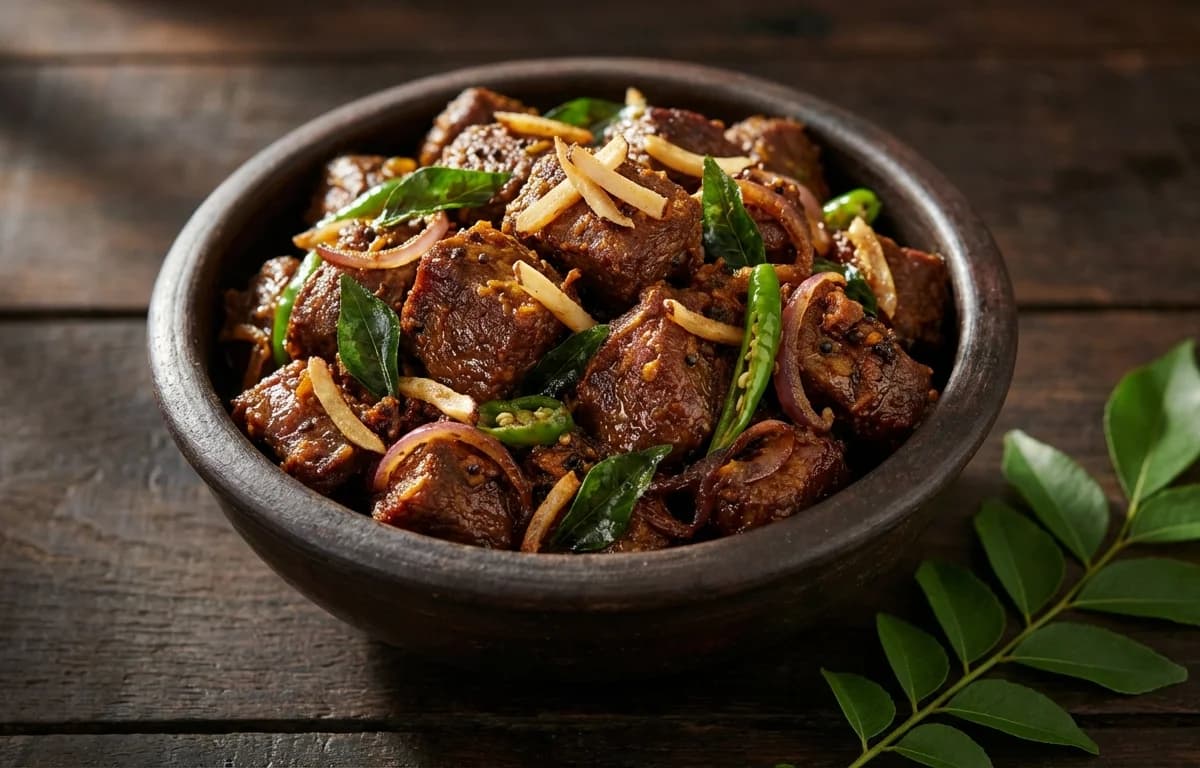
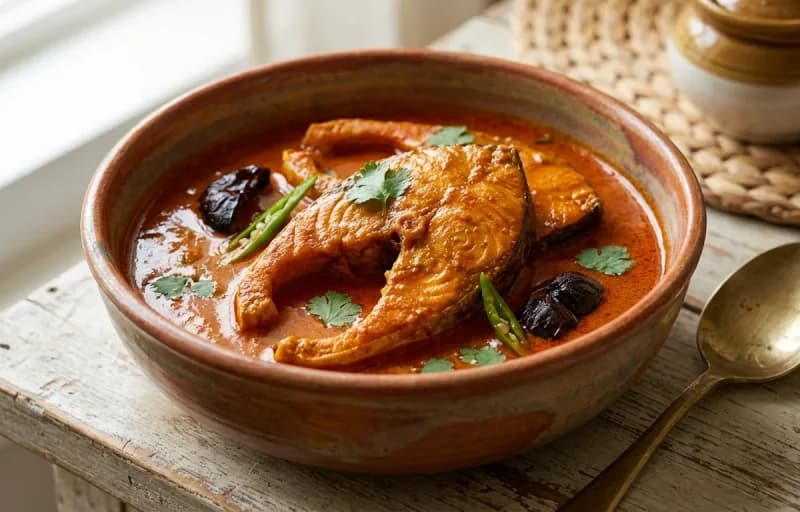
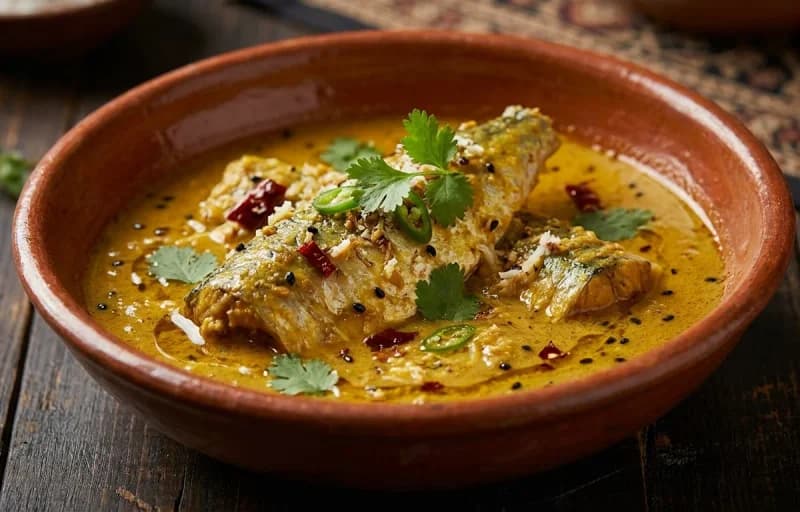
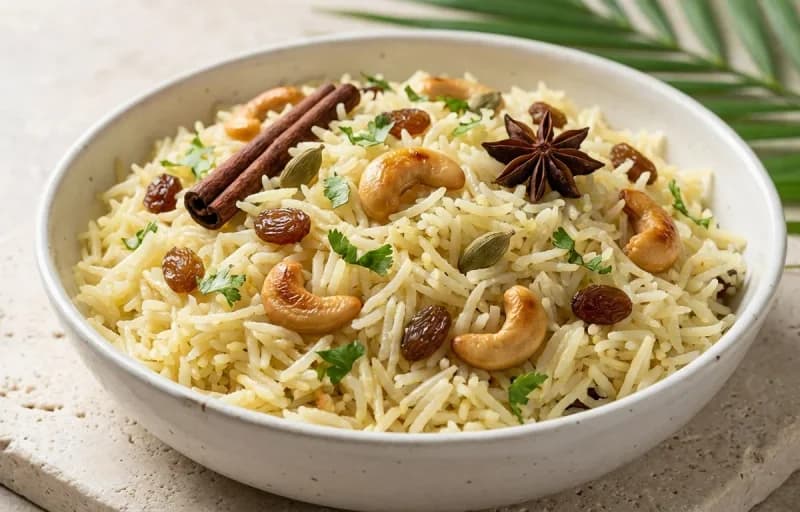
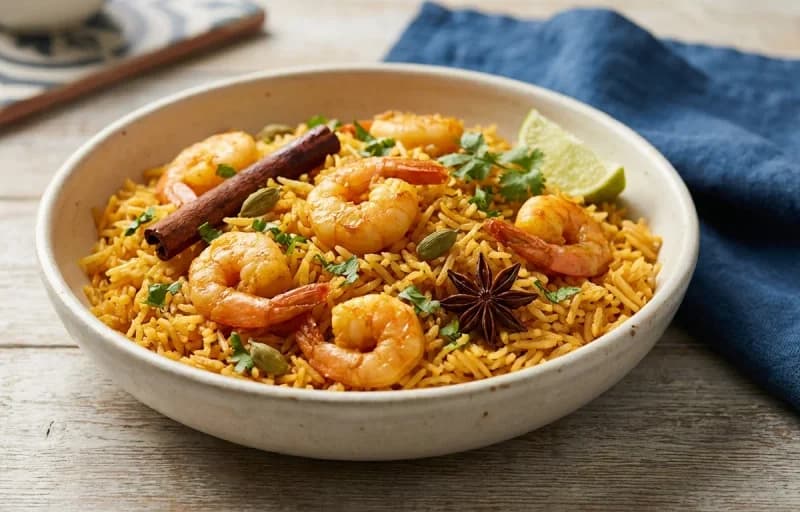
Tender beef chunks slow-roasted with aromatic spices, fried coconut slivers, and curry leaves. This iconic Kerala dish is rich, spicy, and deeply flavorful, perfect with parotta or rice.
Prep20 min
Cook60 min
Servings4
Serving size: 1 serving
496cal
35gprotein
13gcarbs
34g
Ingredients
500 g Boneless Beef (Cut into 1-inch cubes, preferably from the chuck or round cut.)
0.5 tsp Turmeric Powder
2 tsp Kashmiri Red Chili Powder (Divided use: 1 tsp for pressure cooking, 1 tsp for roasting.)
2.5 tsp Coriander Powder (Divided use: 1.5 tsp for pressure cooking, 1 tsp for roasting.)
1 tsp Black Pepper Powder (Freshly ground for best flavor.)
1.5 tsp Garam Masala (Divided use: 1 tsp for pressure cooking, 0.5 tsp for roasting.)
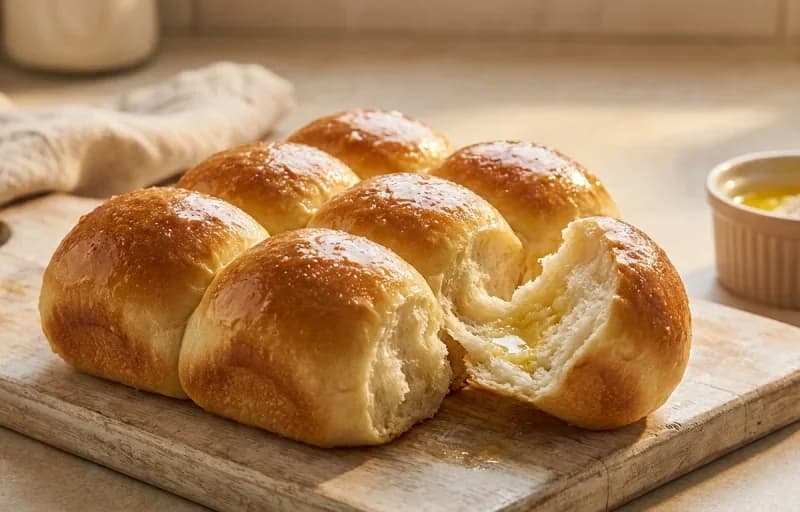
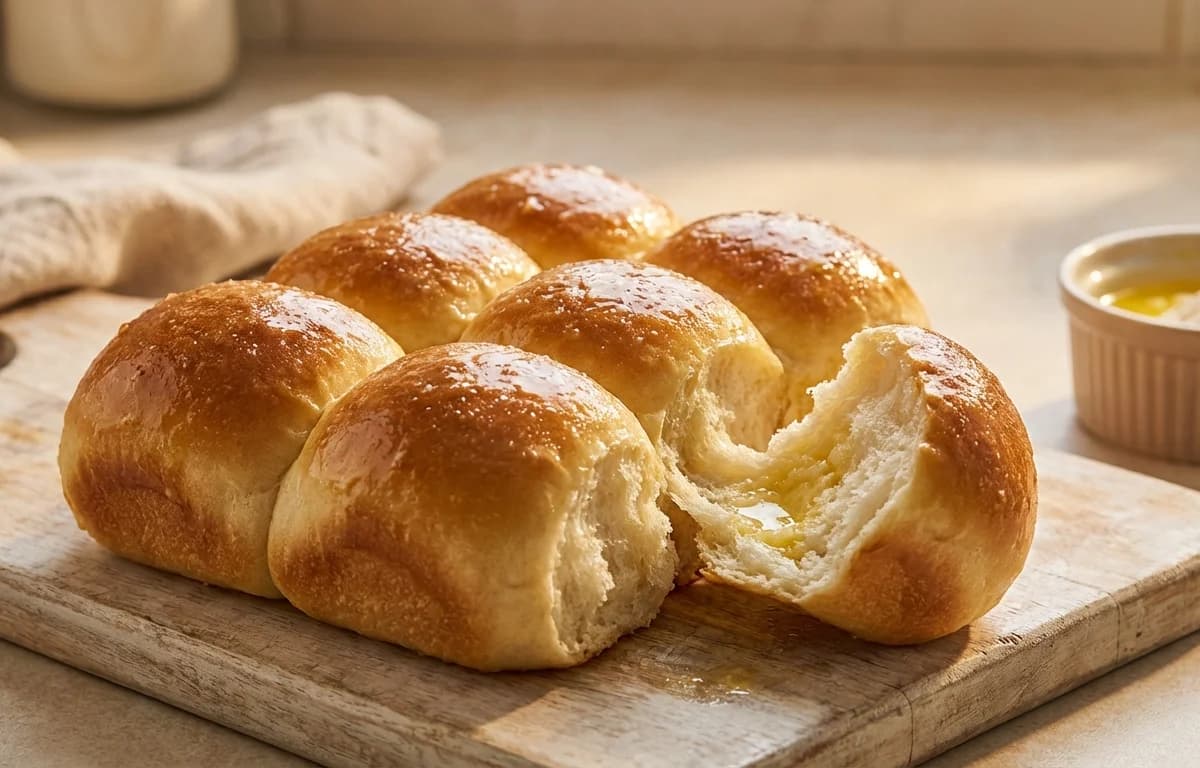
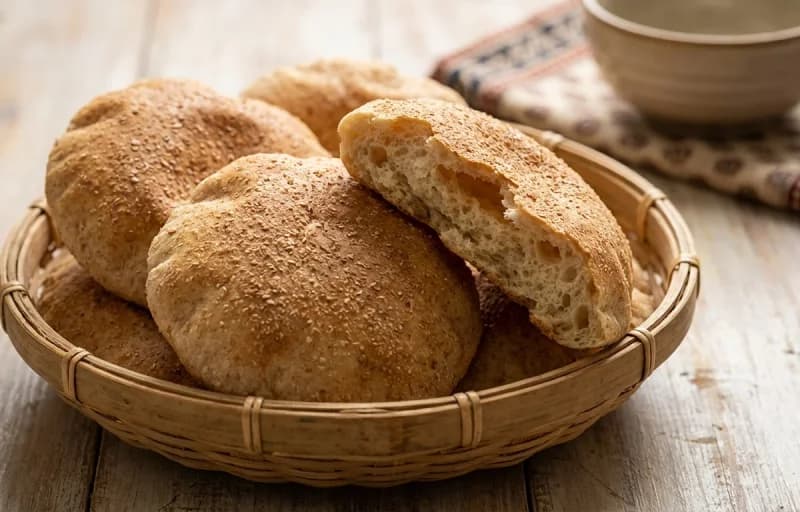
Pillowy soft, pull-apart dinner rolls straight from the streets of Mumbai. These fluffy, slightly sweet buns are the perfect vehicle for scooping up rich Pav Bhaji or holding a crispy Vada. A simple, satisfying bake for any occasion.
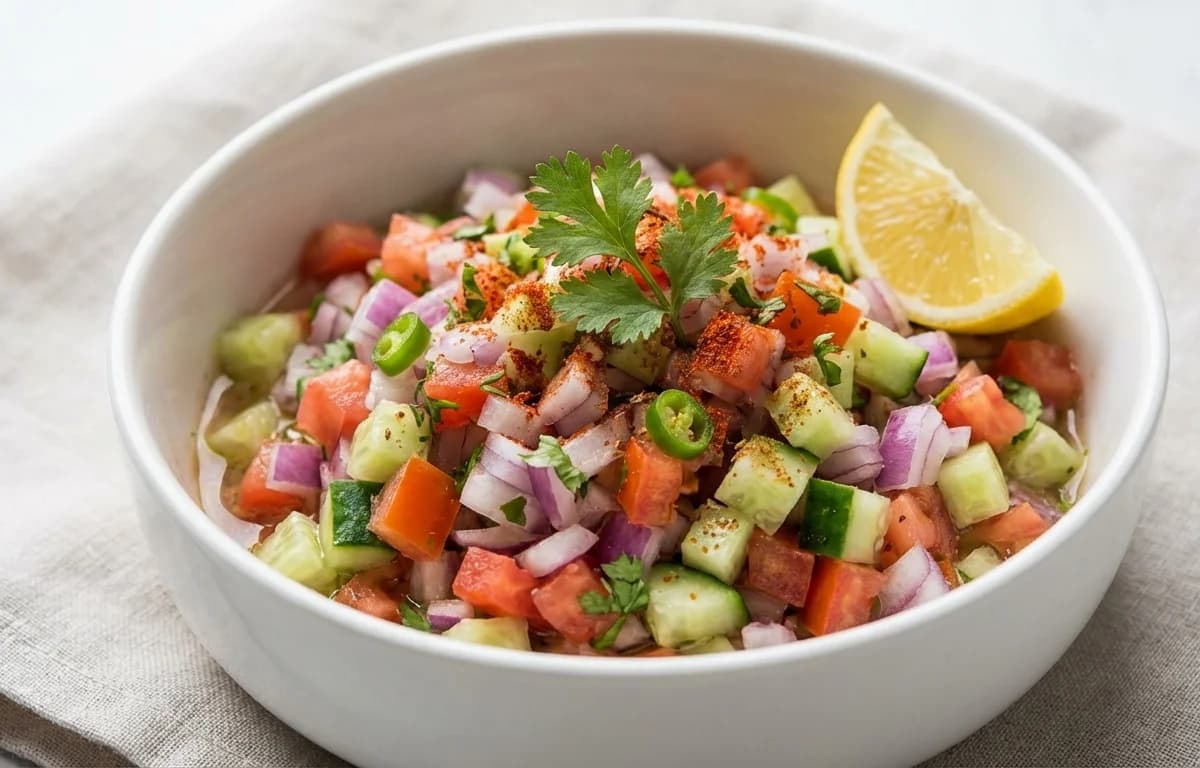
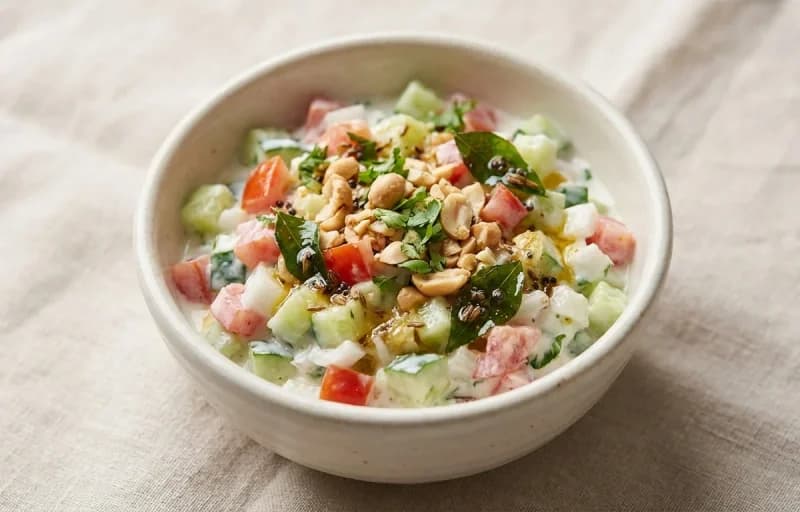
A refreshing and crunchy Indian salad made with chopped onions, tomatoes, and cucumbers. It's seasoned with lemon juice and spices, making it the perfect cooling side dish for spicy curries and biryanis.
About Kerala Beef Roast, Ladi Pav and Kachumber Salad
Hearty, aromatic Beef Roast with soft pao and a fresh salad – a protein-packed, perfectly spiced delight!
This goan dish is perfect for lunch. With 840.3000000000001 calories and 44.160000000000004g of protein per serving, it's a nutritious choice for your meal plan.
fat
Water
(For pressure cooking the beef.)
3 tbsp Coconut Oil (Essential for authentic flavor.)
1 tsp Mustard Seeds
20 pcs Curry Leaves (About 2 sprigs.)
0.5 cup Fresh Coconut (Cut into small, thin slivers (thenga kothu).)
2 pcs Onion (Medium-sized, thinly sliced.)
3 pcs Green Chili (Slit lengthwise.)
1 inch Ginger (Finely chopped.)
5 cloves Garlic (Finely chopped.)
0.5 tsp Fennel Powder
Instructions
1
Pressure Cook the Beef
In a pressure cooker, combine the beef cubes, turmeric powder, 1 tsp Kashmiri chili powder, 1.5 tsp coriander powder, black pepper powder, 1 tsp garam masala, ginger-garlic paste, and 1 tsp of salt.
Pour in 1/2 cup of water and mix thoroughly to coat the beef with the spices.
Secure the lid and pressure cook on medium heat for 5-6 whistles, or approximately 25-30 minutes, until the beef is about 90% cooked and tender but still holds its shape.
Allow the pressure to release naturally. Once safe, open the cooker. Strain the beef, reserving the cooking liquid (stock) for later.
2
Prepare the Roast Base
Heat coconut oil in a heavy-bottomed pan or kadai over medium heat. An iron or clay pot works best.
Add the mustard seeds. Once they begin to splutter, add the curry leaves and coconut slivers.
Sauté for 2-3 minutes until the coconut slivers turn a light golden brown and become aromatic.
Add the sliced onions, slit green chilies, chopped ginger, and chopped garlic to the pan.
3
Caramelize Aromatics and Spices
Sauté the onion mixture for 10-12 minutes, stirring frequently, until the onions are deeply golden brown and caramelized. This step is crucial for developing the rich flavor and dark color of the dish.
Reduce the heat to low. Add the remaining 1 tsp Kashmiri chili powder, 1 tsp coriander powder, 0.5 tsp garam masala, and the fennel powder.
Stir continuously for about 1 minute until the raw smell of the spices disappears and they are fragrant.
4
Slow Roast the Beef
Add the cooked beef pieces to the pan. Mix well to ensure each piece is thoroughly coated with the masala.
Sprinkle the remaining 0.5 tsp of salt (or to taste) and mix again.
Increase the heat to medium-low and begin the roasting process. Stir every 3-4 minutes to prevent sticking.
When the mixture starts to look dry, add 2-3 tablespoons of the reserved beef stock to remoisten it. Continue to roast.
Repeat this process of roasting and adding stock for 15-20 minutes. The beef will gradually darken, the masala will cling to the pieces, and oil will start to separate from the sides.
Once the beef reaches a deep, dark brown color and a semi-dry consistency, turn off the heat. Garnish with a few fresh curry leaves if desired. Let it rest for 10 minutes before serving for the flavors to meld.
Servings6
Serving size: 1 serving
297cal
7gprotein
54gcarbs
5gfat
Ingredients
3 cup maida (approx 375g)
1.5 tsp instant dry yeast
2 tbsp sugar
1 tsp salt
0.5 cup milk (warm)
0.5 cup water (warm, adjust as needed)
2 tbsp butter (melted)
1 tbsp butter for brushing (melted)
Instructions
1
Activate the yeast. In a small bowl, combine the warm milk, warm water, sugar, and instant yeast. Stir gently and let it sit for 5-10 minutes until the mixture becomes frothy.
2
Make the dough. In a large mixing bowl, whisk together the all-purpose flour and salt. Pour in the frothy yeast mixture and the 2 tbsp of melted butter. Mix with a spatula or your hands until a shaggy dough forms.
3
Knead the dough. Transfer the dough to a lightly floured surface. Knead for 8-10 minutes until the dough is smooth, soft, and elastic. It should spring back when you press it lightly.
4
First proofing. Place the dough in a lightly greased bowl and cover it with a damp cloth or plastic wrap. Let it rise in a warm place for 60-75 minutes, or until it has doubled in size.
5
Shape the pav. Gently punch down the risen dough to release the air. Divide the dough into 12 equal portions. Roll each portion into a smooth ball, tucking the edges underneath. Grease a 9x9 inch baking pan. Arrange the dough balls in the pan, placing them close enough to touch each other as they rise.
6
Second proofing. Cover the pan with a damp cloth and let the pav rise again for about 30 minutes, or until they are puffy and have almost doubled.
7
Bake the pav. Preheat your oven to 375°F (190°C). Gently brush the tops of the risen pav with the 2 tbsp of milk. Bake for 15-20 minutes, or until they are golden brown on top. If they brown too quickly, you can cover them loosely with aluminum foil for the last 5 minutes.
8
Finish and serve. As soon as the pav come out of the oven, brush them generously with the remaining 1 tbsp of melted butter. Let them cool in the pan for a few minutes before transferring to a wire rack. Serve warm.