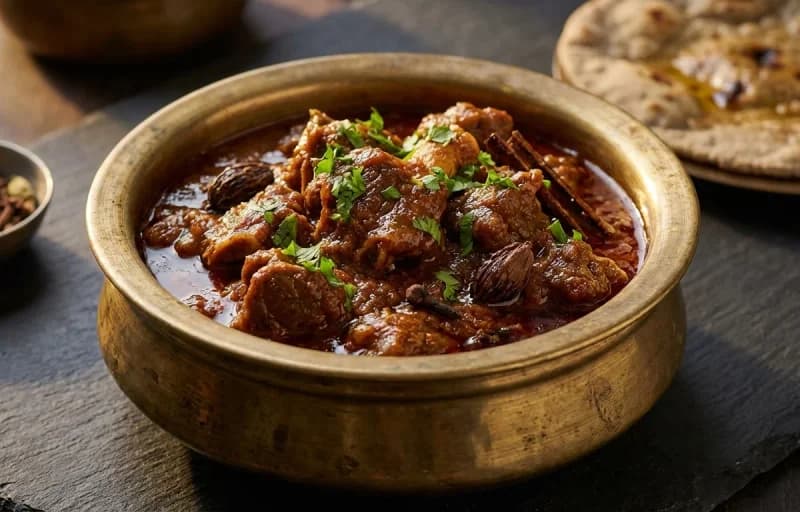
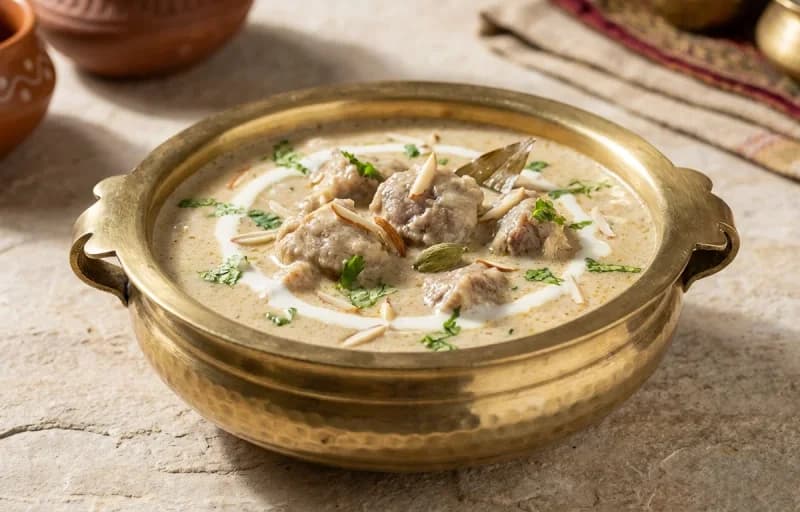
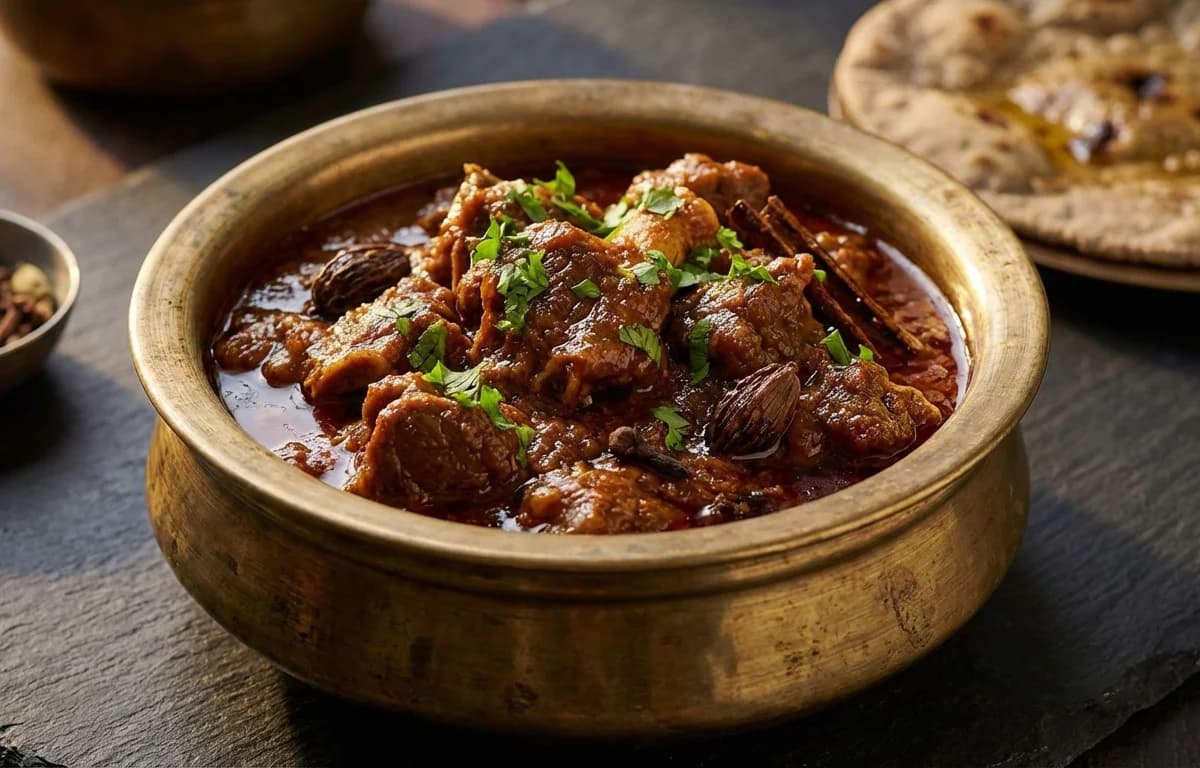
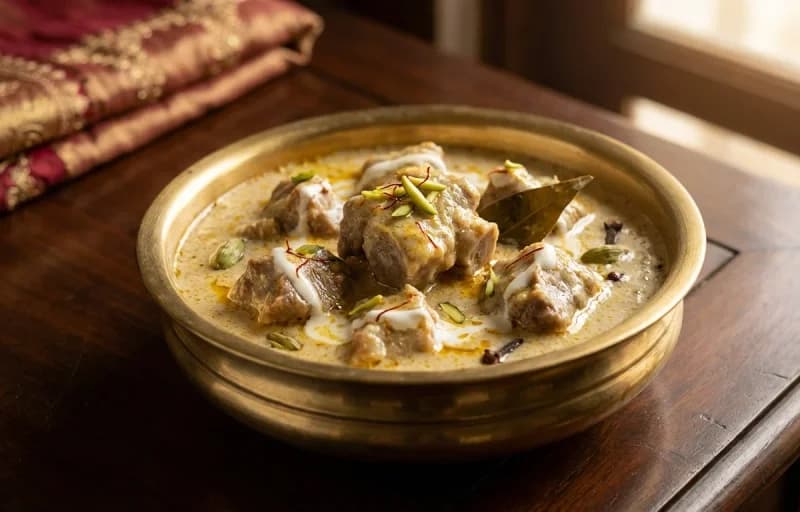
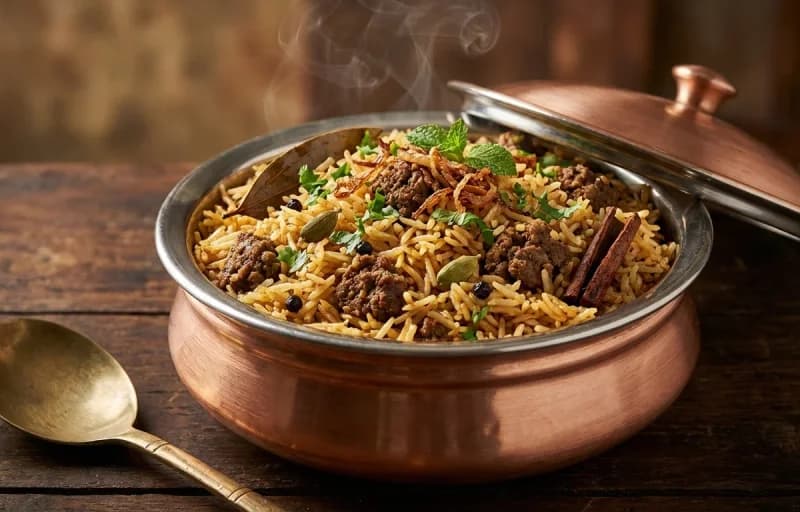
A legendary Rajasthani delicacy where a whole rabbit is marinated in a fiery spice blend, stuffed with aromatics, wrapped in leaves and dough, and slow-cooked in a traditional underground pit. This ancient technique results in incredibly tender, smoky, and flavorful meat—a true culinary adventure.
Prep60 min
Cook180 min
Servings4
Serving size: 1 serving
1255cal
96gprotein
111gcarbs
51g
Ingredients
1 whole Whole Rabbit (about 1.2 kg, cleaned)
1 cup Thick Curd (whisked until smooth)
3 tbsp Ginger Garlic Paste
2 tbsp Red Chili Powder (Preferably Mathania chili for authentic flavor)
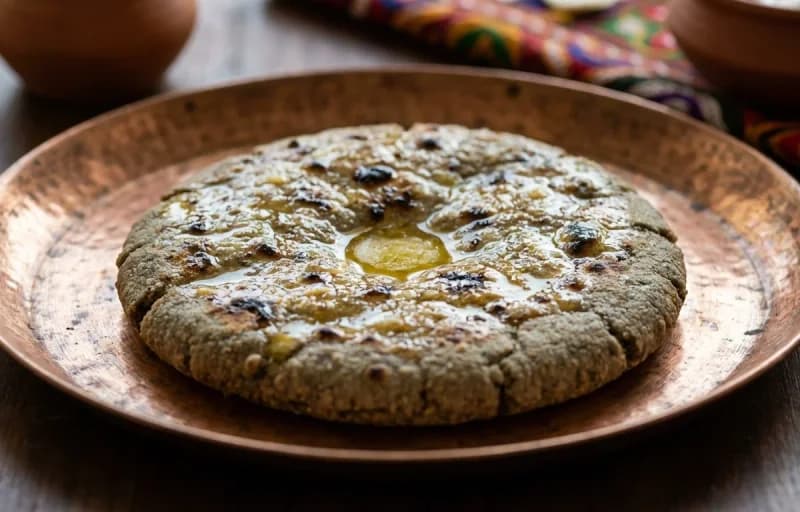
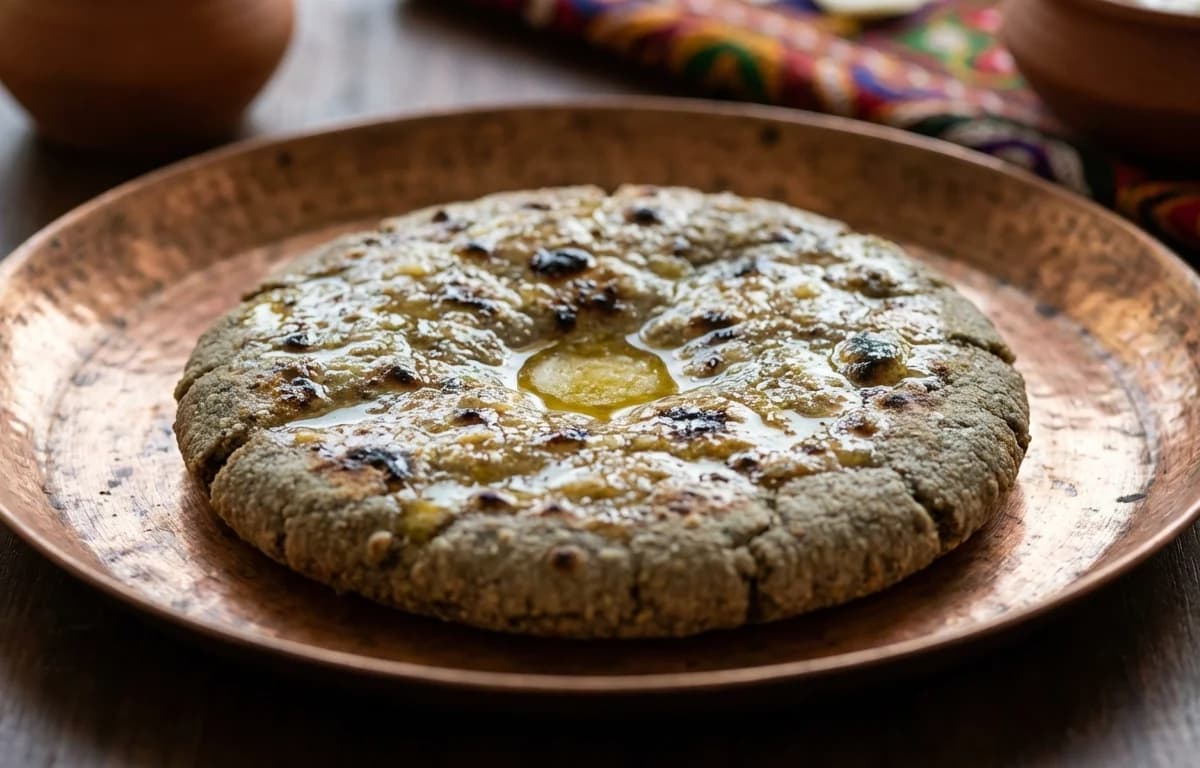
A rustic, gluten-free flatbread from Rajasthan, made from pearl millet flour. It has a nutty, earthy flavor and a slightly coarse texture, perfect for pairing with spicy curries or simply with a dollop of ghee and jaggery.
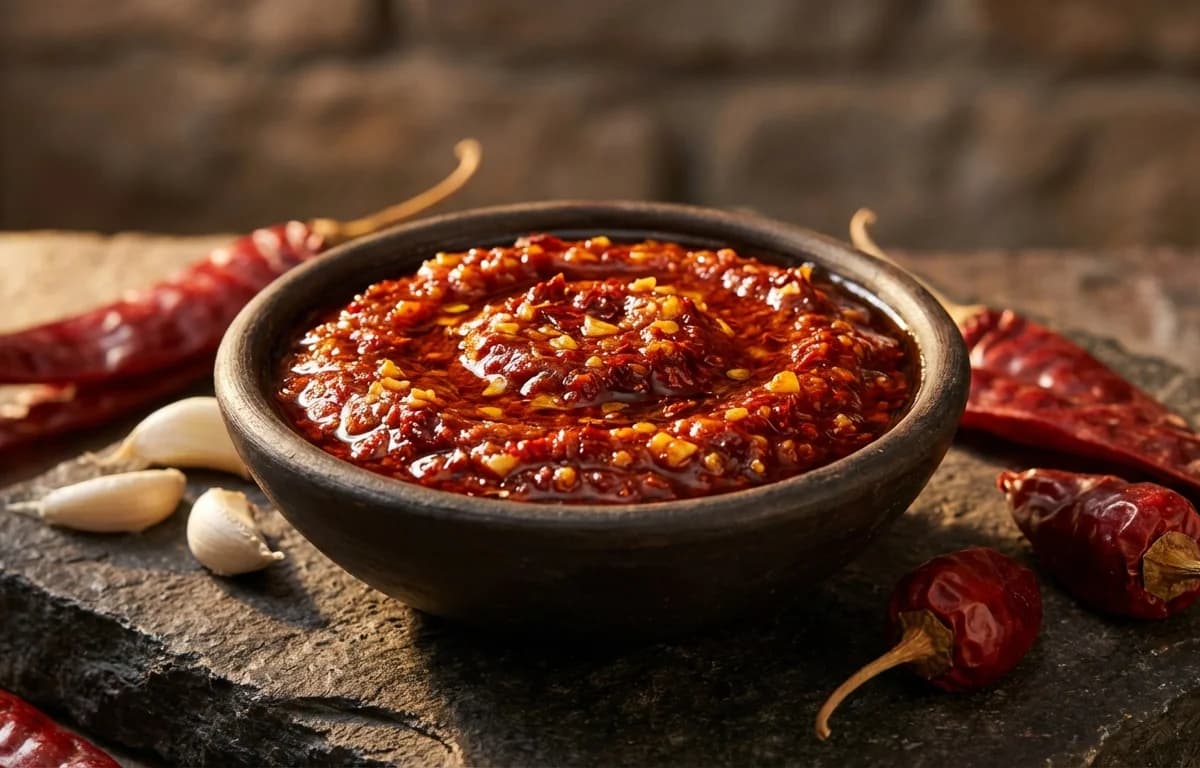
A fiery and pungent Rajasthani condiment made from fresh garlic and dried red chilies. This vibrant red chutney, also known as Lasun ki Chutney, adds a powerful kick to any meal, especially traditional pairings like bajra rotis, dal baati churma, or even as a zesty spread.
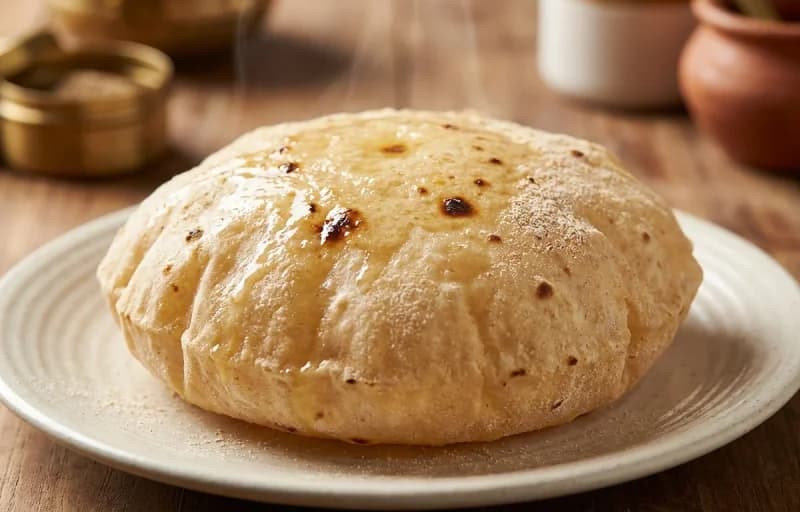
About Khad Khargosh, Bajra Roti and Lehsun Chutney
Perfectly spiced Khad Khargosh with wholesome Bajra Roti. A rich, soul-satisfying treat!
This rajasthani dish is perfect for dinner. With 1572.23 calories and 103.79g of protein per serving, it's a nutritious choice for your meal plan.
fat
2 tsp Salt (for the marinade)
2 medium Onion (roughly chopped for stuffing)
4 whole Green Chilies (slit lengthwise for stuffing)
10 cloves Garlic (whole, for stuffing)
2 inch Ginger (julienned, for stuffing)
6 whole Cloves (for stuffing)
5 whole Green Cardamom Pods (for stuffing)
1 inch Cinnamon Stick (for stuffing)
4 large leaves Banana Leaves (for wrapping)
4 cup Atta (for the outer dough casing)
1.5 cup Water (approximately, for kneading the dough)
Instructions
1
Marinate the Rabbit (6-8 hours)
Clean the rabbit thoroughly, inside and out, and pat it completely dry with paper towels.
Using a sharp knife, make deep gashes all over the rabbit's body. This allows the marinade to penetrate deep into the meat.
In a large bowl, whisk together the thick curd, ginger-garlic paste, red chili powder, turmeric powder, coriander powder, cumin powder, garam masala, 2 tsp salt, lemon juice, and melted ghee to form a thick, smooth paste.
Generously rub this marinade all over the rabbit, ensuring you push it into the gashes and inside the body cavity.
Cover the bowl and refrigerate for at least 6 hours, or preferably overnight for maximum flavor and tenderness.
2
Stuff and Truss the Rabbit (15 minutes)
In a separate bowl, combine all the stuffing ingredients: chopped onions, slit green chilies, whole garlic cloves, julienned ginger, cloves, green cardamom pods, and the cinnamon stick.
Remove the marinated rabbit from the refrigerator. Firmly pack the stuffing mixture into the rabbit's cavity.
Use kitchen twine to truss the rabbit's legs together tightly, securing the stuffing inside and creating a compact shape.
3
Wrap the Rabbit for Cooking (20 minutes)
Gently warm the banana leaves over a low flame for a few seconds. This makes them pliable and prevents them from tearing during wrapping.
Wrap the stuffed rabbit tightly in 2-3 layers of the softened banana leaves, creating a secure, leak-proof parcel.
In a large mixing bowl, combine the atta and 1 tsp of salt. Gradually add water and knead to form a very stiff, non-sticky dough.
Roll the dough out into a thick sheet, about 1/2-inch thick, large enough to completely encase the rabbit parcel.
Place the leaf-wrapped rabbit in the center of the dough. Fold the dough over, pressing and sealing all edges meticulously. There should be no cracks or gaps.
4
Prepare the Cooking Pit (1 hour)
SAFETY: Choose a safe, open area away from flammable materials. Dig a pit in the ground approximately 2-3 feet deep and wide enough to comfortably hold the rabbit parcel.
Fill the bottom of the pit with hardwood charcoal or wood and light a fire.
Allow the fire to burn for about an hour, or until it dies down to a thick bed of glowing, white-hot embers.
Carefully clear a small depression in the center of the embers to place the parcel.
5
Cook in the Pit (3 hours)
Using long tongs, carefully place the dough-wrapped rabbit parcel directly into the depression on the hot embers.
Cover the parcel completely with the surrounding embers.
Dampen a burlap sack (jute bag) with water and place it over the embers. This creates steam and helps maintain a moist cooking environment.
Cover the entire pit with a metal sheet or a large flat stone. Seal the edges with mud or sand to make it airtight, trapping all the heat and steam inside.
Let the rabbit cook undisturbed for 3 hours.
6
Unearth and Serve (15 minutes)
SAFETY: Wear heavy-duty gloves. Carefully remove the mud seal and the metal sheet. Stand back as a large amount of hot steam will be released.
Using a shovel and tongs, cautiously dig out the cooked parcel. It will be extremely hot.
Place the parcel on a large tray. The dough casing will be blackened and hard like terracotta. Use a small hammer or the back of a heavy ladle to crack it open.
Carefully peel away the hard dough casing, then unwrap the fragrant banana leaves to reveal the succulent, perfectly cooked rabbit.
Carve the meat and serve immediately with traditional accompaniments like bajra roti (pearl millet flatbread), onion slices, and lemon wedges.
276cal
7gprotein
42gcarbs
9gfat
Ingredients
2 cup Bajra Flour (Also known as pearl millet flour)
0.5 tsp Salt (Adjust to taste)
1 cup Warm Water (Use as needed, the amount may vary)
2 tbsp Ghee (For serving)
Instructions
1
Prepare the Dough
In a wide bowl or parat, combine the 2 cups of bajra flour and 0.5 tsp of salt. Mix well.
Gradually add warm water, a little at a time, and start gathering the flour to form a shaggy dough.
Once the flour comes together, begin kneading. Use the heel of your palm to push and press the dough for 5-7 minutes. This process is crucial for a smooth, crack-free roti.
The final dough should be soft, smooth, and pliable, similar to the consistency of chapati dough. It should not be sticky or too stiff.
Cover the dough with a damp cloth and let it rest for 15 minutes. Do not rest it for too long as it can become dry.
2
Shape the Rotis
After resting, knead the dough again for one minute.
Divide the dough into 8 equal portions and roll them into smooth, crack-free balls.
Take one ball of dough. Dust your palms with a little dry bajra flour.
Gently flatten the ball and start patting it between your palms, rotating it as you go, to form a thin disc of about 4-5 inches in diameter. This is the traditional method.
For an easier method, place a dough ball on a piece of parchment paper or a plastic sheet. Flatten it slightly, cover with another sheet, and use a rolling pin to gently roll it into a 4-5 inch circle of about 1/4 inch thickness.
3
Cook the Rotis
Heat a cast-iron or earthen tawa (griddle) over medium-high heat. The tawa should be hot before you place the roti on it.
Carefully lift the rolled roti and place it on the hot tawa.
Cook for about 45-60 seconds on the first side, or until you see small bubbles and the color changes slightly.
Flip the roti using tongs and cook the other side for about a minute until light brown spots appear.
For a soft, puffed roti, you can now place it directly on a low open flame using tongs. It will puff up in seconds. Flip to cook both sides evenly. Alternatively, press the roti gently on the tawa with a folded kitchen towel to help it puff up.
Repeat the process for all the remaining dough balls.
4
Serve
Once cooked, remove the roti from the heat and immediately brush it generously with ghee.
Serve the hot Bajra Roti with Rajasthani curries like Gatte ki Sabzi, dal, or simply with a dollop of white butter (makhan) and a piece of jaggery (gur).
15 Kashmiri Red Chilies (For vibrant color and mild heat)
5 Guntur Red Chilies (For heat, adjust quantity to your preference)
1 cup Garlic Cloves (Peeled)
3 tbsp Mustard Oil (For authentic flavor and preservation)
1 tsp Cumin Seeds
2 tbsp Lemon Juice (Freshly squeezed)
1 tsp Salt (Adjust to taste)
0.25 cup Water (As needed for grinding)
Instructions
1
Prepare the Chilies
Remove the stems from both Kashmiri and Guntur red chilies.
Place them in a medium bowl and cover completely with hot water.
Let the chilies soak for at least 30 minutes to soften. This makes them easier to grind into a smooth paste.
2
Grind the Chutney Paste
Drain the soaked chilies, reserving the soaking water.
In a grinder or blender jar, combine the soaked chilies, peeled garlic cloves, and cumin seeds.
Add 2-3 tablespoons of the reserved chili water and grind into a thick, smooth paste. Scrape down the sides of the jar as needed and add more water, one tablespoon at a time, only if necessary to facilitate grinding.
3
Cook the Chutney
Heat the mustard oil in a small, heavy-bottomed pan over medium-high heat until it just begins to smoke. This process tempers the oil and reduces its pungency.
Reduce the heat to low and let the oil cool for 30 seconds. Carefully add the ground garlic-chili paste to the pan. It will splutter, so stand back.
Stirring continuously, cook the paste on low heat for 7-10 minutes. This step is crucial to cook the raw garlic and enhance the flavor.
Continue cooking until the paste darkens to a deep red color and you see the oil starting to separate from the sides of the mixture.
4
Finish and Store
Turn off the heat. Stir in the salt and fresh lemon juice until well combined.
Allow the chutney to cool down completely to room temperature.
Once cooled, transfer the Lehsun Chutney to a clean, dry, and sterilized airtight glass jar. Store in the refrigerator for up to 4 weeks.