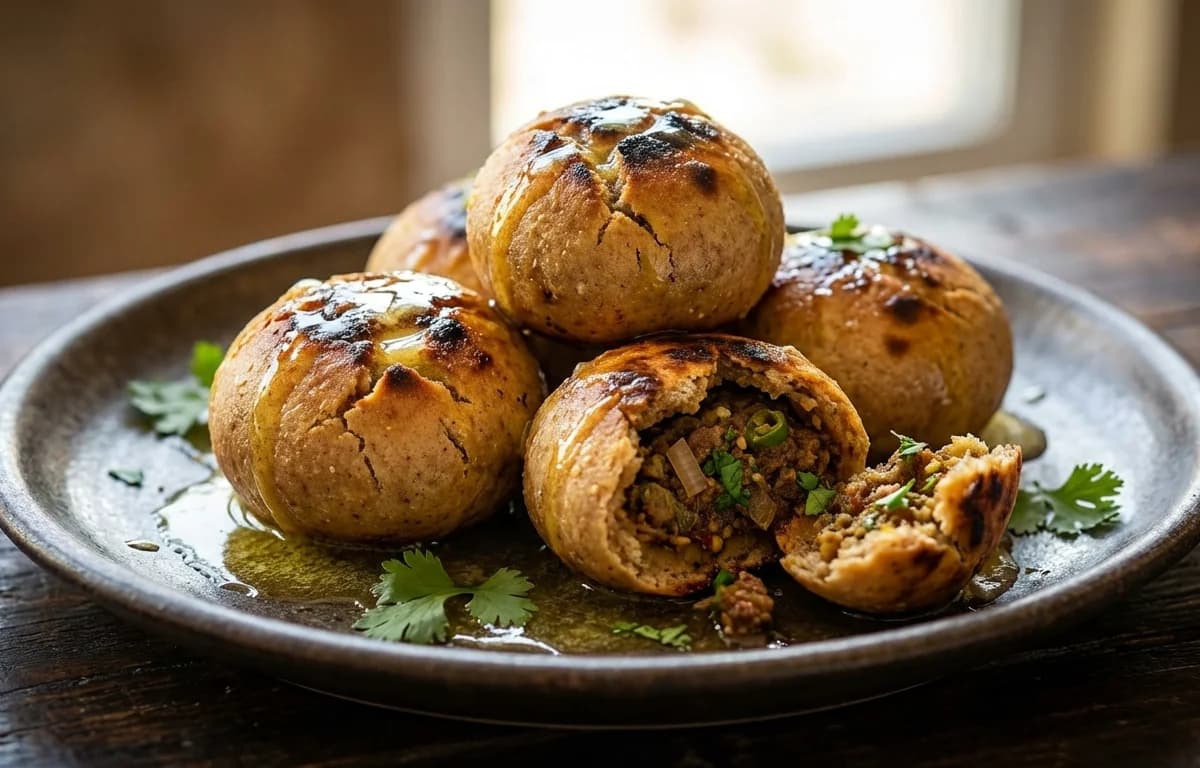
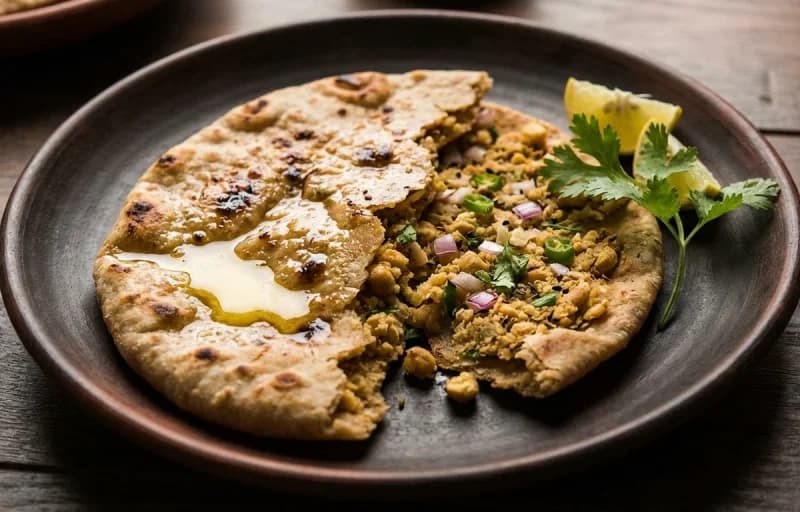
A rustic and hearty dish from Bihar, featuring whole wheat dough balls stuffed with spiced sattu, roasted until golden, and served with a rich, flavorful mutton curry. A true culinary gem.
Prep45 min
Cook90 min
Servings4
Serving size: 1 serving(3 littis with approximately 1.5 cups of mutton curry)
980cal
72gprotein
91gcarbs
39g
Ingredients
750 g Mutton (Bone-in, curry cut)
2 cup Atta (For the litti dough)
1.5 cup Sattu (Roasted gram flour, for the filling)
4 medium Onion (Thinly sliced, for the curry)
2 medium Tomato (Finely chopped)
6 tbsp Mustard Oil (Divided use: 4 tbsp for curry, 2 tbsp for filling)
Aromatic and nutty clarified butter, a staple in Indian cooking. Making ghee at home is simple, rewarding, and results in a pure, flavorful cooking fat perfect for sautéing, frying, and tempering.
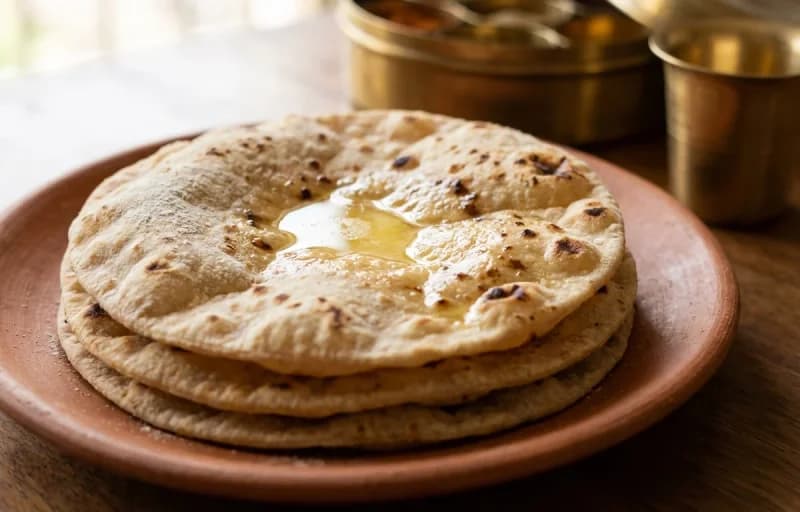
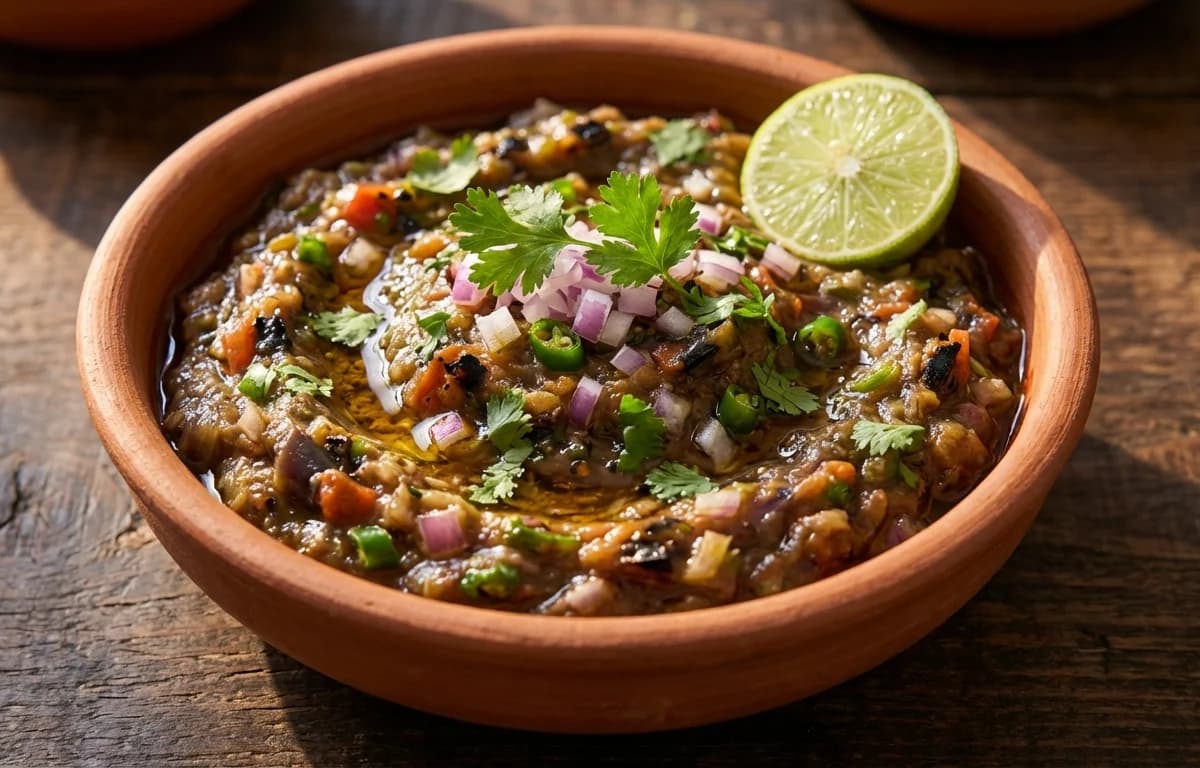
A rustic and smoky mashed eggplant dish from Bihar, made by roasting eggplant and tomatoes over an open flame and mixing with pungent mustard oil, onions, and spices. A classic side for litti or roti.
Soul-satisfying Mutton Litti with ghee and Baingan Chokha - a protein-packed, homestyle feast!
This bihari dish is perfect for snack. With 1277.7200000000003 calories and 74.85g of protein per serving, it's a nutritious choice for your meal plan.
fat
(Finely chopped, for the filling)
1 inch Ginger (Grated, for the filling)
2 pcs Green Chili (Finely chopped, for the filling)
3 tbsp Coriander Leaves (Chopped, for the filling)
2 tbsp Lemon Juice
1 tbsp Mango Pickle Masala (Or any tangy Indian pickle masala)
2 pcs Bay Leaf
3 pcs Dried Red Chili
1 inch Cinnamon Stick
4 pcs Cloves
3 pcs Green Cardamom
1.5 tsp Red Chili Powder (Adjust to taste)
0.5 tsp Turmeric Powder
2 tsp Coriander Powder
1 tsp Cumin Powder
1 tsp Garam Masala
0.5 tsp Ajwain (Carom seeds)
0.5 tsp Kalonji (Nigella seeds)
3 tsp Salt (Divided use: 0.5 tsp for dough, 1 tsp for filling, 1.5 tsp for curry)
0.75 cup Water (For kneading dough, adjust as needed)
2 cup Hot Water (For the curry)
Instructions
1
Start the Mutton Curry
Heat 4 tbsp of mustard oil in a pressure cooker over medium-high heat until it's slightly smoking.
Add the bay leaves, dried red chilies, cinnamon stick, cloves, and green cardamoms. Sauté for 30 seconds until fragrant.
Add the 4 thinly sliced onions and fry for 12-15 minutes, stirring occasionally, until they are deep golden brown. This is crucial for the curry's flavor.
Add the ginger-garlic paste and cook for 2 minutes until the raw smell disappears.
Add the mutton pieces and sear on high heat for 5-7 minutes until browned on all sides.
Lower the heat. Add turmeric powder, red chili powder, coriander powder, cumin powder, and 1.5 tsp salt. Stir well and cook for 5 minutes, until the spices are fragrant.
Add the chopped tomatoes and cook for 8-10 minutes, until they turn soft and oil starts to separate from the masala.
Pour in 2 cups of hot water, stir well, and lock the pressure cooker lid.
Cook on high heat for one whistle, then reduce the heat to low and cook for 25-30 minutes, or until the mutton is tender.
Turn off the heat and allow the pressure to release naturally.
2
Prepare the Litti Dough
While the mutton is cooking, combine the atta, 2 tbsp ghee, ajwain, and 0.5 tsp salt in a large bowl.
Gradually add water and knead into a firm, smooth dough. It should be stiffer than regular chapati dough.
Cover with a damp cloth and let it rest for at least 30 minutes.
3
Prepare the Sattu Filling
In another bowl, combine the sattu, 1 finely chopped small onion, chopped garlic, grated ginger, green chilies, coriander leaves, kalonji, mango pickle masala, 2 tbsp mustard oil, lemon juice, and 1 tsp salt.
Mix everything thoroughly. The mixture should be crumbly but hold its shape when pressed. If too dry, add a teaspoon or two of water.
4
Stuff and Shape the Litti
Preheat your oven to 200°C (400°F). Line a baking tray with parchment paper.
Divide the rested dough into 12 equal-sized balls.
Take one ball and flatten it with your fingers to form a 3-inch cup shape.
Place about 1.5 to 2 tablespoons of the sattu filling in the center.
Bring the edges of the dough together, pinching to seal the filling completely. Remove any excess dough from the top.
Roll it gently between your palms to form a smooth, crack-free ball. Slightly flatten it.
Repeat with the remaining dough and filling.
5
Bake the Litti
Arrange the stuffed littis on the prepared baking tray.
Bake in the preheated oven for 20-25 minutes, flipping them halfway through, until they are golden brown with a hard crust.
6
Finish the Curry and Serve
Once the pressure has released from the cooker, open the lid. Stir in the garam masala.
Simmer the curry for another 5 minutes on low heat if you prefer a thicker gravy.
While the curry simmers, take the hot baked littis. Using a kitchen towel, gently crack the top of each litti to allow the ghee to seep in.
Dip each cracked litti generously in the 1/2 cup of melted ghee.
Serve the hot, ghee-soaked littis immediately with the flavorful mutton curry.
136cal
0gprotein
0gcarbs
15gfat
Ingredients
1 lb Unsalted Butter (High-quality, grass-fed butter will yield the most flavorful and nutritious ghee.)
Instructions
1
Melt the Butter
Cut the unsalted butter into 1-inch cubes to ensure even melting.
Place the butter cubes in a heavy-bottomed, medium-sized saucepan or pot.
Heat the pot over medium-low heat. Allow the butter to melt completely without stirring, which should take about 5-7 minutes.
2
Simmer and Clarify
Once melted, increase the heat slightly to a medium-low simmer. The butter will go through several stages.
First, it will come to a boil and a layer of white foam (milk solids) will form on top. Let it simmer gently.
After 10-15 minutes, the foam will start to thin, the bubbling will become finer, and the liquid will turn more transparent.
Continue simmering. The milk solids will begin to sink to the bottom and turn a golden-brown color. The bubbling will become very quiet, and the liquid will be clear and golden. This process takes about 10 more minutes.
The key indicator that the ghee is ready is a distinct nutty, popcorn-like aroma. Be very watchful at this stage to prevent the solids from burning.
3
Strain the Ghee
Immediately remove the pot from the heat once the milk solids are golden brown and the aroma is nutty.
Let the ghee cool in the pot for about 5-10 minutes to reduce the risk of burns.
Line a fine-mesh sieve with 2-3 layers of cheesecloth and place it over a clean, completely dry, heatproof glass jar.
Carefully and slowly pour the hot ghee through the cheesecloth-lined sieve, leaving the browned milk solids behind in the pot.
4
Cool and Store
Allow the strained ghee to cool completely to room temperature in the jar, uncovered. As it cools, it will solidify and become opaque.
Once fully cooled and solidified, seal the jar with an airtight lid.
Store the ghee in a cool, dark pantry for up to 3 months, or in the refrigerator for up to a year.
1 large Eggplant (about 450g, round variety preferred)
2 medium Tomato (ripe and firm)
1 medium Onion (finely chopped)
5 cloves Garlic (3 whole for roasting, 2 finely chopped)
3 pcs Green Chili (finely chopped, adjust to taste)
1 inch Ginger (finely grated)
3 tbsp Mustard Oil (raw, for authentic pungent flavor)
1 tbsp Lemon Juice (freshly squeezed)
2 tbsp Coriander Leaves (freshly chopped)
1 tsp Salt (or to taste)
1 tsp Vegetable Oil (for greasing vegetables)
Instructions
1
Prepare and Roast Vegetables
Wash the eggplant and tomatoes thoroughly. Pat them dry.
Using a knife, make 3-4 deep slits across the eggplant. Peel 3 cloves of garlic and insert one into each slit. This infuses the eggplant with a roasted garlic flavor.
Grease the eggplant and tomatoes with 1 tsp of vegetable oil. This helps the skin char and peel easily.
Place the eggplant and tomatoes directly on a medium flame on a gas stove, using a wire rack if you have one. Roast for 15-20 minutes, turning them every few minutes with tongs, until the eggplant is completely soft and its skin is charred and blistered. The tomatoes will cook faster (about 7-10 minutes).
Once roasted, transfer the vegetables to a plate and let them cool for 10 minutes until they are safe to handle.
2
Peel and Mash
Once cooled, gently peel off the charred skin from the eggplant and tomatoes. The skin should come off easily. You can dip your fingers in a bowl of water to help remove any stubborn bits of skin.
Discard the stem of the eggplant. Place the roasted eggplant pulp, tomatoes, and the roasted garlic cloves from inside the eggplant into a large mixing bowl.
Using a fork or a potato masher, mash the vegetables together. Aim for a coarse, rustic texture, not a smooth puree.
To the mashed vegetables, add the finely chopped onion, the remaining 2 cloves of finely chopped raw garlic, green chilies, and grated ginger.
Pour in the raw mustard oil, fresh lemon juice, and salt to taste.
Mix everything together thoroughly with a spoon until all the ingredients are well combined.
4
Garnish and Serve
Garnish the Baingan Chokha with freshly chopped coriander leaves.
Let the chokha rest at room temperature for at least 15 minutes. This allows the pungent flavors of the raw onion, garlic, and mustard oil to meld beautifully with the smoky vegetables.
Serve at room temperature with litti, sattu paratha, or plain roti.