
non-vegetariandairy-free
kerala
Kerala Parotta with Kerala Chicken Roast
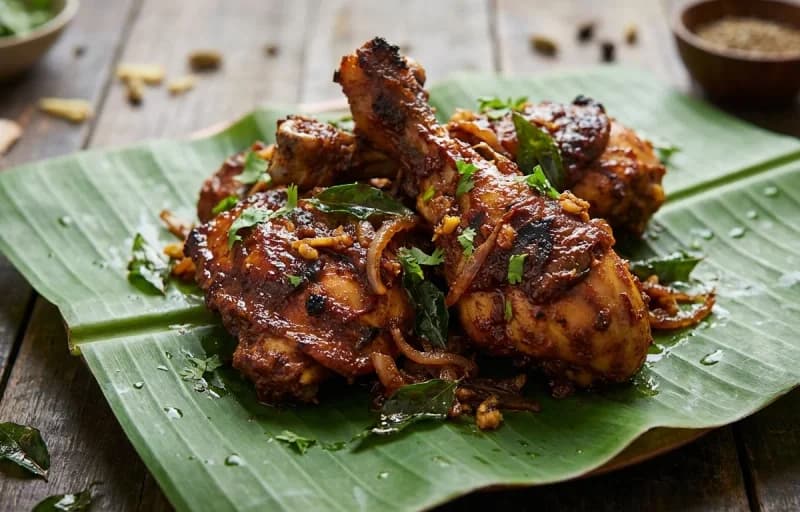
Flaky porotta with perfectly spiced, aromatic Chicken Roast. Pure comfort food, mom's recipe style!
65 min
1062 cal
39gProtein
75gCarbs
68gFat
2Recipes
Loading...
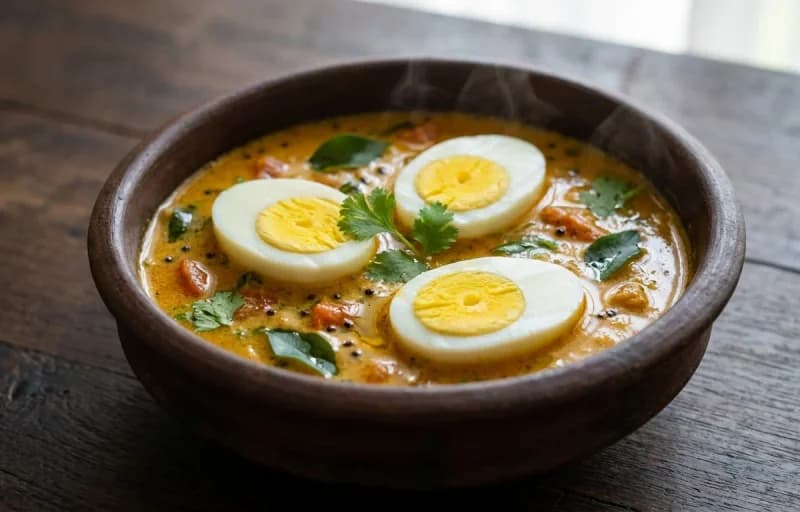
Flaky, melt-in-mouth Kerala Parotta with creamy, aromatic Nadan Mutta Curry. Pure comfort food!
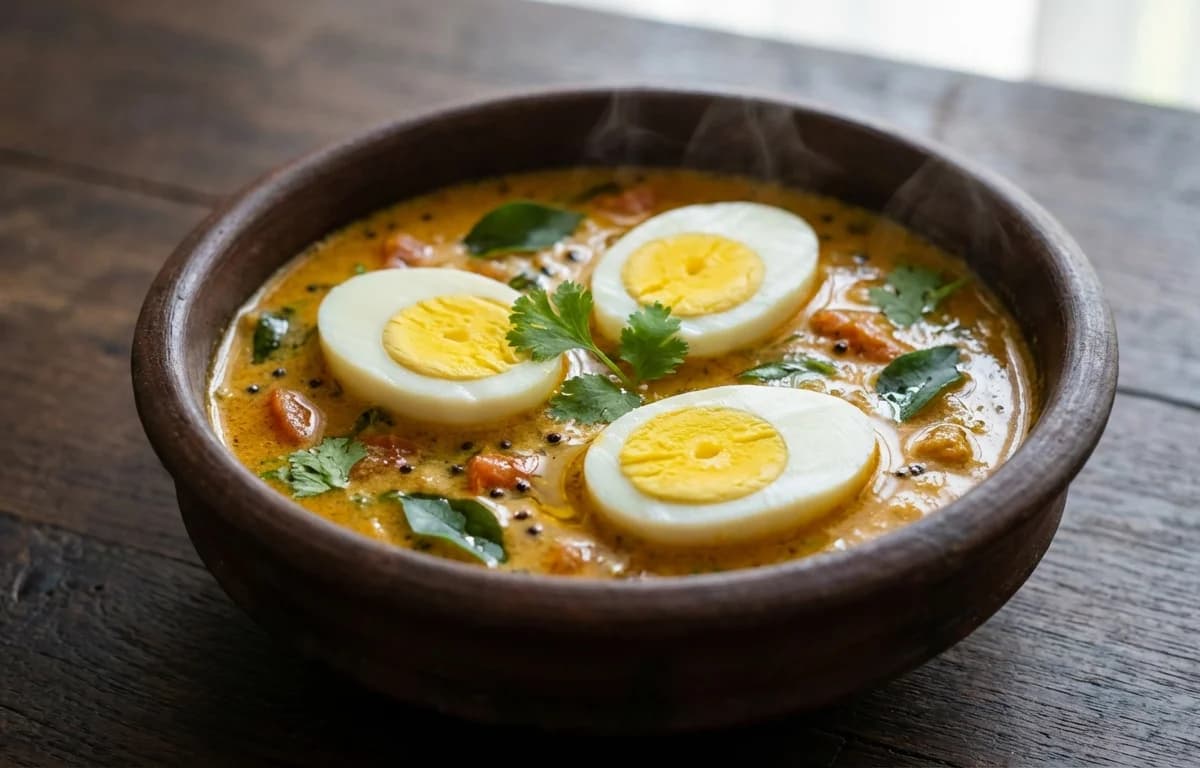
A classic Kerala egg curry where boiled eggs are simmered in a rich, aromatic gravy of coconut milk, onions, tomatoes, and fragrant spices. This comforting dish is a staple in South Indian homes and pairs perfectly with appam, idiyappam, or rice.
Serving size: 1 serving(1 cup of curry with 2 boiled eggs)
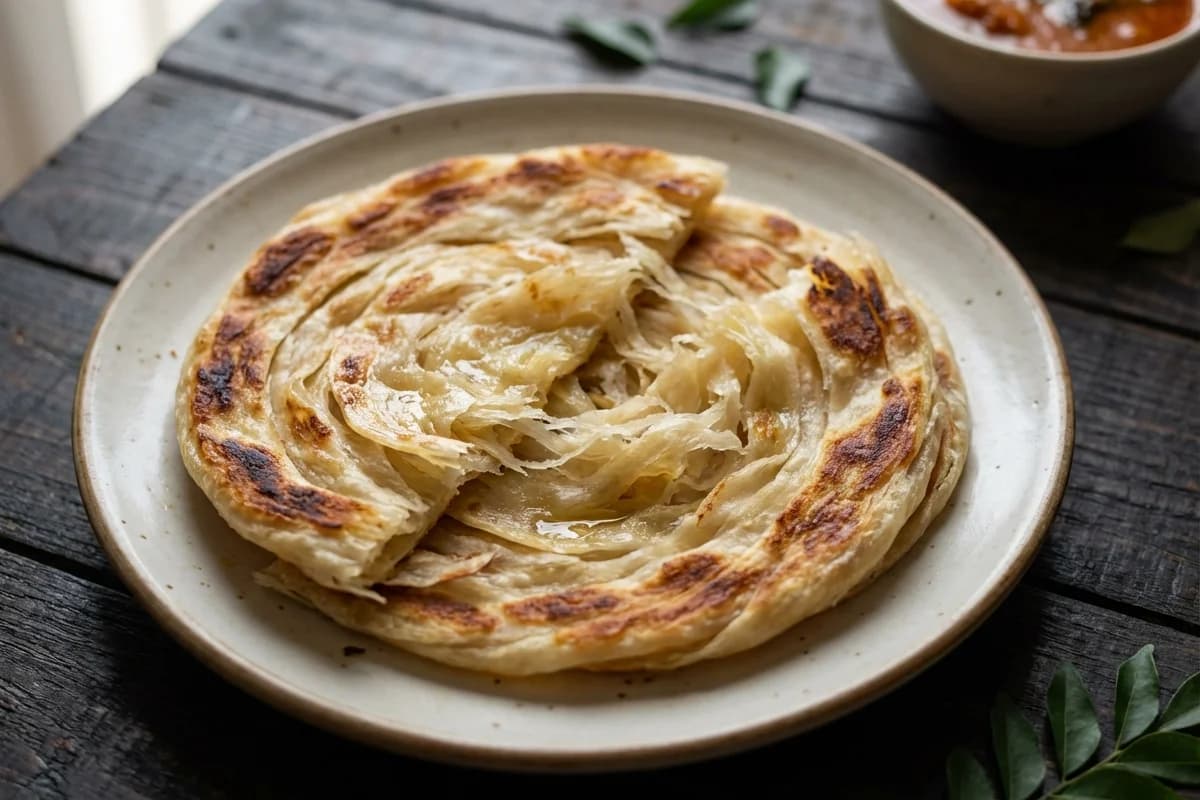
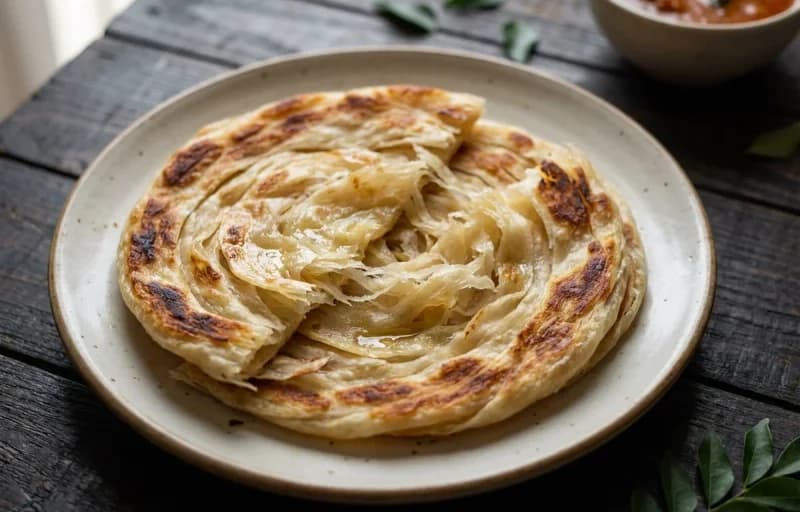
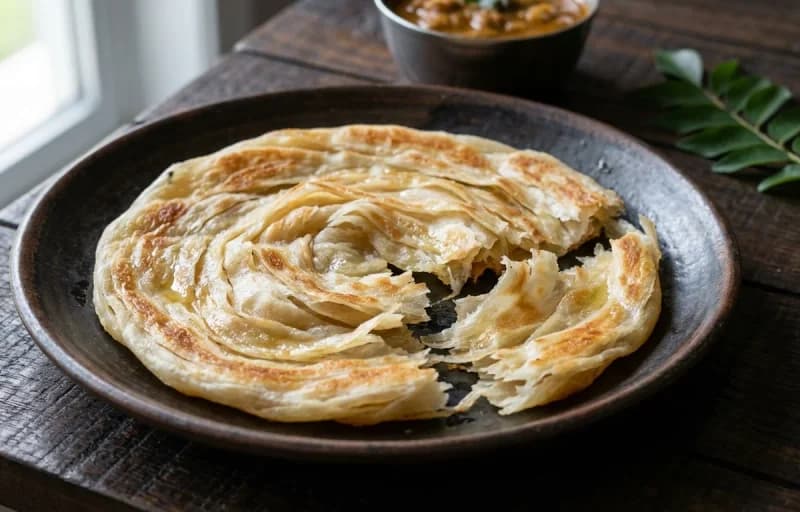
Flaky, layered, and irresistibly soft, this South Indian flatbread is a street food classic. Known as Kerala Parotta, it's famous for its intricate layers and chewy texture. Perfect for sopping up rich, spicy curries, making it at home is a rewarding culinary experience.
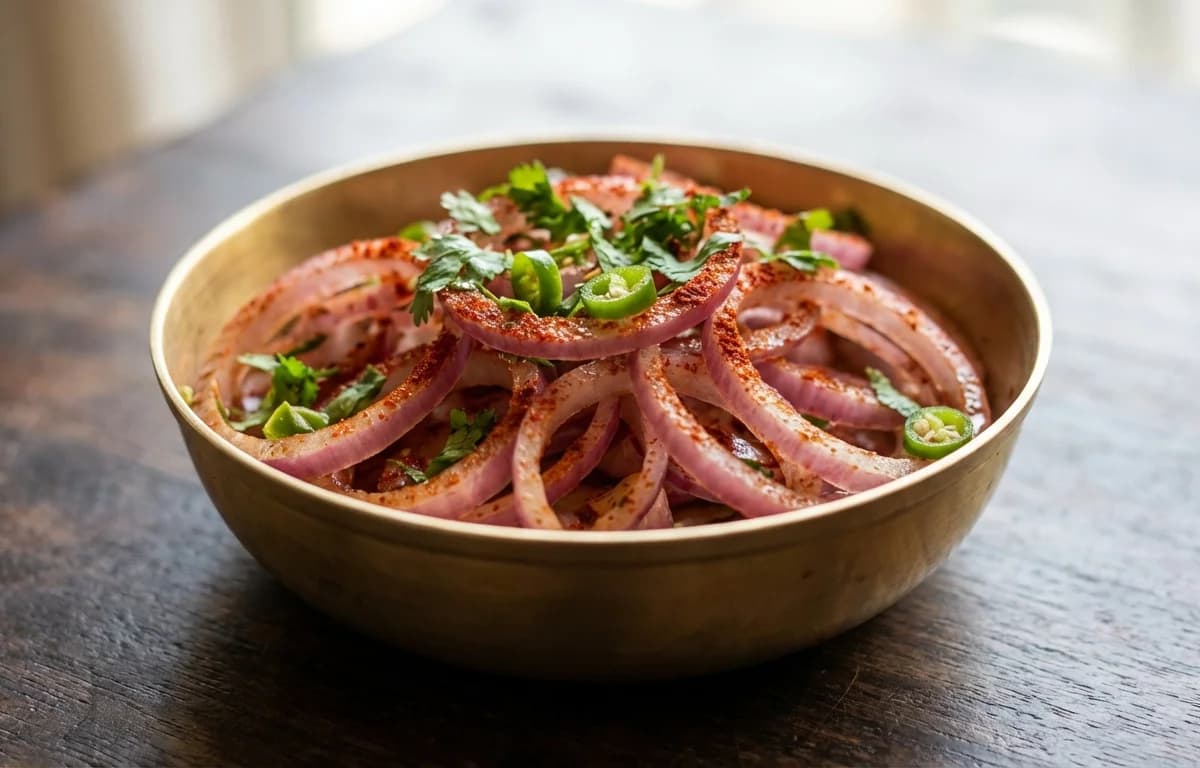
Crisp, sweet onion rings marinated in a tangy apple cider vinegar dressing with fresh parsley. A perfect, refreshing topping for burgers, grilled meats, or as a simple side for any barbecue.
Flaky porotta with perfectly spiced, aromatic Chicken Roast. Pure comfort food, mom's recipe style!
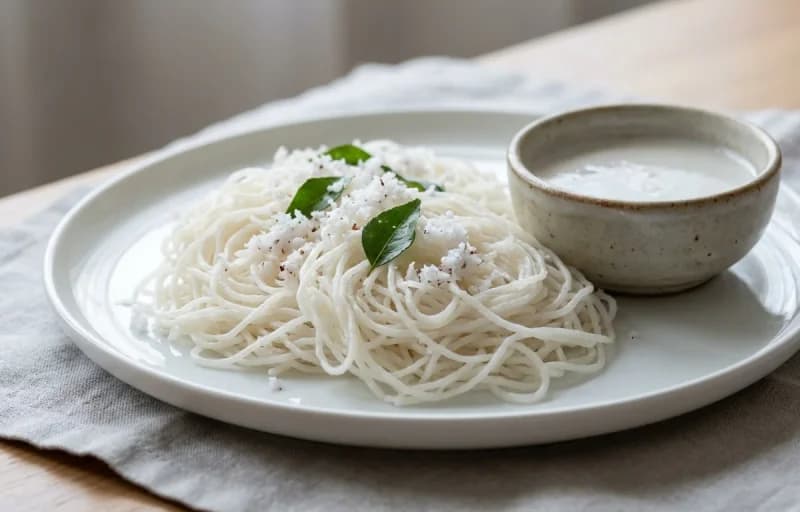
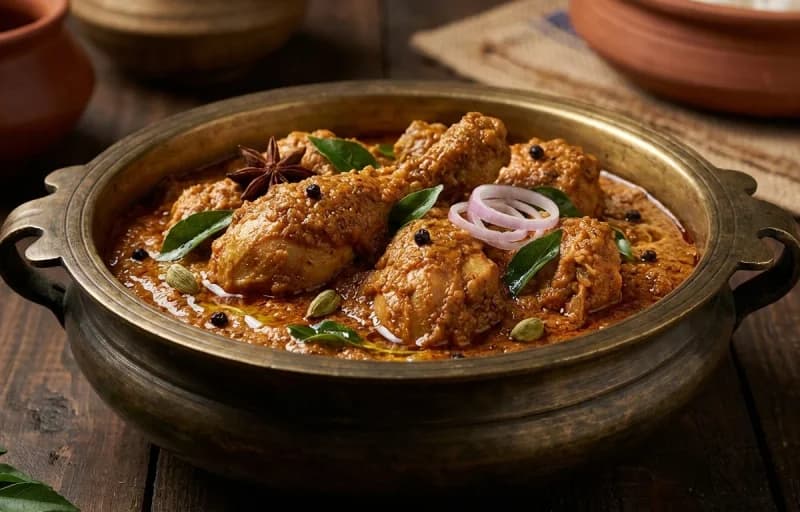
Light Idiyappam with creamy, aromatic Varutharacha Kozhi Curry. A soul-satisfying, homestyle treat!
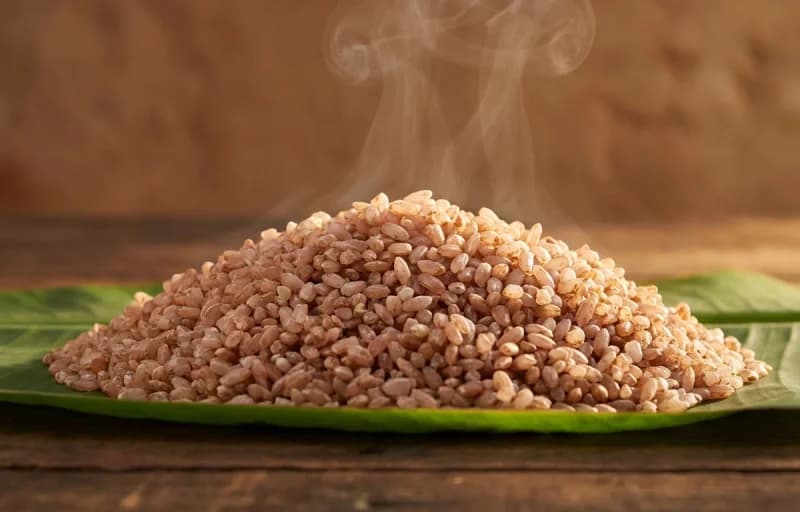
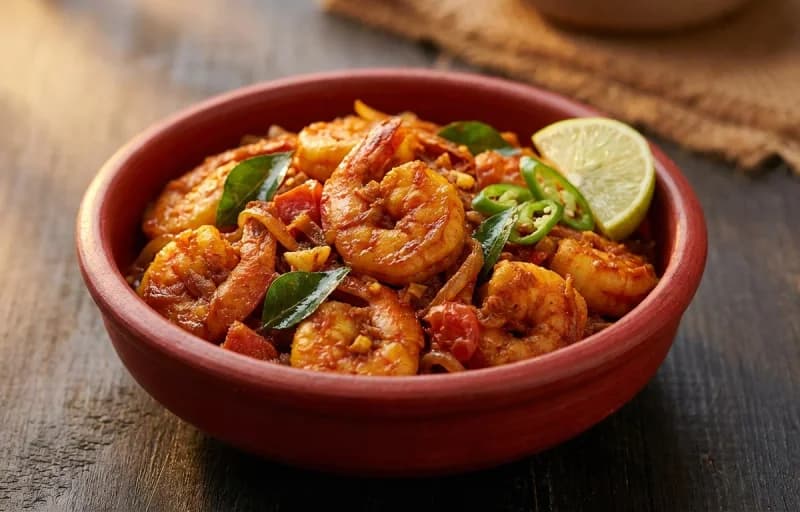
Fiber-rich Matta Rice with aromatic Chemmeen Roast and tangy Sambar. A homestyle, gut-friendly meal!
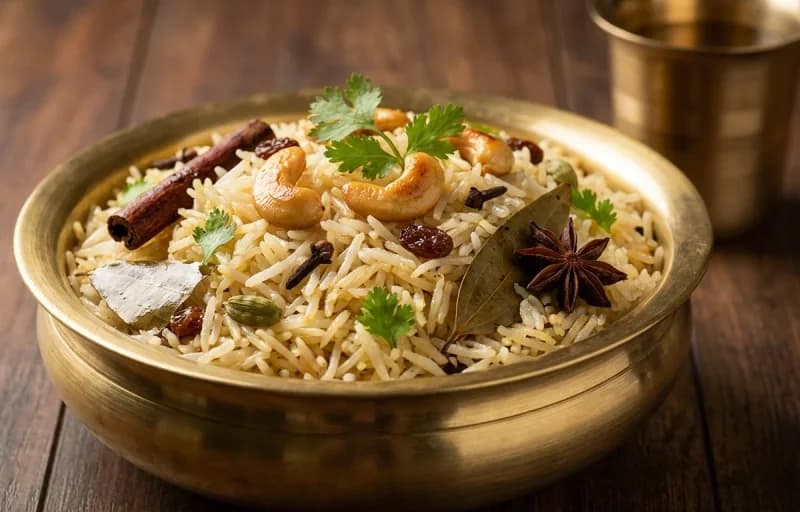
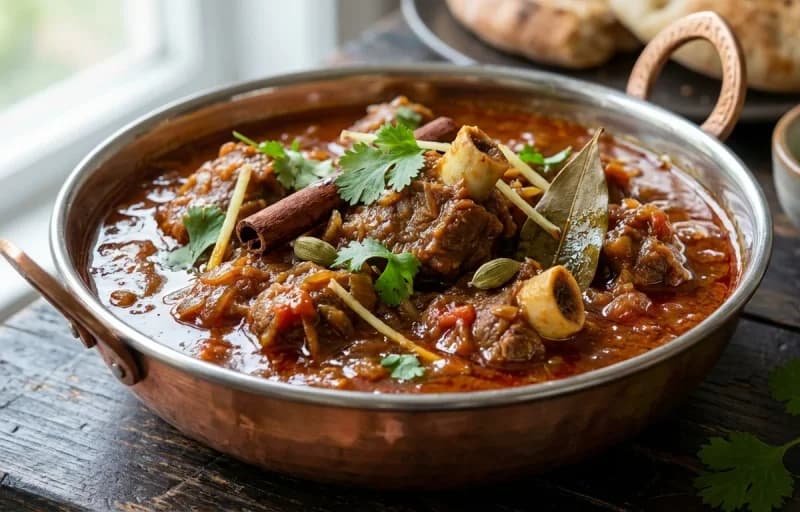
Aromatic Ghee Rice with protein-packed Mutton Curry and a fresh salad. An energy-giving feast!
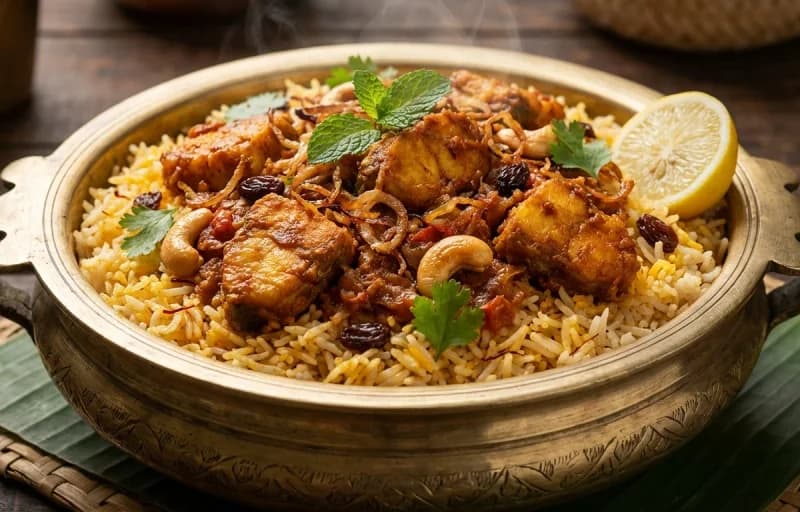
Aromatic and perfectly spiced Malabar Fish Biryani – a gut-friendly, soul-satisfying meal!
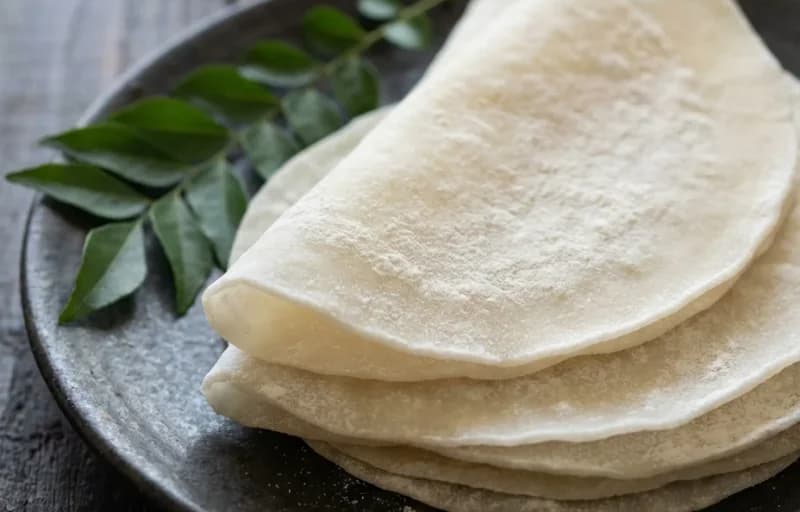
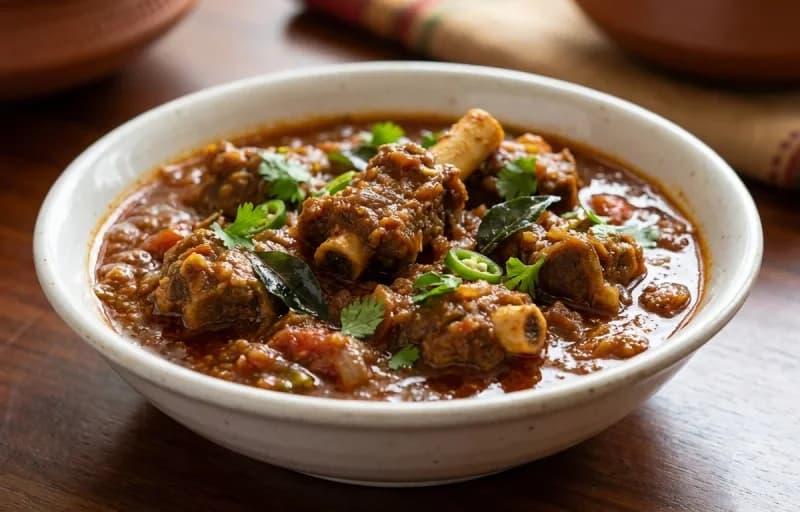
Light Pathiri with a melt-in-mouth, perfectly spiced Nadan Mutton Curry. Pure soul-satisfying bliss!
Flaky, melt-in-mouth Kerala Parotta with creamy, aromatic Nadan Mutta Curry. Pure comfort food!
This kerala dish is perfect for lunch. With 1251.81 calories and 25.71g of protein per serving, it's a nutritious choice for your meal plan.
Prepare the Eggs: Place the eggs in a saucepan and cover with cold water. Bring to a boil, then reduce heat and simmer for 10 minutes. Drain and transfer to an ice bath to cool. Once cool, peel the eggs and make 2-3 shallow slits on each one. This helps them absorb the gravy. Set aside.
Sauté Aromatics: Heat coconut oil in a wide pan or kadai over medium heat. Add mustard seeds and let them splutter completely, about 30 seconds. Add the curry leaves and slit green chillies, and sauté for another 30 seconds until fragrant.
Caramelize Onions: Add the sliced onions and a pinch of salt to the pan. Sauté, stirring frequently, for 10-12 minutes until they are soft, translucent, and have turned a deep golden brown. This step is crucial for the flavor of the curry. Add the ginger-garlic paste and cook for 1-2 minutes until the raw aroma disappears.
Build the Masala: Add the chopped tomatoes and cook for 5-6 minutes, mashing them with the back of your spoon, until they are completely soft and oil begins to separate. Reduce the heat to low, then add all the spice powders: turmeric, Kashmiri red chilli, coriander, and black pepper. Stir continuously for 1-2 minutes until fragrant. If the spices stick, add a splash of water.
Simmer the Curry: Pour in the thin coconut milk and the remaining salt. Stir well, scraping the bottom of the pan. Bring the mixture to a gentle simmer. Carefully add the slit boiled eggs to the gravy. Cover the pan and cook on low heat for 5-7 minutes, allowing the eggs to soak up the flavors.
Finish and Garnish: Stir in the garam masala powder. Turn the heat to the lowest setting and pour in the thick coconut milk. Gently mix and heat through for just 1-2 minutes. Do not let the curry boil after adding thick coconut milk, as it may curdle. Turn off the heat, garnish with fresh coriander leaves, and serve hot.
Serving size: 1 serving
Prepare and Rest the Dough
Divide and Soak the Dough
Stretch, Pleat, and Coil
Cook the Parotta
Fluff and Serve
Serving size: 1 serving
Prepare the onions
Soak for crispness
Drain and dry
Season and toss
Serve immediately