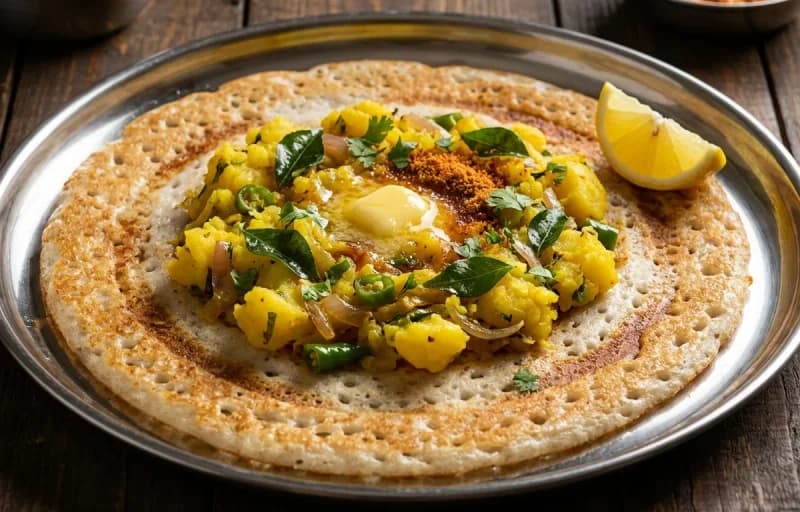
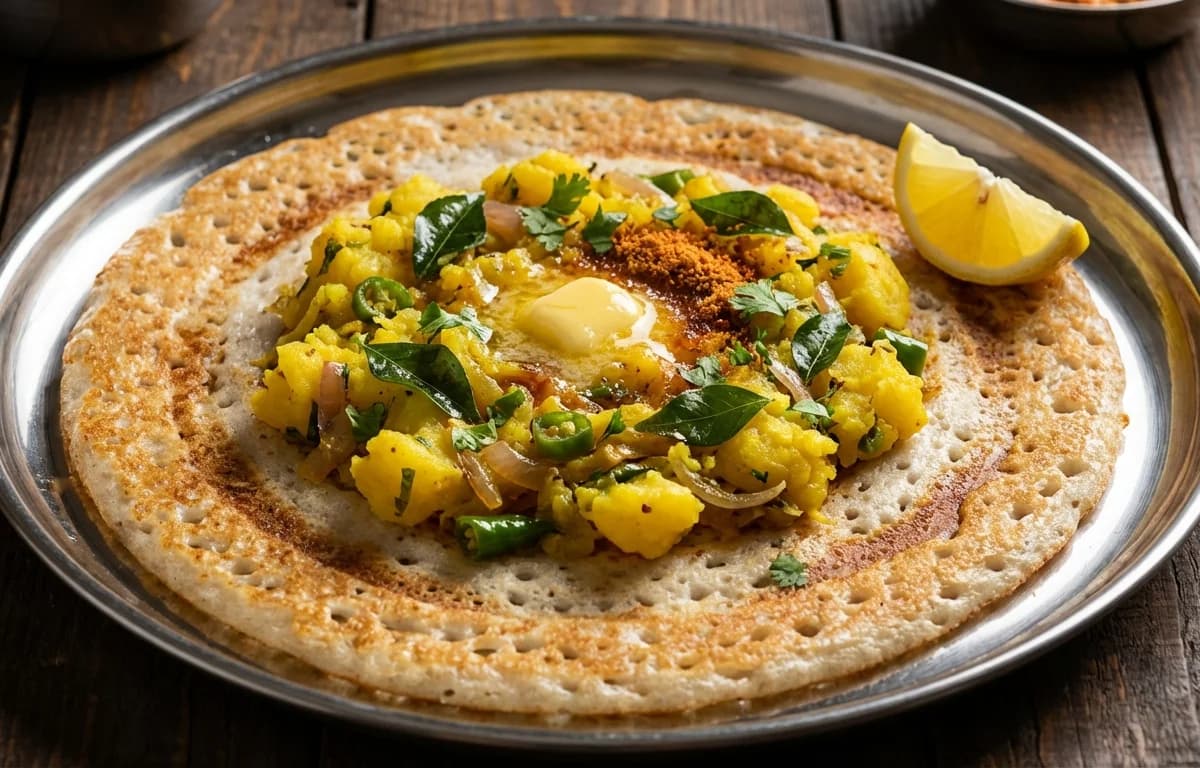
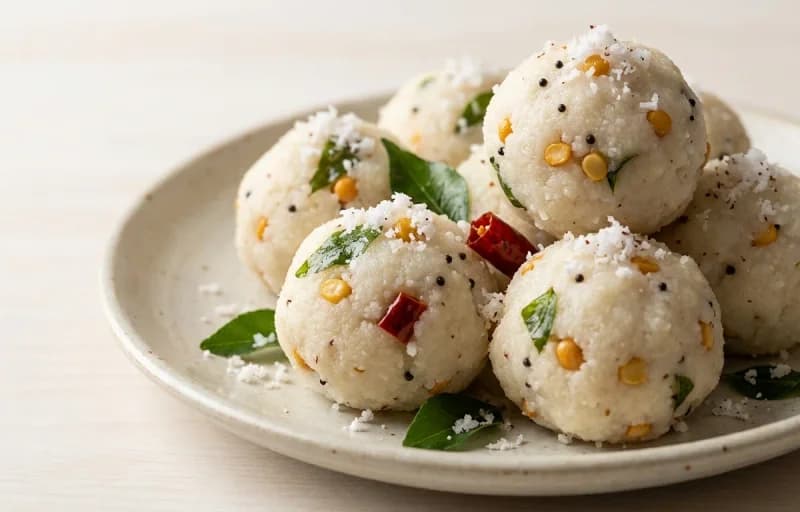
A popular Karnataka breakfast where a soft, thick, spongy dosa is served open-faced, generously topped with a spicy potato masala, aromatic chutney powder, and a dollop of butter. A delicious and filling meal that's a feast for the senses.
Prep40 min
Cook40 min
Soak360 min
Ferment480 min
Servings4
Serving size: 1 serving(2 open dosas with topping)
825cal
18gprotein
111gcarbs
Ingredients
1.5 cup Dosa Rice (Also known as idli rice. Creates a soft texture.)
0.5 cup Urad Dal (Skinned and split black gram lentils.)
0.25 cup Thick Poha (Flattened rice, adds softness to the dosa.)
1 tsp Fenugreek Seeds (Also known as methi seeds.)
3 cup Water (For soaking and grinding, use more as needed.)
1.5 tsp Salt (Divided use: 1 tsp for masala, 0.5 tsp for batter.)
500 g Potatoes (About 4 medium, boiled, peeled, and coarsely mashed.)
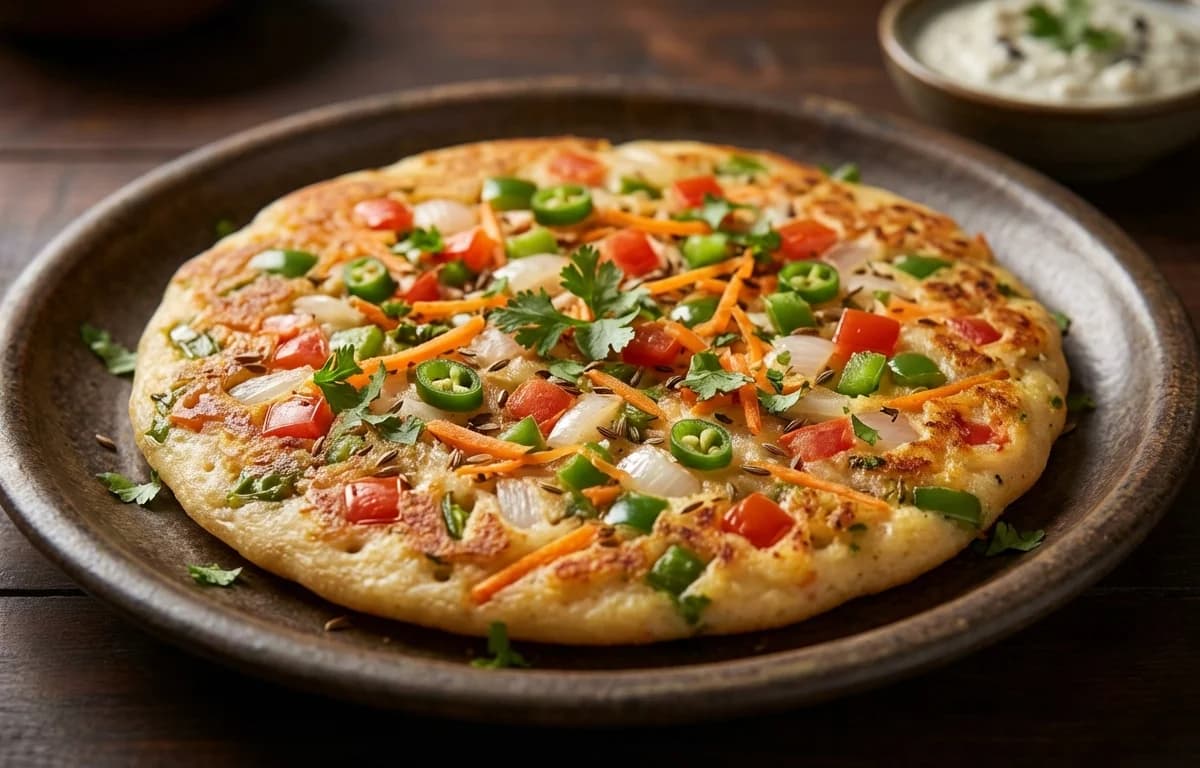
A vibrant and flavorful mix of finely chopped vegetables, perfect for sprinkling over uttapam batter. This classic South Indian topping adds a delightful crunch, fresh taste, and a boost of nutrients to your breakfast.
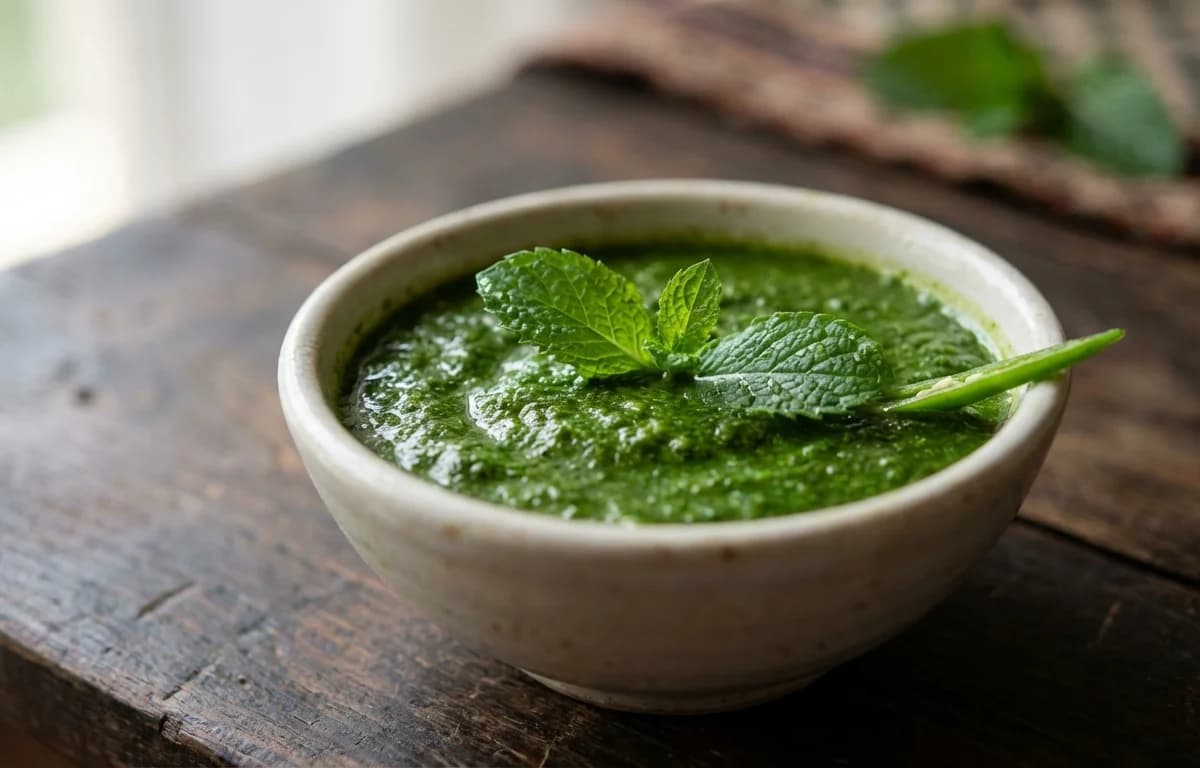
A vibrant and refreshing Indian condiment made with fresh mint, cilantro, and a hint of spice. This classic green chutney, also known as Pudina Chutney, is the perfect zesty accompaniment for samosas, chaat, kebabs, and sandwiches.
Rinse the dosa rice and urad dal separately 3-4 times until the water runs clear. In a large bowl, combine the rinsed rice, urad dal, and fenugreek seeds. Add enough water to cover by at least 2 inches and let it soak for 6 hours.
In a separate small bowl, rinse the poha and soak it in just enough water to cover for 15 minutes before you start grinding.
Drain the soaking water from the rice and dal mixture. Transfer to a high-speed blender or wet grinder. Add the soaked and drained poha.
Grind the mixture to a smooth, fine batter, adding about 1 to 1.5 cups of cold water gradually. The batter should be thick but pourable, slightly thicker than regular dosa batter.
Transfer the batter to a large, non-reactive container (like stainless steel or glass). Ensure the container is only half-full to allow room for fermentation. Cover with a lid (not airtight) and let it ferment in a warm, dark place for 8 to 12 hours, or until it has risen, looks bubbly, and has a pleasant sour aroma.
2
Prepare the Potato Masala (Aloo Bhaji)
Heat 2 tbsp of vegetable oil in a kadai or pan over medium heat. Once hot, add the mustard seeds and let them splutter.
Add the chana dal and sauté for about 30-45 seconds until it turns light golden. Be careful not to burn it.
Add the curry leaves, hing, chopped green chillies, and grated ginger. Sauté for another 30 seconds until fragrant.
Add the finely chopped onions and cook until they become soft and translucent, which should take about 5-6 minutes.
Stir in the turmeric powder and 1 tsp of salt. Mix well.
Add the coarsely mashed potatoes to the pan. Mix everything gently, breaking up any large potato chunks, until the potatoes are well-coated with the spices. Cook for 2-3 minutes.
Turn off the heat. Stir in the fresh lemon juice and chopped coriander leaves. Set the potato masala aside.
3
Assemble and Cook the Open Dosa
Once the batter is fermented, add 0.5 tsp of salt and stir it gently. Do not overmix, as this will deflate the air pockets.
Heat a non-stick tawa or a well-seasoned cast-iron griddle over medium heat. To check if it's ready, sprinkle a few drops of water; they should sizzle and evaporate immediately.
Grease the tawa lightly with ghee or oil. Pour a large ladleful of batter (about 1/2 cup) onto the center. Spread it gently in a circular motion to form a thick dosa, about 6-7 inches in diameter. Do not make it thin like a regular dosa.
Drizzle about 1 tsp of ghee around the edges and a little on top. Cover with a lid and cook on low-medium heat for 2-3 minutes. The steam helps cook the top surface, making it soft and spongy.
Uncover the dosa. The top should be cooked and no longer liquid. Sprinkle 1 tbsp of chutney powder evenly over the entire surface.
Spoon a generous amount (about 1/4 of the mixture) of the potato masala and spread it evenly over the dosa, leaving a small border around the edge.
Place a dollop of butter (about 1 tbsp) on top of the masala.
Continue to cook for another 1-2 minutes, uncovered, until the base is golden brown and crisp. Do not flip or fold the dosa.
Carefully slide the open dosa onto a serving plate. Repeat the process with the remaining batter and masala.
4
Serve Hot
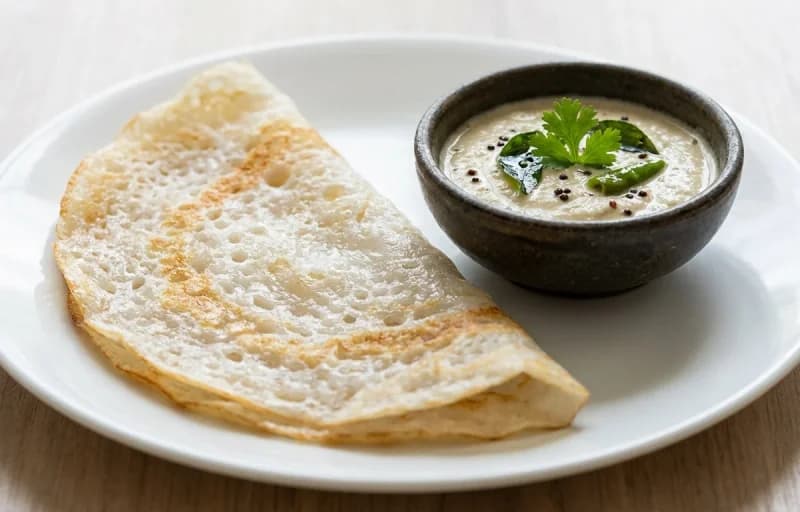
Serve the Open Dosa immediately while it's hot and fresh. It is a complete meal on its own but can be accompanied by coconut chutney or sambar.
29cal
1gprotein
7gcarbs
0gfat
Ingredients
1 pcs Onion (medium, finely chopped)
1 pcs Tomato (medium, deseeded and finely chopped)
0.5 pcs Green Bell Pepper (medium, finely chopped)
1 pcs Carrot (small, finely grated)
2 pcs Green Chillies (finely chopped, adjust to taste)
0.5 inch Ginger (finely grated)
3 tbsp Coriander Leaves (finely chopped)
0.5 tsp Cumin Seeds
0.5 tsp Salt (or to taste, add just before using)
Instructions
1
Prepare the Vegetables
Wash all vegetables thoroughly.
Finely chop the onion, deseeded tomato, and green bell pepper. Aim for a uniform, small dice.
Finely grate the carrot and ginger.
Finely chop the green chillies and coriander leaves.
2
Combine the Topping Mixture
In a medium-sized mixing bowl, add all the prepared vegetables: chopped onion, tomato, bell pepper, grated carrot, ginger, green chillies, and coriander leaves.
Add the cumin seeds to the bowl.
Gently toss everything together until well combined. Do not add salt yet.
3
Final Seasoning and Use
Just before you are ready to make the uttapams, add the salt to the vegetable mixture and give it a final mix.
To use, pour a ladleful of uttapam batter onto a hot tawa. Immediately sprinkle a generous amount of the vegetable topping over the batter.
2 tablespoon Roasted Chana Dal (Acts as a thickener)
2 tablespoon Lemon Juice (Freshly squeezed)
0.75 teaspoon Salt (Adjust to taste)
0.5 teaspoon Black Salt (Also known as Kala Namak)
0.5 teaspoon Sugar (Optional, to balance flavors)
3 tablespoon Ice Cold Water (Or use ice cubes, add as needed for consistency)
Instructions
1
Prepare the Herbs (4 minutes)
Thoroughly rinse the mint and cilantro leaves under cold running water to remove any dirt or grit.
Pluck the mint leaves from their tough stems; discard the stems as they can be bitter.
For the cilantro, you can use the tender stems along with the leaves as they are full of flavor. Roughly chop the bunch.
Gently pat the herbs dry with a clean kitchen towel or paper towels to remove excess water.
2
Combine Ingredients in Blender (1 minute)
Place the prepared mint leaves, cilantro, green chilies (start with one for less heat), chopped ginger, roasted chana dal, lemon juice, salt, black salt, and sugar into a small, high-speed blender jar.
3
Blend to a Smooth Paste (3 minutes)
Add 2-3 tablespoons of ice-cold water or a couple of ice cubes. Using cold water is crucial to prevent the herbs from oxidizing and helps retain their vibrant green color.
Blend for 1-2 minutes, scraping down the sides of the jar with a spatula as needed, until you achieve a smooth, uniform paste.
If the chutney is too thick, add more cold water, 1 teaspoon at a time, and blend again until you reach your desired consistency. Be careful not to make it too watery.