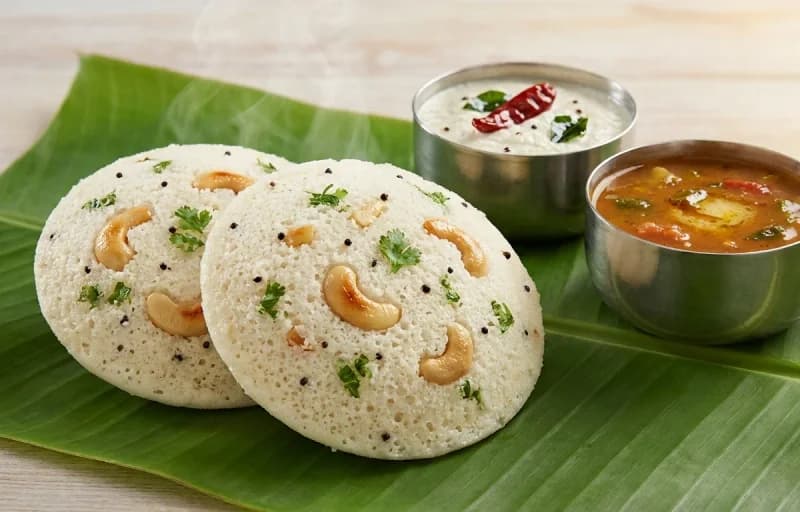
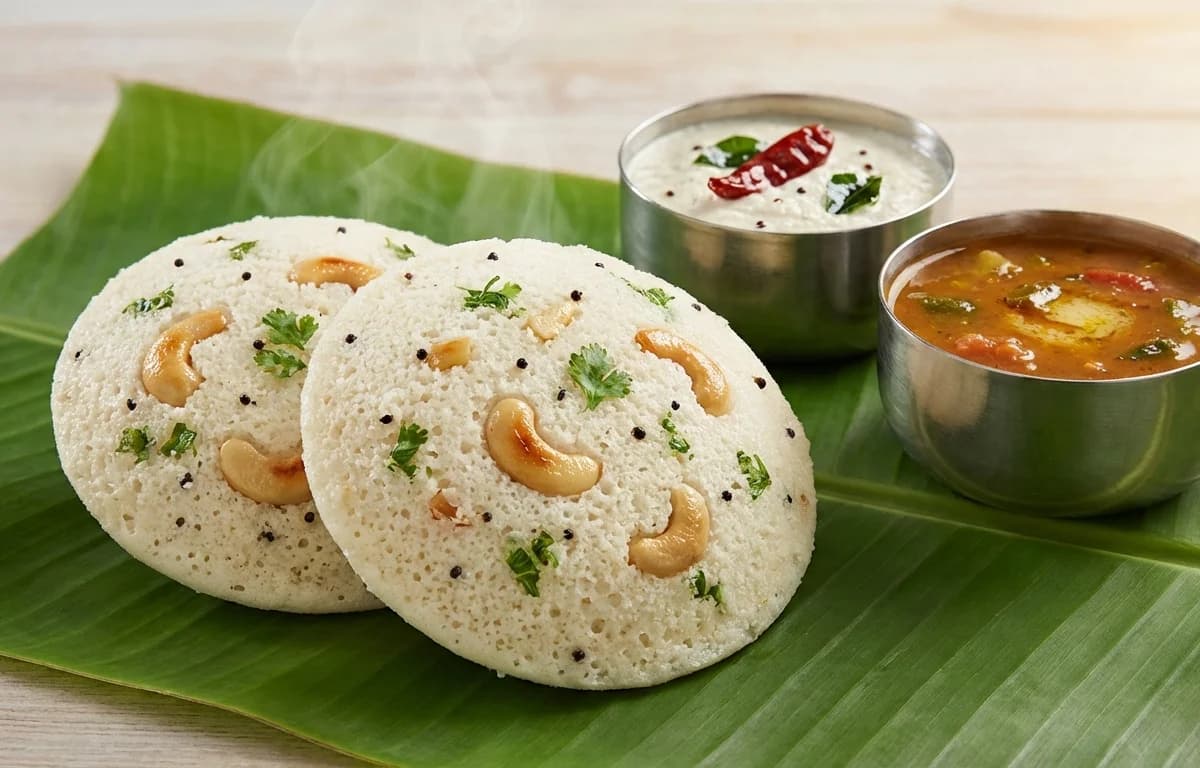
Instant, fluffy steamed cakes made from semolina and yogurt, with a savory tempering of mustard seeds and lentils. A quick and easy South Indian breakfast classic, ready in under an hour without any fermentation.
Prep20 min
Cook25 min
Servings4
Serving size: 1 serving
284cal
9gprotein
37gcarbs
11g
Ingredients
1 cup Rava (Fine semolina, also known as sooji)
1 cup Curd (Plain yogurt, preferably slightly sour)
1 cup Water (Adjust as needed for batter consistency)
2 tbsp Ghee (Clarified butter)
1 tsp Mustard Seeds
1 tsp Urad Dal (Split and skinned black gram)
1 tsp Chana Dal (Split chickpeas)
10 pieces Cashew Nuts (Broken or halved)
2 pieces Green Chili (Finely chopped, adjust to taste)
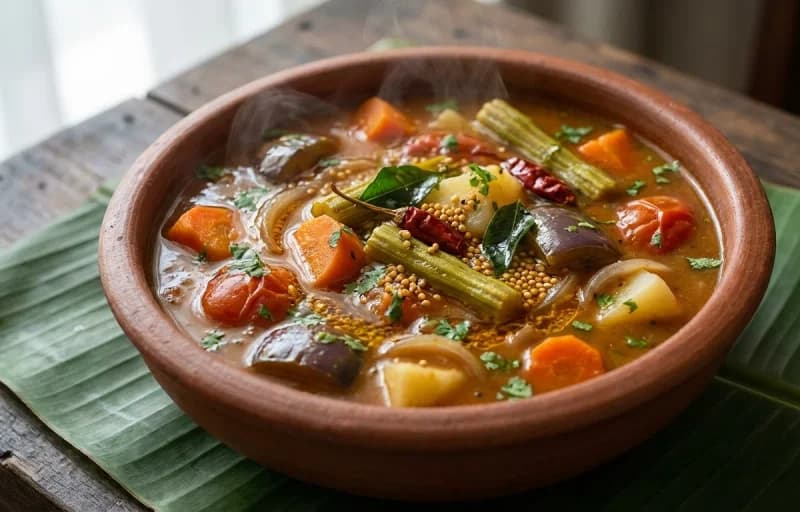
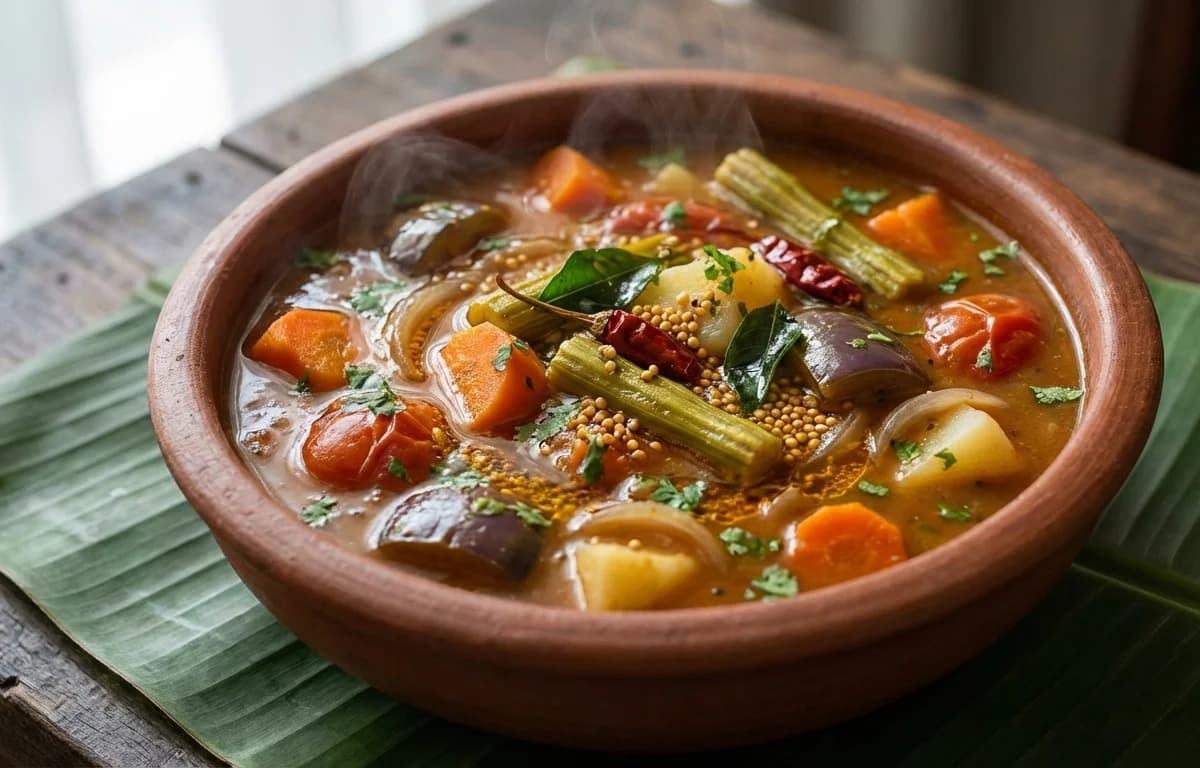
A hearty South Indian stew made with lentils, mixed vegetables, and a special blend of spices. This tangy and flavorful sambar is the perfect accompaniment for rice, idli, or dosa.
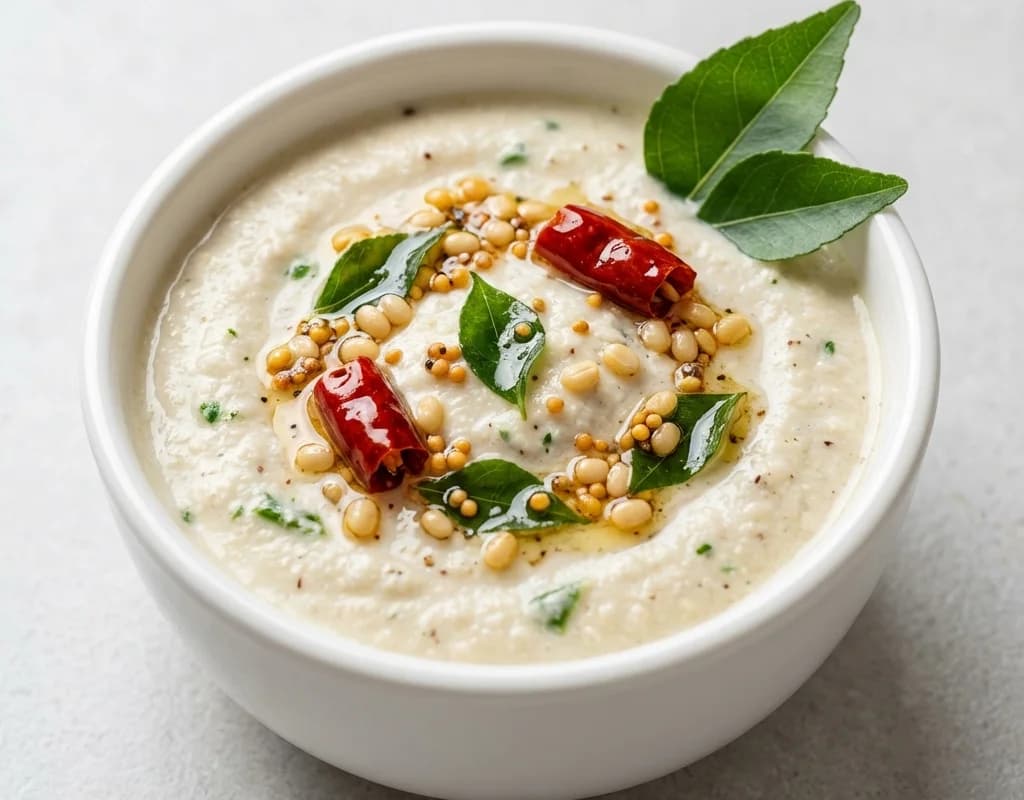
A creamy, savory, and slightly tangy South Indian staple. This fresh coconut chutney is the perfect accompaniment for idli, dosa, vada, and upma. Made with freshly grated coconut and aromatic spices, it's finished with a classic tempering (tadka) that elevates its flavor.
About Rava Idli, Vegetable Sambar and Coconut Chutney
Quick-to-make rava idlis with tangy sambar. A gut-friendly, soul-satisfying meal, perfect for dinner!
This indian and udupi and south_indian dish is perfect for breakfast or dinner. With 776.5999999999999 calories and 26.060000000000002g of protein per serving, it's a nutritious choice for your meal plan.
fat
1 inch Ginger (Finely grated)
1 sprig Curry Leaves (Roughly chopped)
0.25 tsp Hing (Asafoetida)
2 tbsp Coriander Leaves (Finely chopped)
1 tsp Salt (Adjust to taste)
1 tsp Eno Fruit Salt (Use plain/unflavored. Or substitute with 1/2 tsp baking soda.)
Instructions
1
Roast the Rava: In a heavy-bottomed pan, dry roast 1 cup of rava on low-medium heat for 5-7 minutes. Stir continuously until it becomes aromatic and feels grainy, ensuring it does not change color. Transfer to a large mixing bowl and let it cool completely.
2
Prepare the Tempering: Heat 2 tbsp of ghee in the same pan over medium heat. Add 1 tsp of mustard seeds and let them splutter. Then, add 1 tsp urad dal, 1 tsp chana dal, and 10 broken cashew nuts. Sauté for 1-2 minutes until the dals turn light golden brown. Add 2 finely chopped green chilies, 1 inch of grated ginger, 1 sprig of curry leaves, and 1/4 tsp of hing. Sauté for another 30 seconds until fragrant.
3
Make and Rest the Batter: Pour the hot tempering over the cooled rava. Add 1 cup of curd, 2 tbsp of chopped coriander leaves, and 1 tsp of salt. Mix well to combine. Gradually add about 1 cup of water, stirring to form a thick, lump-free batter with a consistency similar to pancake batter. Cover and let it rest for 20 minutes. This allows the rava to absorb moisture and swell.
4
Prepare the Steamer: While the batter rests, grease the idli molds with a little oil or ghee. Add 1.5 to 2 cups of water to an idli steamer or a large pot and bring it to a rolling boil over medium-high heat.
5
Finalize Batter and Fill Molds: After 20 minutes, check the batter's consistency. It will have thickened. Add a few tablespoons of water if needed to bring it back to a thick, pouring consistency. Just before steaming, add 1 tsp of Eno fruit salt. Gently mix in one direction for about 20-30 seconds until the batter becomes frothy and light. Do not overmix. Immediately pour the batter into the greased molds, filling them about 3/4 full.
6
Steam the Idlis: Place the idli stand into the steamer with boiling water. Cover with a lid and steam on medium-high heat for 12-15 minutes. To check for doneness, insert a toothpick into the center of an idli; it should come out clean.
7
Rest and Serve: Turn off the heat and let the idlis rest in the steamer for 5 minutes. This prevents them from breaking upon removal. Carefully take out the idli stand. Let it cool for another minute before using a wet spoon or knife to gently demold the idlis. Serve hot with coconut chutney and sambar.
4
Serving size: 1 serving
331cal
14gprotein
52gcarbs
9gfat
Ingredients
1 cup Toor Dal (rinsed thoroughly)
0.5 tsp Turmeric Powder
5 cup Water (divided, adjust for desired consistency)
1 pc Drumstick (cut into 2-inch pieces)
1 medium Carrot (peeled and cubed)
0.5 cup Pumpkin (peeled and cubed)
0.5 cup Green Beans (trimmed and cut into 1-inch pieces)
0.75 cup Pearl Onions (peeled)
2 medium Tomato (chopped)
2 pcs Green Chili (slit lengthwise)
1.5 tbsp Tamarind Paste (dissolved in 1/2 cup warm water)
3 tbsp Sambar Powder (use a good quality brand)
1.5 tsp Salt (or to taste)
1 tsp Jaggery (powdered, optional but recommended)
2 tbsp Sesame Oil (also known as gingelly oil)
1 tsp Mustard Seeds
0.5 tsp Urad Dal
0.25 tsp Fenugreek Seeds
2 pcs Dried Red Chili (broken in half)
0.25 tsp Hing (asafoetida)
1 sprig Curry Leaves
2 tbsp Coriander Leaves (freshly chopped, for garnish)
Instructions
1
Pressure Cook the Dal
Place the rinsed toor dal in a pressure cooker. Add 2.5 cups of water and 1/2 teaspoon of turmeric powder.
Secure the lid and pressure cook on medium heat for 4-5 whistles, or approximately 15 minutes, until the dal is completely soft and mushy.
Allow the pressure to release naturally. Open the cooker and whisk the dal vigorously until it is smooth and creamy. Set aside.
2
Cook the Vegetables
In a large, heavy-bottomed pot, add 2 cups of water and bring to a boil.
Add the harder vegetables: drumsticks, carrots, and green beans. Cook for 5-6 minutes.
Add the softer vegetables: pearl onions, pumpkin, and chopped tomatoes. Cook for another 5-7 minutes until all vegetables are tender but still hold their shape.
3
Combine and Simmer
Pour the cooked, mashed dal into the pot with the vegetables. Stir to combine.
Add the tamarind water (paste dissolved in 1/2 cup warm water), sambar powder, salt, and jaggery. Mix well.
1 cup Fresh Coconut (Grated and tightly packed. Frozen can be used after thawing.)
2 tbsp Pottukadalai (Also known as roasted chana dal or chutney dal.)
2 pcs Green Chili (Adjust to your spice preference.)
0.5 inch Ginger (Peeled and roughly chopped.)
1 tsp Tamarind Paste (Or a small marble-sized piece of whole tamarind, deseeded.)
0.5 tsp Salt (Adjust to taste.)
0.5 cup Water (Use as needed for grinding to desired consistency.)
2 tsp Coconut Oil (For tempering. Ghee or another neutral oil can be used.)
0.5 tsp Mustard Seeds
1 tsp Urad Dal (Split and skinned black gram lentils.)
2 pcs Dry Red Chili (Broken into halves.)
1 sprig Curry Leaves (About 10-12 leaves.)
1 pinch Asafoetida (Also known as hing. Optional but recommended.)
Instructions
1
Grind the Chutney Base (5 minutes)
In a blender or mixie jar, combine the fresh grated coconut, pottukadalai (roasted chana dal), green chilies, chopped ginger, tamarind paste, and salt.
Add 1/4 cup of water to begin.
Blend in short bursts, scraping down the sides as needed, until you get a thick, smooth paste. Avoid over-blending to prevent the coconut from releasing excess oil.
Add more water, one tablespoon at a time, and blend briefly until you reach your desired consistency. Transfer the chutney to a serving bowl.
2
Prepare the Tempering (Tadka) (5 minutes)
Heat the coconut oil in a small tadka pan over medium heat. Test if the oil is hot enough by dropping in one mustard seed; it should sizzle immediately.
Add the mustard seeds and allow them to splutter completely, which takes about 30 seconds.
Lower the heat, then add the urad dal. Sauté for 30-40 seconds, stirring continuously, until it turns a pale golden brown.
Quickly add the broken dry red chilies, fresh curry leaves, and a pinch of asafoetida. Stir for another 15-20 seconds until the curry leaves become crisp and fragrant. Immediately remove from heat to prevent burning.
Add the slit green chilies. Bring the mixture to a gentle boil.
Reduce the heat to low and let the sambar simmer for 8-10 minutes, allowing the flavors to meld together. Adjust water if the consistency is too thick.
4
Prepare the Tempering (Tadka)
In a small pan (tadka pan), heat the sesame oil over medium heat.
Once hot, add the mustard seeds and wait for them to splutter completely.
Add the urad dal and fenugreek seeds. Sauté for 30 seconds until the urad dal turns light golden. Be careful not to burn the fenugreek seeds.
Add the broken dried red chilies, curry leaves, and hing. Sauté for another 15-20 seconds until the curry leaves are crisp and aromatic.
5
Finish and Serve
Immediately pour the hot tempering over the simmering sambar. You should hear a satisfying sizzle.
Stir gently to incorporate the tempering. Garnish with freshly chopped coriander leaves.
Turn off the heat and let the sambar rest for at least 10-15 minutes before serving. This helps the flavors deepen.
Serve hot with steamed rice, idli, dosa, or vada.
Combine and Serve (5 minutes rest)
Pour the hot, sizzling tempering directly over the ground chutney in the bowl.
Gently mix the tempering into the chutney. Do not overmix.
Let the chutney rest for at least 5 minutes to allow the flavors to meld together.
Serve fresh with hot idlis, dosas, vadas, or uttapam.