A rustic and hearty flatbread from Bihar, stuffed with a savory filling of roasted chickpea flour (sattu), herbs, and spices. It's a protein-packed meal, perfect for breakfast or lunch, best enjoyed with yogurt and pickles.
Prep25 min
Cook20 min
Servings4
Serving size: 1 serving
589cal
19gprotein
76gcarbs
26g
Ingredients
2 cup Atta (Whole wheat flour)
0.5 tsp Salt (For the dough)
1 tsp Vegetable Oil (For the dough)
1 cup Water (For kneading, use as needed)
1.5 cup Sattu (Roasted gram flour)
1 medium Onion (Finely chopped)
4 clove Garlic (Minced)
1 inch Ginger (Grated)
2 piece Green Chilli (Finely chopped, adjust to taste)
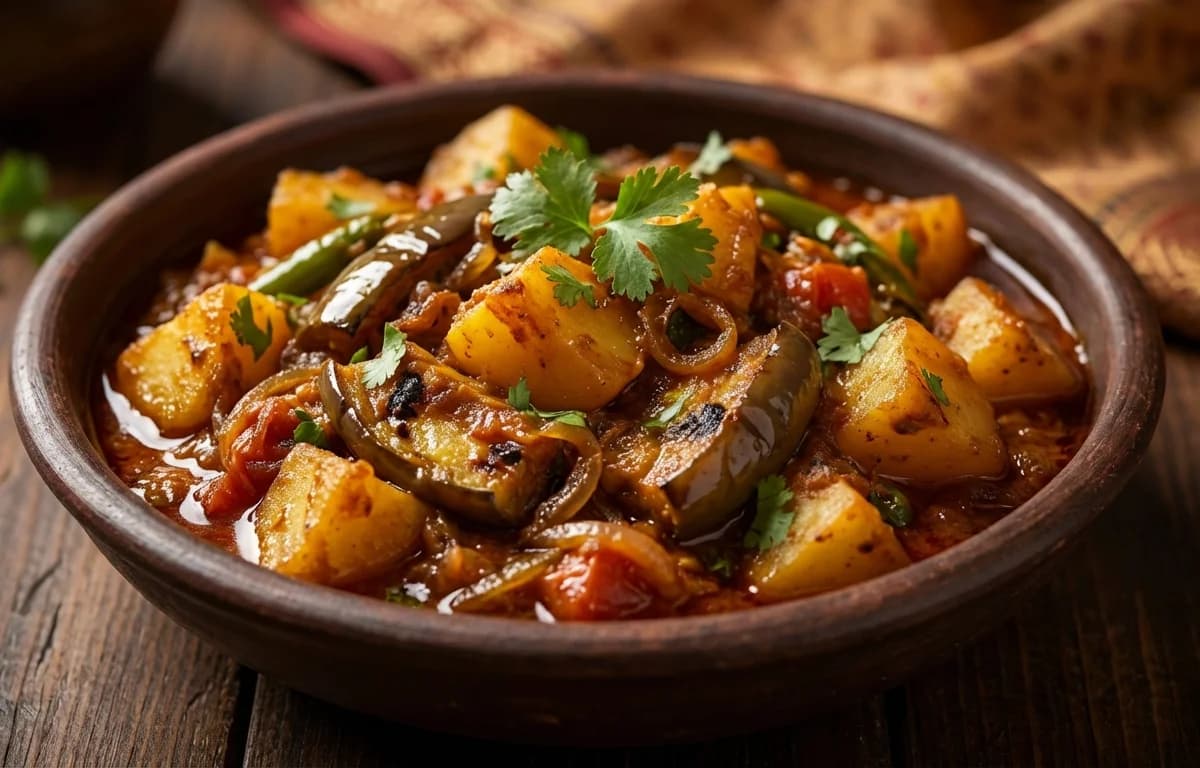
A simple yet flavorful North Indian stir-fry where tender potatoes and creamy eggplant are cooked in a spiced onion-tomato masala. This comforting homestyle dish is perfect for a weeknight meal and pairs beautifully with fresh rotis or dal rice.
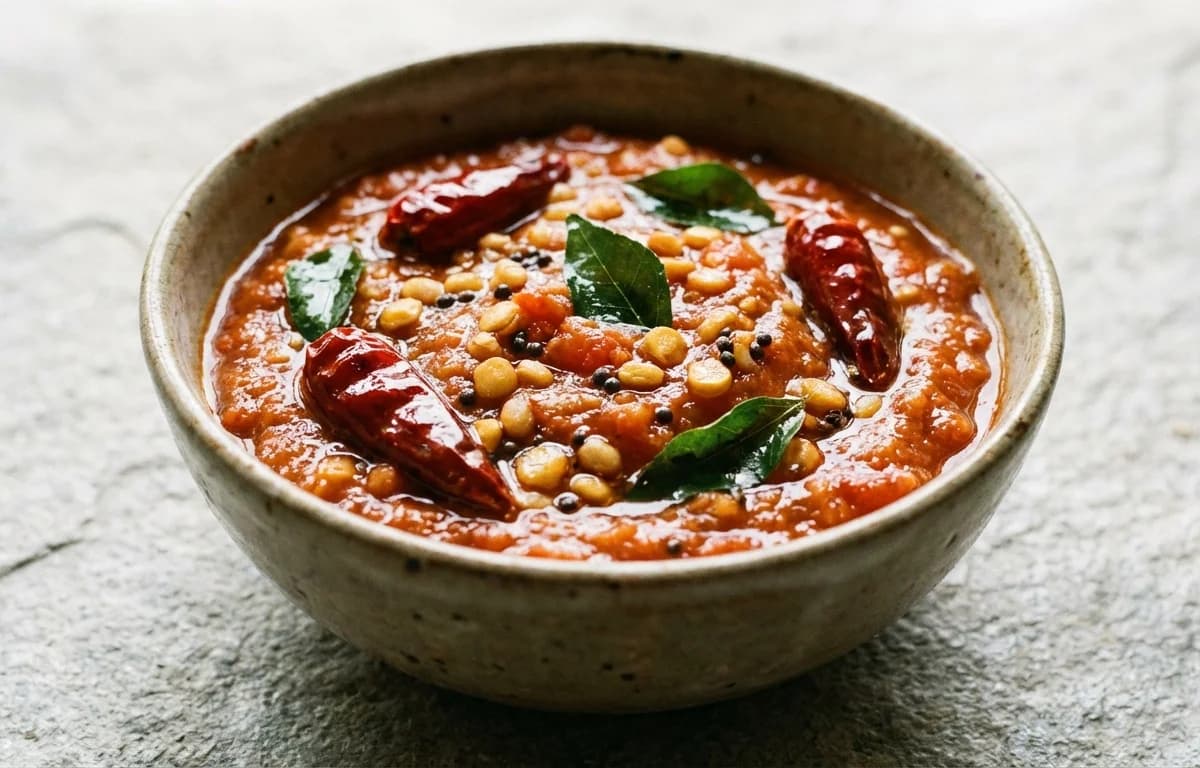
A vibrant and tangy South Indian condiment made with ripe tomatoes, onions, and a blend of aromatic spices. This versatile chutney, with its perfect balance of sweet, sour, and spicy notes, is an essential accompaniment for idli, dosa, uttapam, and various other South Indian dishes.
Prep10 min
Cook20 min
Servings8
Serving size: 1 serving
About Sattu Paratha, Aloo Baingan Sabzi and Tomato Chutney
Energy-giving sattu parathas with perfectly spiced sabzi and tangy tomato chutney – a homestyle delight!
This bihari dish is perfect for dinner. With 840.6800000000001 calories and 23.479999999999997g of protein per serving, it's a nutritious choice for your meal plan.
Other Cuisines to Explore
Discover authentic meals from cuisines around the world.
2 tbsp Mustard Oil (For the authentic pungent flavor)
1 tbsp Mango Pickle Masala (Or use 1 tsp amchur (dry mango powder))
2 tbsp Lemon Juice (Freshly squeezed)
4 tbsp Ghee (For cooking the parathas)
Instructions
1
Prepare the Dough
In a large mixing bowl, combine the atta, 0.5 tsp salt, and 1 tsp vegetable oil.
Gradually add water while mixing to form a soft, pliable dough. Knead for 7-8 minutes until it is smooth.
Cover the dough with a damp cloth or a lid and let it rest for at least 20-30 minutes. This helps the gluten relax, making the parathas softer.
2
Make the Sattu Filling
In a separate bowl, add the sattu, finely chopped onion, minced garlic, grated ginger, green chilies, and coriander leaves.
Add the ajwain, kalonji, mango pickle masala, and 1 tsp salt.
Pour in the mustard oil and lemon juice. Use your fingertips to mix all the ingredients thoroughly.
Sprinkle 2-3 tablespoons of water, a little at a time, and mix until the filling has a moist, crumbly texture that holds its shape when pressed into a ball.
3
Stuff and Roll the Parathas
After the dough has rested, knead it once more for a minute. Divide it into 8 equal-sized balls.
Take one dough ball, dust it with dry atta, and use your fingers to flatten it into a 3-inch disc, creating a small cup shape.
Place about 2 tablespoons of the sattu filling in the center.
Carefully bring the edges of the dough together, pleating as you go, and seal the top tightly. Pinch off any excess dough.
Gently flatten the stuffed ball with your palm. Dust it with dry atta again.
Using a rolling pin, roll it out gently and evenly into a 5-6 inch circle. Apply light pressure to prevent the filling from breaking through.
4
Cook the Parathas
Heat a tawa (flat griddle) over medium heat.
Place the rolled paratha on the hot tawa. Cook for about 30-40 seconds until you see small bubbles on the surface.
Flip the paratha. Let it cook for another 30 seconds on the other side.
Spread about 1/2 tsp of ghee on the top surface and flip again.
Spread ghee on the other side as well. Press gently with a spatula and cook, flipping occasionally, for 1-2 minutes until both sides are golden brown and crisp.
Repeat the stuffing, rolling, and cooking process for the remaining dough balls.
5
Serve
Serve the hot Sattu Parathas immediately with a side of plain curd (yogurt), baingan bharta (roasted eggplant mash), or your favorite Indian pickle.
Servings
4
Serving size: 1 serving
195cal
3gprotein
22gcarbs
11gfat
Ingredients
250 g Eggplant (About 1 large, cut into 1-inch cubes)
250 g Potato (About 2 medium, peeled and cut into 1-inch cubes)
3 tbsp Vegetable Oil
1 tsp Cumin Seeds
0.25 tsp Asafoetida (Also known as Hing)
1 medium Onion (Finely chopped)
1 tbsp Ginger Garlic Paste
2 pcs Green Chilli (Slit lengthwise (optional))
2 medium Tomato (Finely chopped)
0.5 tsp Turmeric Powder
1 tsp Red Chilli Powder (Adjust to your spice preference)
1.5 tsp Coriander Powder
1 tsp Salt (Or to taste)
0.5 cup Water (For cooking)
0.5 tsp Garam Masala
2 tbsp Coriander Leaves (Freshly chopped, for garnish)
Instructions
1
Prepare Vegetables
Cut the eggplant into 1-inch cubes and place them in a bowl of water with a pinch of salt. Let them soak for 10-15 minutes to prevent browning and reduce bitterness. Drain well before use.
While the eggplant soaks, peel and chop the potatoes into similar-sized 1-inch cubes. Finely chop the onion and tomatoes.
2
Sauté Aromatics
Heat oil in a heavy-bottomed pan or kadai over medium heat. Once hot, add the cumin seeds and let them splutter for about 30 seconds.
Add the asafoetida, followed immediately by the chopped onions. Sauté for 4-5 minutes until the onions become soft and translucent.
Add the ginger-garlic paste and slit green chillies. Cook for another minute until the raw aroma disappears.
3
Cook the Masala
Add the chopped tomatoes to the pan. Stir in the turmeric powder, red chilli powder, and coriander powder.
Mix everything well and cook the masala for 5-7 minutes, stirring occasionally. Continue cooking until the tomatoes break down completely and you see oil separating from the sides of the masala.
400 g Roma Tomatoes (Approx. 4 medium, ripe and roughly chopped)
1 medium Red Onion (Approx. 150g, roughly chopped)
2 tbsp Sesame Oil (Also known as gingelly oil, divided)
1 tsp Chana Dal
1 tsp Urad Dal
4 cloves Garlic (Peeled and roughly chopped)
1 inch Ginger (Peeled and roughly chopped)
4 pcs Dried Red Chilies (Use Byadgi or Kashmiri for color and mild heat)
0.25 tsp Turmeric Powder
0.5 tsp Kashmiri Red Chili Powder (Optional, for enhanced color)
1 tsp Jaggery (Grated or powdered. Can substitute with sugar.)
1 tsp Salt (Adjust to taste)
0.5 tsp Mustard Seeds
0.25 tsp Asafoetida
1 sprig Curry Leaves (About 10-12 leaves)
2 tbsp Water (As needed for grinding)
Instructions
1
Sauté Dals and Aromatics
Heat 1.5 tablespoons of sesame oil in a pan or kadai over medium heat.
Add the chana dal and urad dal. Sauté for 1-2 minutes, stirring constantly, until they turn light golden and aromatic. Ensure they do not burn.
Add the dried red chilies, chopped onion, garlic, and ginger. Continue to sauté for another 3-4 minutes until the onions soften and become translucent.
2
Cook the Tomatoes
Add the chopped tomatoes, turmeric powder, Kashmiri red chili powder (if using), and salt. Mix everything together thoroughly.
Cover the pan and cook for 8-10 minutes on a medium-low flame, stirring occasionally. Cook until the tomatoes break down, become mushy, and oil begins to separate from the sides.
Stir in the grated jaggery and cook for one more minute until it dissolves completely, balancing the flavors.
3
Cool and Grind the Mixture
Turn off the heat and allow the mixture to cool down completely to room temperature. This is a crucial safety step to prevent hot steam from building pressure in the blender.
Once cooled, transfer the entire mixture to a blender or mixie jar.
Add the cubed potatoes and the drained eggplant to the pan. Gently toss for 2-3 minutes to coat the vegetables evenly with the masala.
Pour in 1/2 cup of water and add salt. Stir well.
Cover the pan with a lid, reduce the heat to low, and let it simmer for 15-20 minutes. Stir once or twice in between to prevent sticking. Cook until both potatoes and eggplant are tender and cooked through.
5
Finish and Garnish
Once the vegetables are fully cooked, uncover the pan. If there is excess water, increase the heat for a minute to dry it out.
Sprinkle the garam masala over the sabzi and mix gently.
Garnish with freshly chopped coriander leaves and serve hot.
Blend to a smooth or slightly coarse paste, as per your preference. Add 1-2 tablespoons of water only if necessary to aid the grinding process.
4
Prepare the Tempering (Tadka)
In a small tadka pan, heat the remaining 0.5 tablespoon of sesame oil over medium heat.
Once the oil is hot, add the mustard seeds and let them splutter completely, which takes about 30-45 seconds.
Add the asafoetida and fresh curry leaves. Be cautious as the curry leaves will crackle. Sauté for about 30 seconds until the leaves are crisp and fragrant.
5
Combine and Serve
Pour the hot tempering over the ground chutney in the blender jar or a serving bowl.
Mix well to incorporate the flavors of the tadka. Your authentic Tomato Chutney is now ready to be served.