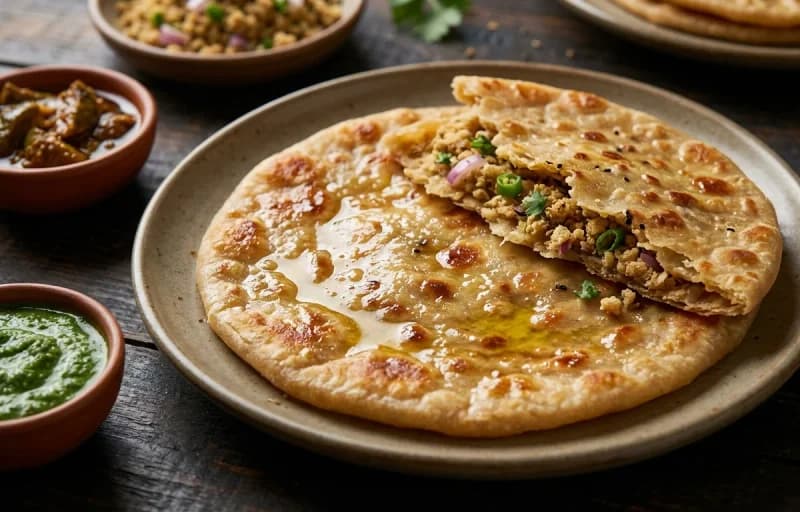
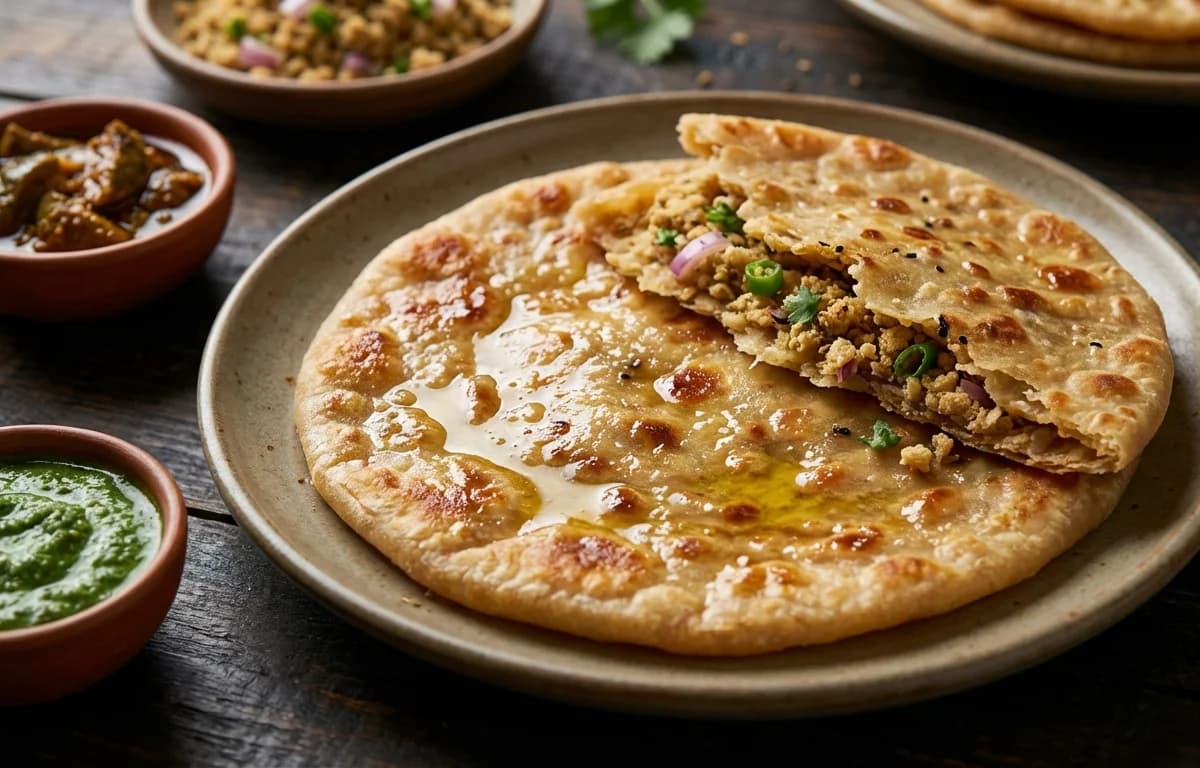
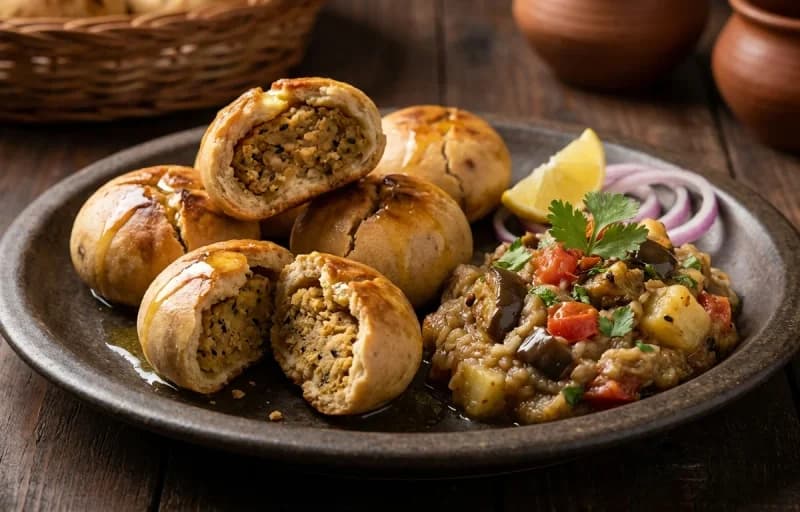
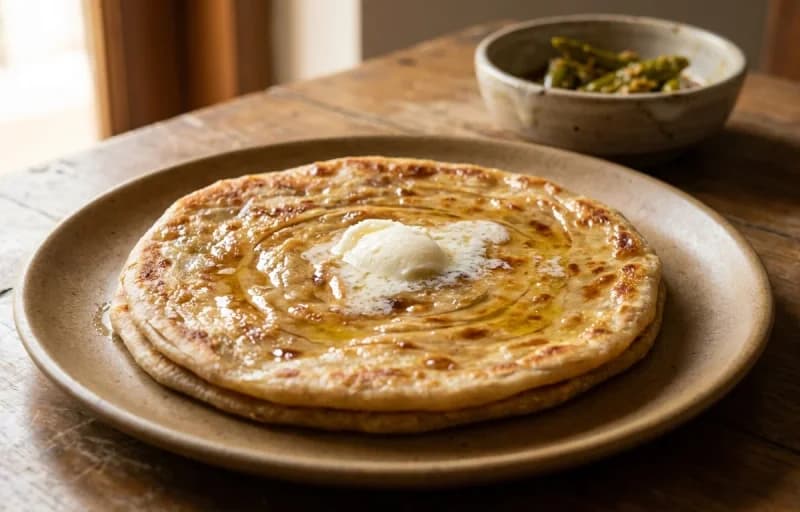
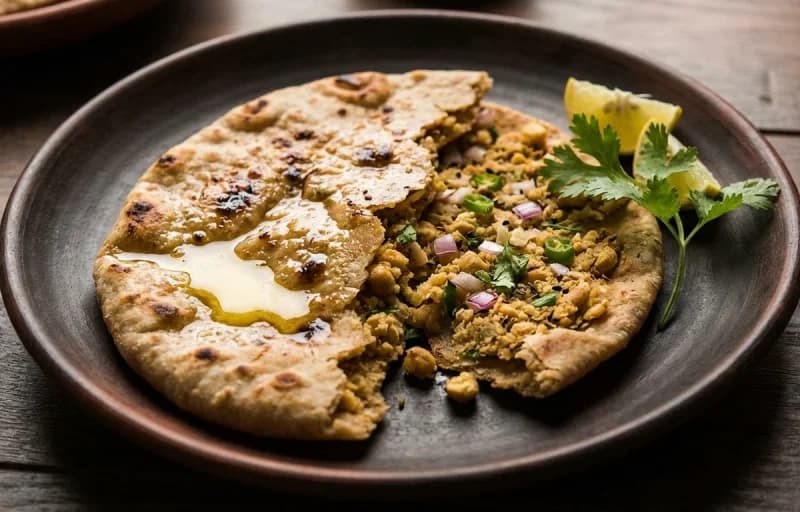
A rustic and hearty flatbread from Bihar, stuffed with a savory filling of roasted chickpea flour (sattu), herbs, and spices. It's a protein-packed meal, perfect for breakfast or lunch, best enjoyed with yogurt and pickles.
Prep25 min
Cook20 min
Servings4
Serving size: 1 serving
587cal
19gprotein
76gcarbs
26g
Ingredients
2 cup Atta (Whole wheat flour)
0.5 tsp Salt (For the dough)
1 tsp Vegetable Oil (For the dough)
1 cup Water (For kneading, use as needed)
1.5 cup Sattu (Roasted gram flour)
1 medium Onion (Finely chopped)
4 clove Garlic (Minced)
1 inch Ginger (Grated)
2 piece Green Chilli (Finely chopped, adjust to taste)
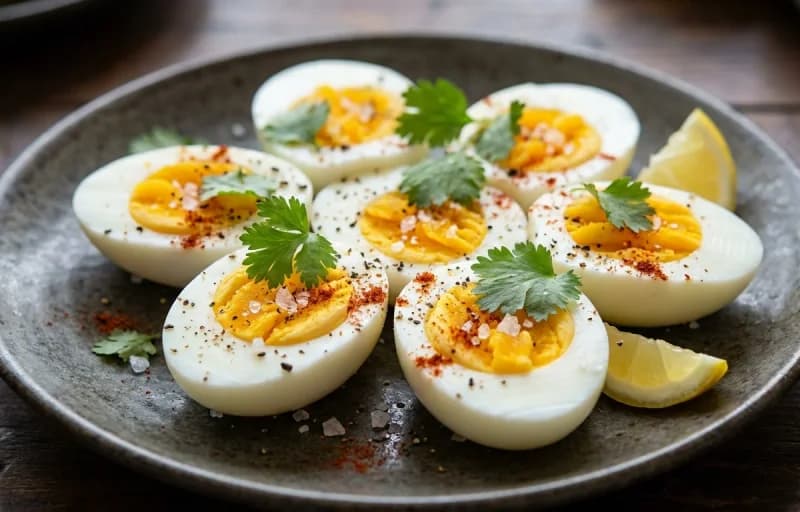
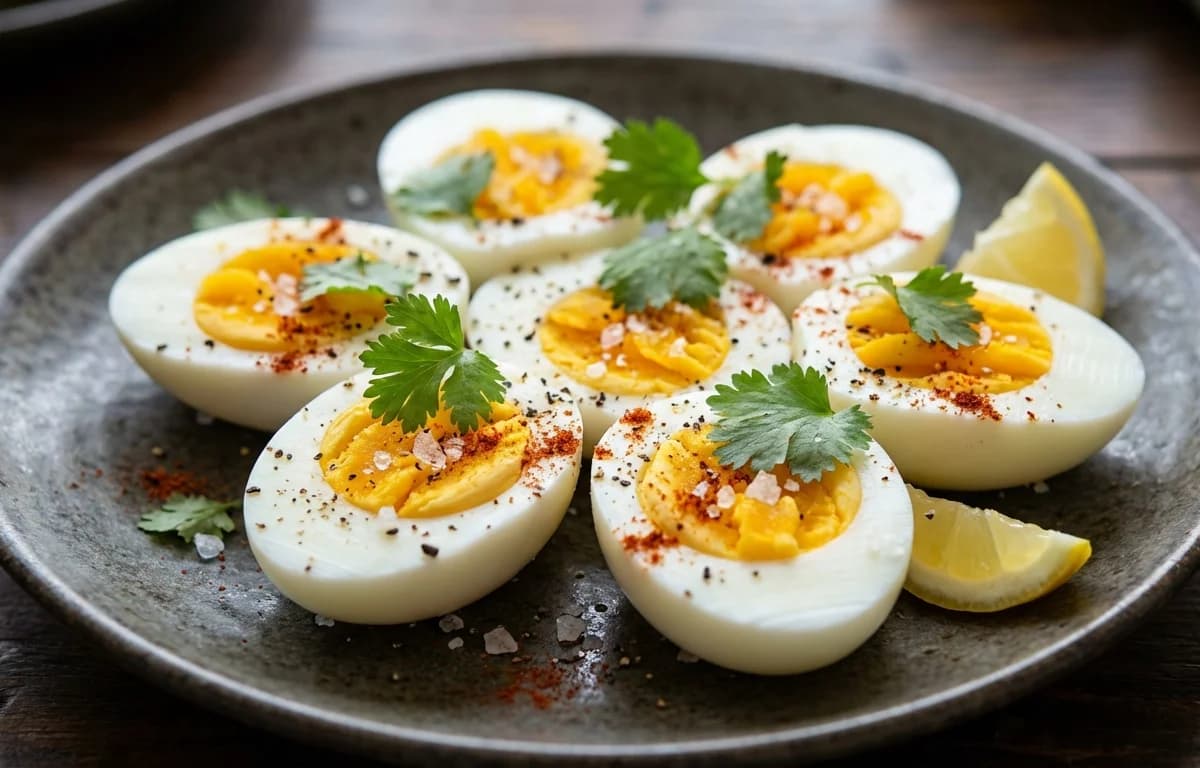
A staple in Indian households, the perfectly boiled egg is a versatile, protein-packed food. This foolproof method yields firm, tender whites and creamy, fully cooked yolks every time. Enjoy them seasoned with salt and pepper, as a side with dal and rice, or as the base for delicious dishes like Egg Curry and Biryani.
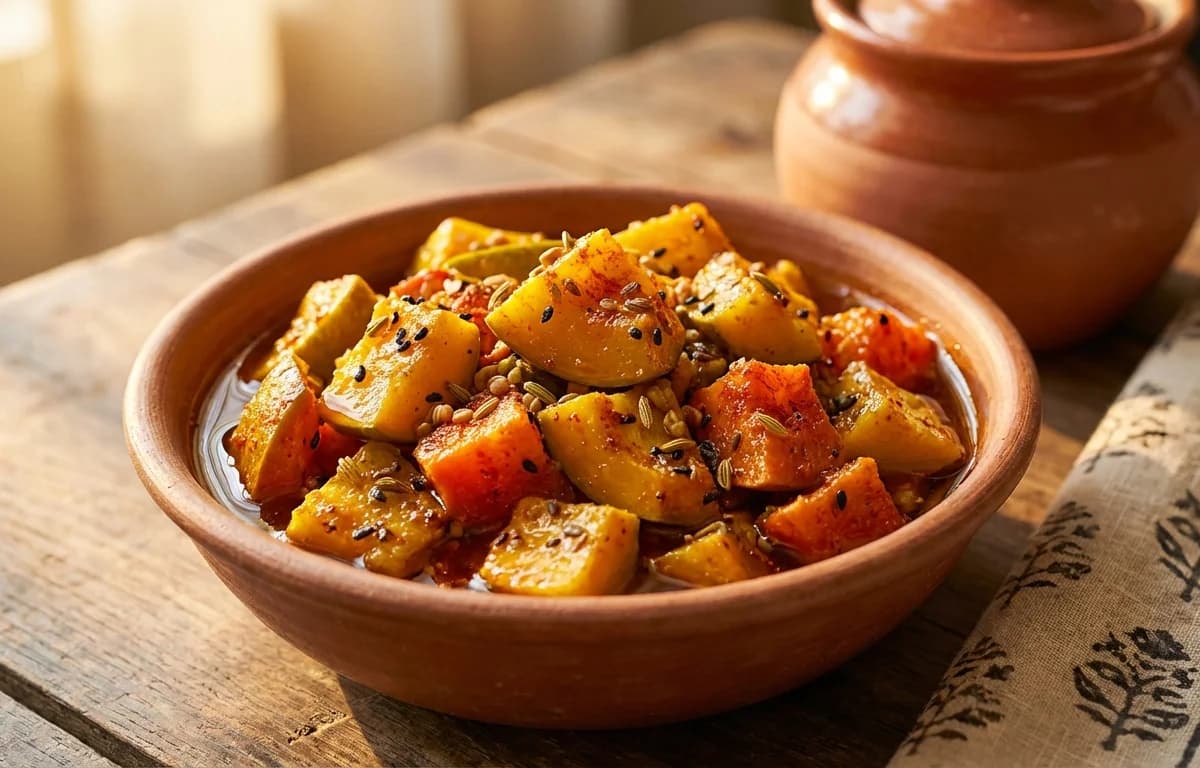
A classic North Indian condiment where tangy raw mangoes are preserved in a spicy blend of mustard oil and aromatic spices. This sun-kissed pickle is the perfect zesty accompaniment to any meal.
About Sattu Paratha, Boiled Egg and Punjabi Mango Pickle
Energy-giving sattu paratha with protein-packed boiled egg and tangy achar – perfect for busy mornings!
This bihari dish is perfect for breakfast. With 885.4300000000001 calories and 32.52g of protein per serving, it's a nutritious choice for your meal plan.
fat
3 tbsp Coriander Leaves (Chopped)
1 tsp Ajwain (Carom seeds)
1 tsp Kalonji (Nigella seeds)
2 tbsp Mustard Oil (For the authentic pungent flavor)
1 tbsp Mango Pickle Masala (Or use 1 tsp amchur (dry mango powder))
2 tbsp Lemon Juice (Freshly squeezed)
4 tbsp Ghee (For cooking the parathas)
Instructions
1
Prepare the Dough
In a large mixing bowl, combine the atta, 0.5 tsp salt, and 1 tsp vegetable oil.
Gradually add water while mixing to form a soft, pliable dough. Knead for 7-8 minutes until it is smooth.
Cover the dough with a damp cloth or a lid and let it rest for at least 20-30 minutes. This helps the gluten relax, making the parathas softer.
2
Make the Sattu Filling
In a separate bowl, add the sattu, finely chopped onion, minced garlic, grated ginger, green chilies, and coriander leaves.
Add the ajwain, kalonji, mango pickle masala, and 1 tsp salt.
Pour in the mustard oil and lemon juice. Use your fingertips to mix all the ingredients thoroughly.
Sprinkle 2-3 tablespoons of water, a little at a time, and mix until the filling has a moist, crumbly texture that holds its shape when pressed into a ball.
3
Stuff and Roll the Parathas
After the dough has rested, knead it once more for a minute. Divide it into 8 equal-sized balls.
Take one dough ball, dust it with dry atta, and use your fingers to flatten it into a 3-inch disc, creating a small cup shape.
Place about 2 tablespoons of the sattu filling in the center.
Carefully bring the edges of the dough together, pleating as you go, and seal the top tightly. Pinch off any excess dough.
Gently flatten the stuffed ball with your palm. Dust it with dry atta again.
Using a rolling pin, roll it out gently and evenly into a 5-6 inch circle. Apply light pressure to prevent the filling from breaking through.
4
Cook the Parathas
Heat a tawa (flat griddle) over medium heat.
Place the rolled paratha on the hot tawa. Cook for about 30-40 seconds until you see small bubbles on the surface.
Flip the paratha. Let it cook for another 30 seconds on the other side.
Spread about 1/2 tsp of ghee on the top surface and flip again.
Spread ghee on the other side as well. Press gently with a spatula and cook, flipping occasionally, for 1-2 minutes until both sides are golden brown and crisp.
Repeat the stuffing, rolling, and cooking process for the remaining dough balls.
5
Serve
Serve the hot Sattu Parathas immediately with a side of plain curd (yogurt), baingan bharta (roasted eggplant mash), or your favorite Indian pickle.
143cal
13gprotein
1gcarbs
10gfat
Ingredients
4 pieces Large Eggs
6 cups Water (enough to cover eggs by 1 inch)
0.5 tsp Salt (optional, for the boiling water)
2 cups Ice Cubes (for the ice bath)
Instructions
1
Prepare the Eggs
Gently place 4 large eggs in a single layer in a medium saucepan.
Add 6 cups of cold water, ensuring the eggs are covered by at least 1 inch.
Stir in 0.5 tsp of salt if using. This helps prevent cracking.
2
Bring to a Boil
Place the saucepan on high heat and bring the water to a full, rolling boil. This should take about 5-7 minutes.
3
Cook Off-Heat
Once the water is boiling, immediately turn off the heat and cover the pan with a tight-fitting lid.
Let the eggs stand in the hot water for the desired doneness:
Soft-Boiled (runny yolk): 4-5 minutes
Medium-Boiled (jammy yolk): 6-8 minutes
Hard-Boiled (firm yolk): 10-12 minutes
4
Create Ice Bath and Cool Eggs
While the eggs are cooking, fill a large bowl with 2 cups of ice cubes and cold water.
Using a slotted spoon, carefully transfer the cooked eggs from the saucepan to the ice bath.
Let them cool for at least 5 minutes. This step is crucial as it stops the cooking process and makes peeling much easier.
5
Peel and Serve
Gently tap an egg on a hard surface and roll it between your palms to crackle the shell all over.
Peel under cool running water, starting from the wider end where the air pocket is.
Serve immediately or store in the refrigerator for later use.
1 kg raw mangoes (firm and sour variety, like Ramkela)
2 cup mustard oil
0.5 cup salt (use non-iodized salt for best results)
4 tbsp split mustard seeds (also known as rai ki dal)
4 tbsp saunf
3 tbsp methi dana
3 tbsp red chili powder (adjust to your spice preference)
2 tbsp turmeric powder
2 tbsp kalonji
1 tsp hing
Instructions
1
Prepare the mangoes: Wash the raw mangoes thoroughly under running water. Wipe each mango completely dry with a clean kitchen towel. There should be no moisture left, as this can spoil the pickle. Chop the mangoes into 1-inch cubes, discarding the inner seed. Keep the hard outer shell of the seed if you like.
2
Prepare the spice mix: In a dry pan, lightly roast the fennel seeds and fenugreek seeds for 1-2 minutes on low heat until fragrant. Do not brown them. Let the roasted spices cool down completely. In a grinder, combine the roasted fennel and fenugreek seeds with the split mustard seeds. Pulse a few times to get a coarse powder. Do not grind into a fine powder.
3
Mix mangoes with spices: In a large, dry mixing bowl, add the chopped mango pieces. Add the coarsely ground spice mix, nigella seeds, salt, red chili powder, turmeric powder, and asafoetida. Mix everything very well with a dry spoon until each mango piece is evenly coated with the spices.
4
Heat and cool the oil: Pour the mustard oil into a deep pan. Heat the oil on medium-high heat until it reaches its smoking point. You will see faint smoke rising from the surface. Turn off the heat immediately and let the oil cool down completely to room temperature. This step is crucial to remove the raw, pungent taste of the oil and help preserve the pickle.
5
Combine and mature the pickle: Once the oil has cooled completely, pour it over the mango and spice mixture. Mix thoroughly. Carefully transfer the pickle into a clean, dry, and sterilized glass or ceramic jar. Cover the mouth of the jar with a clean muslin cloth and secure it with a string or rubber band. Place the jar in direct sunlight for 7 to 10 days. Shake the jar gently once every day to mix the contents. After 7-10 days, the mango pieces will soften and change color. The pickle is ready to eat. Replace the cloth with an airtight lid and store in a cool, dry place. It will last for over a year.