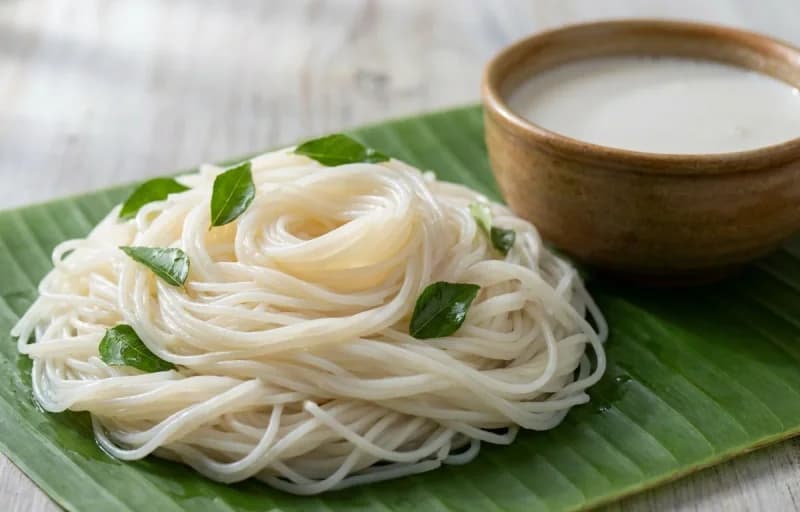
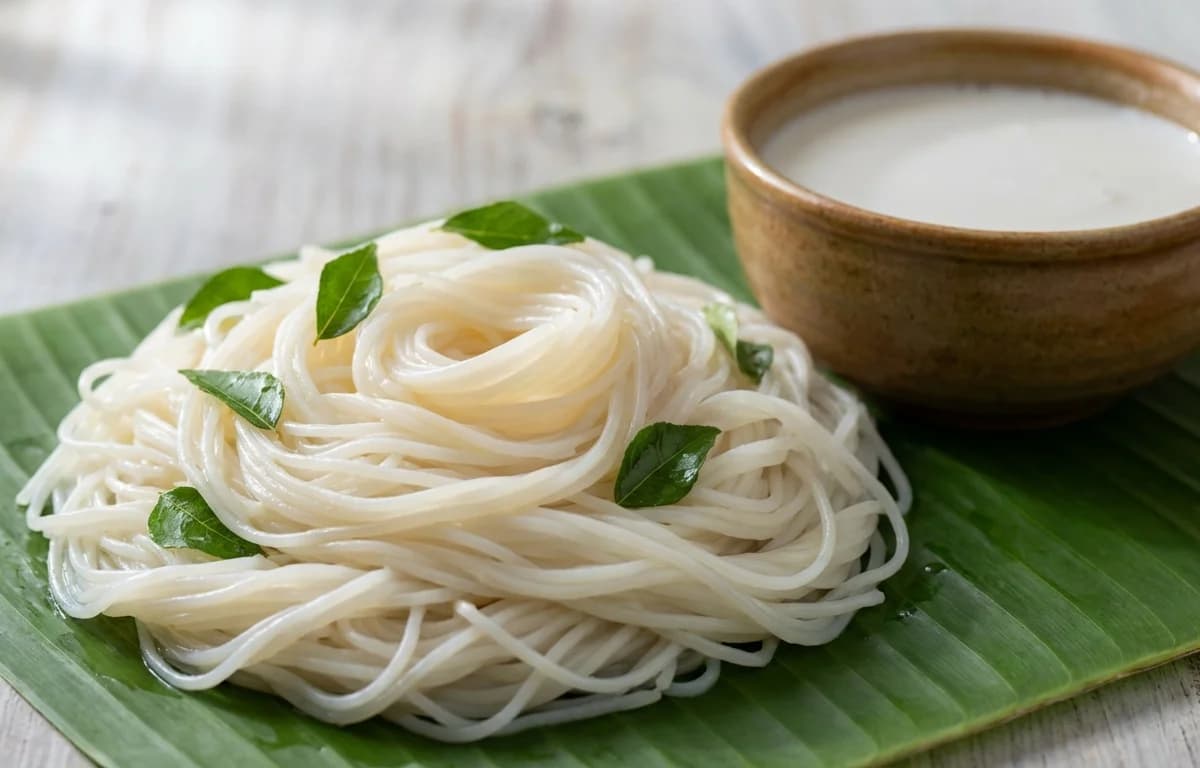
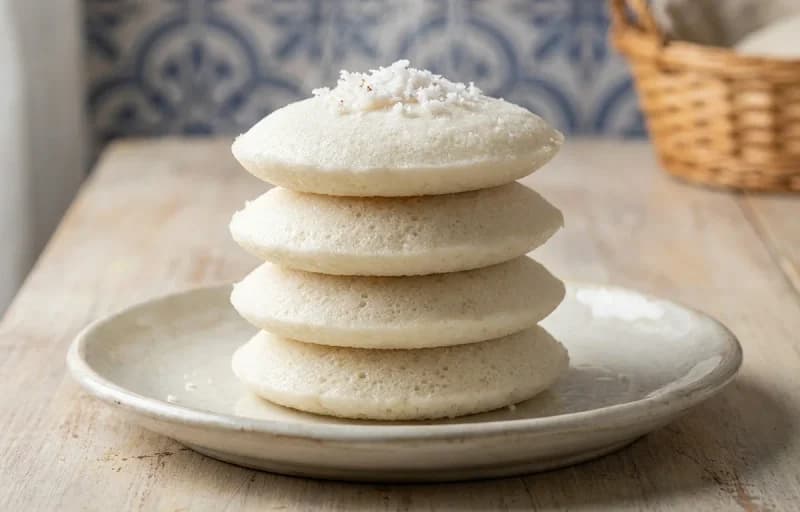
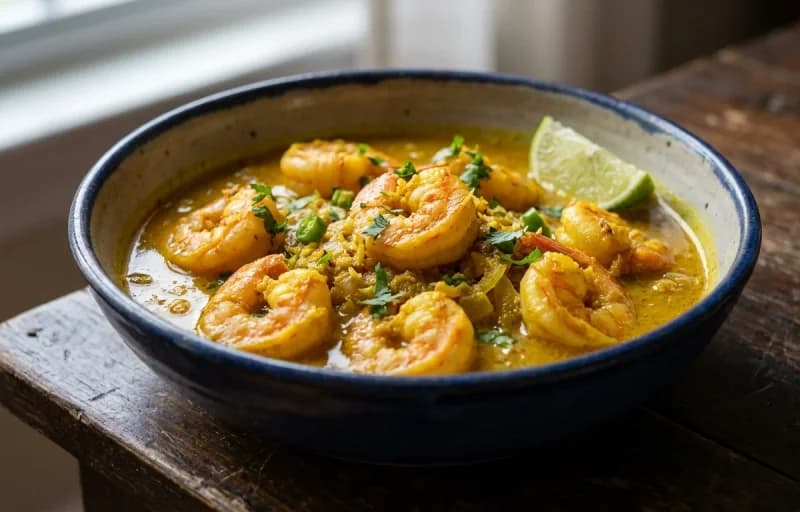
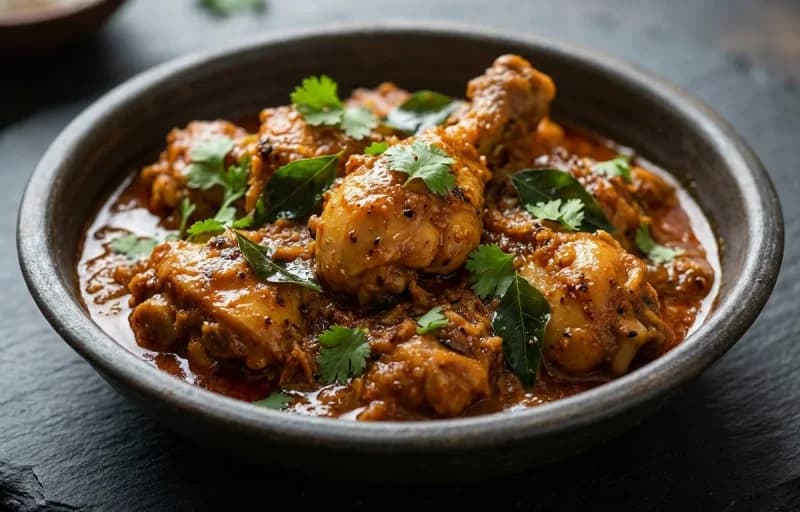
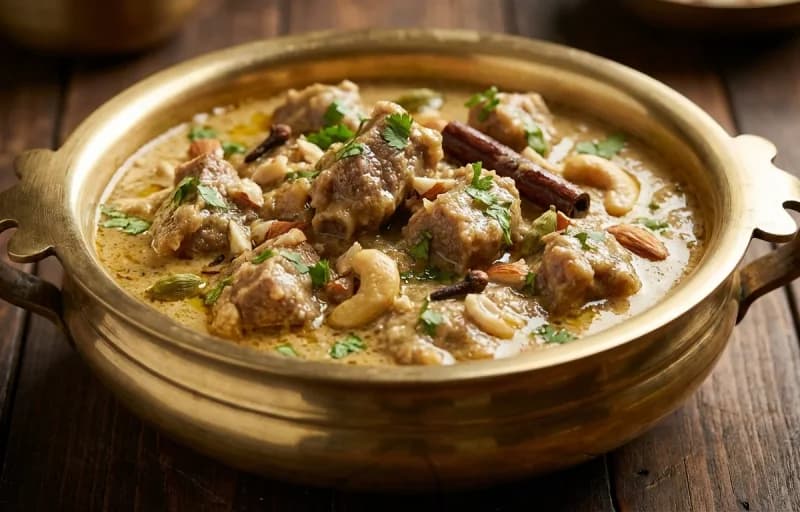
Delicate, steamed rice noodles from South India, perfect for a light breakfast or dinner. This traditional dish, also known as Idiyappam, pairs wonderfully with sweet coconut milk or a savory vegetable stew.
Prep20 min
Cook25 min
Servings4
Serving size: 1 serving
314cal
6gprotein
60gcarbs
6g
Ingredients
2 cup Rice Flour (Use a fine, store-bought variety, often labeled for idiyappam)
2.5 cup Water (For making the dough)
1 tsp Salt
1 tbsp Coconut Oil (For the dough and greasing)
Instructions
1
Prepare Steamer and Boil Water
Lightly grease your idli plates or steamer trays with a few drops of coconut oil and set them aside.
In a heavy-bottomed pan, bring 2.5 cups of water to a vigorous, rolling boil over medium-high heat. Add the salt and 1 tablespoon of coconut oil to the boiling water.
2
Make the Rice Flour Dough
Reduce the heat to the lowest setting. Gradually add the rice flour to the boiling water, stirring continuously and quickly with a wooden spoon or spatula to prevent lumps.
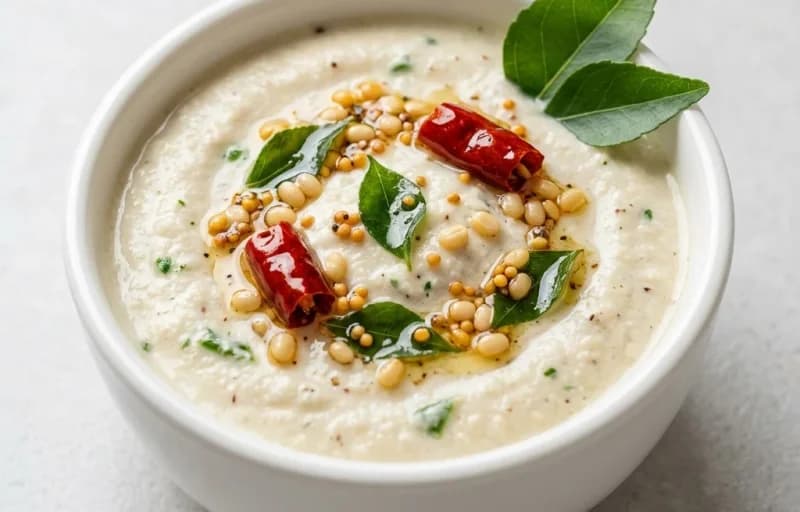
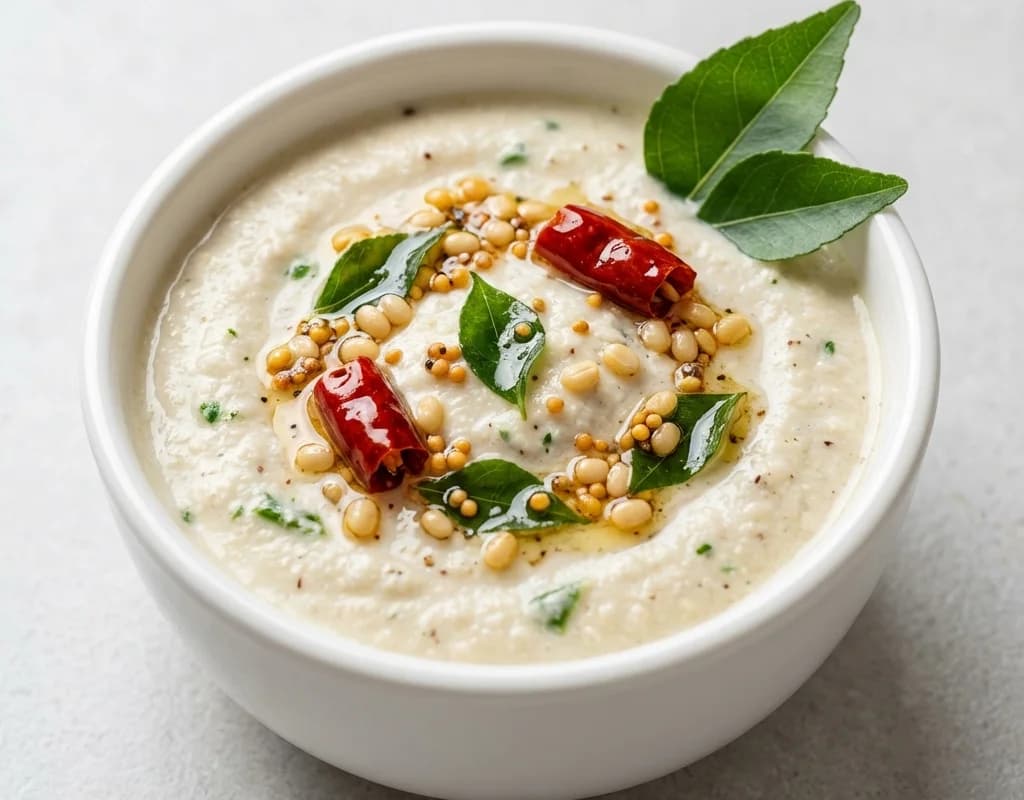
A creamy, savory, and slightly tangy South Indian staple. This fresh coconut chutney is the perfect accompaniment for idli, dosa, vada, and upma. Made with freshly grated coconut and aromatic spices, it's finished with a classic tempering (tadka) that elevates its flavor.
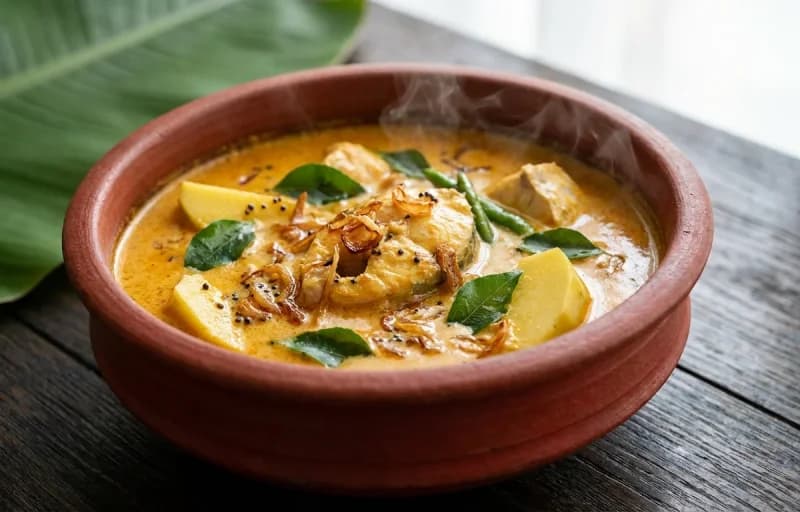
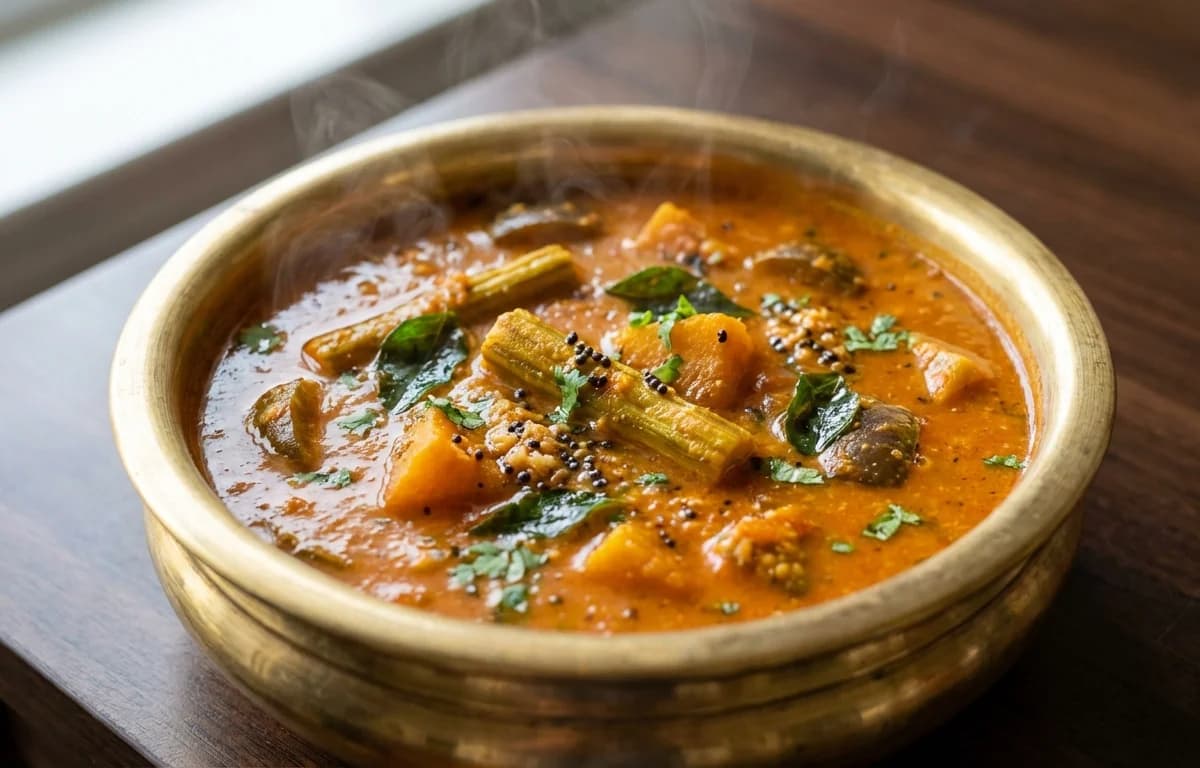
A traditional sambar from the Mangalore region, this dish boasts a unique flavor from a freshly roasted coconut and spice masala. It's a perfect blend of sweet, sour, and spicy notes, making it a delicious accompaniment for rice, idli, or dosa.
Light, gut-friendly semige with aromatic sambar & tangy chutney. Soul-satisfying!
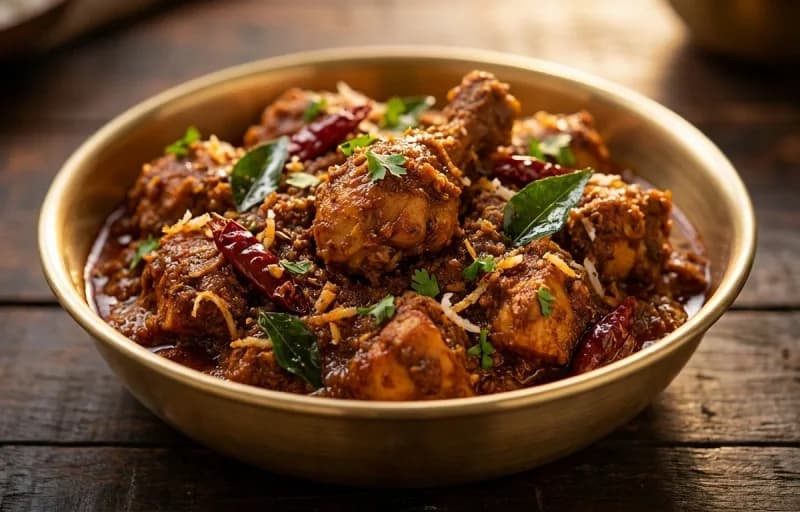
This mangalorean dish is perfect for dinner. With 724.26 calories and 19.2g of protein per serving, it's a nutritious choice for your meal plan.
fat
Continue mixing for 1-2 minutes until the flour absorbs all the water and comes together to form a single, thick mass.
Turn off the heat, cover the pan with a tight-fitting lid, and let the dough rest and steam in its own heat for 5-7 minutes. This step is crucial for a soft texture.
3
Knead the Dough
Transfer the warm dough to a large bowl or a clean work surface. Be careful as it will be very hot.
Once the dough is cool enough to handle, grease your hands with a little oil and knead it for 3-5 minutes until it becomes smooth, soft, and pliable, with no cracks.
Divide the smooth dough into 3-4 equal cylindrical portions that will fit into your semige press (also known as a sev or idiyappam maker).
4
Press and Steam the Noodles
Fill the semige press with one portion of the dough. Use the disc with the finest holes for delicate noodles.
Press the dough out in a circular motion onto the greased idli plates, forming a small, even nest of noodles. Do not make the layers too thick.
Place the plates in a steamer that has 1-2 inches of boiling water at the bottom.
Cover the steamer and steam on medium-high heat for 10-12 minutes. The cooked semige will look glossy and will not be sticky to the touch.
5
Serve
Carefully remove the plates from the steamer and let them rest for 1-2 minutes before handling.
Gently scoop the semige from the plates and fluff the noodles with a fork or your fingers.
Serve immediately while hot with accompaniments like sweetened coconut milk, vegetable kurma, or a spicy chutney.
162cal
3gprotein
18gcarbs
10gfat
Ingredients
1 cup Fresh Coconut (Grated and tightly packed. Frozen can be used after thawing.)
2 tbsp Pottukadalai (Also known as roasted chana dal or chutney dal.)
2 pcs Green Chili (Adjust to your spice preference.)
0.5 inch Ginger (Peeled and roughly chopped.)
1 tsp Tamarind Paste (Or a small marble-sized piece of whole tamarind, deseeded.)
0.5 tsp Salt (Adjust to taste.)
0.5 cup Water (Use as needed for grinding to desired consistency.)
2 tsp Coconut Oil (For tempering. Ghee or another neutral oil can be used.)
0.5 tsp Mustard Seeds
1 tsp Urad Dal (Split and skinned black gram lentils.)
2 pcs Dry Red Chili (Broken into halves.)
1 sprig Curry Leaves (About 10-12 leaves.)
1 pinch Asafoetida (Also known as hing. Optional but recommended.)
Instructions
1
Grind the Chutney Base (5 minutes)
In a blender or mixie jar, combine the fresh grated coconut, pottukadalai (roasted chana dal), green chilies, chopped ginger, tamarind paste, and salt.
Add 1/4 cup of water to begin.
Blend in short bursts, scraping down the sides as needed, until you get a thick, smooth paste. Avoid over-blending to prevent the coconut from releasing excess oil.
Add more water, one tablespoon at a time, and blend briefly until you reach your desired consistency. Transfer the chutney to a serving bowl.
2
Prepare the Tempering (Tadka) (5 minutes)
Heat the coconut oil in a small tadka pan over medium heat. Test if the oil is hot enough by dropping in one mustard seed; it should sizzle immediately.
Add the mustard seeds and allow them to splutter completely, which takes about 30 seconds.
Lower the heat, then add the urad dal. Sauté for 30-40 seconds, stirring continuously, until it turns a pale golden brown.
Quickly add the broken dry red chilies, fresh curry leaves, and a pinch of asafoetida. Stir for another 15-20 seconds until the curry leaves become crisp and fragrant. Immediately remove from heat to prevent burning.
5 pcs Byadgi Chillies (or other mild dry red chillies)
0.5 cup Fresh Coconut (grated)
1 pc Drumstick (cut into 2-inch pieces)
0.5 cup Yellow Pumpkin (cubed)
0.5 cup Brinjal (cubed)
0.5 cup Mangalorean Cucumber (cubed)
1 inch piece Tamarind
0.5 cup Warm Water (for soaking tamarind)
1 tbsp Jaggery (powdered or grated)
1.5 tsp Salt (or to taste)
1 tsp Mustard Seeds
10 leaves Curry Leaves
0.25 tsp Hing
2 tbsp Coriander Leaves (freshly chopped for garnish)
Instructions
1
Cook the Dal
Wash the toor dal thoroughly. In a pressure cooker, combine the dal, 2 cups of water, and turmeric powder.
Pressure cook on medium heat for 4-5 whistles, or for about 15 minutes, until the dal is completely soft and mushy.
Once the pressure releases naturally, open the cooker and whisk the dal until smooth. Set aside.
2
Roast and Grind the Masala
Heat 1 tsp of coconut oil in a pan over low-medium heat.
Add coriander seeds, cumin seeds, urad dal, chana dal, fenugreek seeds, and Byadgi chillies. Roast, stirring constantly, for 2-3 minutes until the dals turn golden and the spices are aromatic.
Add the grated fresh coconut and continue to roast for another 3-4 minutes until it turns a fragrant golden-brown. Be careful not to burn it.
Turn off the heat and allow the mixture to cool completely.
Transfer the cooled mixture to a grinder. Add about 1/4 cup of water and blend to a very smooth paste.
Pour the hot, sizzling tempering directly over the ground chutney in the bowl.
Gently mix the tempering into the chutney. Do not overmix.
Let the chutney rest for at least 5 minutes to allow the flavors to meld together.
Serve fresh with hot idlis, dosas, vadas, or uttapam.
While the masala cools, soak the tamarind in 1/2 cup of warm water for 10 minutes. Squeeze well to extract all the pulp and discard the solids.
In a large pot, combine the mixed vegetables, 2 cups of water, and a pinch of salt. Bring to a boil.
Cook for 8-10 minutes until the vegetables are tender but still retain their shape. Do not overcook.
4
Combine and Simmer the Sambar
To the pot with cooked vegetables, add the tamarind extract and the jaggery. Boil for 2-3 minutes to cook off the raw tamarind flavor.
Stir in the ground coconut masala paste. Cook for 5 minutes, stirring occasionally, until the masala is fragrant.
Gently pour in the cooked, mashed dal and the remaining salt. Mix everything well.
Add more water if needed to reach your desired consistency. Bring the sambar to a gentle simmer and cook on low heat for 5-7 minutes, allowing all the flavors to meld.
5
Prepare the Tempering (Tadka)
In a small tadka pan, heat 2 tbsp of coconut oil over medium heat.
Once the oil is hot, add the mustard seeds. When they begin to splutter, add the curry leaves and hing.
Sauté for 30 seconds until the curry leaves are crisp and aromatic.
6
Garnish and Serve
Pour the hot tempering over the simmering sambar and stir gently to combine.