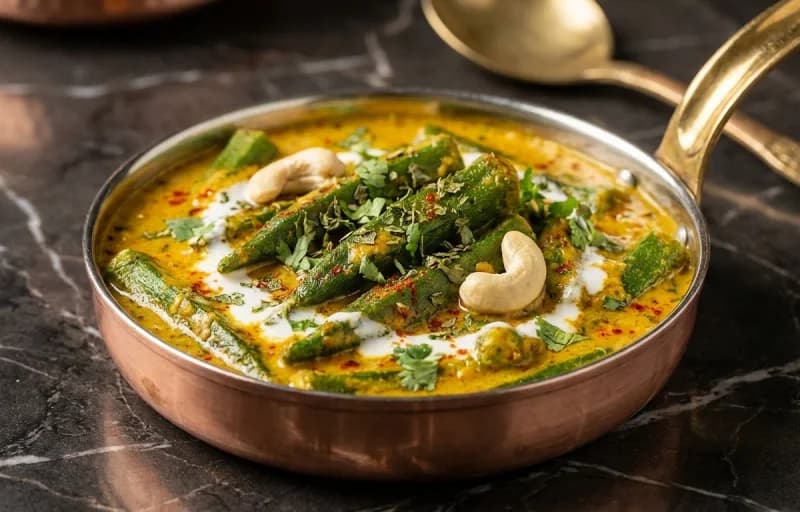
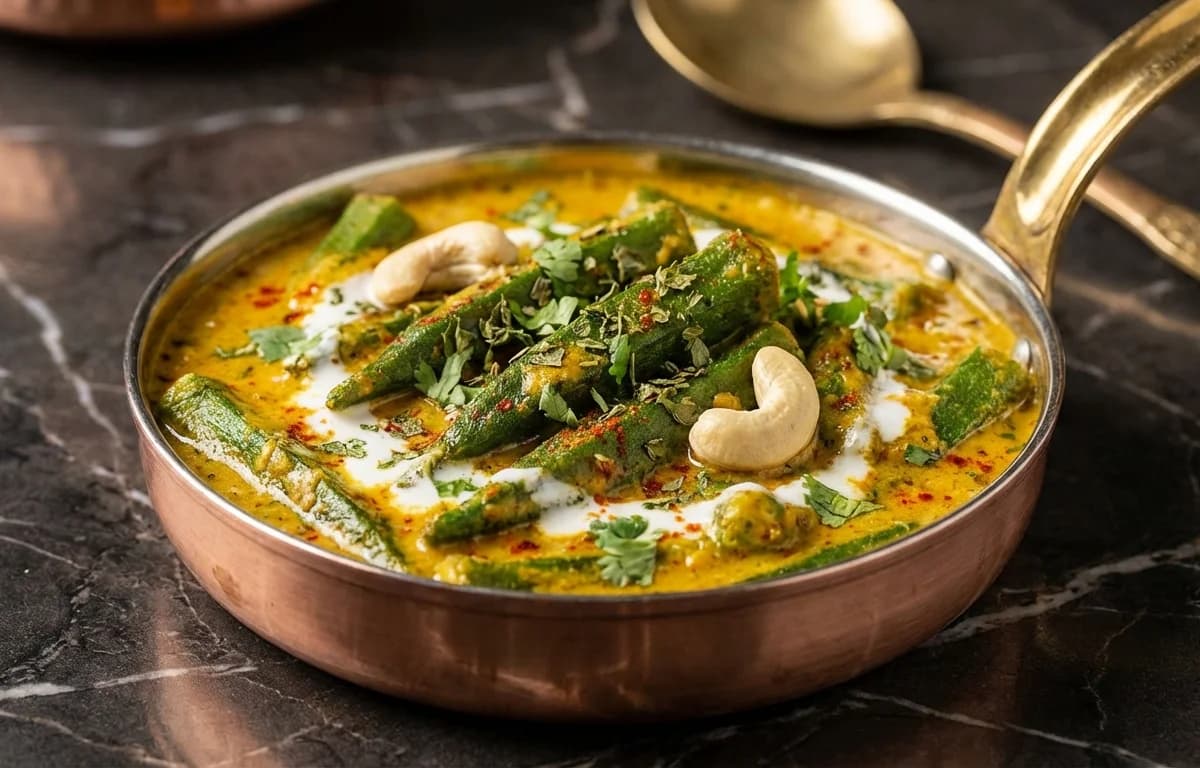
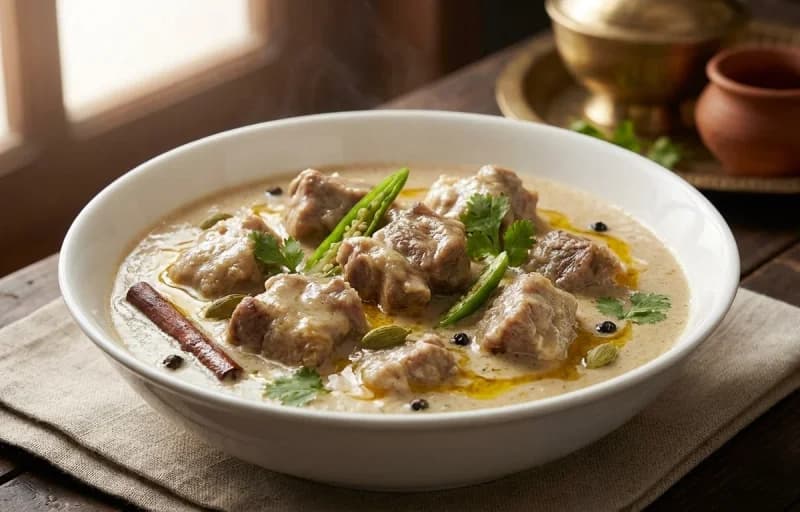
Tender okra simmered in a rich, creamy Mughlai-style gravy made with cashews, yogurt, and aromatic spices. A luxurious vegetarian main course that pairs perfectly with naan or roti.
Prep20 min
Cook35 min
Soak20 min
Servings4
Serving size: 1 serving
259cal
7gprotein
24gcarbs
Ingredients
500 g Okra (Trimmed and cut into 1-inch pieces)
0.25 cup Vegetable Oil (For shallow frying the okra)
2 tbsp Ghee
1 tsp Cumin Seeds
2 pcs Onion (Medium, finely chopped)
1 tbsp Ginger-Garlic Paste
2 pcs Tomatoes (Medium, pureed)
0.25 cup Cashews (Soaked in warm water for 20 minutes)
0.5 cup Yogurt (Plain, full-fat, whisked until smooth)
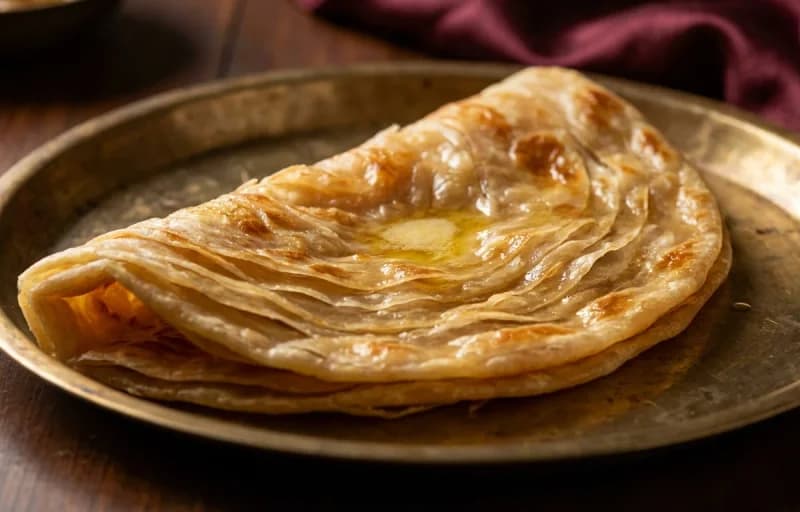
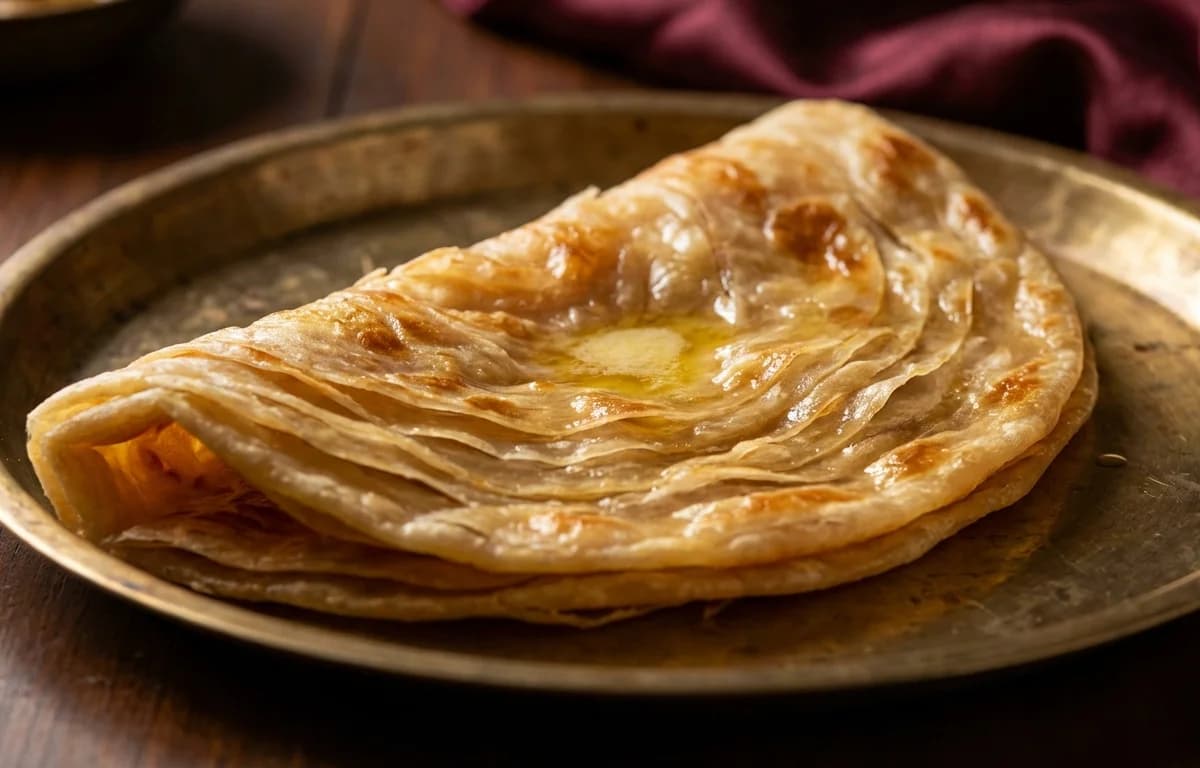
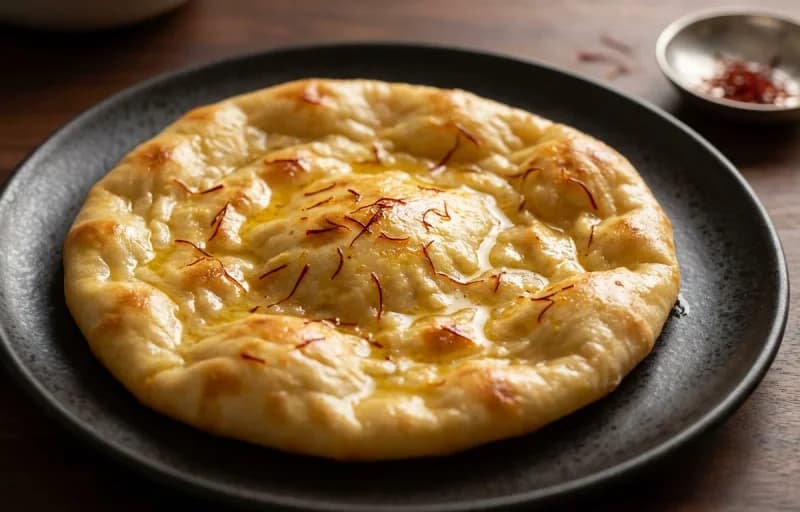
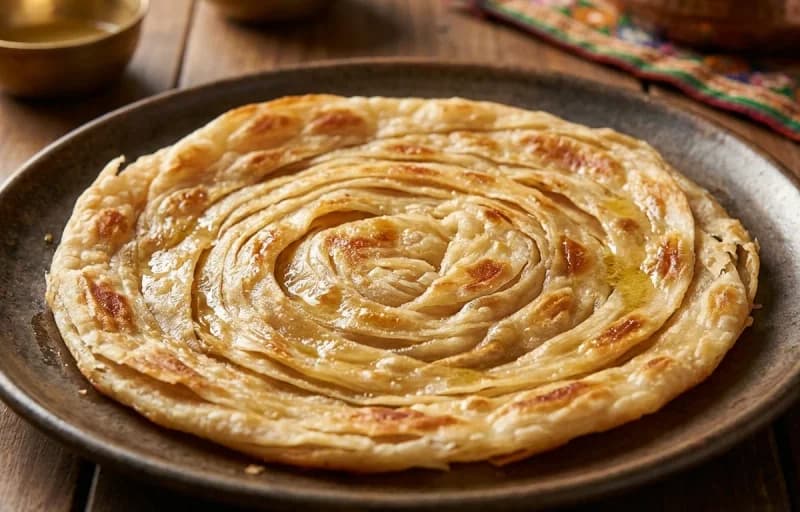
Experience the magic of Mughlai cuisine with this incredibly flaky, multi-layered flatbread. Each bite reveals delicate, paper-thin layers crisped to perfection with ghee. A true showstopper for any meal.
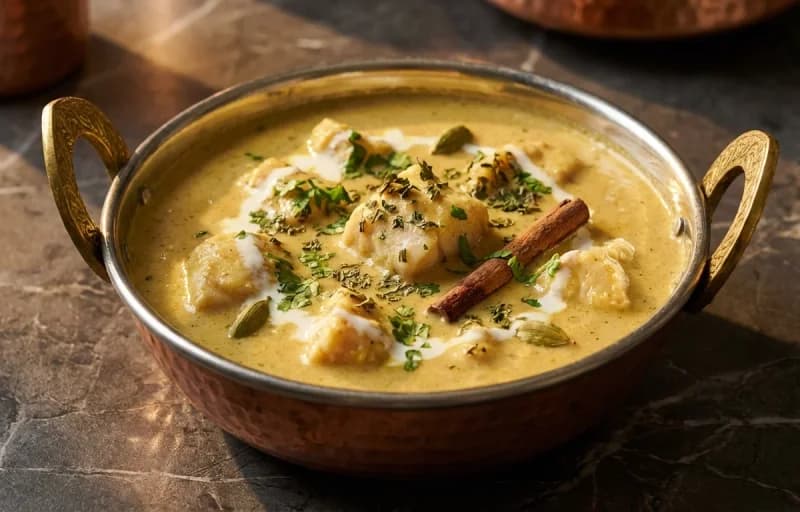
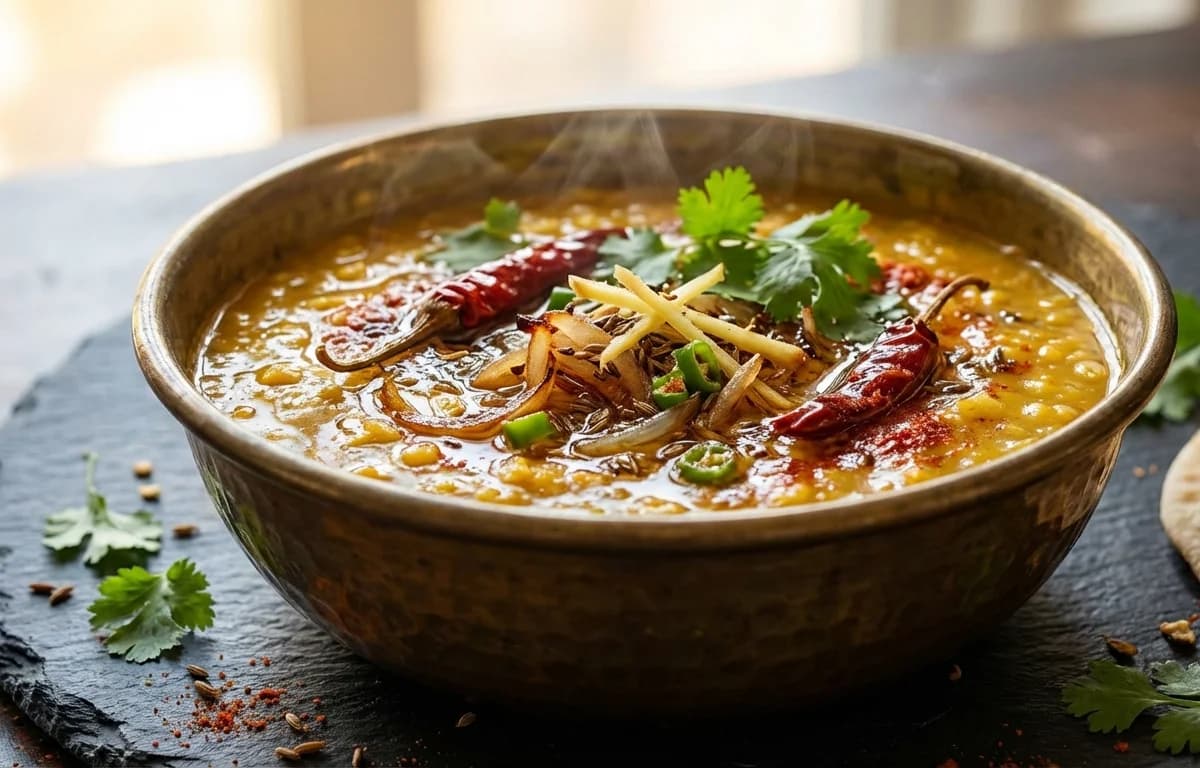
A comforting and classic North Indian lentil dish. Creamy yellow lentils are cooked until tender and then topped with a fragrant tempering of spices sizzled in ghee. Perfect with steamed rice or roti.
Tangy Mughlai Bhindi with flaky Warqi Paratha and gut-friendly dal. A perfectly spiced, homestyle meal!
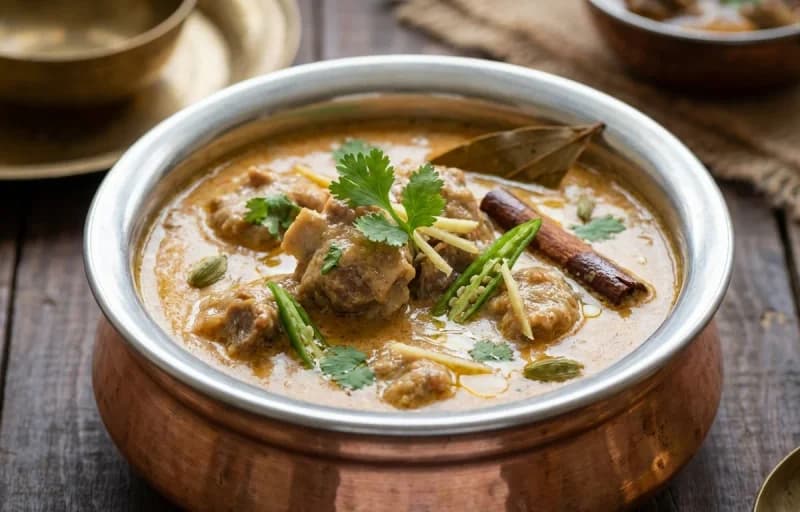
This mughlai dish is perfect for dinner. With 1126.61 calories and 25.839999999999996g of protein per serving, it's a nutritious choice for your meal plan.
17gfat
0.5 tsp Turmeric Powder
1 tsp Red Chili Powder (Adjust to your spice preference)
1.5 tsp Coriander Powder
0.75 tsp Garam Masala
1 tsp Kasuri Methi (Crushed between palms)
1.25 tsp Salt (Or to taste)
0.5 cup Water (Or as needed for gravy consistency)
2 tbsp Heavy Cream
2 tbsp Coriander Leaves (Freshly chopped, for garnish)
Instructions
1
Prep Ingredients: Wash the okra and pat it completely dry with a kitchen towel. This is crucial to minimize sliminess. Trim the ends and cut into 1-inch pieces. Drain the soaked cashews and blend with 2-3 tablespoons of water to a very smooth paste. Set aside.
2
Fry the Okra: Heat oil in a wide pan or kadai over medium-high heat. Add the cut okra in a single layer (fry in batches if needed) and shallow fry for 8-10 minutes, stirring occasionally. Cook until it's lightly browned and the slimy texture is gone. Remove with a slotted spoon and set aside.
3
Sauté Aromatics: In the same pan, reduce heat to medium and add the ghee. Once warm, add the cumin seeds and let them splutter for about 30 seconds. Add the finely chopped onions and sauté for 7-9 minutes until they turn soft and golden brown.
4
Build the Masala Base: Stir in the ginger-garlic paste and cook for 1 minute until the raw aroma disappears. Add the tomato puree, turmeric powder, red chili powder, and coriander powder. Cook for 6-8 minutes, stirring frequently, until the masala thickens and you see oil separating at the edges.
5
Create the Creamy Gravy: Reduce the heat to low. Slowly pour in the whisked yogurt while stirring continuously to prevent it from curdling. Cook for 2-3 minutes. Now, stir in the prepared cashew paste and cook for another 3-4 minutes until the gravy thickens and becomes glossy.
6
Combine and Simmer: Add the fried okra, salt, and garam masala to the gravy. Gently mix to coat the okra without breaking it. Pour in 1/2 cup of water, stir, and bring to a gentle simmer. Cover the pan and cook on low heat for 5-7 minutes, allowing the okra to absorb the flavors.
7
Finish and Garnish: Uncover the pan and stir in the heavy cream and crushed kasuri methi. Cook for one final minute. Turn off the heat. Garnish with freshly chopped coriander leaves and serve hot.
605cal
7gprotein
48gcarbs
42gfat
Ingredients
2 cup Maida (plus more for dusting)
0.75 cup Ghee (melted, divided)
1 tsp Salt
0.75 cup Water (lukewarm, adjust as needed)
Instructions
1
Prepare the Dough
In a large mixing bowl, combine 2 cups of maida and 1 tsp of salt. Mix well.
Add 2 tbsp of melted ghee to the flour and rub it in with your fingertips until the mixture resembles coarse breadcrumbs.
Gradually add lukewarm water, a little at a time, and knead for 8-10 minutes to form a soft, smooth, and pliable dough. It should be soft but not sticky.
Cover the dough with a damp cloth or plastic wrap and let it rest for at least 30 minutes. This step is crucial for relaxing the gluten.
2
Create the Layering Paste (Satha)
While the dough rests, prepare the layering paste. In a small bowl, whisk together 1/2 cup of melted ghee and 2 tbsp of maida until you get a smooth, lump-free paste. This paste is key to creating the distinct layers.
3
Layer and Coil the Dough
After resting, divide the dough into 8 equal portions and roll them into smooth balls.
Take one dough ball and dust it lightly with dry maida. Roll it out as thinly as possible into a large, translucent circle, about 9-10 inches in diameter.
Spread about 1-2 tsp of the prepared ghee-flour paste evenly over the entire surface of the rolled dough.
Starting from one edge, carefully fold the dough back and forth like a paper fan to create fine pleats. You will end up with a long, pleated strip.
Gently hold both ends of the pleated strip and stretch it slightly to elongate it.
Begin coiling the strip from one end, tucking it under as you go, to form a tight spiral or pinwheel. Press the loose end gently into the center of the coil.
Repeat this process for all the dough balls. Cover the prepared coils and let them rest for another 10-15 minutes.
4
Roll and Cook the Parathas
Heat a tawa or a flat, heavy-bottomed skillet over medium heat.
Take one rested coil and place it on a lightly floured surface. Gently flatten it with your palm.
With a light hand, roll it out into a circle about 5-6 inches in diameter. Do not press too hard, as this can merge the layers.
Place the paratha on the hot tawa. Cook for 30-45 seconds, or until small bubbles appear on the surface.
Flip the paratha and drizzle about 1 tsp of the remaining melted ghee around the edges and on top. Cook for another minute.
Flip again, drizzle another tsp of ghee, and cook while pressing gently with a spatula until both sides are golden brown, crisp, and the layers are visible.
Repeat for all the remaining coils, adding ghee for each paratha.
5
Serve
Remove the cooked paratha from the tawa. While it's still hot, gently crush it between your palms (you can use a kitchen towel to protect your hands) to fluff it up and separate the layers.
Serve immediately with rich curries like Chicken Korma, Paneer Butter Masala, or with kebabs.
3 cup Water (for pressure cooking, plus more as needed)
0.5 tsp Turmeric Powder
1 tsp Salt (or to taste)
2 tbsp Ghee (divided)
1 tsp Cumin Seeds
0.5 tsp Mustard Seeds
1 medium Onion (finely chopped)
1 tbsp Ginger Garlic Paste
2 pcs Green Chili (slit lengthwise)
1 medium Tomato (finely chopped)
0.25 tsp Hing (asafoetida)
2 pcs Dried Red Chili (whole)
0.5 tsp Kashmiri Red Chili Powder (for color, adjust to taste)
0.5 tsp Garam Masala
2 tbsp Coriander Leaves (freshly chopped, for garnish)
1 tsp Lemon Juice (optional, for a tangy finish)
Instructions
1
Pressure Cook the Dal
Rinse the toor dal thoroughly under cold running water until the water runs clear. Drain.
Place the rinsed dal in a pressure cooker. Add 3 cups of water, turmeric powder, and 1/2 tsp of salt.
Secure the lid and pressure cook on medium-high heat for 4-5 whistles, or about 15 minutes, until the dal is completely soft and mushy.
Allow the pressure to release naturally. This extra time helps the dal become even creamier.
Once the pressure has subsided, open the cooker and whisk the dal gently until it reaches a smooth, consistent texture. If it's too thick, add a little hot water to reach your desired consistency.
2
Prepare the Masala Base
Heat 1 tbsp of ghee in a separate pan or kadai over medium heat.
Add 1/2 tsp of cumin seeds and let them sizzle.
Add the finely chopped onion and sauté for 3-4 minutes until it becomes soft and translucent.
Add the ginger-garlic paste and slit green chilies. Cook for another minute until the raw smell disappears.
Stir in the chopped tomatoes and the remaining 1/2 tsp of salt. Cook for 4-5 minutes, stirring occasionally, until the tomatoes break down and the mixture becomes pulpy.
Pour this onion-tomato masala into the cooked dal. Add the garam masala, stir well, and let it simmer on low heat for 5 minutes for the flavors to meld.
3
Prepare the Final Tempering (Tadka)
In a small tadka pan or small skillet, heat the remaining 1 tbsp of ghee over medium heat until hot.
Add the mustard seeds and the remaining 1/2 tsp of cumin seeds. Allow them to crackle and splutter, which should take about 30 seconds.
Add the whole dried red chilies and hing (asafoetida). Sauté for just 10-15 seconds, being careful not to burn them.
Turn off the heat completely. Immediately add the Kashmiri red chili powder to the hot ghee and give it a quick swirl. This prevents the powder from burning and turning bitter.
4
Combine and Serve
Immediately pour the sizzling hot tempering over the simmering dal. You should hear a satisfying sizzle as the tadka hits the dal.
Stir gently to incorporate the tempering. Stir in the optional lemon juice if using.
Garnish with freshly chopped coriander leaves.
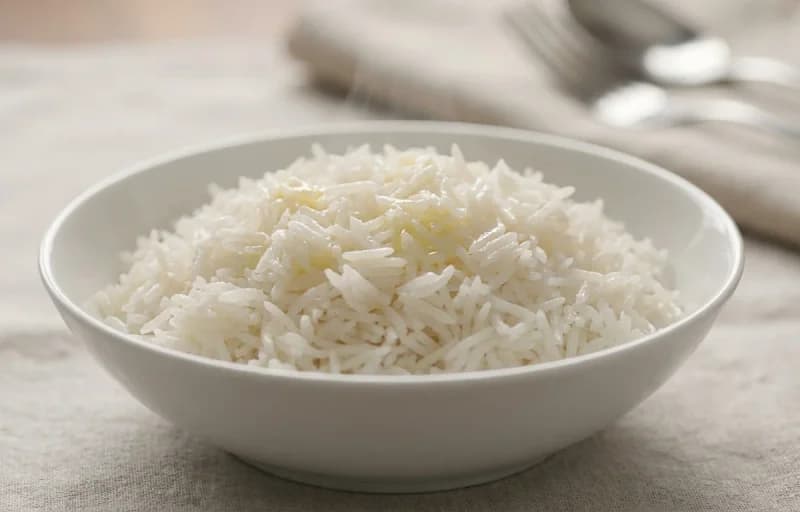
Serve hot with steamed basmati rice, jeera rice, or fresh rotis.