Fresh Basil: Nutrition, Glycemic Index & How to Use It: verified nutrition facts, glycemic context, serving guidance, and practical cooking ideas.
↑ Fresh basil is more than a garnish; it's a nutrient-dense herb worth using by the handful.
More than a garnish
Basil belongs to the mint family, which explains its bright, refreshing character. While we often see it sprinkled on a pizza or sitting next to a tomato, its real power comes when you use it in quantity. Think of it less as a finishing touch and more as a leafy green in its own right. A full cup of basil leaves tossed into a salad or blended into a sauce changes the nutritional profile of your meal, adding vitamins and antioxidants for almost no caloric cost. It's time to move basil from the windowsill to the center of the plate.
IN ONE LINE
Fresh basil is a nearly calorie-free way to load up on flavor, antioxidants, and vitamin C. Use it generously, not just as a final sprinkle.
Fresh basil nutrition facts
A 100-gram portion is the standard for nutritional comparison, but it's a lot of basil — about three packed cups. It's more than you'd use in one go, but it shows what's hiding in those leaves. A more realistic serving, like a generous handful (around 20g), still offers a nice little nutrient boost for just 5 calories.
The numbers speak for themselves: basil is incredibly low in calories, carbs, and fat. What stands out is the vitamin C content. Getting 20% of your daily vitamin C from 100 grams of a leafy herb is impressive. It also provides a surprising amount of protein for a green leaf, alongside some useful fiber.
Basil's Glycemic Index
The Glycemic Index (GI) isn't measured for foods like fresh basil, for a simple reason: it contains so little carbohydrate that it has no meaningful effect on blood sugar levels. You could eat a whole plant and it wouldn't cause a stir. This makes it an ideal ingredient for anyone managing blood sugar, from people with diabetes to those simply looking for stable energy. It adds a world of flavor without touching your blood glucose.
GLYCEMIC INDEX · BASIL vs COMMON FOODS
Basil has no impact on blood sugar
Fresh Basil
leafy herb
LOW
Cherries
whole fruit
LOW
Apple
whole fruit
LOW
Pineapple
whole fruit
MEDIUM
White bread
refined
HIGH
SCALE 0–90
04590
How to use it right
Getting the most from basil is easy. It’s less about complicated recipes and more about a few simple habits.
01
Add it at the end.
Heat destroys basil's delicate essential oils and flavor. Stir fresh leaves into a hot pasta sauce or soup right before you serve it, don't cook it for ages.
02
Use it by the handful.
Stop thinking of it as a garnish. Use whole cups of it in salads, sauces, and sandwiches. This is where the nutritional benefits really start to add up.
03
Store it like flowers.
Don't put it in the fridge crisper, where it will turn black and slimy. Trim the stems and stand the bunch in a glass of water on your kitchen counter. It'll last for days.
04
Tear, don't chop.
For salads and toppings, gently tearing the leaves with your hands prevents bruising and releases more of that gorgeous aroma than mincing it with a knife.
What basil is good for
01
Maximum flavor, minimum calories
Basil provides a huge burst of fresh, peppery flavor that can reduce the need for salt and fat in cooking, all for almost no calories.
23
cals/100g
02
A surprising Vitamin C boost
For a simple leaf, basil packs a real punch of Vitamin C, an antioxidant crucial for immune function and skin health.
20%
Vit C DV
03
Rich in protective antioxidants
Beyond vitamins, basil is loaded with volatile oils and flavonoids. These compounds act as antioxidants, helping to protect your cells from damage.
Antioxidant
Rich
04
Perfect for heart health
Being naturally free of sodium, cholesterol, and fat, basil is an ideal way to season food for anyone focused on cardiovascular wellness.
0 g
sodium
Classic basil pairings
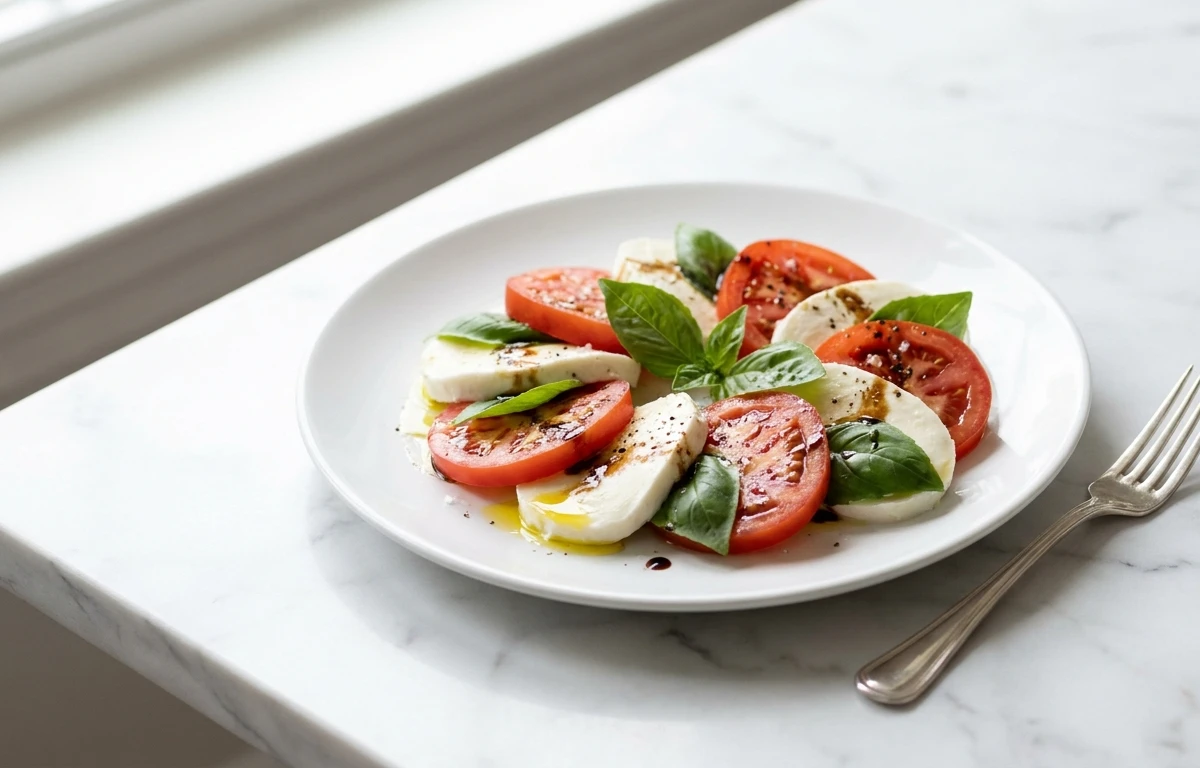
Basil is a team player. Its sweet and savory notes complement a huge range of ingredients, but these are the classics for a reason.
Use freely — or be mindful?
Three ways with basil
Go beyond the garnish with these simple recipes that put fresh basil front and center.

Want fresh flavors worked into a balanced week?
Our meal planner uses fresh herbs like basil to create delicious, healthy meals with balanced macros. Get a plan tailored to you, complete with a single, simple grocery list.
Build my weekly plan →SOURCES & REFERENCES · 3
One more thing
Eating well is rarely about willpower. It’s about having a short list of dinners you actually want to eat. Pick two from this list. Make them next week. The rest will follow.
If you want these on autopilot, our weekly meal planner can drop the picks above into your calendar with one click and build a single grocery list from the merged ingredients.
FREQUENTLY ASKED QUESTIONS
Frequently asked questions
Is fresh basil good for you every day?
Yes, for most people, fresh basil is a fantastic, healthy addition to your daily diet. It's low in calories and adds significant flavor and nutrients. The only major exception is for individuals on blood-thinning medication like Warfarin, due to basil's high Vitamin K content. They should consult their doctor.
What's the difference between fresh and dried basil?
They have very different flavors. Fresh basil is bright, peppery, and slightly sweet. Dried basil is more muted, with a concentrated flavor closer to oregano or mint. For nutrition and vibrant taste, fresh is always better. Use dried basil in long-simmered sauces and fresh basil for finishing dishes.
How can you tell if basil is fresh?
Look for vibrant, green leaves that are firm and springy, not wilted, bruised, or blackened. It should have a strong, fragrant aroma when you rub a leaf between your fingers.
Does basil help with inflammation?
There is good evidence that compounds in basil, such as eugenol, have anti-inflammatory properties. While eating basil won't cure an inflammatory condition, incorporating it regularly into an overall healthy diet can certainly contribute to an anti-inflammatory eating pattern.
METHODOLOGY
How this article was created
Built using verified nutrition databases, culinary research, and traditional cooking knowledge — every claim is cross-referenced against the sources listed in the article.
· USDA data· Culinary research· Quality reviewed
Read our methodology →TRANSPARENCY
About this content
Articles are curated using trusted food databases (USDA FoodData Central, IFCT), culinary literature, and dietary guidelines, then structured by our editorial team for clarity, accuracy, and usefulness.
· Verified data sources· Culinary research· Quality reviewed
Read our editorial policy →RELATED RECIPES
Cook from this article
EXPLORE OUR MEALS
Meals that fit this article

AMERICAN · 1677 CAL
Almonds with Sliced Apple + supplement + iron

MEDITERRANEAN · 809 CAL
Greek Yogurt with Berries Almonds and Granola + supplement + iron

GENERAL_HEALTHY · 705 CAL
Banana with Peanut Butter Pregnancy + supplement + iron

MODERN · 982 CAL
Hummus with Crudits and Pita with Fresh Orange Snack + supplement + iron
TAGGED
KEEP READING