The name 'sugar-apple' sounds like a warning label, doesn't it? It conjures up images of pure sugar in a lumpy green skin. But this wildly underrated tropical fruit, also called a custard apple or sweetsop, is more nuanced than its name suggests. Yes, it's sweet, with a creamy, custardy texture unlike any other fruit. But that sweetness comes packaged with a surprising amount of fiber and a hefty dose of vitamin C. The key, as with all sweet fruits, is understanding how to eat it.
↑ A sugar-apple, a.k.a. custard apple. Its lumpy skin hides a creamy, sweet pulp studded with seeds.
The 'sugar bomb' that isn't
Let's be honest, 'sugar-apple' is terrible marketing if you're trying to convince someone a fruit is healthy. But once you get past the name and the bumpy, prehistoric-looking exterior, you find one of the most unique fruits you can eat. The texture is the star: soft, creamy, and almost custardy, melting in your mouth. The flavor is a gentle, aromatic sweetness, like a blend of pear, pineapple, and banana.
The important part is that the sweetness isn't 'free' sugar. It's bound up in a fibrous, water-rich pulp that makes it behave very differently in your body than sugar from a candy bar. It's a fruit to get to know, not one to fear.
IN ONE LINE
Don't let the name fool you. A whole sugar-apple is a great source of fiber and vitamin C. Eat it fresh, in a single-fruit portion, to get the benefits without the worry.
Sugar-apple nutrition facts
Here's what one medium sugar-apple — about 100 grams of edible pulp — provides.
Two numbers really stand out here. First, the vitamin C: at 36.3 mg, a single small fruit provides 40% of what you need for the entire day. Second is the fiber. 4.4 grams is a huge amount for a soft fruit, more than you'll find in a typical apple or banana. That fiber is doing a lot of important work.
Is it too sugary?
With roughly 19 grams of sugar per 100g serving, the sugar-apple lives up to its name in one sense: it's definitely sweet. This is on the higher end for fruit, similar to a ripe mango or a couple of figs. But the question isn't just 'how much sugar?', it's 'how does that sugar behave?'. The 4.4 grams of dietary fiber are critical here. That fiber forms a gel-like matrix in your gut, slowing down how quickly the fruit's natural sugars are absorbed into your bloodstream. So while it's sweet, it's a slow-burn sweetness, not a sharp, spiky one.
The soft, creamy texture makes it easy to eat a lot, quickly. A single fruit is a sensible serving size. Enjoy it, but don't eat three in one sitting.
Sugar-apple's glycemic index
While the sugar-apple hasn't been officially tested and assigned a glycemic index (GI) number, we can make an educated guess. Its high sugar content would push its GI up, while its very high fiber content would pull it down. The likely result is a moderate GI — probably higher than a low-sugar berry, but lower than refined foods like white bread. It's not a 'free food' for blood sugar management, but its fiber makes it far better behaved than you'd expect from the name.
GLYCEMIC INDEX · SUGAR-APPLE vs COMMON FOODS
Sugar-apple likely sits in the moderate-GI band
Apple
whole fruit
LOW
Mango
whole fruit
LOW
Sugar-Apple (est.)
whole fruit
MODERATE
Pineapple
whole fruit
MODERATE
Watermelon
whole fruit
HIGH
SCALE 0–90
04590
How to eat it right
Eating a sugar-apple is a simple, primal pleasure. No complex prep required.
01
Chill it first.
Pop it in the fridge for an hour. The cold firms up the custardy flesh and makes it even more refreshing.
02
Break it open.
A ripe sugar-apple is soft. You can often just break it in half with your hands. If not, a knife will do.
03
Grab a spoon.
Scoop the creamy white pulp directly from the skin. It's the ultimate natural dessert.
04
Spit out the seeds.
The smooth, black seeds are scattered throughout the pulp. They are not edible, so just eat around them or spit them out.
05
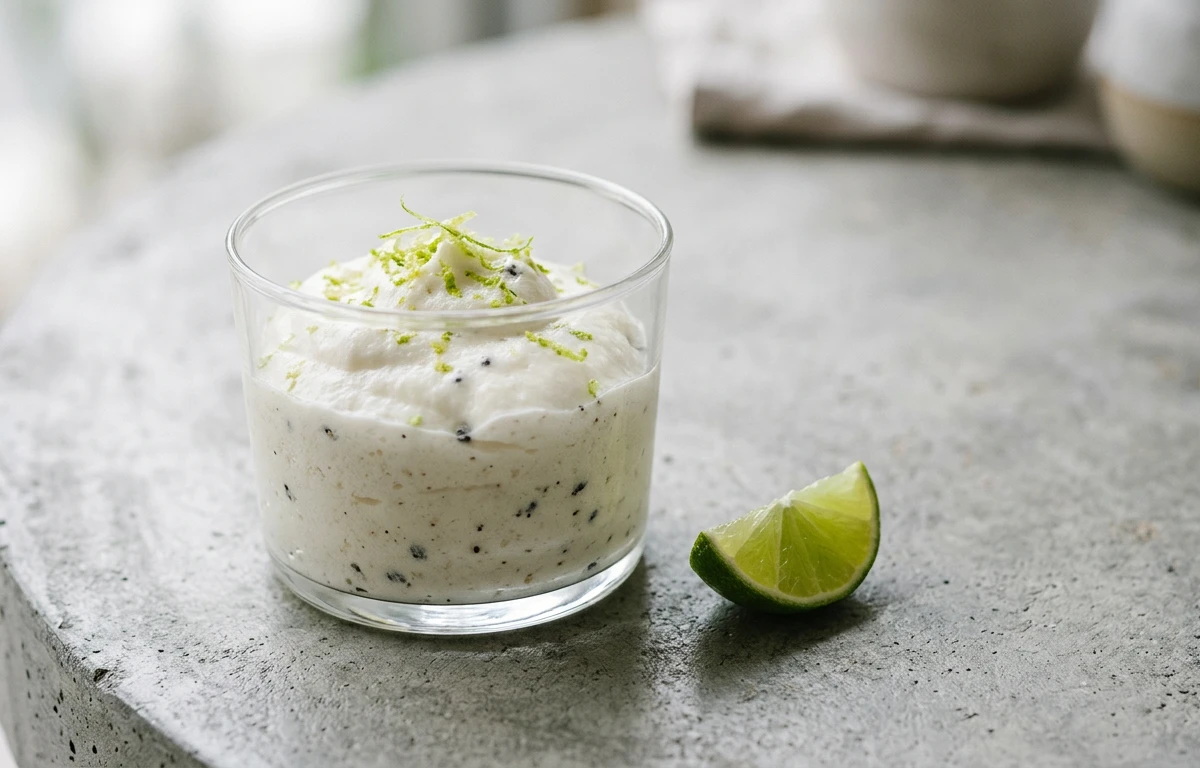
Add a squeeze of lime.
A little acidity from lime or lemon juice cuts through the sweetness beautifully and brightens the flavor.
What sugar-apple is good for
01
A huge vitamin C boost
A single 100g serving delivers 40% of your daily vitamin C, crucial for immune function, skin health, and antioxidant protection.
40%
vit C DV
02
Exceptionally high in fiber
With 4.4g of fiber, it's fantastic for gut health, promoting regularity and feeding beneficial gut bacteria. This fiber also helps you feel full.
4.4 g
fiber
03
Rich in antioxidants
Beyond vitamin C, sugar-apples contain various plant compounds like flavonoids and carotenoids that help protect your cells from oxidative stress.
Source
of antioxidants
04
Supports energy and mood
The fruit contains B vitamins, including B6, which play a role in energy metabolism and the creation of neurotransmitters like serotonin and dopamine.
B-Vits
for energy
What to pair it with
Sugar-apple is delicious on its own, but its creamy sweetness loves a bit of contrast.
Eat freely — or be mindful?
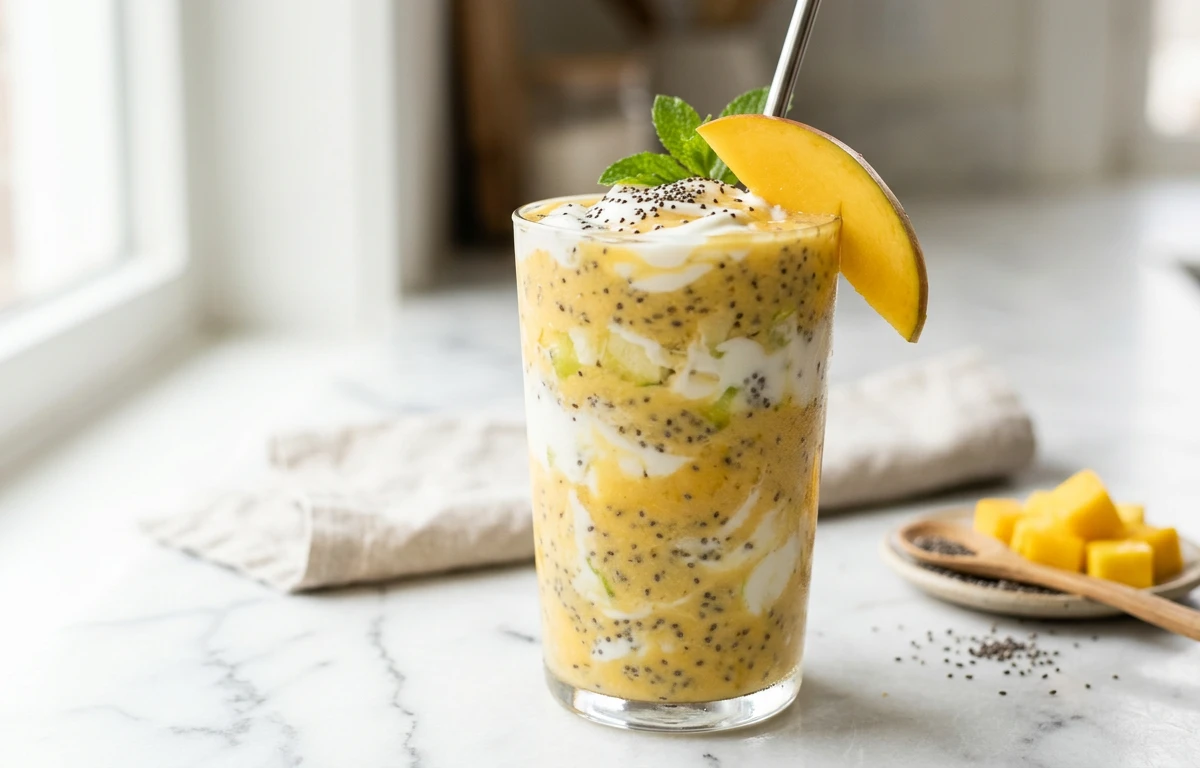
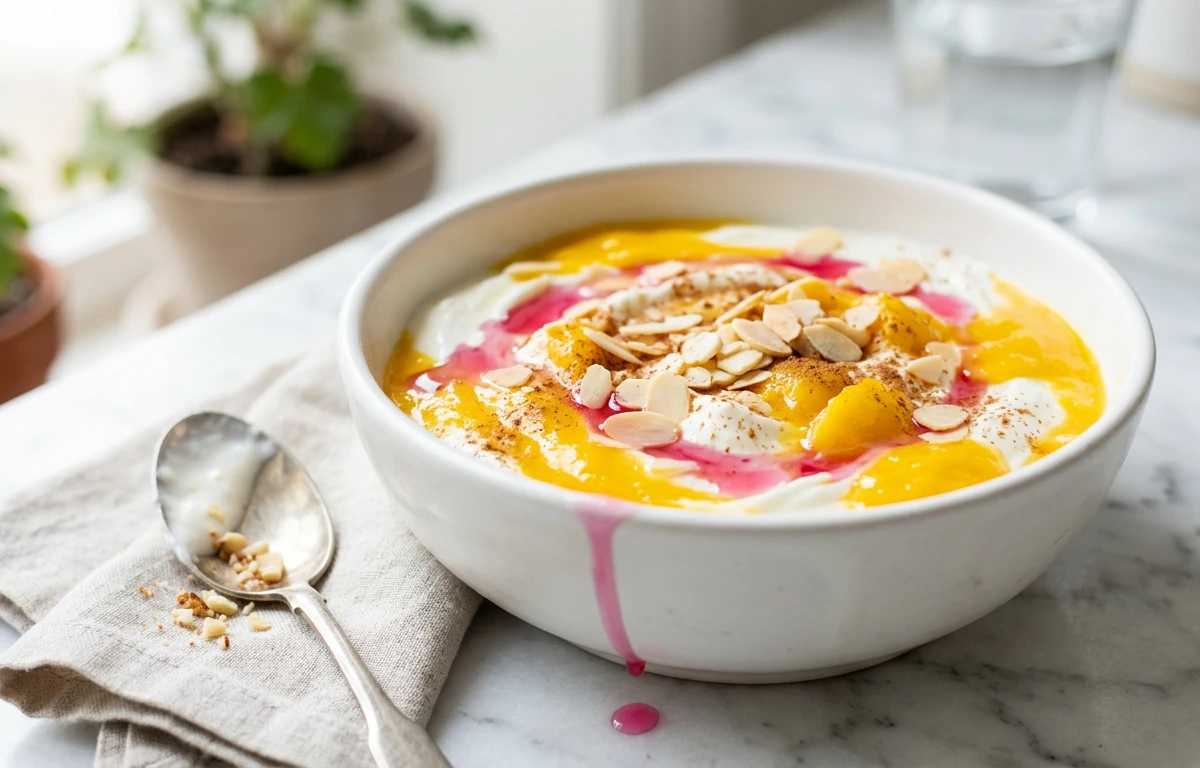
Three simple ideas
Beyond eating it with a spoon, here are a few easy ways to use sugar-apple.
Want fruit worked into a balanced week — without the planning?
Our meal planner pairs fruit like sugar-apple with protein and fibre for steady energy, with portions and macros already calculated and a single grocery list at the end.
Build my weekly plan →SOURCES & REFERENCES · 3
One more thing
Eating well is rarely about willpower. It’s about having a short list of dinners you actually want to eat. Pick two from this list. Make them next week. The rest will follow.
If you want these on autopilot, our weekly meal planner can drop the picks above into your calendar with one click and build a single grocery list from the merged ingredients.
FREQUENTLY ASKED QUESTIONS
Frequently asked questions
Can people with diabetes eat sugar-apple?
With caution and strict portion control. While it's high in fiber, it's also high in sugar. A small portion (e.g., half a fruit) paired with a protein source like nuts or yogurt is the best approach. Always consult with your doctor or dietitian.
What does a sugar-apple taste like?
It has a unique sweet and aromatic flavor, often described as a mix of pineapple, banana, and pear. The texture is its main feature: soft, creamy, and custardy.
Are the seeds of a sugar-apple poisonous?
You should not eat the seeds. While accidentally swallowing one is unlikely to cause harm, they contain small amounts of compounds that can be toxic if crushed or chewed in large quantities. Just spit them out.
How do you know when a sugar-apple is ripe?
A ripe sugar-apple will feel slightly soft when you gently press it, similar to a ripe avocado or peach. The spaces between the bumps on the skin may also widen and turn slightly yellow. Avoid rock-hard ones or those that are mushy and split open.
METHODOLOGY
How this article was created
Built using verified nutrition databases, culinary research, and traditional cooking knowledge — every claim is cross-referenced against the sources listed in the article.
· USDA data· Culinary research· Quality reviewed
Read our methodology →TRANSPARENCY
About this content
Articles are curated using trusted food databases (USDA FoodData Central, IFCT), culinary literature, and dietary guidelines, then structured by our editorial team for clarity, accuracy, and usefulness.
· Verified data sources· Culinary research· Quality reviewed
Read our editorial policy →RELATED RECIPES
Cook from this article
EXPLORE OUR MEALS
Meals that fit this article

AMERICAN · 1677 CAL
Almonds with Sliced Apple + supplement + iron

MEDITERRANEAN · 809 CAL
Greek Yogurt with Berries Almonds and Granola + supplement + iron

GENERAL_HEALTHY · 705 CAL
Banana with Peanut Butter Pregnancy + supplement + iron

MODERN · 982 CAL
Hummus with Crudits and Pita with Fresh Orange Snack + supplement + iron
TAGGED
KEEP READING