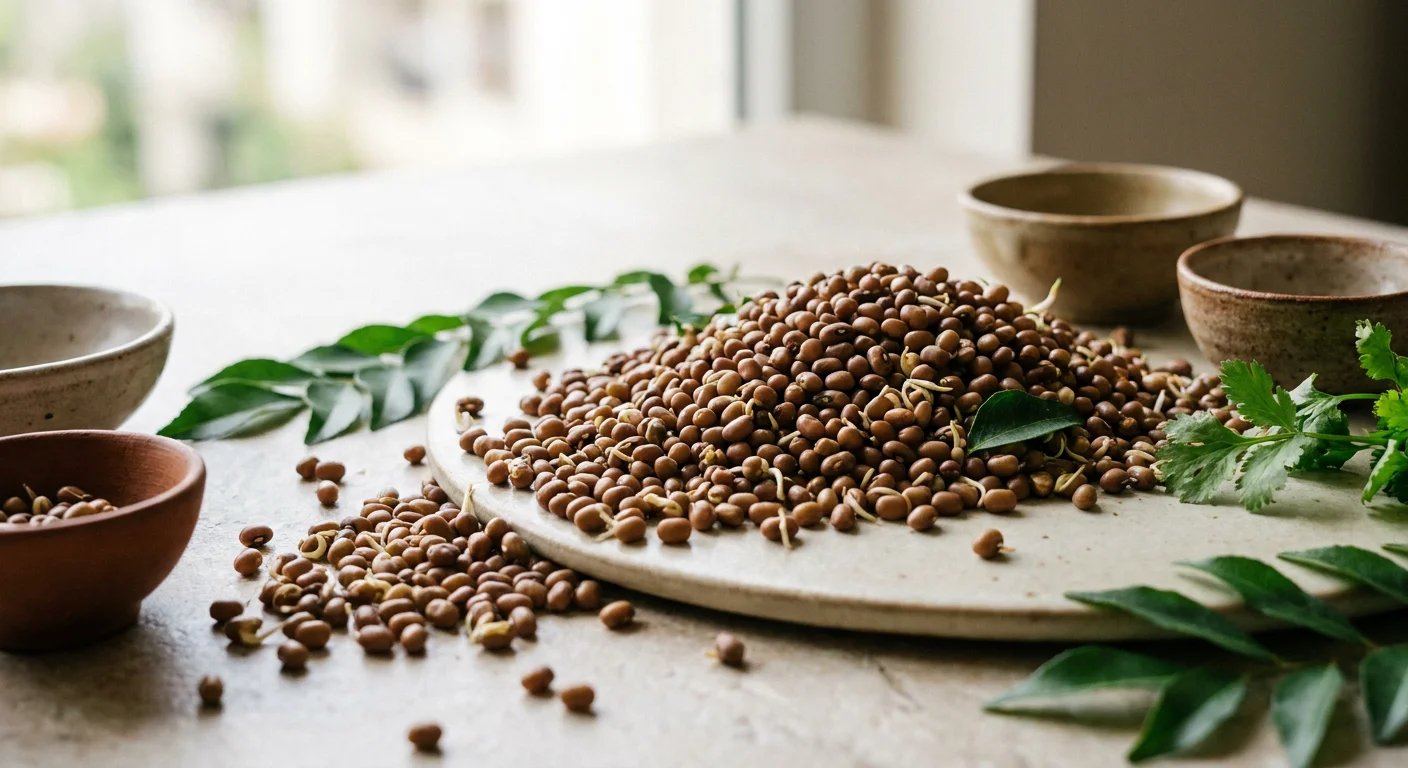
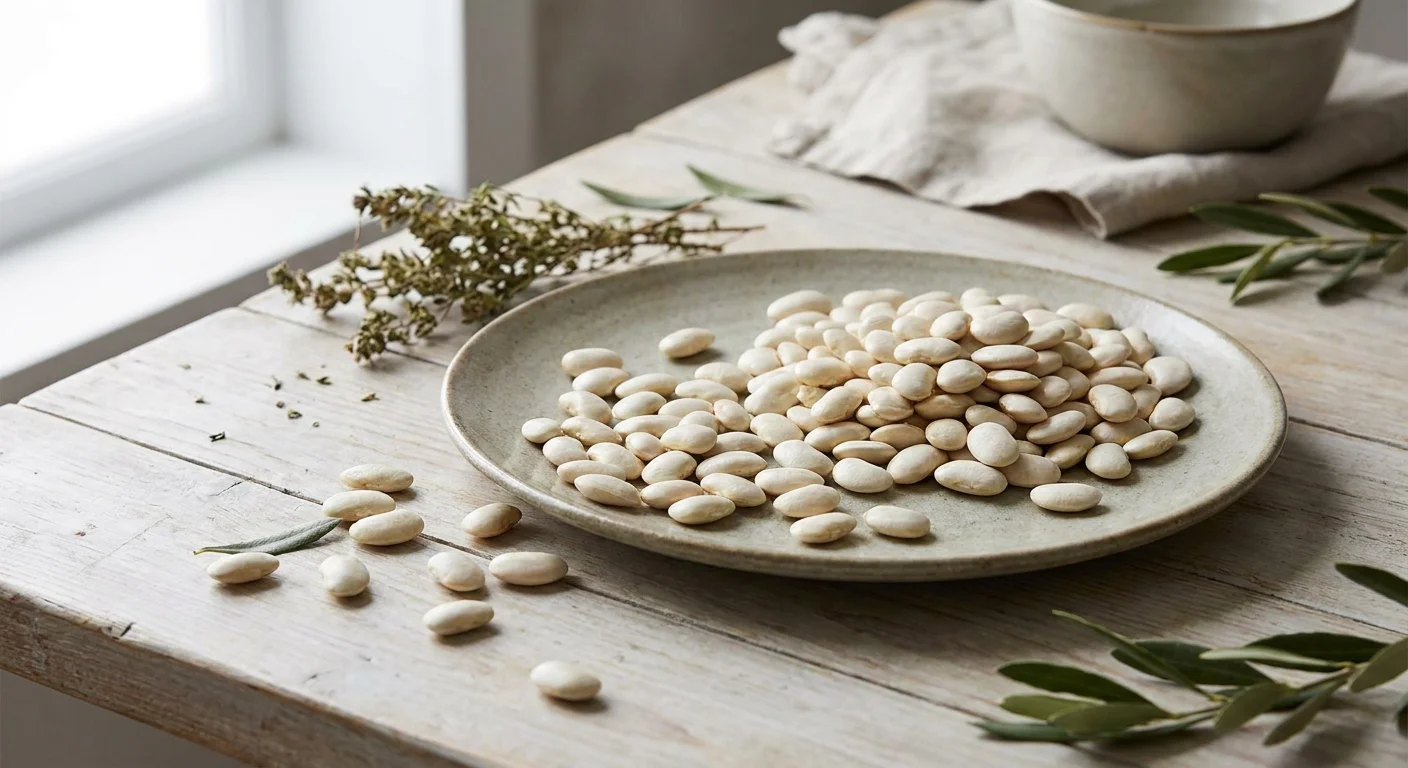
They sit on the shelf right next to chickpeas and lentils, but how often do you actually reach for dried white peas? They're the forgotten legume, which is a real shame. Cooked up, they're creamy, satisfying, and pack an incredible nutritional punch: tons of plant protein, a staggering amount of fiber, and a gentle effect on blood sugar that makes them a secret weapon for steady energy.
↑ Dried white peas are a pantry staple that's incredibly versatile.
The forgotten legume
White peas, also known as 'vatana' in much of India, are essentially mature green peas that have been dried. Unlike the sweet green peas you'd eat fresh, these are starchy, earthy, and meant for long, slow cooking. Once cooked, they lose their firmness and break down into a wonderfully creamy, thick consistency, making them perfect for hearty soups, dips, and curries.
Think of them as a softer, milder cousin to the chickpea. They won't hold their shape in a salad, but they'll give you the most luxurious, velvety soup you've ever made from a dried pulse.
IN ONE LINE
With nearly 25g of protein and 25g of fiber per 100g, dried white peas are one of the most satisfying, blood-sugar-friendly foods in the pantry.
White pea nutrition facts
The numbers for dried white peas are genuinely impressive. They're a near-perfect balance of complex carbs, plant protein, and fiber. Here's the breakdown for a 100-gram (about ½ cup) dry portion, which will cook up to about 2.5 to 3 cups.
The standout numbers here are the fiber and protein. Almost 25 grams of each! That's an astonishing amount, and it's the key to why white peas are so good for you. The fiber is a mix of soluble (which helps lower cholesterol) and insoluble (which aids digestion). The protein is what makes them a cornerstone of vegetarian and vegan diets.
The Glycemic Index of White Peas
This is where white peas really shine. While a specific, universally agreed-upon GI number isn't published for them, all signs point to it being very low. Foods this high in fiber and protein simply can't release their sugars quickly. The fiber forms a gel-like substance in the gut, physically slowing down digestion and the absorption of carbohydrates.
This means no sharp spike in blood sugar, just slow, steady energy. For anyone managing blood sugar, this is exactly what you want to see.
GLYCEMIC INDEX · WHITE PEAS vs COMMON FOODS
White Peas Have a Very Low Glycemic Impact
Dried White Peas
estimated
LOW
Apple
whole fruit
LOW
Pineapple
whole fruit
MEDIUM
White bread
refined
HIGH
SCALE 0–90
04590
What white peas are good for
01
Incredible Satiety for Weight Management
With nearly 25 grams of protein and 25 grams of fiber, white peas are exceptionally filling. This combination keeps you full for hours, helping to reduce overall calorie intake.
24.9g
fiber
02
Excellent for Blood Sugar Control
The high fiber content dramatically slows carbohydrate absorption, preventing blood sugar spikes. This makes them a top-tier food for managing diabetes.
Low
GI
03
A Plant-Protein Powerhouse
Offering as much protein as some meats, white peas are a fantastic, low-fat foundation for vegetarian and vegan meals, supporting muscle maintenance and repair.
24.6g
protein
04
Supports Heart Health
The soluble fiber in white peas can help lower LDL ('bad') cholesterol, and their naturally low-fat, low-sodium nature supports overall cardiovascular wellness.
1.2g
fat
05
Feeds Your Gut Microbiome
That huge dose of prebiotic fiber isn't just for fullness; it acts as food for beneficial gut bacteria, promoting a healthy and diverse digestive system.
25%
fiber
What to pair with white peas
White peas have a mild, earthy flavor that makes them a great canvas. They don't shout like some other beans; they provide a creamy backdrop. Think of them as a softer, more subtle alternative to chickpeas.
Eat freely — or be mindful?
Three ways to cook them
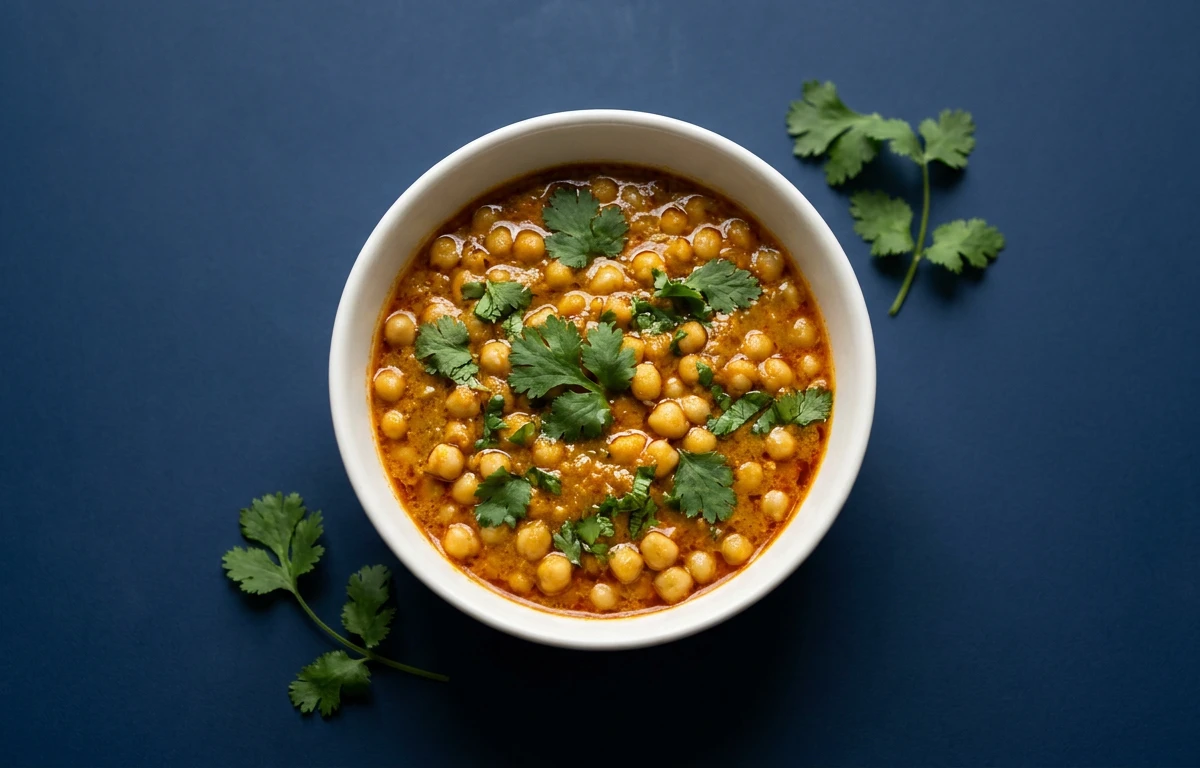
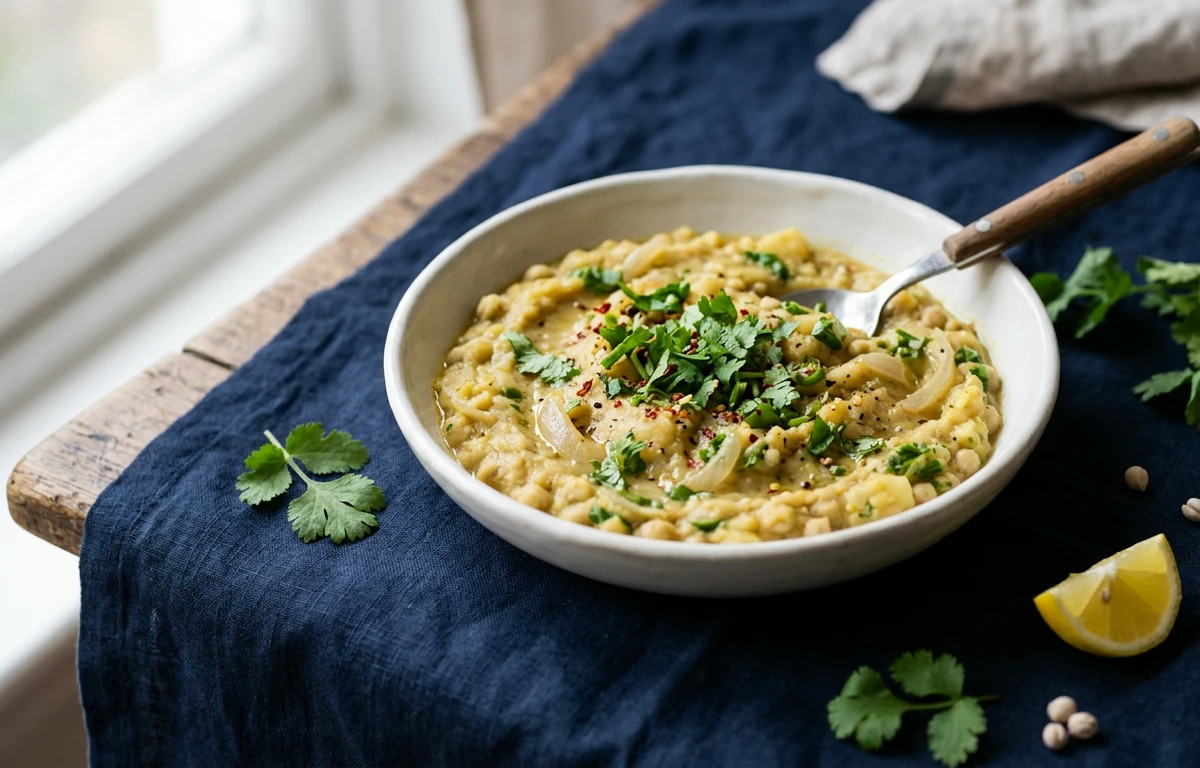
Ready to give them a try? Here are three simple ways to get started with dried white peas. Remember to soak them overnight first!
Want more high-fiber foods in your week — without the planning?
Our meal planner can build you a balanced week of meals, incorporating satisfying foods like white peas to keep you full and energized. Macros are calculated and you get a single grocery list.
Build my weekly plan →SOURCES & REFERENCES · 3
One more thing
Eating well is rarely about willpower. It’s about having a short list of dinners you actually want to eat. Pick two from this list. Make them next week. The rest will follow.
If you want these on autopilot, our weekly meal planner can drop the picks above into your calendar with one click and build a single grocery list from the merged ingredients.
FREQUENTLY ASKED QUESTIONS
Frequently asked questions
Are white peas the same as chickpeas?
No, they are different legumes. White peas are smaller, rounder, and become much creamier when cooked. Chickpeas are larger, have a distinct nutty flavor, and hold their shape better.
Are white peas good for diabetes?
Yes, they are an excellent choice. Their extremely high fiber and protein content leads to a very low glycemic impact, helping to maintain stable blood sugar levels without sharp spikes.
Do you have to soak dried white peas?
Yes, it's highly recommended. Soaking them overnight in water drastically reduces the cooking time from several hours to about 60-90 minutes. It can also make them easier to digest.
Are white peas and yellow peas the same?
They are very similar and often used interchangeably in recipes. Both are varieties of dried field peas. White peas are sometimes called 'safed vatana' and yellow split peas 'peela vatana' in Indian cuisine. Their nutritional profiles are nearly identical.

ABOUT THE AUTHOR
Shreya Chatterjee
NUTRITION WRITER
Shreya is a nutrition writer and the voice behind The Nutrition Pen, where she turns evidence-based nutrition into simple, repeatable eating habits. Her writing focuses on practical food guidance — what to actually put on the plate — for readers who want to eat well without the noise.
Meet the editorial team →METHODOLOGY
How this article was created
Built using verified nutrition databases, culinary research, and traditional cooking knowledge — every claim is cross-referenced against the sources listed in the article.
· USDA data· Culinary research· Quality reviewed
Read our methodology →TRANSPARENCY
About this content
Articles are curated using trusted food databases (USDA FoodData Central, IFCT), culinary literature, and dietary guidelines, then structured by our editorial team for clarity, accuracy, and usefulness.
· Verified data sources· Culinary research· Quality reviewed
Read our editorial policy →RELATED RECIPES
Cook from this article
EXPLORE OUR MEALS
Meals that fit this article

AMERICAN · 1677 CAL
Almonds with Sliced Apple + supplement + iron

MEDITERRANEAN · 809 CAL
Greek Yogurt with Berries Almonds and Granola + supplement + iron

GENERAL_HEALTHY · 705 CAL
Banana with Peanut Butter Pregnancy + supplement + iron

MODERN · 982 CAL
Hummus with Crudits and Pita with Fresh Orange Snack + supplement + iron
TAGGED
KEEP READING