They might not be the most famous member of the legume family, but moth beans are a quiet superstar. Often found in Indian cooking, these tiny, oblong beans are wildly underrated in the West. They pack a serious nutritional punch, with a staggering amount of protein and fiber for their size. If you're looking for a plant-based food that's incredibly filling, budget-friendly, and great for your blood sugar, you've found it.
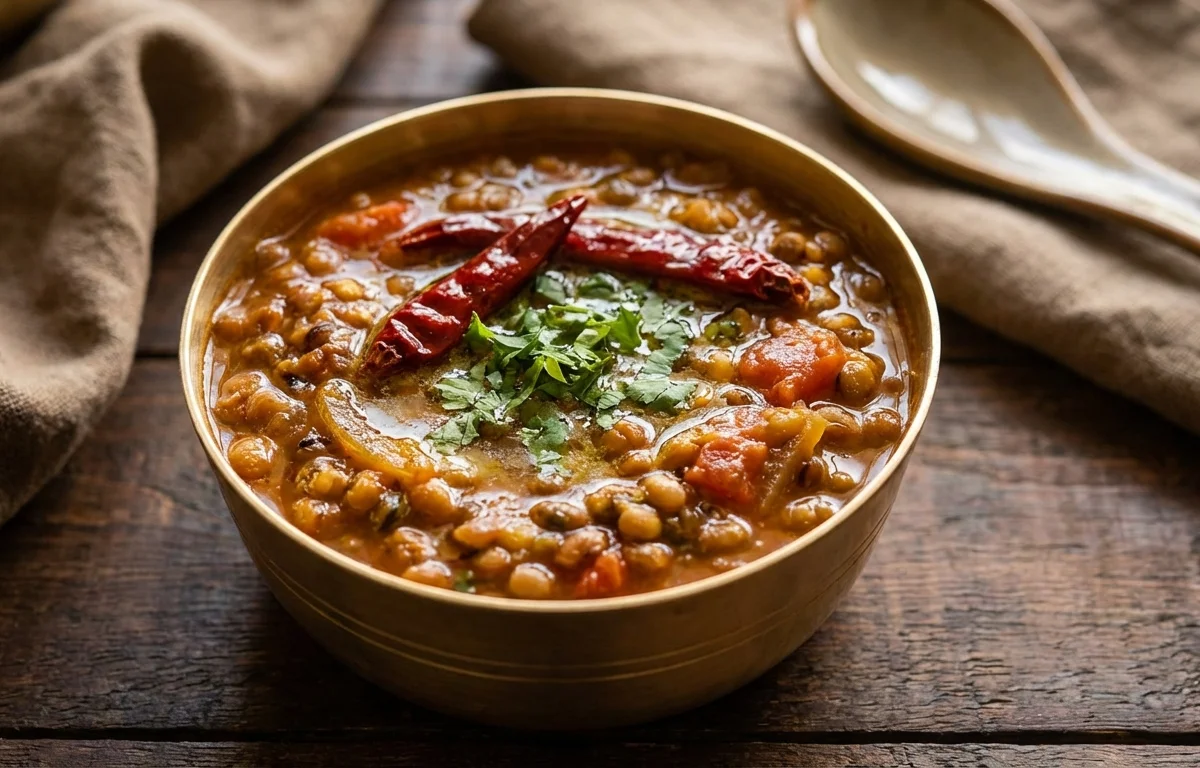
↑ Moth beans (matki) are small, earthy legumes common in Indian cuisine.
The quiet superstar of the pantry
Moth beans, also known as matki, are tiny legumes with a mild, nutty, and slightly earthy flavor. They're a staple in parts of India, where they're often sprouted and used in curries, salads, and savory pancakes. Think of them as a smaller, more delicate cousin to the mung bean.
What's so special about them? Their density. For every 100 grams you cook, you're getting a massive 23 grams of protein and nearly 16 grams of fiber. That combination is the gold standard for creating a meal that leaves you feeling full and satisfied for hours, without a big hit of fat or a spike in your blood sugar.
IN ONE LINE
A tiny bean with a huge nutritional profile: packed with protein and fiber, making it incredibly filling and a brilliant choice for blood sugar management.
Moth bean nutrition facts
Here's the nutritional breakdown for 100 grams of dry moth beans (about ½ cup), which cooks up to roughly 1.5 cups. Remember that these are energy-dense when dry, but become much lighter in calories once cooked with water.
The two numbers that jump out are the protein and fiber. At nearly 23 grams of protein per 100g, moth beans are in the same league as lentils and chickpeas, making them a fantastic plant-based protein source. The 15.7 grams of fiber is more than half the daily recommended intake for many adults, which is incredible for gut health, fullness, and cholesterol management.
Moth bean glycemic index
While moth beans haven't been officially tested for a specific glycemic index (GI) value, we can make a very confident estimate. All legumes—lentils, chickpeas, black beans—consistently score very low on the GI scale, typically between 20 and 40. This is because their high fiber and protein content dramatically slows down the digestion and absorption of their carbohydrates. It's safe to assume moth beans fall squarely in this low-GI category, making them an excellent food for stable energy and blood sugar control.
GLYCEMIC INDEX · MOTH BEANS vs COMMON FOODS
Moth beans sit firmly in the low-GI band
Moth Beans*
*estimated
LOW
Apple
whole fruit
LOW
Pineapple
whole fruit
MEDIUM
White bread
refined
HIGH
Cornflakes
refined
HIGH
SCALE 0–90
04590
How to cook with moth beans
These little beans are versatile, but they do need a bit of prep. Unlike canned beans, you'll be starting with them dry.
01
Rinse and soak.
Always rinse your beans. Soaking them for 4-6 hours (or overnight) in plenty of water will shorten the cooking time and make them easier to digest.
02
Try sprouting them.
This is where moth beans really shine. After soaking, drain them and leave them in a covered bowl or sprouter for 1-2 days, rinsing occasionally. They'll grow tiny tails and become tender, crunchy, and even easier to digest. Sprouting also boosts some nutrient levels.
03
Cook until tender.
Whether soaked or sprouted, you can boil them in fresh water for 20-30 minutes, or pressure cook for about 10-15 minutes. They're done when they are soft and easily mashed.
What moth beans are good for
01
A huge hit of plant protein
With nearly 23g of protein per 100g, moth beans are a fantastic building block for muscle repair, and for creating a filling, satisfying meal.
22.9 g
protein
02
Incredible for gut health
The massive 15.7g of fiber acts as a prebiotic, feeding the good bacteria in your gut. It also promotes regularity and keeps you feeling full.
15.7 g
fiber
03
Excellent for blood sugar control
The potent combination of fiber and protein means the carbohydrates in moth beans are released very slowly, preventing blood sugar spikes and crashes.
Low
glycemic
04
Supports weight management
Foods high in protein and fiber are famously good for weight management because they promote satiety—the feeling of fullness that stops you from overeating.
High
satiety
What to pair moth beans with
Moth beans have a mild, earthy flavor that plays well with bold spices and fresh herbs. To make a complete protein, pair them with a grain.
Eat freely — or be mindful?
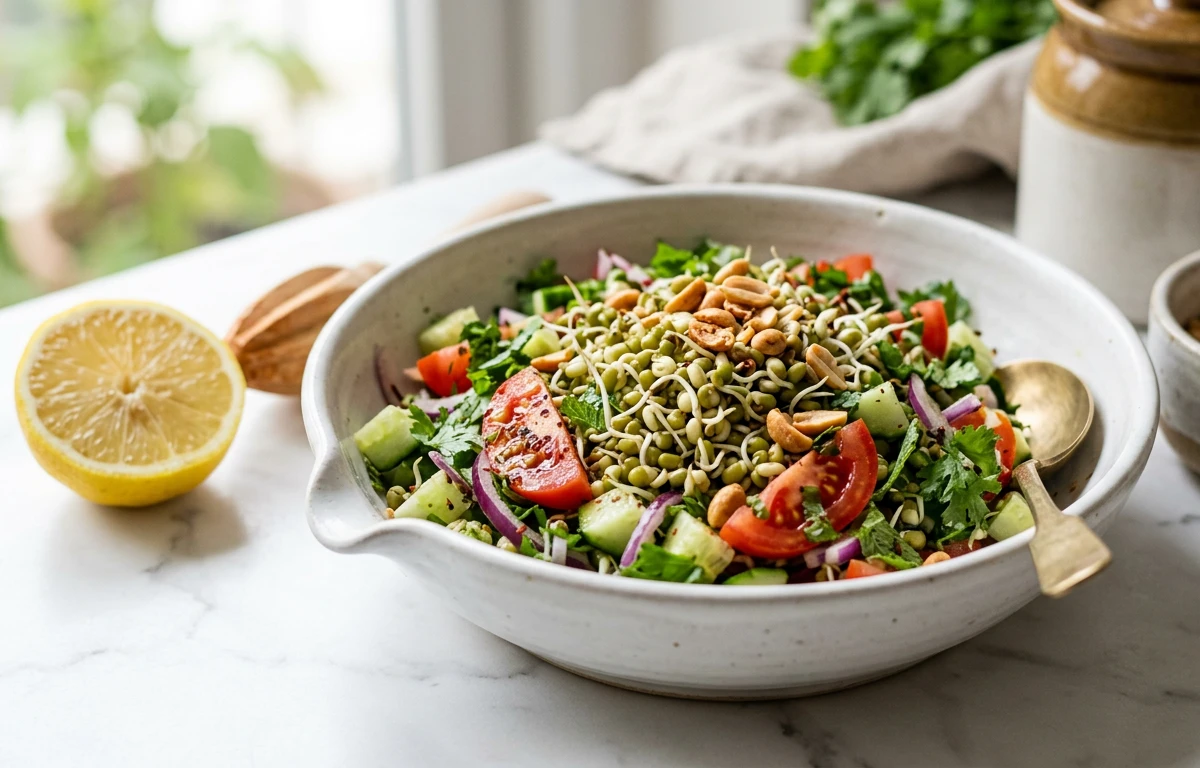
Three ways to eat them
Here are three simple ways to get moth beans into your rotation, from a classic curry to a fresh, crunchy salad.
.webp)
Want more high-protein, high-fiber meals worked into your week?
Our meal planner can help you build a balanced week of eating, incorporating ingredients like moth beans for steady energy and fullness. Get macros, grocery lists, and simple recipes all in one place.
Build my weekly plan →This guide is general information, not medical advice. If you have a health condition or take medication, consult your doctor or a registered dietitian before making big changes to your diet.
SOURCES & REFERENCES · 3
One more thing
Eating well is rarely about willpower. It’s about having a short list of dinners you actually want to eat. Pick two from this list. Make them next week. The rest will follow.
If you want these on autopilot, our weekly meal planner can drop the picks above into your calendar with one click and build a single grocery list from the merged ingredients.
FREQUENTLY ASKED QUESTIONS
Frequently asked questions
Are moth beans good for people with diabetes?
Yes, they are an excellent choice. Their very high fiber and protein content means they have a low glycemic impact, helping to keep blood sugar levels stable.
Are moth beans a complete protein?
Like most legumes, moth beans are not a complete protein on their own, as they are a bit low in the amino acid methionine. However, simply pairing them with a grain like rice, quinoa, or bread easily provides all the essential amino acids your body needs.
Do you have to soak moth beans?
It's highly recommended. Soaking for at least 4-6 hours reduces cooking time significantly and helps break down compounds that can cause digestive discomfort, making them easier on your stomach.
What do moth beans taste like?
Moth beans have a mild, nutty, and slightly earthy flavor. They are not overpowering and readily absorb the flavors of the spices and aromatics they're cooked with, making them very versatile.

ABOUT THE AUTHOR
Shreya Chatterjee
NUTRITION WRITER
Shreya is a nutrition writer and the voice behind The Nutrition Pen, where she turns evidence-based nutrition into simple, repeatable eating habits. Her writing focuses on practical food guidance — what to actually put on the plate — for readers who want to eat well without the noise.
Meet the editorial team →METHODOLOGY
How this article was created
Built using verified nutrition databases, culinary research, and traditional cooking knowledge — every claim is cross-referenced against the sources listed in the article.
· USDA data· Culinary research· Quality reviewed
Read our methodology →TRANSPARENCY
About this content
Articles are curated using trusted food databases (USDA FoodData Central, IFCT), culinary literature, and dietary guidelines, then structured by our editorial team for clarity, accuracy, and usefulness.
· Verified data sources· Culinary research· Quality reviewed
Read our editorial policy →RELATED RECIPES
Cook from this article
EXPLORE OUR MEALS
Meals that fit this article

AMERICAN · 1677 CAL
Almonds with Sliced Apple + supplement + iron

MEDITERRANEAN · 809 CAL
Greek Yogurt with Berries Almonds and Granola + supplement + iron

GENERAL_HEALTHY · 705 CAL
Banana with Peanut Butter Pregnancy + supplement + iron

MODERN · 982 CAL
Hummus with Crudits and Pita with Fresh Orange Snack + supplement + iron
TAGGED
KEEP READING