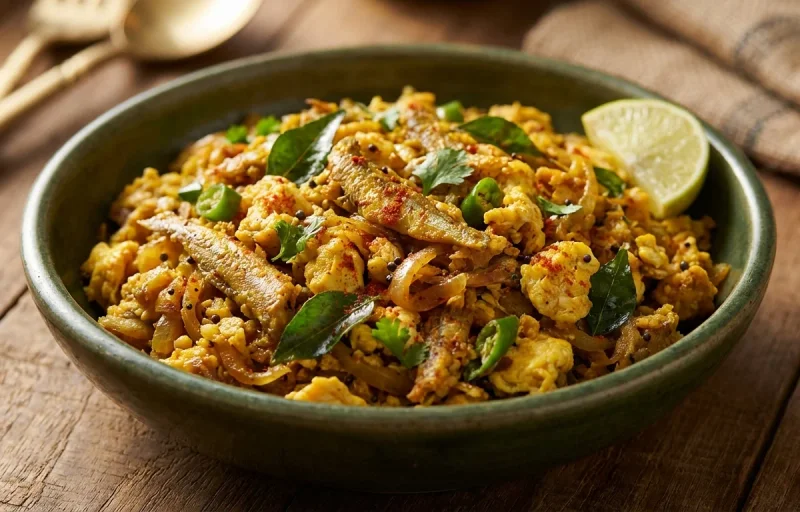
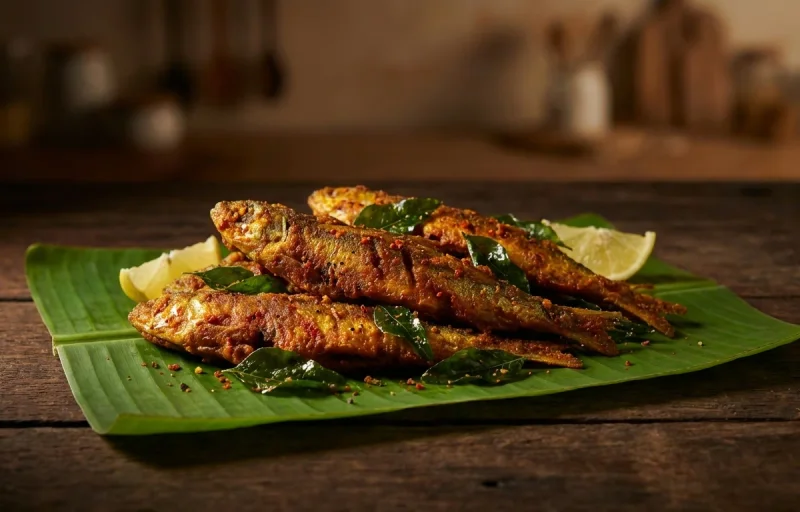
Other10 recipes
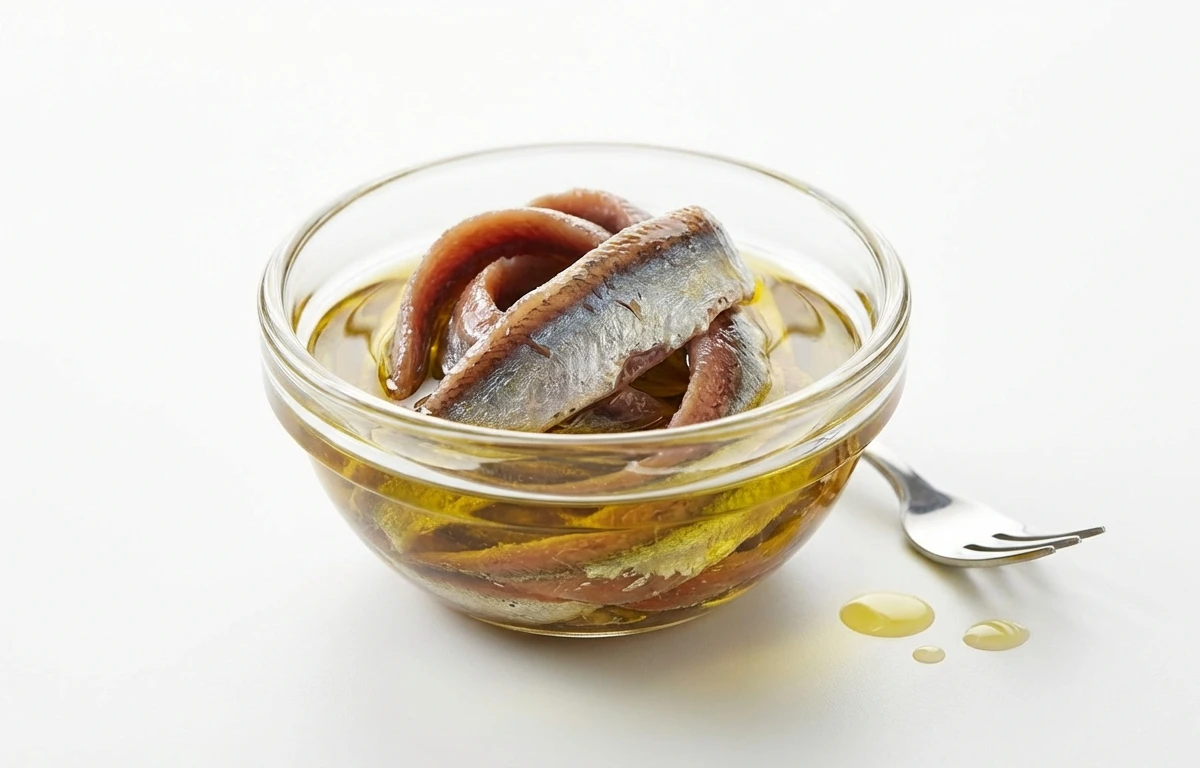
anchovies.
VegetarianVeganGluten-freeDairy-freeNut-freePeanut-freeSoy-freeEgg-freeShellfish-freeHoney-freeAlcohol-freeFermented
ALSO KNOWN AS
anchovy filletscanned anchoviescured anchoviesacciugheanchoisnethilisalted anchoviesanchovy filets
SERVING
CALORIES
210
PROTEIN
28.9g
CARBS
0g
FAT
9.7g
FIBER
0g
NUTRITION PROFILE · per 100 g
Everything in this ingredient.
MACRONUTRIENTS
Calories210kcal—
Protein28.9g58%
Carbohydrates0g0%
Fiber0g0%
Sugar0g0%
Total fat9.7g12%
Saturated fat2.2g11%
Trans fat0g—
Cholesterol85mg28%
Water50.4g—
MINERALS
Sodium3668mg159%
Potassium383mg8%
Calcium232mg18%
Iron4.6mg26%
Magnesium69mg16%
Phosphorus252mg20%
Zinc2.4mg22%
Copper0.30mg33%
Manganese0.10mg4%
Selenium68.1µg124%
VITAMINS
Vitamin A15µg2%
Vitamin C0mg0%
Vitamin D1.7µg9%
Vitamin E0.60mg4%
Vitamin K0.10µg0%
Thiamin (B1)0.05mg4%
Riboflavin (B2)0.26mg20%
Niacin (B3)14mg88%
Pantothenic acid (B5)0.60mg12%
Vitamin B60.14mg8%
Folate (B9)9.0µg2%
Vitamin B120.90µg38%
%DV based on a 2,000 cal diet. Source: USDA FoodData Central. A dash in the %DV column means there’s no established Daily Value for that nutrient.
MEASUREMENT CONVERSIONS
How much is what.
1 cup220g
1 tablespoon15g
1 teaspoon5g
1 oz28.4g
1 lb453.6g
1 ml1g
1 liter950g
1 piece5g
HEALTH BENEFITS
Why eat it.
- ✓Rich in Omega-3 fatty acids for heart and brain health
- ✓Excellent source of high-quality protein
- ✓High in calcium and phosphorus for bone strength
- ✓Contains selenium which supports thyroid function
- ✓Low in mercury compared to larger predatory fish
COOKING TIPS
In the kitchen.
- 1Rinse salt-packed anchovies thoroughly under cold water before using to control saltiness
- 2Melt fillets into warm olive oil over low heat to create a savory umami base for sauces
- 3Use sparingly as a natural flavor enhancer in dressings, stews, and marinades
STORAGE
Keep it fresh.
- Store unopened cans or jars in a cool, dry place for up to a year
- Once opened, transfer to a glass container and ensure fillets are fully submerged in oil
- Refrigerate after opening and consume within 2 to 3 months for best quality
FAQ
Frequently asked questions.
How long do opened anchovies last in the fridge?
If kept in a sealed glass container and completely covered in oil, they can last for 2 to 3 months.
Can I freeze anchovies?
Yes, you can freeze them for up to 6 months, though the texture may become slightly softer upon thawing.
What is a good vegan substitute for anchovies?
Capers, miso paste, or chopped Kalamata olives can provide a similar salty, umami profile.
Why are anchovies so salty?
Most anchovies are cured in salt for months to preserve them and develop their characteristic fermented flavor.
Do I need to debone canned anchovies?
No, the bones in canned anchovies are very small and softened by the curing process, making them safe and easy to eat.
Are anchovies high in mercury?
No, because they are small fish at the bottom of the food chain, they have very low mercury levels compared to tuna or swordfish.
What is the difference between oil-packed and salt-packed anchovies?
Oil-packed are ready to use and milder; salt-packed are whole fish that require cleaning and rinsing but offer a more intense flavor.
How do I use anchovies if I don't like fishy flavors?
Dissolve one or two fillets into a sauce or dressing; they melt away and provide a savory 'umami' depth without tasting 'fishy'.
RECIPES
Cook with anchovies.
10 recipes · sorted by what’s quick