Other10 recipes
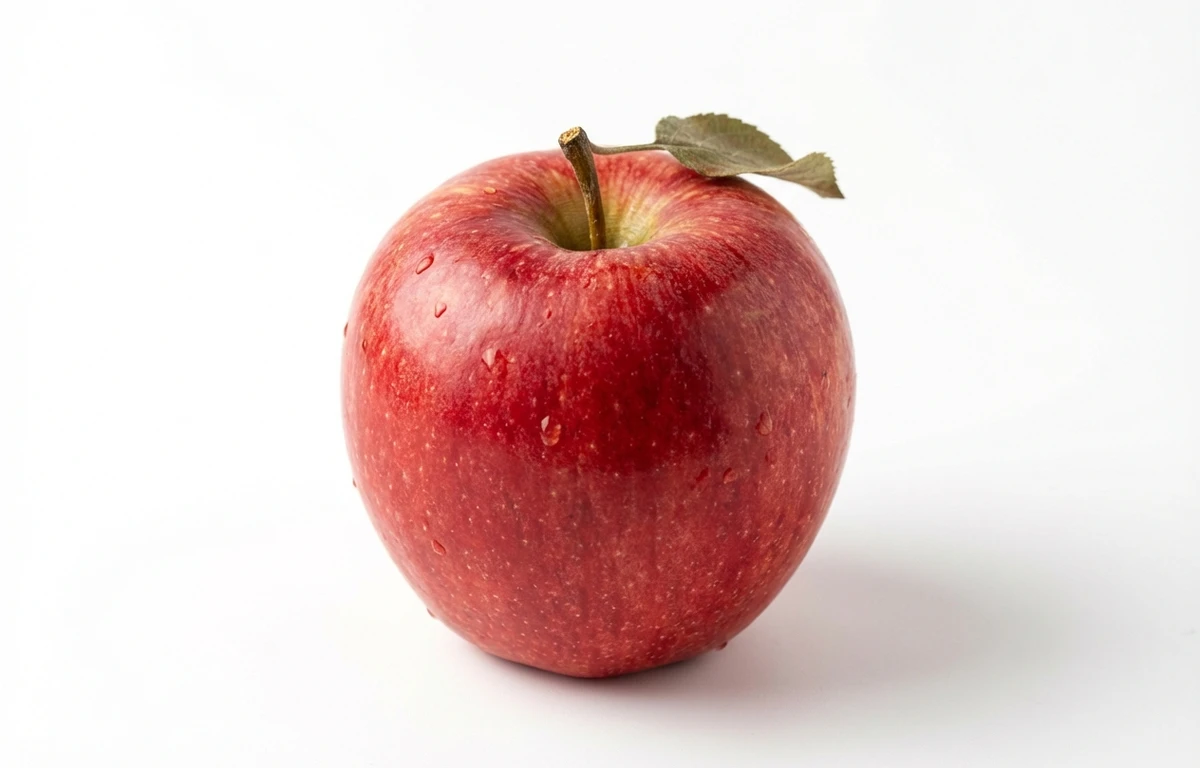
apple.
VegetarianVeganGluten-freeDairy-freeNut-freePeanut-freeSoy-freeEgg-freeShellfish-freeHoney-freeAlcohol-free
ALSO KNOWN AS
small appleappleCrisp Applesebsafarchandmanzanapommemalus domesticaeating appledessert applemelaapfelapples
SERVING
CALORIES
52
PROTEIN
0.30g
CARBS
13.8g
FAT
0.20g
FIBER
2.4g
NUTRITION PROFILE · per 100 g
Everything in this ingredient.
MACRONUTRIENTS
Calories52kcal—
Protein0.30g1%
Carbohydrates13.8g5%
Fiber2.4g9%
Sugar10.4g21%
Total fat0.20g0%
Saturated fat0.03g0%
Trans fat0g—
Cholesterol0mg0%
Water85.6g—
MINERALS
Sodium1.0mg0%
Potassium107mg2%
Calcium6.0mg0%
Iron0.10mg1%
Magnesium5.0mg1%
Phosphorus11mg1%
Zinc0.04mg0%
Copper0.03mg3%
Manganese0.04mg2%
Selenium0µg0%
VITAMINS
Vitamin A3.0µg0%
Vitamin C4.6mg5%
Vitamin D0µg0%
Vitamin E0.18mg1%
Vitamin K2.2µg2%
Thiamin (B1)0.02mg2%
Riboflavin (B2)0.03mg2%
Niacin (B3)0.09mg1%
Pantothenic acid (B5)0.06mg1%
Vitamin B60.04mg2%
Folate (B9)3.0µg1%
Vitamin B120µg0%
%DV based on a 2,000 cal diet. Source: USDA FoodData Central. A dash in the %DV column means there’s no established Daily Value for that nutrient.
MEASUREMENT CONVERSIONS
How much is what.
1 cup125g
1 tablespoon15g
1 teaspoon5g
1 oz28.4g
1 lb453.6g
1 ml1g
1 liter1000g
1 piece182g
HEALTH BENEFITS
Why eat it.
- ✓High in soluble fiber which helps lower cholesterol
- ✓Contains polyphenols that support heart health
- ✓Low glycemic index helps in blood sugar regulation
- ✓Promotes healthy gut bacteria through pectin content
- ✓Rich in antioxidants like quercetin to reduce inflammation
COOKING TIPS
In the kitchen.
- 1Toss sliced apples in lemon juice or salt water to prevent enzymatic browning
- 2Leave the skin on when possible to retain the majority of fiber and vitamins
- 3Use firm, tart varieties like Granny Smith or Honeycrisp for baking to maintain structure
STORAGE
Keep it fresh.
- Store in the refrigerator crisper drawer to keep them crisp for weeks
- Keep apples away from other vegetables as they release ethylene gas which causes spoilage
- If stored at room temperature, use within 5-7 days for best quality
FAQ
Frequently asked questions.
How long do apples last in the fridge?
Apples can last 6 to 8 weeks when stored in the refrigerator's crisper drawer.
Can you freeze fresh apples?
Yes, but they will lose their crisp texture. It is best to slice them and coat with lemon juice before freezing for use in smoothies or baking.
How can I tell if an apple is good quality?
Look for apples that are firm to the touch, have a bright color for their variety, and are free of soft spots or deep bruises.
What are the best substitutes for apples in a recipe?
Pears are the closest substitute in texture and flavor. For baking, unsweetened applesauce can often replace chopped apples.
Should I peel apples before eating?
It is better not to peel them; the skin contains about half of the fiber and the vast majority of the apple's antioxidants.
Why do apples turn brown after being cut?
This is due to enzymatic browning, a reaction between the apple's phenols and oxygen in the air.
Are apple seeds poisonous?
Apple seeds contain small amounts of amygdalin, which can release cyanide. However, you would need to chew and consume a very large quantity of seeds to be harmed.
Which apples are best for salads?
Sweet and crisp varieties like Fuji, Gala, or Honeycrisp are excellent for raw salads.
Are apples high in sugar?
Apples contain natural sugars (fructose), but their high fiber content results in a low glycemic index, making them a healthy choice.
When is apple season?
While available year-round due to cold storage, peak harvest season is typically from late summer through late autumn.
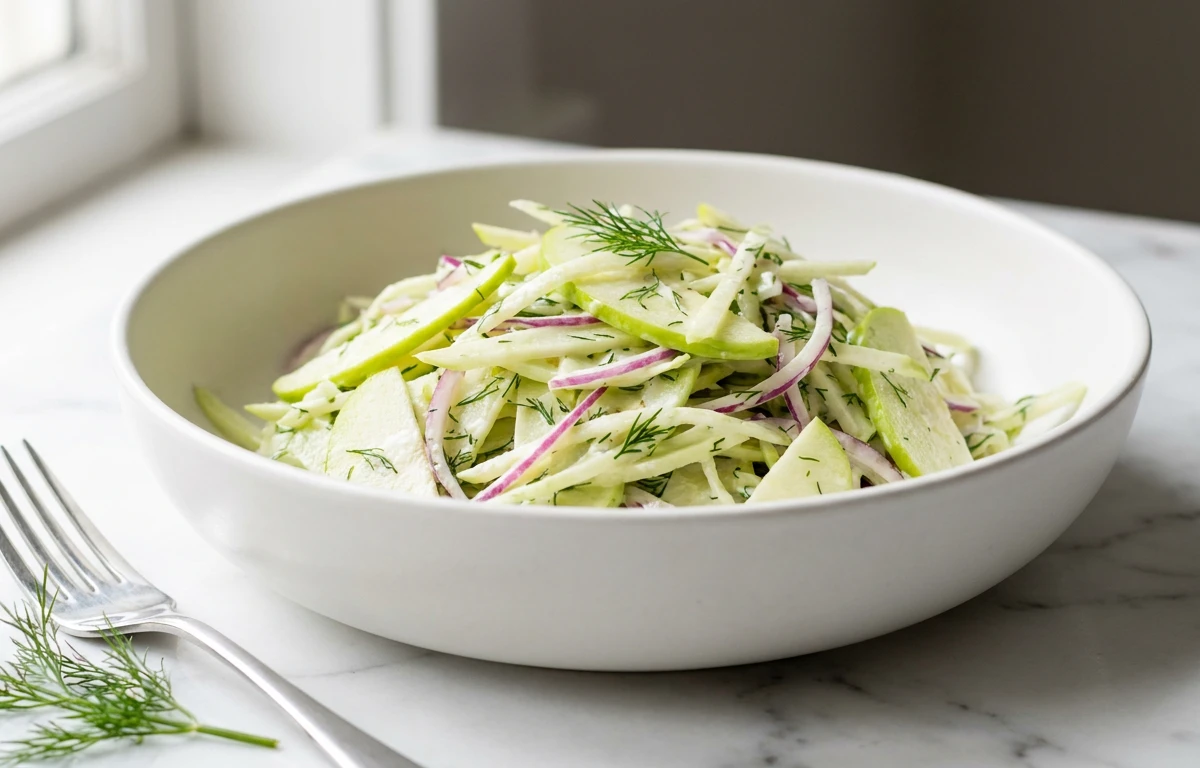
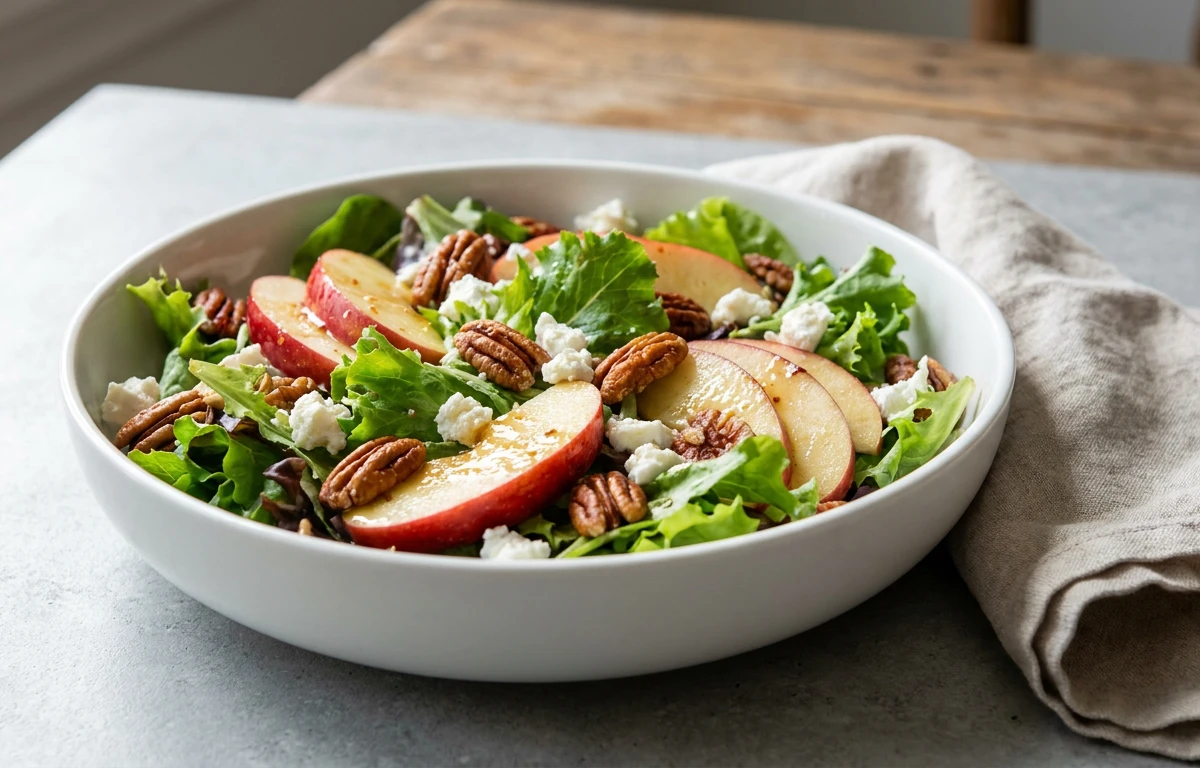
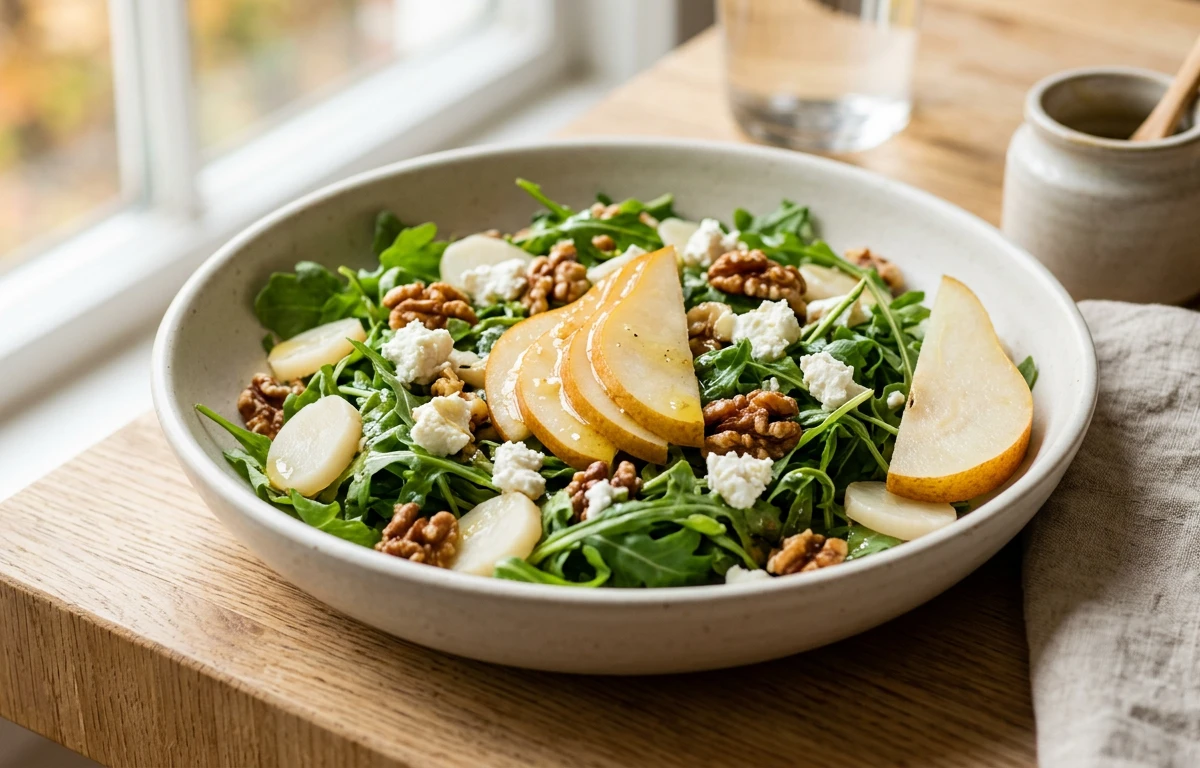
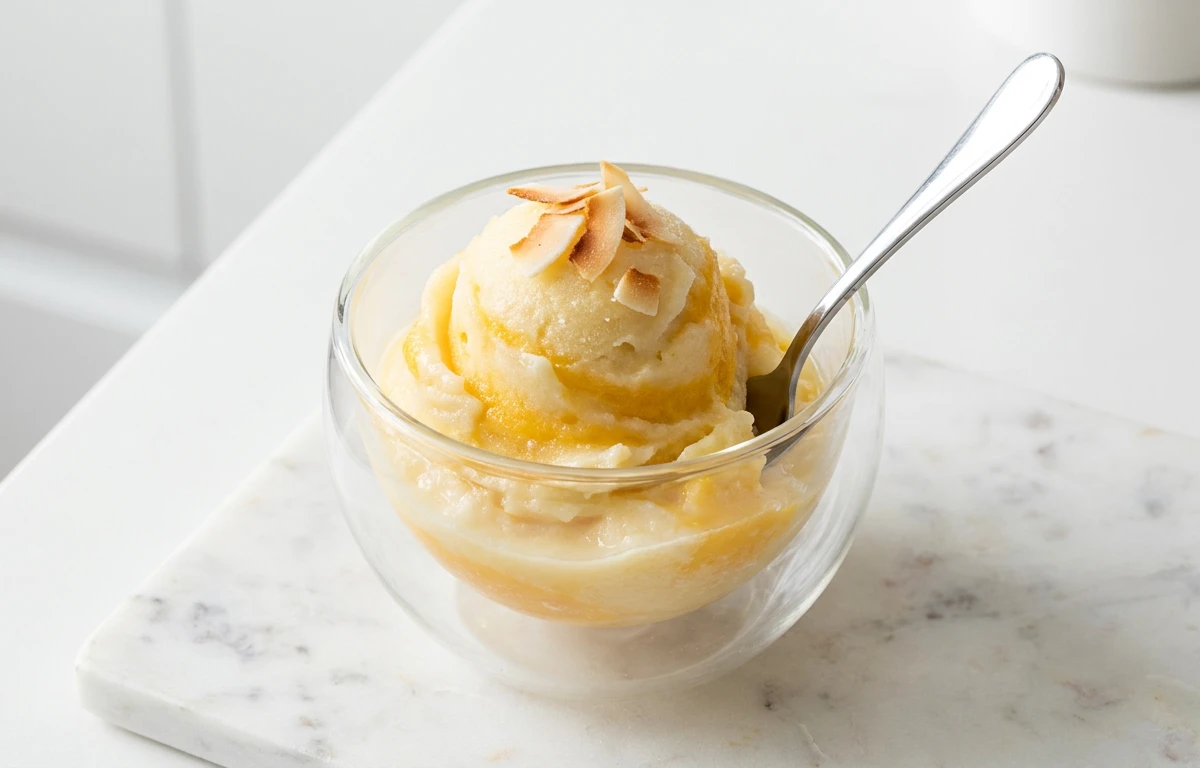
RECIPES
Cook with apple.
10 recipes · sorted by what’s quick