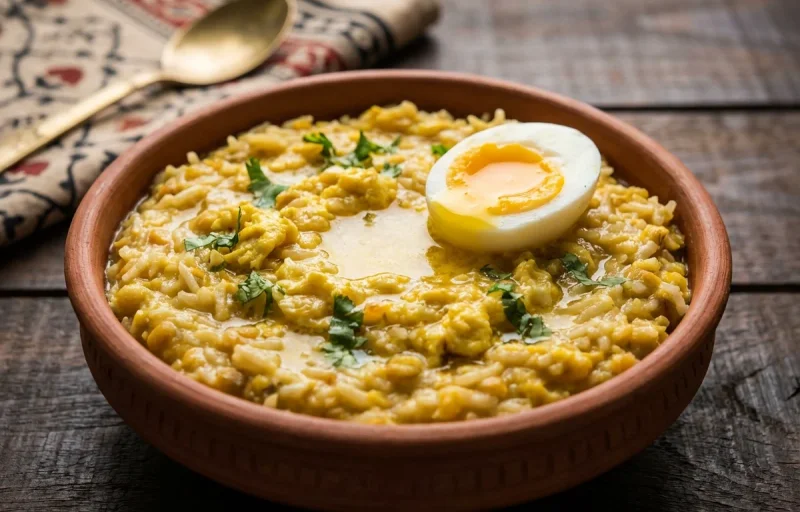
Spice10 recipes
asafoetida.
VegetarianVeganGluten-freeDairy-freeNut-freePeanut-freeSoy-freeEgg-freeShellfish-freeHoney-freeAlcohol-free
ALSO KNOWN AS
kayamhingheengdevil's dungstinking gumperungayaminguhingu
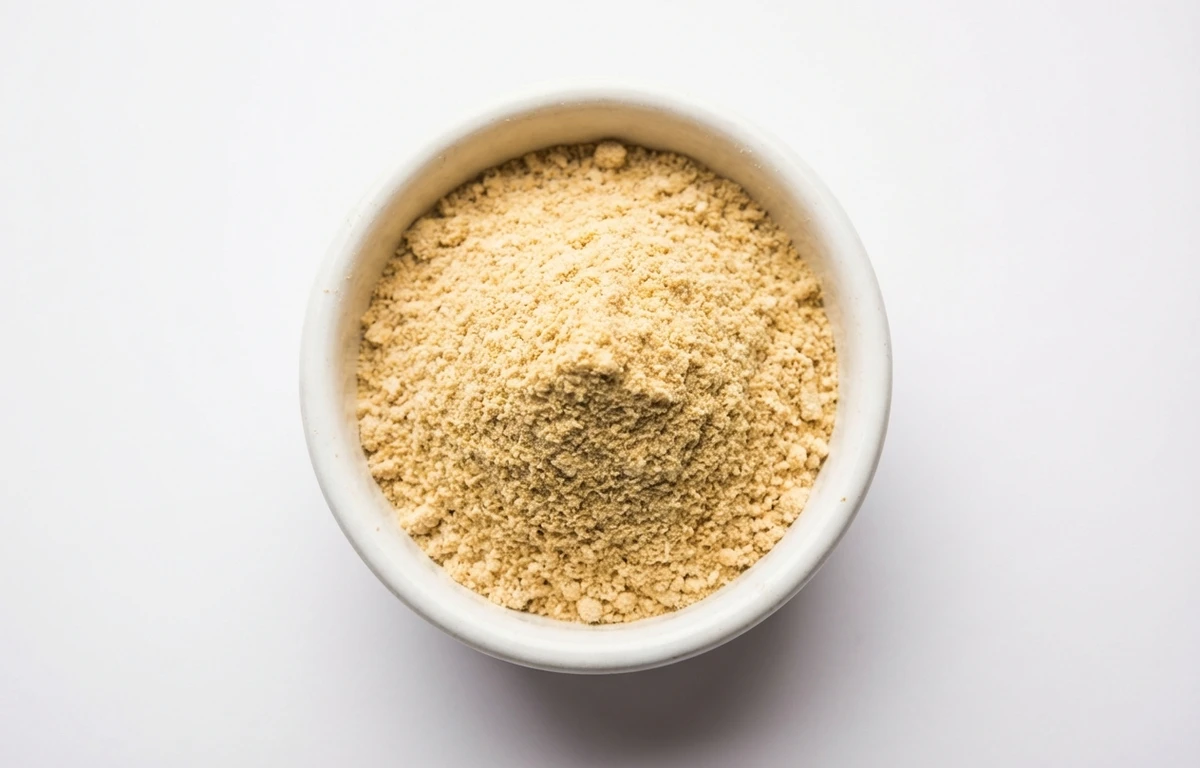
SERVING
CALORIES
297
PROTEIN
4.0g
CARBS
67g
FAT
1.1g
FIBER
4.1g
NUTRITION PROFILE · per 100 g
Everything in this ingredient.
MACRONUTRIENTS
Calories297kcal—
Protein4.0g8%
Carbohydrates67g24%
Fiber4.1g15%
Sugar0g0%
Total fat1.1g1%
Saturated fat0.20g1%
Trans fat0g—
Cholesterol0mg0%
Water16g—
MINERALS
Sodium50mg2%
Potassium50mg1%
Calcium690mg53%
Iron39mg217%
Magnesium80mg19%
Phosphorus50mg4%
Zinc0.50mg5%
Copper0.10mg11%
Manganese0.50mg22%
Selenium0.50µg1%
VITAMINS
Vitamin A0µg0%
Vitamin C0mg0%
Vitamin D0µg0%
Vitamin E0mg0%
Vitamin K0µg0%
Thiamin (B1)0.01mg1%
Riboflavin (B2)0.04mg3%
Niacin (B3)0.30mg2%
Pantothenic acid (B5)0mg0%
Vitamin B60mg0%
Biotin (B7)2.3µg8%
Folate (B9)0µg0%
Vitamin B120µg0%
%DV based on a 2,000 cal diet. Source: USDA FoodData Central. A dash in the %DV column means there’s no established Daily Value for that nutrient.
MEASUREMENT CONVERSIONS
How much is what.
1 cup144g
1 tablespoon9g
1 teaspoon3g
1 oz28.4g
1 lb453.6g
1 ml0.6g
1 liter600g
HEALTH BENEFITS
Why eat it.
- ✓Aids digestion and reduces bloating
- ✓Possesses anti-inflammatory properties
- ✓May help lower blood pressure
- ✓Contains antimicrobial effects
- ✓Traditionally used to relieve menstrual pain
COOKING TIPS
In the kitchen.
- 1Always bloom in hot oil or ghee to mellow the pungent flavor
- 2Use in very small quantities (a pinch) as it is extremely potent
- 3Add at the beginning of the tempering process (tadka) for best results
STORAGE
Keep it fresh.
- Store in an airtight container to contain its extremely strong odor
- Keep in a cool, dry place away from direct sunlight
- Ensure the lid is tightly sealed to prevent moisture absorption
FAQ
Frequently asked questions.
How long does asafoetida last?
When stored in an airtight container in a cool, dry place, powdered asafoetida can last for 1 to 2 years, though its potency will gradually decrease.
Why does asafoetida smell so strong?
It contains sulfur compounds that give it a pungent, garlic-like odor when raw. This smell disappears and turns savory once cooked in oil.
Is asafoetida gluten-free?
Most commercial asafoetida powder is compounded with wheat flour (maida) to prevent clumping. If you are gluten-intolerant, look for brands that use rice flour or buy the pure resin.
What is a good substitute for asafoetida?
Garlic powder or onion powder can be used as a substitute, though the flavor profile is not identical. Use about 1/4 tsp of garlic powder for a pinch of hing.
How do I use asafoetida in cooking?
It is best used by adding a pinch to hot oil or ghee at the start of cooking (tempering). This 'blooming' process transforms its harsh smell into a savory, umami flavor.
Can I use asafoetida if I don't eat onion or garlic?
Yes, it is a popular substitute in Jain and Sattvic diets because it provides a similar savory depth without using root bulbs like onion or garlic.
How do I pick a good quality asafoetida?
Look for a strong, pungent aroma even through the packaging. High-quality hing is usually light brown or amber in color.
Can asafoetida be frozen?
It is not necessary to freeze it. Room temperature storage in a truly airtight container is sufficient and preferred to avoid moisture.
What are the common dishes that use asafoetida?
It is a staple in Indian cuisine, particularly in dals (lentils), vegetable curries, pickles, and snacks like papadums.
RECIPES
Cook with asafoetida.
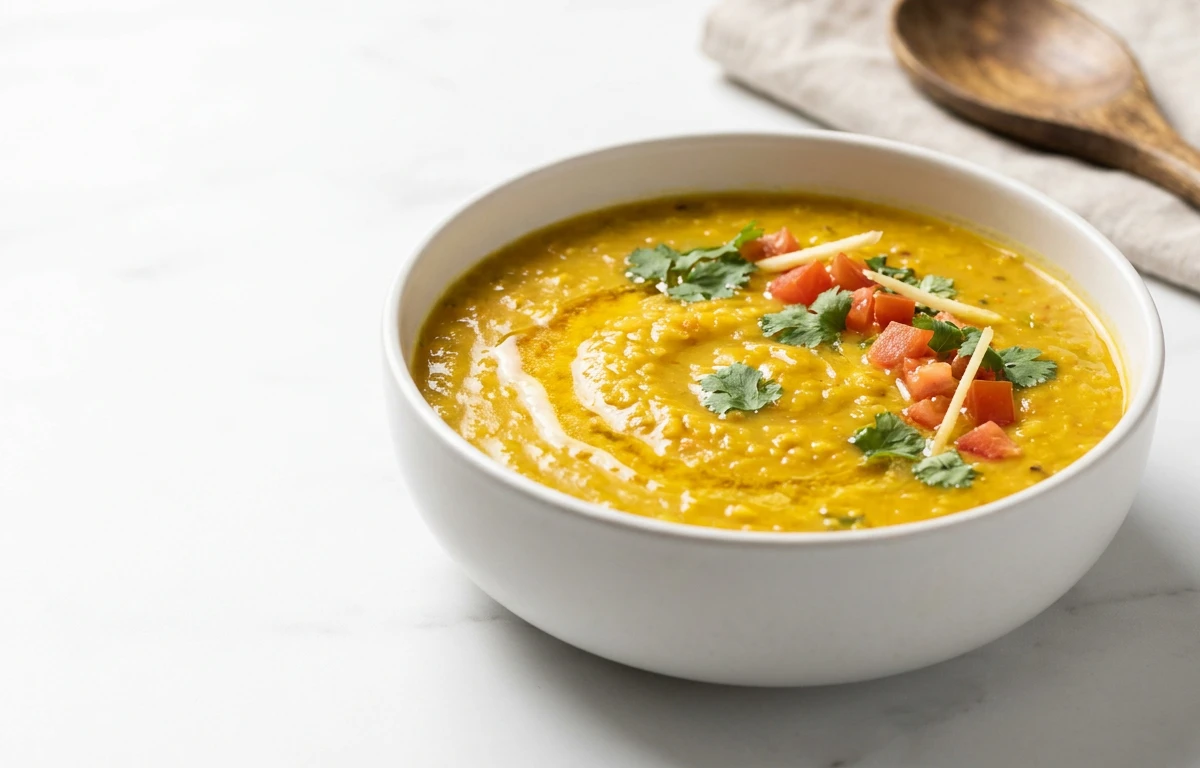
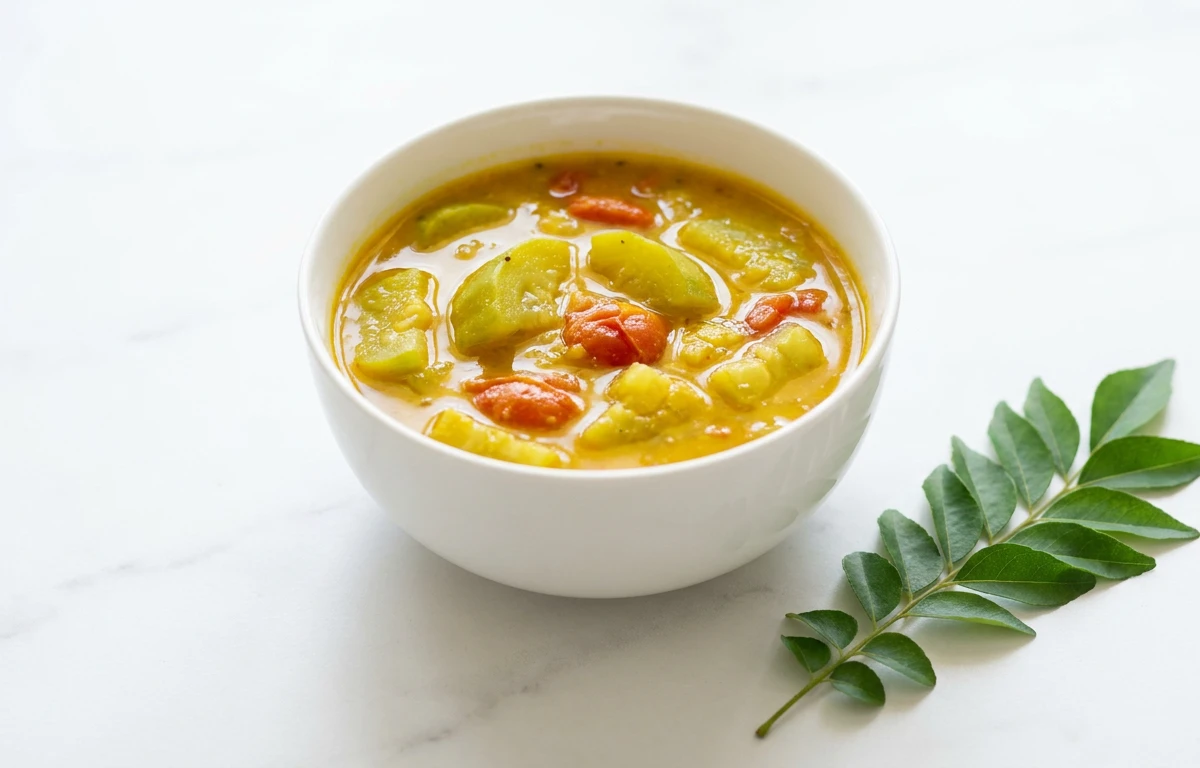
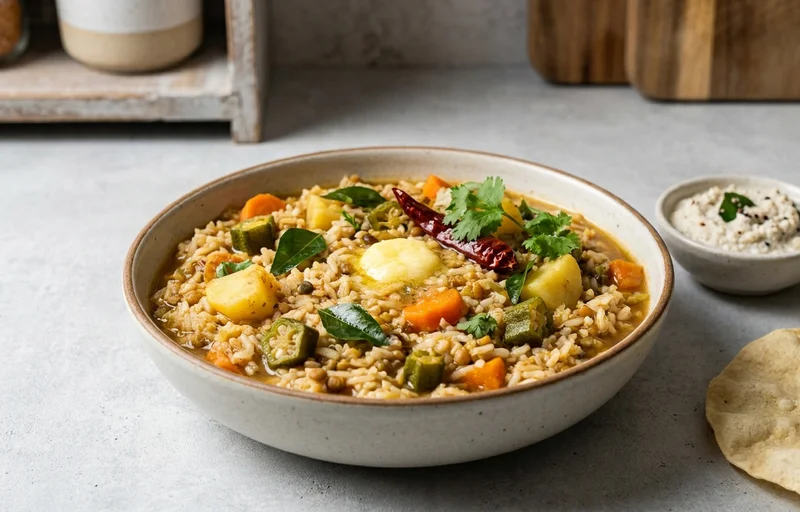
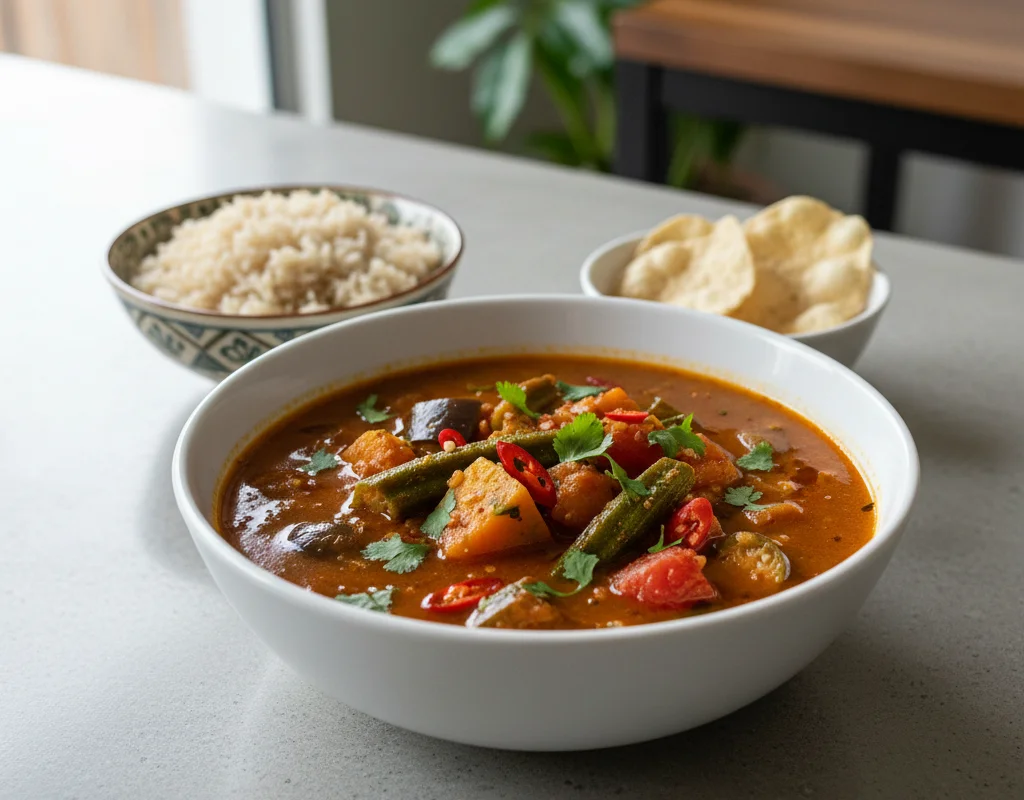
10 recipes · sorted by what’s quick