vegetable1 recipes
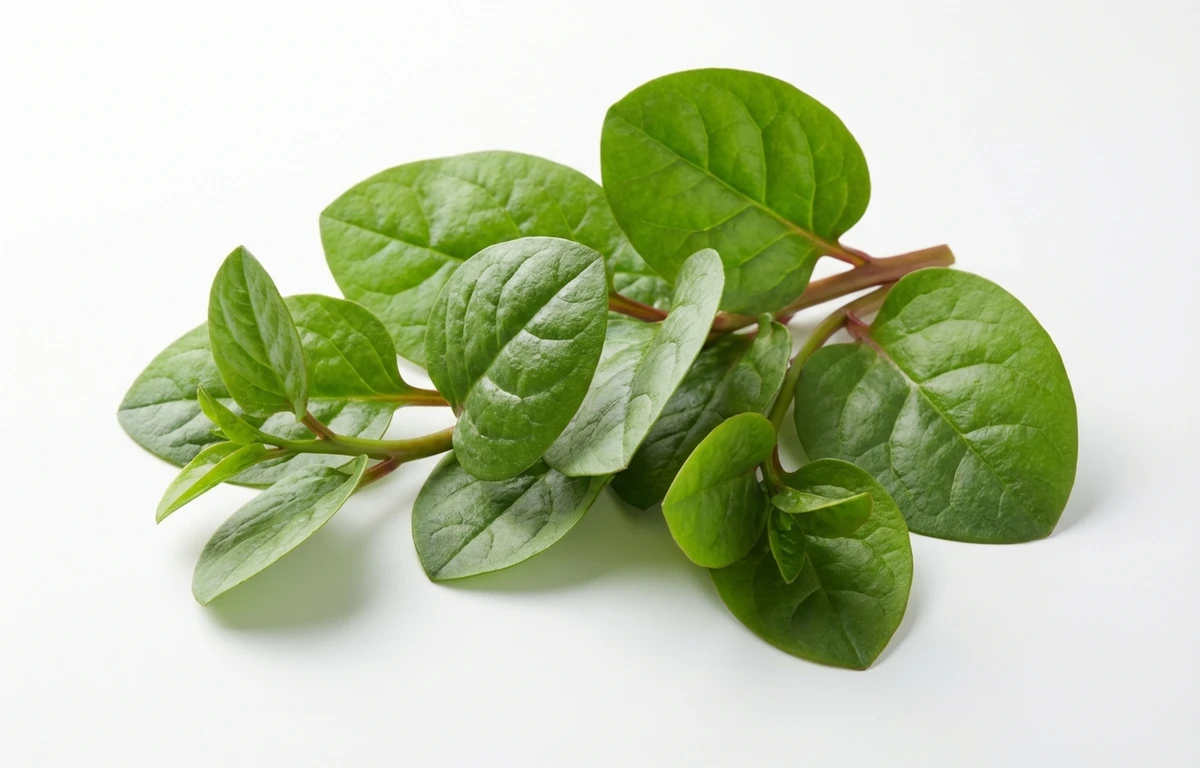
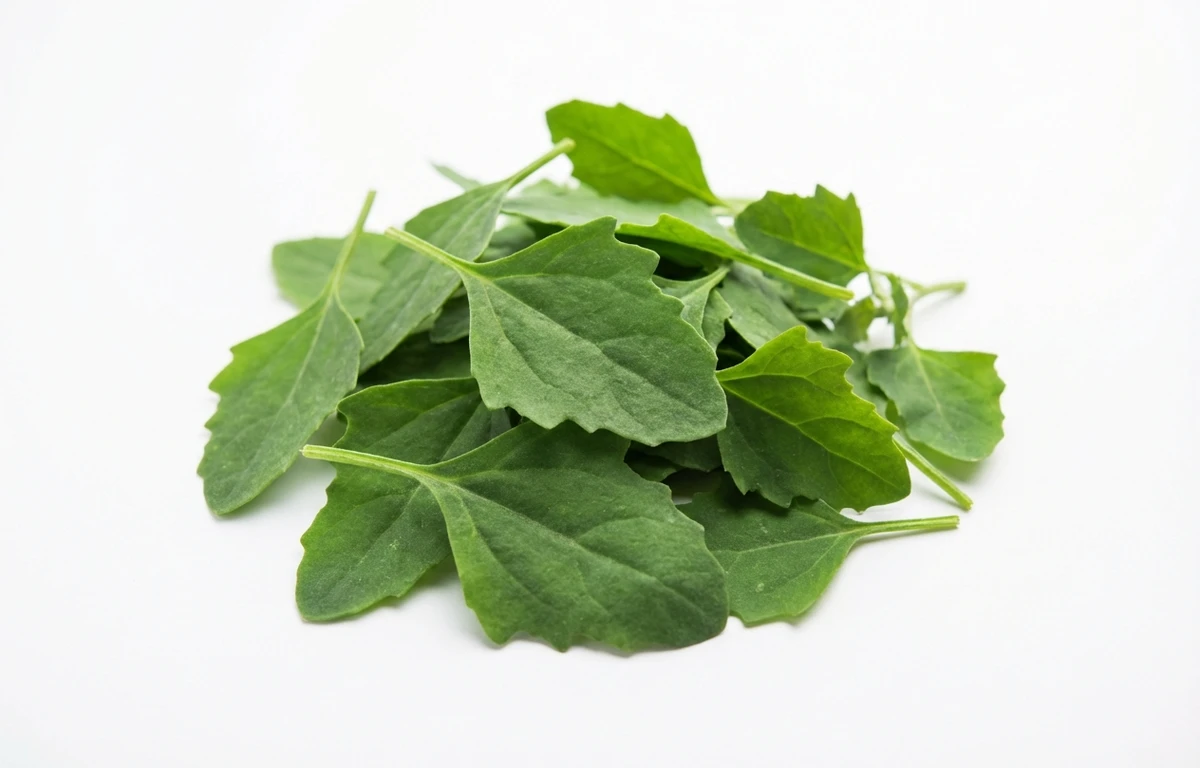
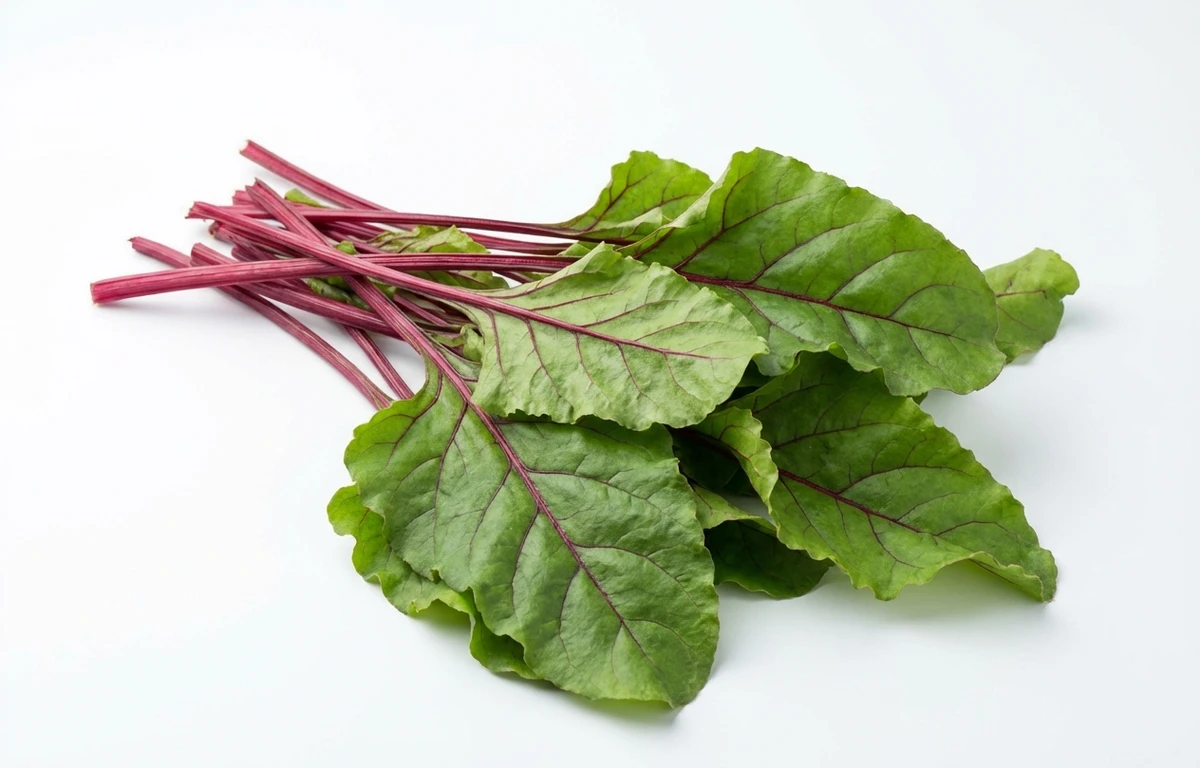
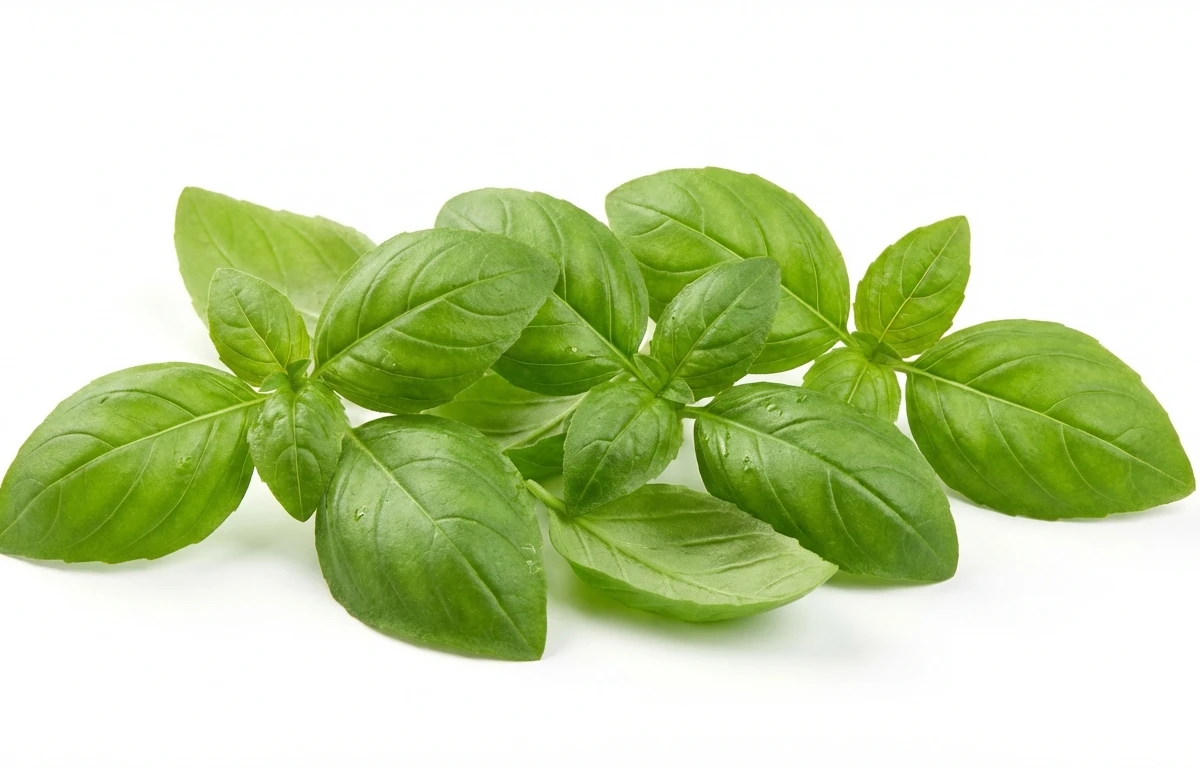
basale soppu.
VegetarianVeganGluten-freeDairy-freeNut-freePeanut-freeSoy-freeEgg-freeShellfish-freeHoney-freeAlcohol-freeHalalKosher
SERVING
CALORIES
19
PROTEIN
1.8g
CARBS
3.4g
FAT
0.30g
FIBER
2.1g
This ingredient is flagged as naturally gluten-free. Per 100 g, it provides 150 µg of vitamin K.
NUTRITION PROFILE · per 100 g
Everything in this ingredient.
MACRONUTRIENTS
Calories19kcal—
Protein1.8g4%
Carbohydrates3.4g1%
Fiber2.1g8%
Sugar1.1g2%
Total fat0.30g0%
Saturated fat0.10g1%
Trans fat0g—
Cholesterol0mg0%
Water93.1g—
MINERALS
Sodium24mg1%
Potassium510mg11%
Calcium109mg8%
Iron1.2mg7%
Magnesium65mg15%
Phosphorus52mg4%
Zinc0.43mg4%
Copper0.13mg14%
Manganese0.78mg34%
Selenium0.90µg2%
VITAMINS
Vitamin A400µg44%
Vitamin C102mg113%
Vitamin D0µg0%
Vitamin E0.50mg3%
Vitamin K150µg125%
Thiamin (B1)0.05mg4%
Riboflavin (B2)0.15mg12%
Niacin (B3)0.50mg3%
Vitamin B60.25mg15%
Folate (B9)140µg35%
Vitamin B120µg0%
%DV based on a 2,000 cal diet. Source: USDA FoodData Central. A dash in the %DV column means there’s no established Daily Value for that nutrient.
MEASUREMENT CONVERSIONS
How much is what.
1 cup50g
1 tablespoon3g
1 teaspoon1g
HEALTH BENEFITS
Why eat it.
- ✓A good source of iron and calcium, essential for healthy blood and strong bones.
- ✓High in dietary fiber, aiding digestion and promoting gut health.
COOKING TIPS
In the kitchen.
- 1The leaves have a mucilaginous texture when cooked, which can be used to naturally thicken soups, stews, and curries.
- 2Cook quickly via stir-frying or steaming to retain nutrients and a slight crunch. Overcooking can increase sliminess.
- 3Both the leaves and tender stems are edible. Chop the stems and add them to the dish a few minutes before the leaves as they take longer to cook.
- 4Pairs well with lentils (dal), coconut, tamarind, and spices in traditional South Indian dishes like sambar and kootu.
STORAGE
Keep it fresh.
- Wrap unwashed leaves in a damp paper towel, place in a plastic bag, and store in the refrigerator's crisper drawer for up to 5 days.
- For longer storage, blanch the leaves for 2 minutes, cool in an ice bath, drain well, and freeze in airtight containers or bags.
FAQ
Frequently asked questions.
Is basale soppu keto-friendly?
Yes, it is very keto-friendly as it contains only 3.4g of carbohydrates per 100g. It is a great way to add volume and essential micronutrients to low-carb meals without significantly impacting daily carb limits.
Is basale soppu vegan and gluten-free?
Yes, basale soppu is a plant-based leafy vegetable, making it naturally vegan and gluten-free. It is a safe and nutritious addition to both diets and is often used as a base for plant-based curries.
How do you cook basale soppu?
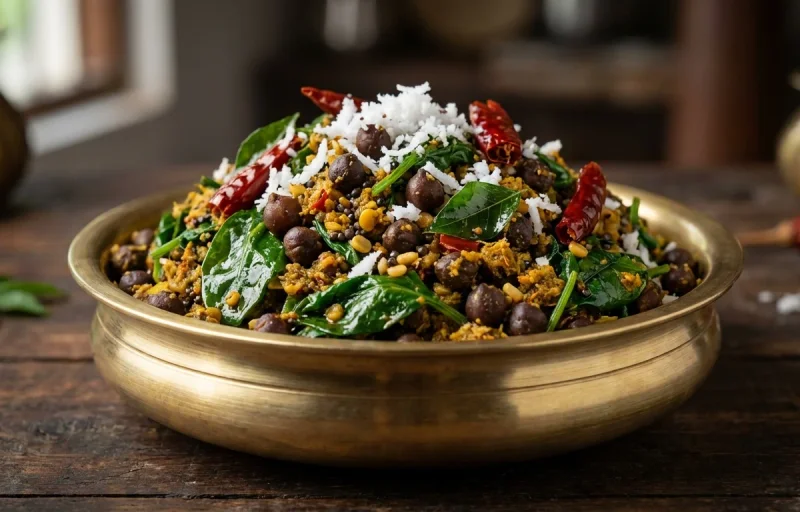
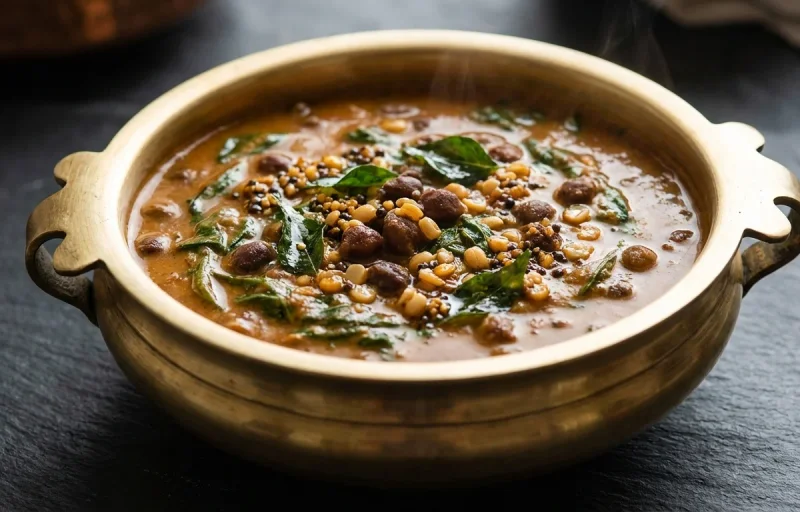
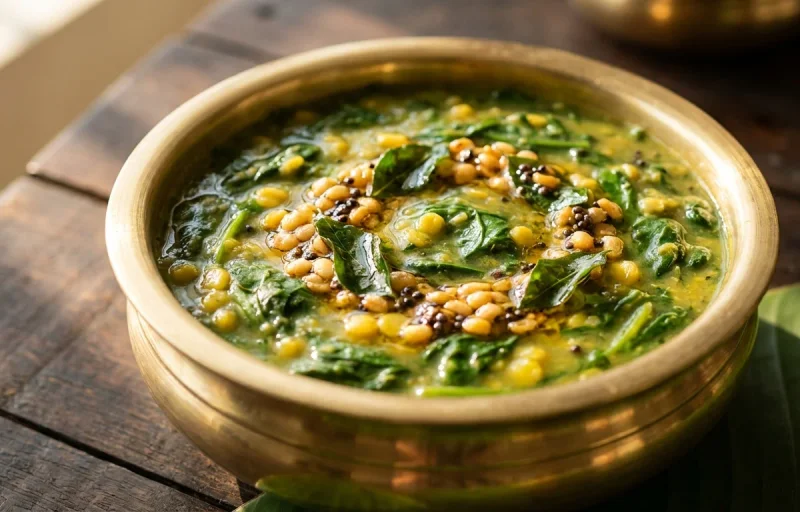
It is commonly used in dals, curries (like Basale Gassi), and stir-fries. Both the thick leaves and tender stems are chopped and cooked until tender, often paired with lentils, coconut, or garlic for flavor.
What does basale soppu taste like?
It has a mild, slightly peppery flavor similar to regular spinach but with a distinct mucilaginous (slimy) texture when cooked. The leaves are thicker and more succulent than common spinach, holding their shape better in stews.
Why is basale soppu slimy when cooked?
Like okra, basale soppu contains mucilage, which creates a slippery texture when heated. This property acts as a natural thickener for soups and stews, though stir-frying quickly on high heat can help minimize the sliminess.
Can I eat basale soppu raw?
Yes, the young, tender leaves can be eaten raw in salads or sandwiches. However, because of its thick texture and mild mucilage, most people prefer it cooked in savory dishes like soups or stir-fries.
RECIPES
Cook with basale soppu.
1 recipes · sorted by what’s quick