Nuts Seeds10 recipes
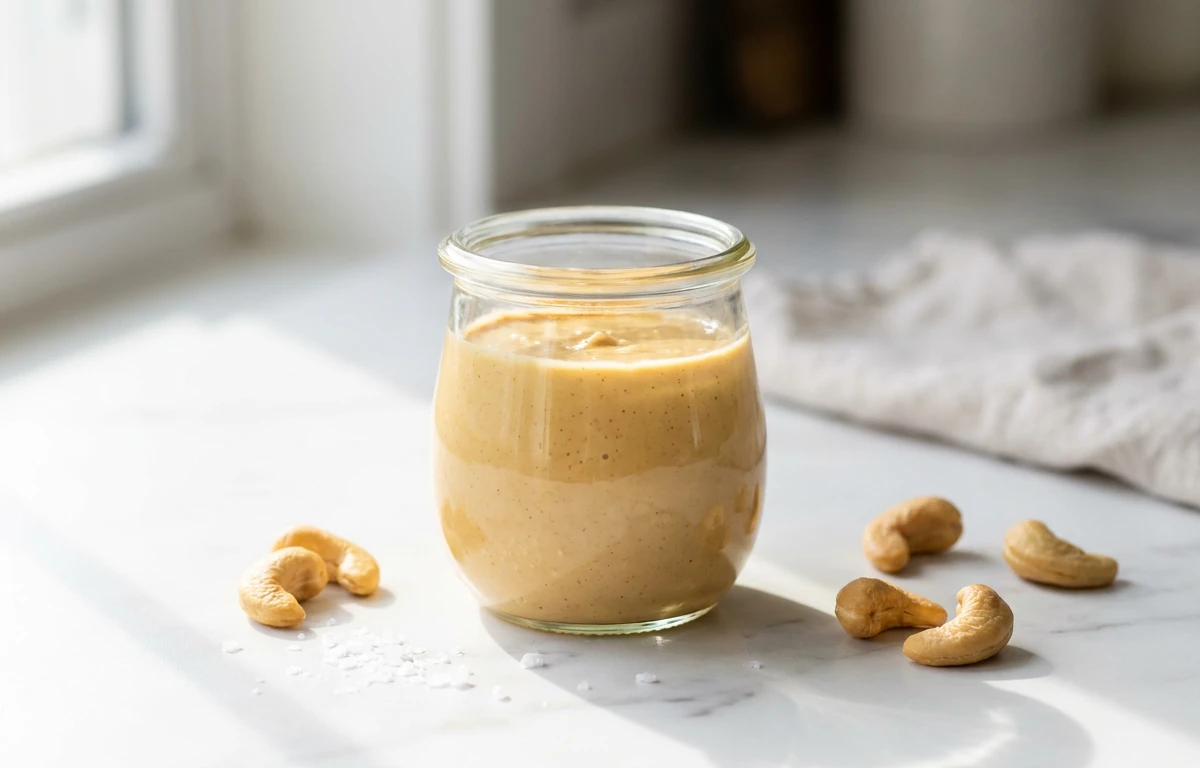
cashews.
VegetarianVeganGluten-freeDairy-freeNut-freePeanut-freeSoy-freeEgg-freeShellfish-freeHoney-freeAlcohol-free
ALSO KNOWN AS
unprocessed cashewsraw cashewswhole cashew nutsmundiri paruppuWhole Cashewscashewsmundiricashew nutskajuanacardium occidentalejeedi pappugodambi
SERVING
CALORIES
553
PROTEIN
18.2g
CARBS
30.2g
FAT
43.8g
FIBER
3.3g
NUTRITION PROFILE · per 100 g
Everything in this ingredient.
MACRONUTRIENTS
Calories553kcal—
Protein18.2g36%
Carbohydrates30.2g11%
Fiber3.3g12%
Sugar5.9g12%
Total fat43.8g56%
Saturated fat7.8g39%
Trans fat0g—
Cholesterol0mg0%
Water5.2g—
MINERALS
Sodium12mg1%
Potassium660mg14%
Calcium37mg3%
Iron6.7mg37%
Magnesium292mg70%
Phosphorus593mg47%
Zinc5.8mg53%
Copper2.2mg244%
Manganese1.6mg70%
Selenium19.9µg36%
VITAMINS
Vitamin A0µg0%
Vitamin C0.50mg1%
Vitamin D0µg0%
Vitamin E0.90mg6%
Vitamin K34.1µg28%
Thiamin (B1)0.42mg35%
Riboflavin (B2)0.06mg5%
Niacin (B3)1.1mg7%
Pantothenic acid (B5)0.86mg17%
Vitamin B60.42mg25%
Folate (B9)25µg6%
Vitamin B120µg0%
%DV based on a 2,000 cal diet. Source: USDA FoodData Central. A dash in the %DV column means there’s no established Daily Value for that nutrient.
MEASUREMENT CONVERSIONS
How much is what.
1 cup150g
1 tablespoon9g
1 teaspoon3g
1 oz28.4g
1 lb453.6g
1 ml0.6g
1 liter600g
1 piece1.2g
HEALTH BENEFITS
Why eat it.
- ✓Rich in heart-healthy monounsaturated fats
- ✓Excellent source of magnesium for bone health
- ✓Contains lutein and zeaxanthin for eye protection
- ✓High copper content supports iron metabolism
- ✓Low glycemic index helps in blood sugar management
COOKING TIPS
In the kitchen.
- 1Toast lightly in a dry pan to enhance nuttiness and crunch
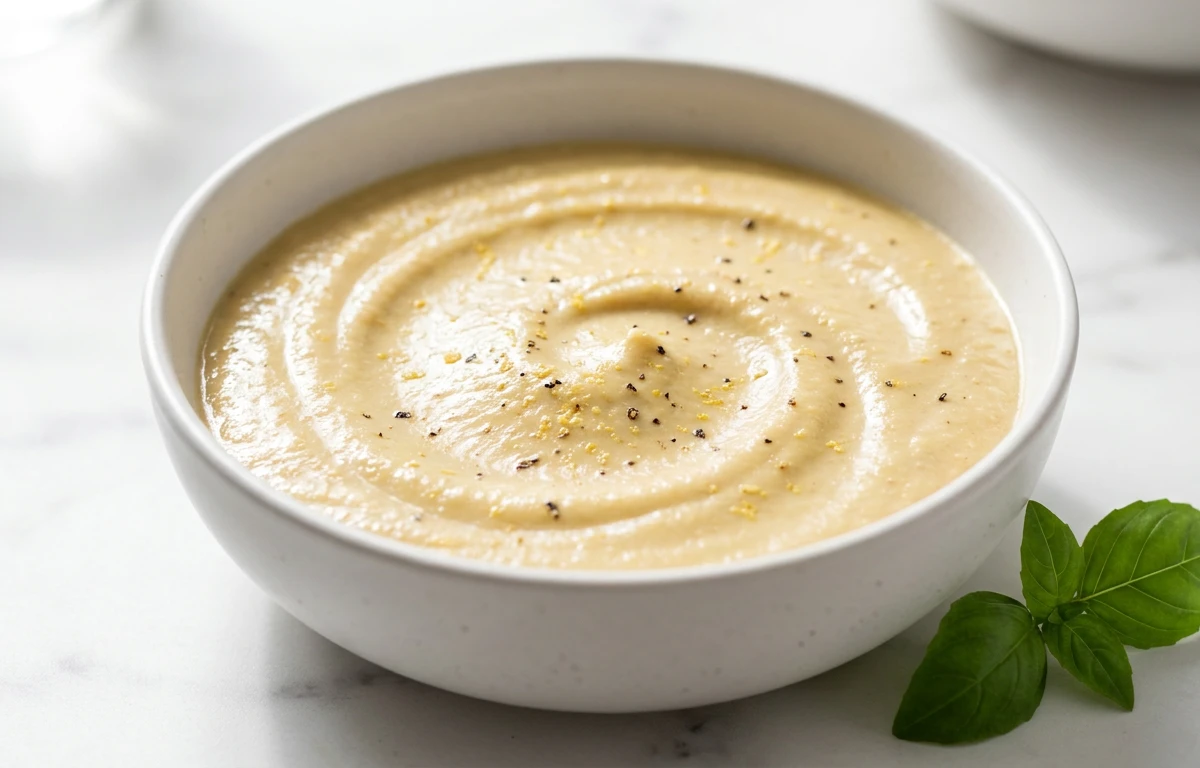
- 2Soak in water for 4-6 hours to create a creamy base for vegan sauces
- 3Add to stir-fries at the very end to maintain texture
STORAGE
Keep it fresh.
- Store in an airtight container in a cool, dry place for up to 6 months
- Refrigerate to extend shelf life up to 1 year
- Keep away from strong-smelling foods as they absorb odors easily
FAQ
Frequently asked questions.
How long do cashews last?
At room temperature in an airtight container, they last about 6 months. In the fridge, they stay fresh for up to a year, and in the freezer for up to 2 years.
Can I freeze cashews?
Yes, freezing is an excellent way to prevent the oils in cashews from going rancid. Use a freezer-safe bag and remove as much air as possible.
How do I pick the best quality cashews?
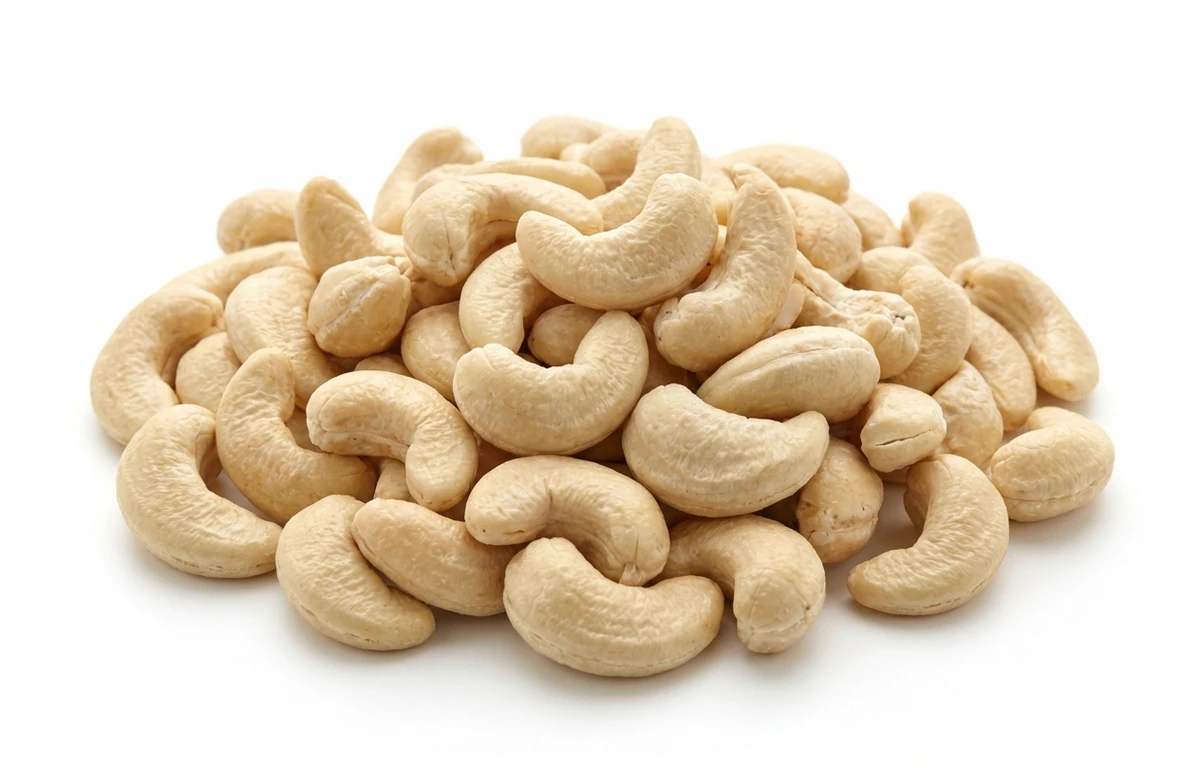
Look for cashews that are ivory-white, plump, and uniform in size. Avoid those that look shriveled, have dark spots, or smell slightly sour or oily.
What is a good substitute for cashews?
For crunch, use almonds or macadamia nuts. For creamy sauces, sunflower seeds or soaked blanched almonds are the best alternatives.
Why should I soak cashews before using them in recipes?
Soaking softens the nuts, making them easier to blend into a completely smooth, dairy-free cream or milk. It also helps neutralize phytic acid.
Are cashews high in calories?
Yes, like most nuts, cashews are calorie-dense (about 553 kcal per 100g) due to their healthy fat content, so portion control is recommended.
Are raw cashews actually raw?
Technically, 'raw' cashews sold in stores have been steamed or roasted once to remove the toxic resin (urushiol) from their shells, making them safe to eat.
What are common dishes that use cashews?
Common uses include Kaju Katli (Indian sweet), cashew chicken stir-fry, vegan cheesecakes, and creamy korma gravies.
RECIPES
Cook with cashews.
10 recipes · sorted by what’s quick