Dairy
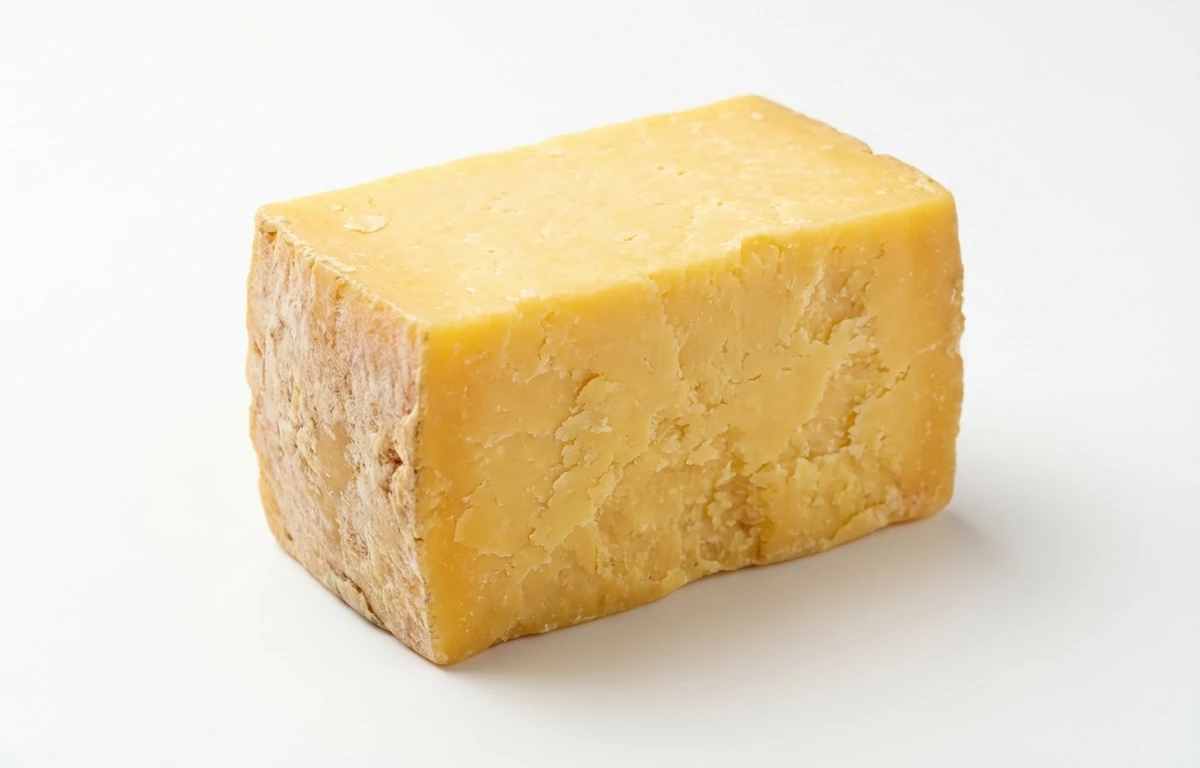
cheese.
VegetarianVeganGluten-freeDairy-freeNut-freePeanut-freeSoy-freeEgg-freeShellfish-freeHoney-freeAlcohol-freeFermented
SERVING
CALORIES
403
PROTEIN
24.9g
CARBS
1.3g
FAT
33.1g
FIBER
0g
NUTRITION PROFILE · per 100 g
Everything in this ingredient.
MACRONUTRIENTS
Calories403kcal—
Protein24.9g50%
Carbohydrates1.3g0%
Fiber0g0%
Sugar0.50g1%
Total fat33.1g42%
Saturated fat21.1g106%
Trans fat1.1g—
Cholesterol105mg35%
Water36.7g—
MINERALS
Sodium653mg28%
Potassium98mg2%
Calcium721mg55%
Iron0.70mg4%
Magnesium28mg7%
Phosphorus512mg41%
Zinc3.1mg28%
Copper0.03mg3%
Manganese0.01mg0%
Selenium14.5µg26%
VITAMINS
Vitamin A265µg29%
Vitamin C0mg0%
Vitamin D0.60µg3%
Vitamin E0.30mg2%
Vitamin K2.8µg2%
Thiamin (B1)0.03mg3%
Riboflavin (B2)0.38mg29%
Niacin (B3)0.10mg1%
Pantothenic acid (B5)0.40mg8%
Vitamin B60.08mg5%
Folate (B9)18µg5%
Vitamin B121.5µg63%
%DV based on a 2,000 cal diet. Source: USDA FoodData Central. A dash in the %DV column means there’s no established Daily Value for that nutrient.
MEASUREMENT CONVERSIONS
How much is what.
1 cup225g
1 tablespoon7g
1 oz28.4g
1 lb453.6g
1 piece28g
HEALTH BENEFITS
Why eat it.
- ✓Excellent source of calcium for bone health
- ✓High-quality protein for muscle maintenance
- ✓Contains Vitamin B12 for nerve function
- ✓Rich in phosphorus and zinc
- ✓May help prevent dental cavities by neutralizing plaque acid
COOKING TIPS
In the kitchen.
- 1Bring cheese to room temperature before serving for the best flavor and texture
- 2Grate your own cheese from a block for better melting compared to pre-shredded versions
- 3Use low heat when melting cheese to prevent it from becoming tough or oily
STORAGE
Keep it fresh.
- Store in the refrigerator at 40°F (4°C) or below
- Wrap in parchment or wax paper rather than plastic wrap to allow it to breathe
- Keep hard cheeses in the vegetable crisper drawer where humidity is consistent
FAQ
Frequently asked questions.
How long does cheese last in the refrigerator?
Hard cheeses like Cheddar or Parmesan can last 4-6 weeks after opening, while soft cheeses like Brie or Mozzarella should be consumed within 1-2 weeks.
Can you freeze cheese?
Yes, but it may become crumbly. It is best to freeze cheese that will be used for cooking or melting rather than fresh eating.
What is a good substitute for cheese in recipes?
For a dairy-free alternative, use nutritional yeast, cashew-based cheese, or tofu. For a different dairy flavor, try Greek yogurt or ricotta.
Is cheese high in lactose?
Hard, aged cheeses like Swiss, Parmesan, and Cheddar are very low in lactose because most of it is removed during the cheesemaking process.
How can I tell if cheese has gone bad?
Look for unusual mold (on soft cheese), a sour or ammonia-like smell, or a slimy texture. On hard cheese, you can often cut off surface mold.
Why does some cheese not melt well?
Aged cheeses and those with low moisture or high acid content (like Halloumi or Feta) resist melting. Pre-shredded cheese also contains anti-caking agents that hinder melting.
What is the best way to serve a cheese platter?
Offer a variety of textures (hard, soft, blue) and milk types (cow, goat, sheep), and serve with crackers, fruits, and nuts.
Is cheese healthy?
In moderation, cheese is a nutrient-dense food providing calcium and protein, though it is high in saturated fat and sodium.
RECIPES
Cook with cheese.
0 recipes · sorted by what’s quick