Protein10 recipes
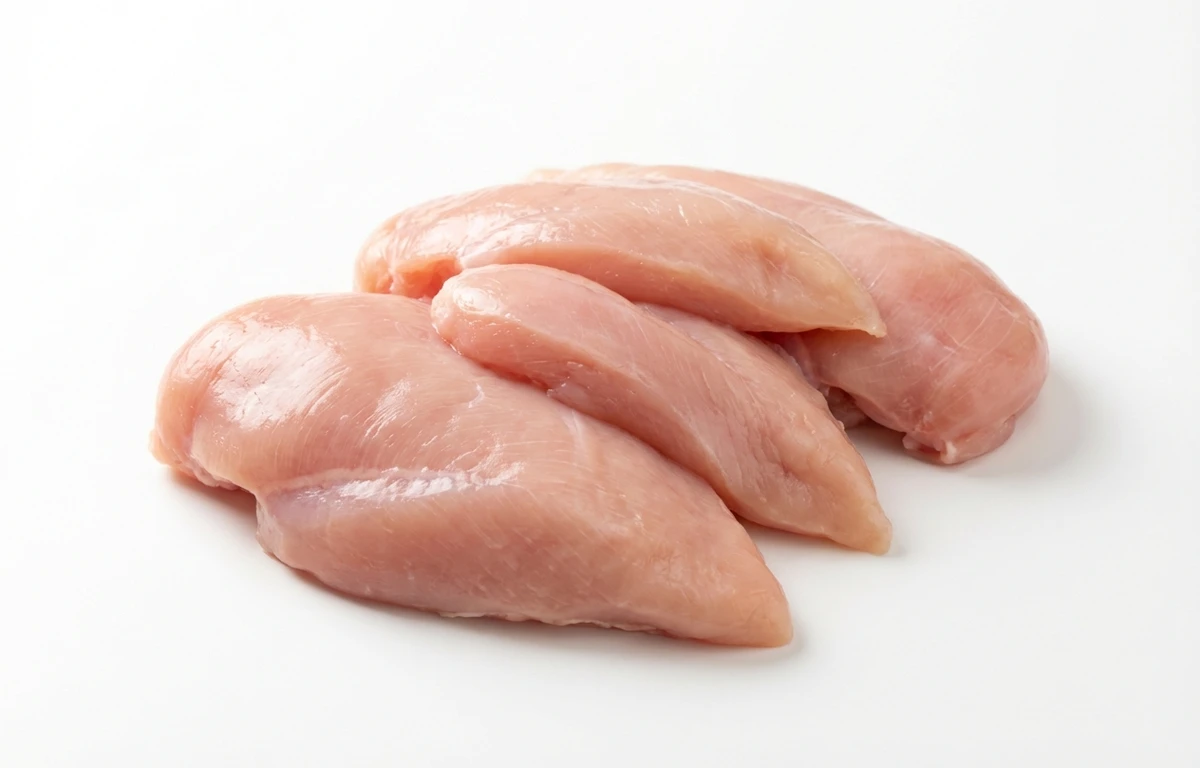
chicken.
VegetarianVeganGluten-freeDairy-freeNut-freePeanut-freeSoy-freeEgg-freeShellfish-freeHoney-freeAlcohol-free
ALSO KNOWN AS
uncooked chickenraw poultrykacha chickenraw murgaraw henraw chickenmurgh
SERVING
CALORIES
143
PROTEIN
18.6g
CARBS
0g
FAT
7.6g
FIBER
0g
NUTRITION PROFILE · per 100 g
Everything in this ingredient.
MACRONUTRIENTS
Calories143kcal—
Protein18.6g37%
Carbohydrates0g0%
Fiber0g0%
Sugar0g0%
Total fat7.6g10%
Saturated fat2.1g11%
Trans fat0g—
Cholesterol75mg25%
Water73.2g—
MINERALS
Sodium70mg3%
Potassium220mg5%
Calcium11mg1%
Iron0.90mg5%
Magnesium20mg5%
Phosphorus170mg14%
Zinc1.5mg14%
Copper0.05mg6%
Manganese0.01mg0%
Selenium20µg36%
VITAMINS
Vitamin A10µg1%
Vitamin C0mg0%
Vitamin D0.10µg1%
Vitamin E0.20mg1%
Vitamin K1.5µg1%
Thiamin (B1)0.06mg5%
Riboflavin (B2)0.12mg9%
Niacin (B3)7.5mg47%
Pantothenic acid (B5)0.90mg18%
Vitamin B60.40mg24%
Folate (B9)4.0µg1%
Vitamin B120.30µg13%
%DV based on a 2,000 cal diet. Source: USDA FoodData Central. A dash in the %DV column means there’s no established Daily Value for that nutrient.
MEASUREMENT CONVERSIONS
How much is what.
1 cup140g
1 oz28.4g
1 lb453.6g
1 piece170g
HEALTH BENEFITS
Why eat it.
- ✓High-quality complete protein source for muscle repair
- ✓Rich in Vitamin B3 (Niacin) which aids energy production
- ✓Contains Selenium which supports thyroid and immune function
- ✓Source of Phosphorus for healthy bones and teeth
- ✓Provides Vitamin B6 which supports brain health and metabolism
COOKING TIPS
In the kitchen.
- 1Always cook to an internal temperature of 165°F (74°C) for safety
- 2Pat the skin dry with paper towels before roasting to achieve a crispy texture
- 3Allow the meat to rest for 5-10 minutes after cooking to redistribute juices
STORAGE
Keep it fresh.
- Store raw chicken in the coldest part of the refrigerator for 1-2 days
- Freeze in airtight packaging or vacuum-sealed bags for up to 9 months
- Keep raw chicken on the bottom shelf to prevent juices from dripping on other foods
FAQ
Frequently asked questions.
How long does raw chicken last in the fridge?
Raw chicken should be used within 1 to 2 days of purchase if kept in the refrigerator.
Can you freeze chicken in its original packaging?
Yes, but for long-term freezing, it is better to wrap it in an extra layer of foil or plastic wrap to prevent freezer burn.
Should I wash raw chicken before cooking?
No, washing raw chicken can spread harmful bacteria like Salmonella to your sink, countertops, and other surfaces.
What are the best substitutes for chicken in a recipe?
Turkey is the closest meat substitute. For plant-based options, tofu, seitan, or oyster mushrooms work well.
How can I tell if chicken has gone bad?
Spoiled chicken often has a sour or ammonia-like smell, a slimy texture, or a greyish-green color.
What is the safest way to thaw frozen chicken?
The safest way is in the refrigerator overnight. For faster thawing, use a cold water bath, changing the water every 30 minutes.
Is chicken breast healthier than chicken thighs?
Chicken breast is leaner and lower in calories, while thighs contain more fat but are often more flavorful and moist.
What are common dishes made with chicken?
Chicken is extremely versatile and used in roasts, curries, stir-fries, soups, salads, and sandwiches.
RECIPES
Cook with chicken.
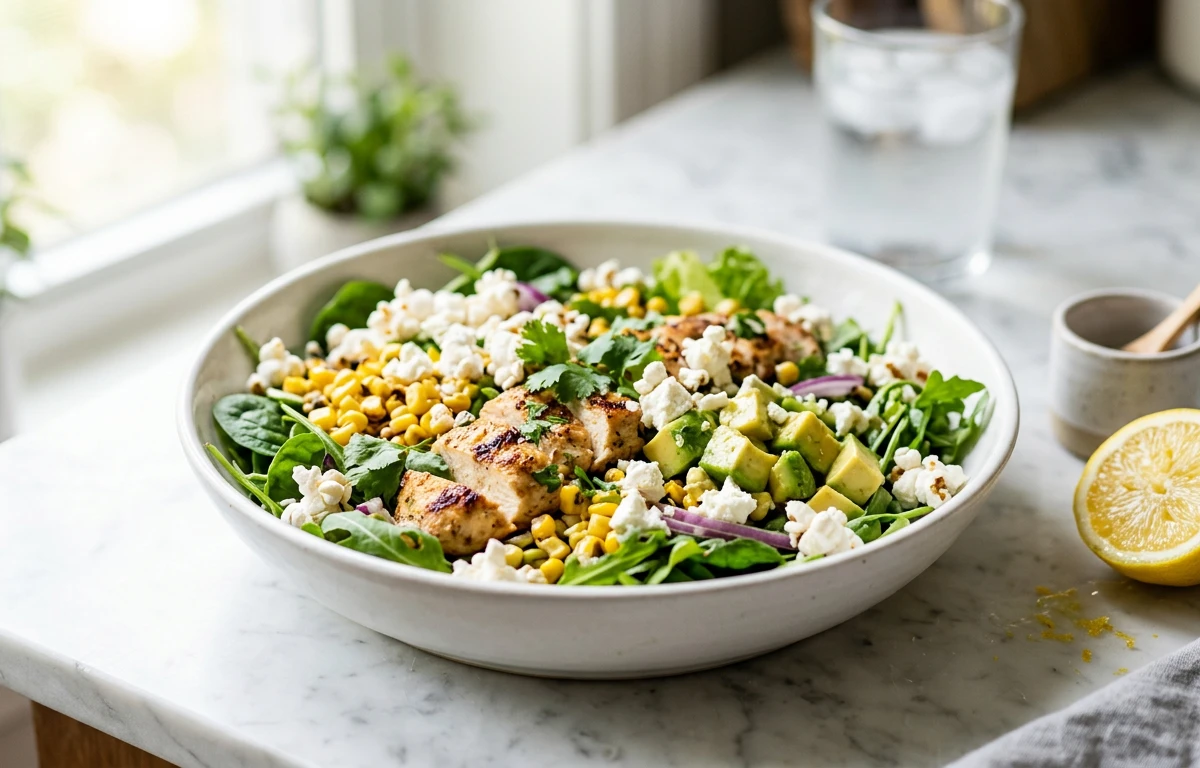
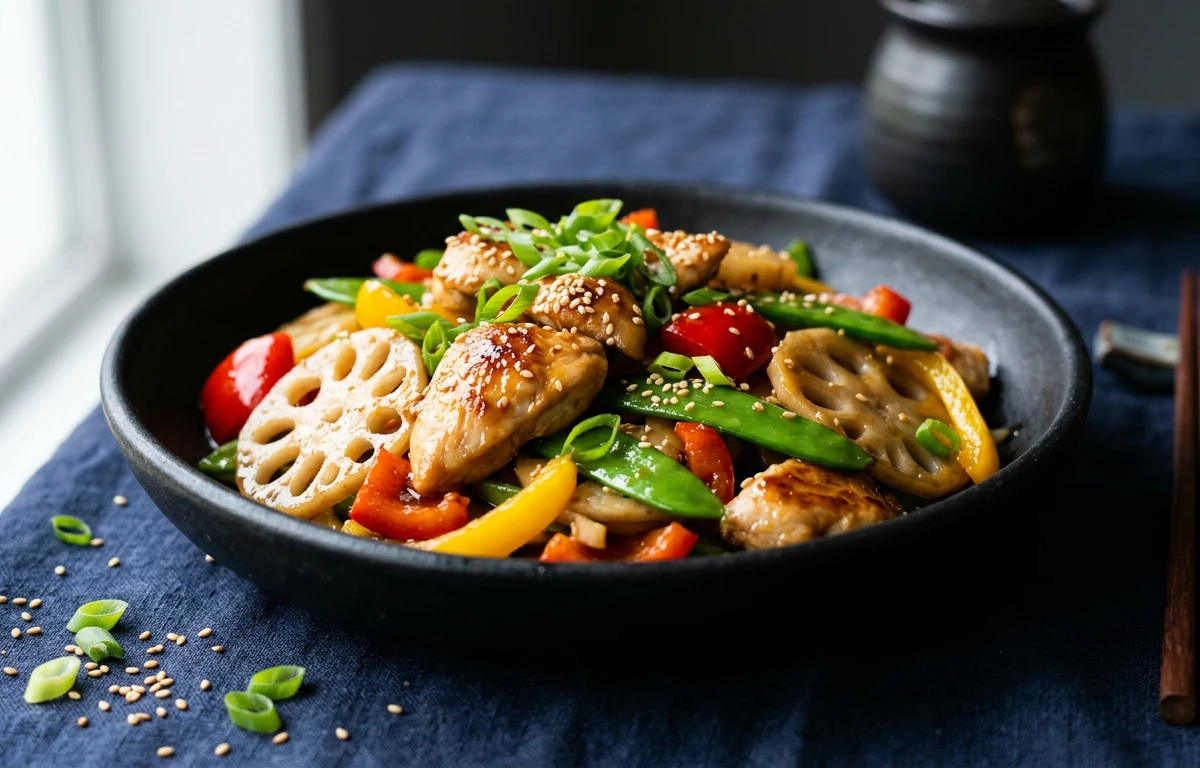
10 recipes · sorted by what’s quick