legume10 recipes
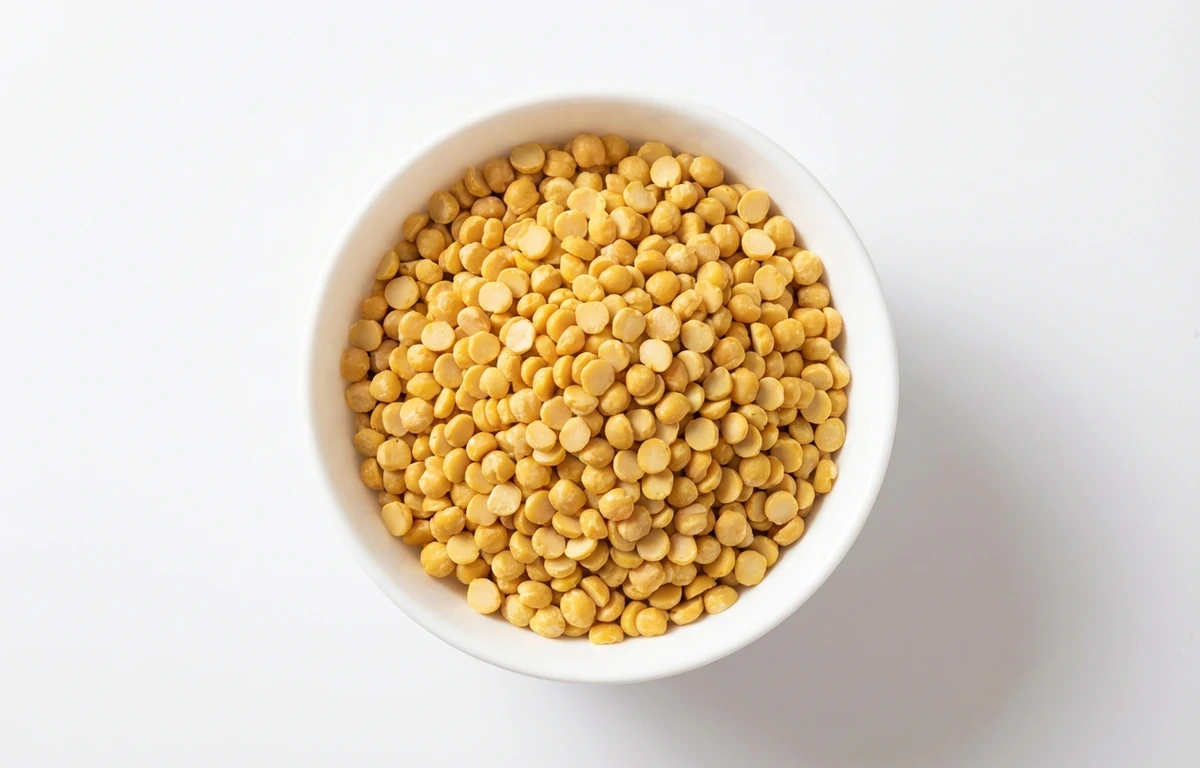
cholar dal.
VegetarianVeganGluten-freeDairy-freeNut-freePeanut-freeSoy-freeEgg-freeShellfish-freeHoney-freeAlcohol-free
ALSO KNOWN AS
chana dalsplit chickpeasbengal gramchana daalBengal gram dalKadala parippuSenaga pappuKadalai paruppuCholar dalHarbhara dalChana ni dalचना दालbuta dali
SERVING
CALORIES
364
PROTEIN
19g
CARBS
60g
FAT
6.0g
FIBER
10g
This ingredient is flagged as naturally gluten-free. Per 100 g, it provides 9.0 µg of vitamin K.
NUTRITION PROFILE · per 100 g
Everything in this ingredient.
MACRONUTRIENTS
Calories364kcal—
Protein19g38%
Carbohydrates60g22%
Fiber10g36%
Sugar4.8g10%
Total fat6.0g8%
Saturated fat0.60g3%
Trans fat0g—
Cholesterol0mg0%
Water10g—
MINERALS
Sodium24mg1%
Potassium845mg18%
Calcium57mg4%
Iron6.2mg34%
Magnesium115mg27%
Phosphorus366mg29%
Zinc2.8mg25%
Copper0.80mg89%
Manganese1.0mg43%
Selenium8.2µg15%
VITAMINS
Vitamin A3.0µg0%
Vitamin C4.0mg4%
Vitamin D0µg0%
Vitamin E0.80mg5%
Vitamin K9.0µg8%
Thiamin (B1)0.48mg40%
Riboflavin (B2)0.21mg16%
Niacin (B3)1.5mg9%
Pantothenic acid (B5)0.60mg12%
Vitamin B60.50mg29%
Folate (B9)437µg109%
Vitamin B120µg0%
%DV based on a 2,000 cal diet. Source: USDA FoodData Central. A dash in the %DV column means there’s no established Daily Value for that nutrient.
MEASUREMENT CONVERSIONS
How much is what.
1 cup200g
1 tablespoon12g
1 teaspoon4g
1 oz28.4g
1 lb453.6g
1 liter800g
HEALTH BENEFITS
Why eat it.
- ✓High in plant-based protein for muscle repair
- ✓Contains folate which is essential for heart health and cell growth
COOKING TIPS
In the kitchen.
- 1Soak for 30-60 minutes before cooking to ensure even texture
- 2Pressure cook for 3-4 whistles to achieve a soft but distinct grain
- 3Add a pinch of turmeric and a drop of oil while boiling to prevent frothing
STORAGE
Keep it fresh.
- Store in an airtight container in a cool, dry place
- Keep away from direct sunlight and moisture to prevent spoilage
- Can be stored for up to 12 months if kept completely dry
FAQ
Frequently asked questions.
How long does dried cholar dal last?
When stored in an airtight container in a cool, dry place, it can last for up to 1 year.
Can cooked cholar dal be frozen?
Yes, cooked dal can be frozen for up to 3 months. Thaw and reheat thoroughly before consuming.
What is the best substitute for cholar dal?
Yellow split peas or Toor dal (pigeon peas) are the closest substitutes in terms of texture and flavor.
Does cholar dal need to be soaked?
While not strictly mandatory, soaking for 30-60 minutes improves texture and reduces cooking time significantly.
How do I pick the best quality cholar dal?
Look for dal with a uniform bright yellow color, no visible moisture, and no small holes which indicate pest infestation.
What are common dishes made with cholar dal?
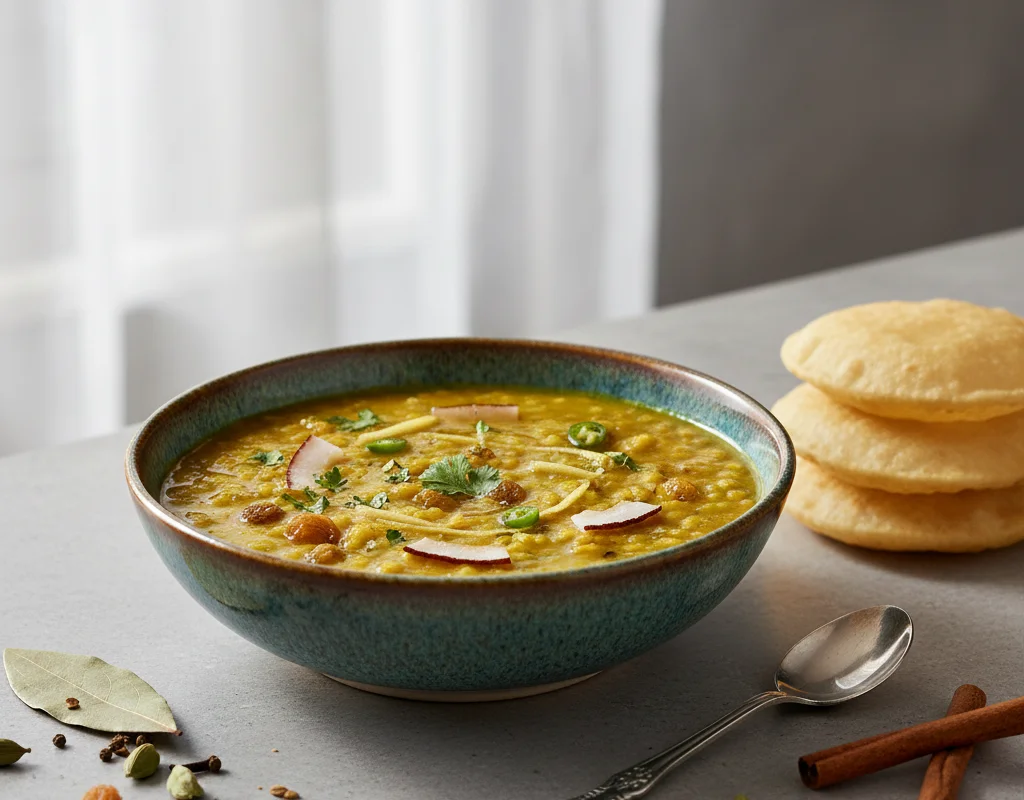
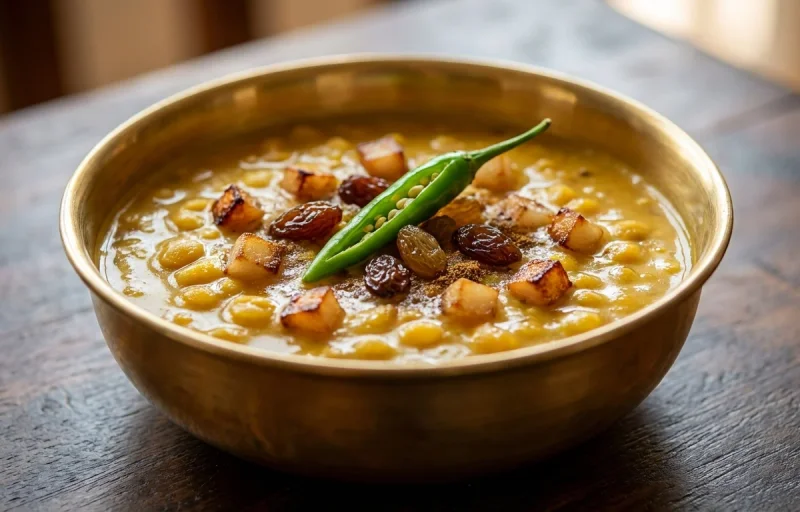
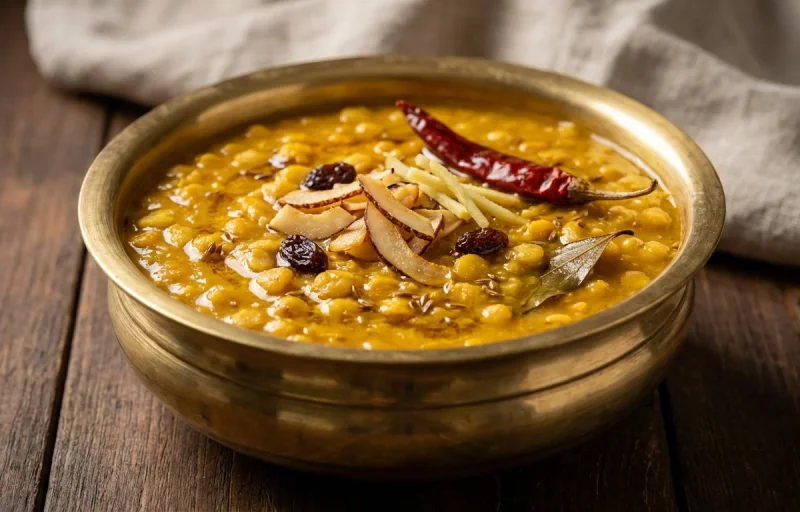
It is famously used in Bengali Cholar Dal with coconut, Chana Dal Fry, and as a base for various snacks like Dhokla.
RECIPES
Cook with cholar dal.
10 recipes · sorted by what’s quick
SAME CATEGORY