Nuts Seeds10 recipes
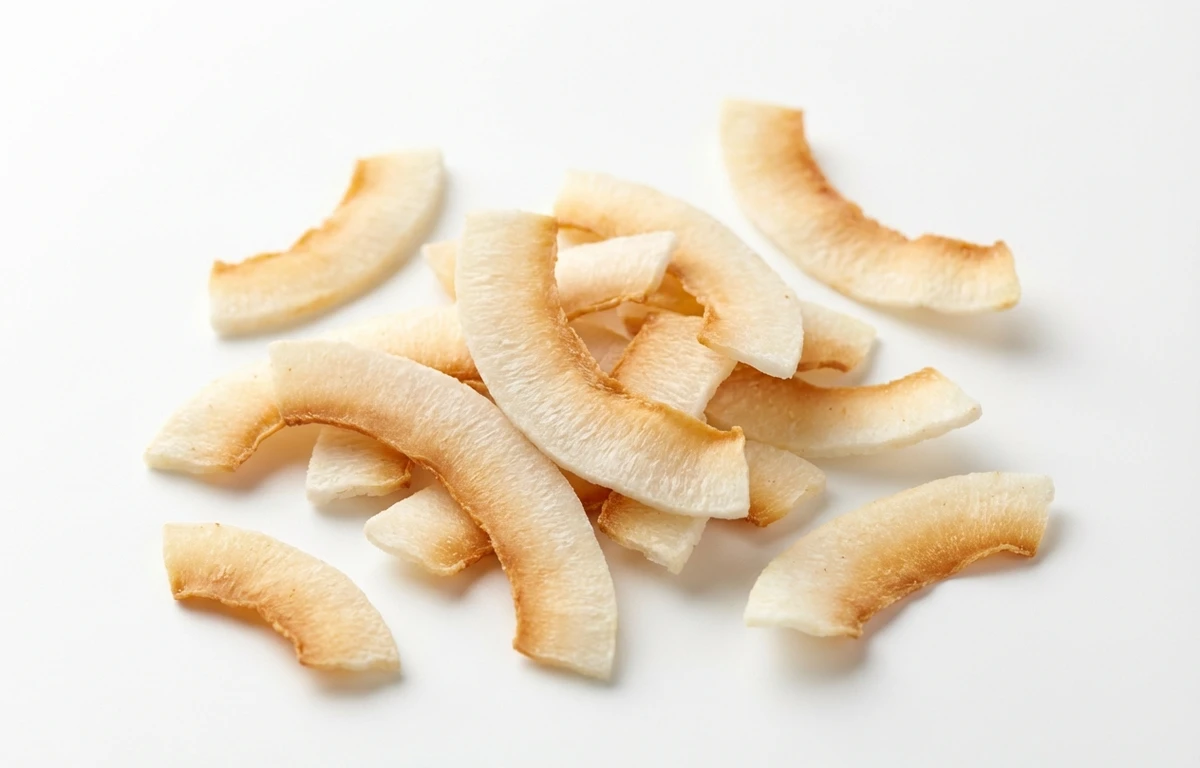
coconut slivers.
VegetarianVeganGluten-freeDairy-freeNut-freePeanut-freeSoy-freeEgg-freeShellfish-freeHoney-freeAlcohol-free
ALSO KNOWN AS
coconut flakesnariyal ki katarane
SERVING
CALORIES
660
PROTEIN
6.9g
CARBS
23.7g
FAT
64.5g
FIBER
16.3g
NUTRITION PROFILE · per 100 g
Everything in this ingredient.
MACRONUTRIENTS
Calories660kcal—
Protein6.9g14%
Carbohydrates23.7g9%
Fiber16.3g58%
Sugar7.4g15%
Total fat64.5g83%
Saturated fat57.2g286%
Trans fat0g—
Cholesterol0mg0%
Water3.0g—
MINERALS
Sodium37mg2%
Potassium543mg12%
Calcium26mg2%
Iron3.3mg18%
Magnesium90mg21%
Phosphorus206mg16%
Zinc2.0mg18%
Copper0.80mg89%
Manganese2.7mg117%
Selenium18.5µg34%
VITAMINS
Vitamin A0µg0%
Vitamin C0.80mg1%
Vitamin D0µg0%
Vitamin E0.40mg3%
Vitamin K0.20µg0%
Thiamin (B1)0.06mg5%
Riboflavin (B2)0.10mg8%
Niacin (B3)0.60mg4%
Pantothenic acid (B5)0.80mg16%
Vitamin B60.30mg18%
Folate (B9)9.0µg2%
Vitamin B120µg0%
%DV based on a 2,000 cal diet. Source: USDA FoodData Central. A dash in the %DV column means there’s no established Daily Value for that nutrient.
MEASUREMENT CONVERSIONS
How much is what.
1 cup84g
1 tablespoon5.3g
1 teaspoon1.8g
1 ml0.4g
1 liter350g
HEALTH BENEFITS
Why eat it.
- ✓Rich in healthy fats, particularly Medium-Chain Triglycerides (MCTs), which can provide a quick source of energy.
- ✓Good source of dietary fiber, which supports digestive health and promotes feelings of fullness.
- ✓Provides essential minerals like manganese, crucial for bone health and metabolism, as well as copper and selenium.
- ✓Contains antioxidant compounds that help protect cells from oxidative damage.
COOKING TIPS
In the kitchen.
- 1Toast slivers in a dry pan over medium-low heat or in a 350°F (175°C) oven until lightly golden to enhance their nutty flavor and crunch.
- 2Use as a topping for oatmeal, yogurt, smoothie bowls, salads, and curries to add texture and a tropical taste.
- 3Incorporate into homemade granola, trail mixes, or baked goods like cookies and muffins.
- 4Garnish desserts such as cakes, pies, and ice cream for a decorative and flavorful finish.
STORAGE
Keep it fresh.
- Store dried coconut slivers in an airtight container in a cool, dark place like a pantry for up to 6 months.
- For longer freshness and to prevent the oils from going rancid, store in the refrigerator for up to one year or in the freezer for even longer.
FAQ
Frequently asked questions.
Are coconut slivers healthy?
Yes, coconut slivers are highly nutritious, providing essential minerals like manganese for bone health and copper for heart health. They are rich in Medium-Chain Triglycerides (MCTs), which offer a quick energy source, and dietary fiber which aids digestion. However, because they contain 660 calories and 64.5g of fat per 100g, they should be consumed in moderation.
Are coconut slivers keto-friendly?
Yes, coconut slivers are excellent for a keto or low-carb diet. They are very high in healthy fats (64.5g per 100g) and have a moderate carbohydrate count, much of which comes from dietary fiber, helping you stay within your daily macros while providing sustained energy.
How do you toast coconut slivers?
To toast them, spread the slivers in a single layer in a dry skillet over medium heat or on a baking sheet at 325°F (160°C). Stir frequently for 3-5 minutes until they become golden brown and fragrant. Toasting enhances their nutty flavor and adds a satisfying crunch to toppings.
Are coconut slivers vegan and gluten-free?
Naturally processed coconut slivers are 100% vegan and gluten-free as they are derived solely from the meat of the coconut. They are a safe and popular ingredient for those with celiac disease or those following a plant-based lifestyle.
How should I store coconut slivers to keep them fresh?
Store coconut slivers in an airtight container in a cool, dark place like a pantry for up to 4-6 months. For extended freshness, you can keep them in the refrigerator or freezer, which prevents the high fat content from turning rancid over time.
Can diabetics eat coconut slivers?
Coconut slivers can be part of a diabetic diet because their high fiber and fat content result in a low glycemic index, which helps prevent blood sugar spikes. It is crucial to choose 'unsweetened' varieties to avoid added sugars that could negatively impact glucose levels.
What is the difference between coconut slivers and shredded coconut?
Coconut slivers are larger, thin slices of the coconut meat that provide a significant crunch and decorative look. Shredded coconut is much finer and more processed, making it better for mixing into cake batters or using as a fine coating for truffles.
How can I tell if coconut slivers have gone bad?
Spoiled coconut slivers will often develop a yellowish tint rather than being bright white. They may also emit a sour or 'soapy' odor and have a bitter, off-putting taste due to the fats oxidizing and becoming rancid.
Are coconut slivers good for weight loss?
While calorie-dense, the fiber in coconut slivers promotes a feeling of fullness, which can prevent overeating. The MCTs may also slightly boost metabolism; however, because 100g contains 660 calories, portion control is essential when using them as a weight-loss snack.
What are the best ways to use coconut slivers in cooking?
Coconut slivers are incredibly versatile; they can be used as a crunchy topping for smoothie bowls, yogurt, and oatmeal. They are also excellent in savory dishes like tropical salads, grain bowls, or as a crust for baked fish and shrimp.
RECIPES
Cook with coconut slivers.
10 recipes · sorted by what’s quick