Grain6 recipes
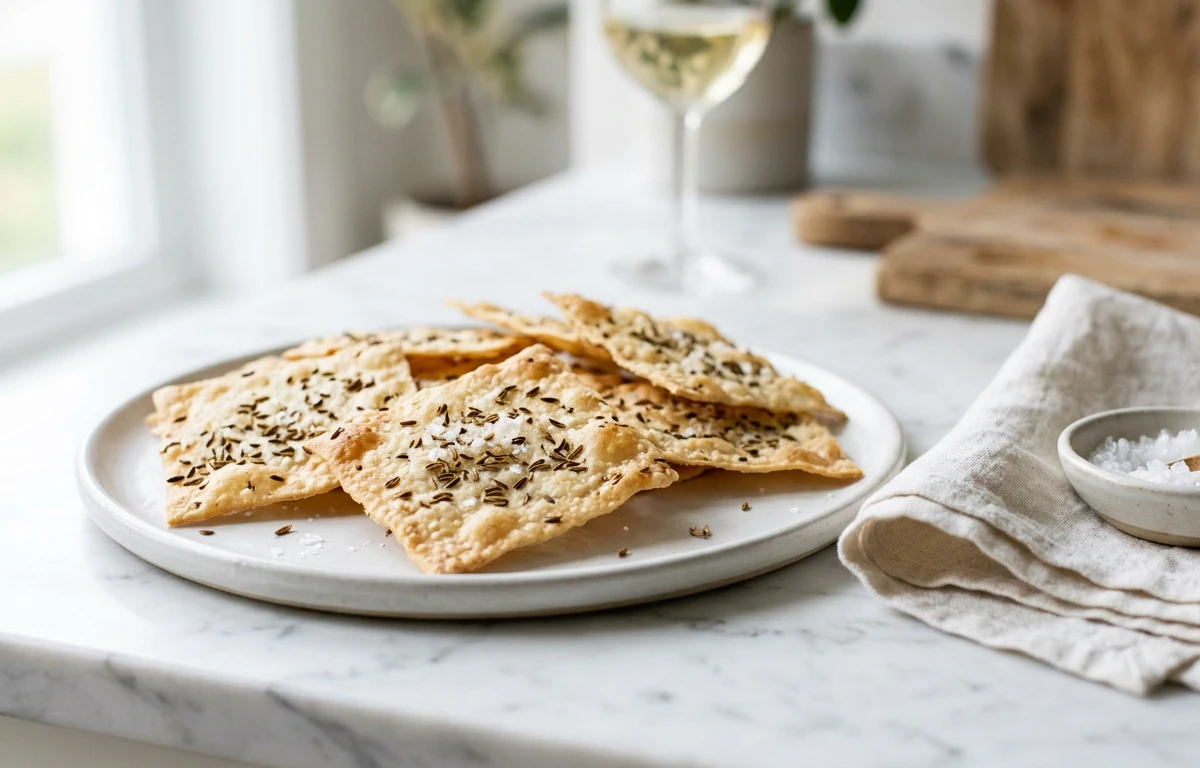
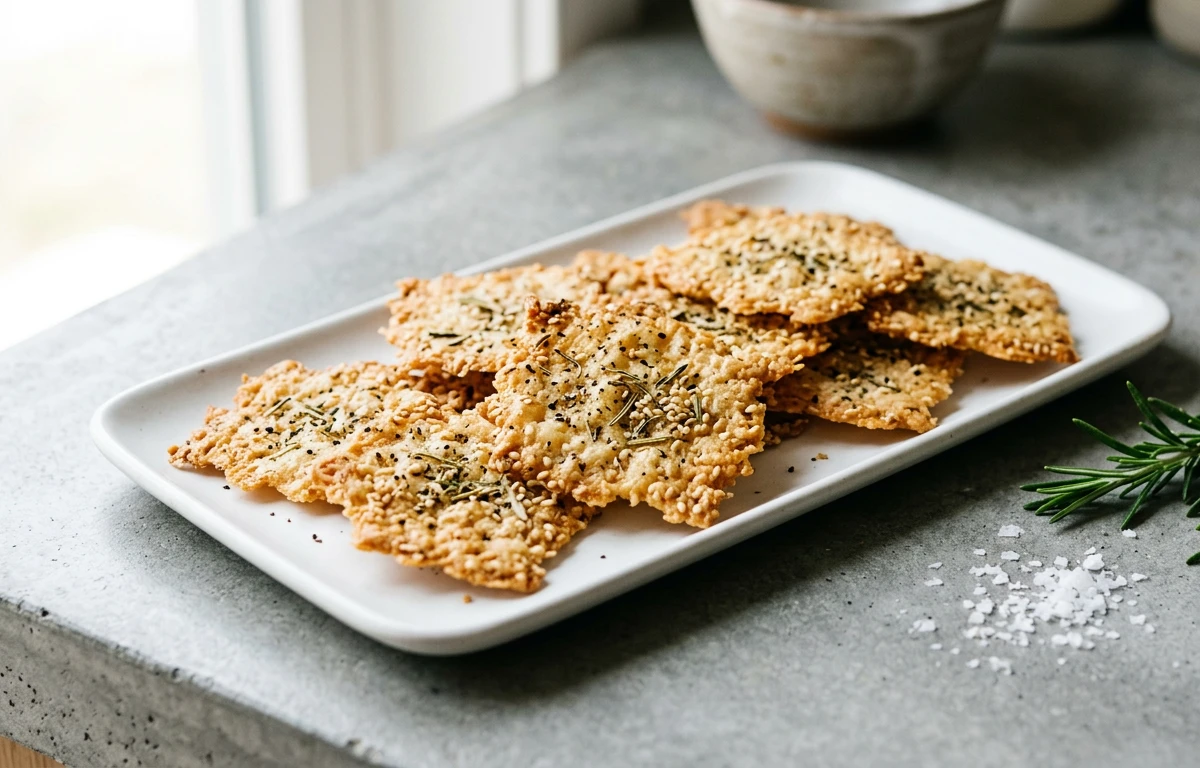
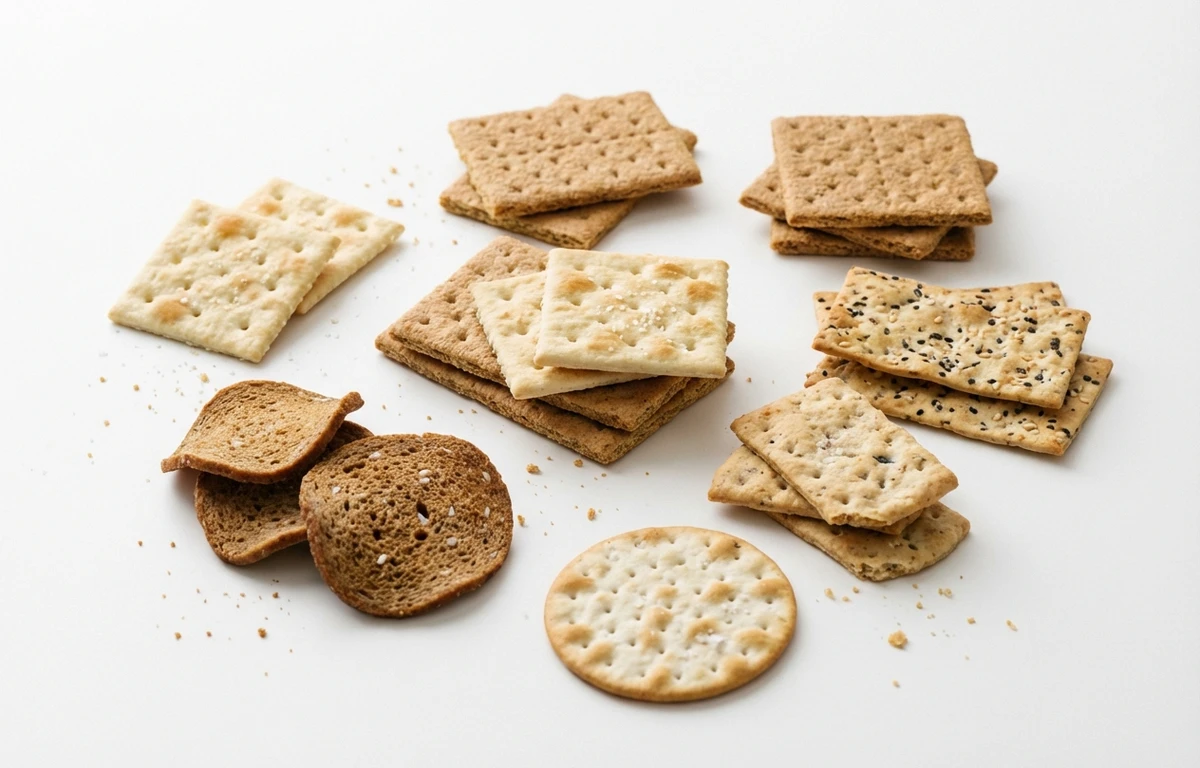
crackers.
VegetarianVeganGluten-freeDairy-freeNut-freePeanut-freeSoy-freeEgg-freeShellfish-freeHoney-freeAlcohol-freeFermented
SERVING
CALORIES
420
PROTEIN
9.5g
CARBS
73g
FAT
10g
FIBER
2.8g
NUTRITION PROFILE · per 100 g
Everything in this ingredient.
MACRONUTRIENTS
Calories420kcal—
Protein9.5g19%
Carbohydrates73g27%
Fiber2.8g10%
Sugar1.5g3%
Total fat10g13%
Saturated fat2.5g13%
Cholesterol0mg0%
Water4.0g—
MINERALS
Sodium800mg35%
Potassium100mg2%
Calcium20mg2%
Iron3.6mg20%
Magnesium24mg6%
Phosphorus104mg8%
Zinc0.69mg6%
Copper0.23mg26%
Manganese0.94mg41%
Selenium42.3µg77%
VITAMINS
Vitamin E0.43mg3%
Vitamin K0.30µg0%
Thiamin (B1)0.70mg58%
Riboflavin (B2)0.47mg36%
Niacin (B3)5.7mg36%
Pantothenic acid (B5)0.47mg9%
Vitamin B60.04mg2%
Folate (B9)136µg34%
Vitamin B120µg0%
%DV based on a 2,000 cal diet. Source: USDA FoodData Central. A dash in the %DV column means there’s no established Daily Value for that nutrient.
MEASUREMENT CONVERSIONS
How much is what.
1 cup115g
1 tablespoon7.2g
1 teaspoon2.4g
1 oz28g
1 lb448g
1 ml0.5g
1 liter479.2g
1 piece7g
HEALTH BENEFITS
Why eat it.
- ✓Provides a quick source of energy from carbohydrates.
- ✓Whole-grain varieties are a good source of dietary fiber, which supports digestive health.
- ✓Can serve as a vehicle for nutrient-dense toppings like hummus, avocado, or cheese.
- ✓Plain, low-sodium crackers (like saltines) can help soothe an upset stomach.
COOKING TIPS
In the kitchen.
- 1Crush crackers to create a crunchy coating for baked or fried chicken, fish, or pork chops.
- 2Use finely crushed crackers as a binder in meatloaf, meatballs, or veggie burgers.
- 3Sprinkle crushed crackers over casseroles, like macaroni and cheese, before baking for a golden-brown, crispy topping.
- 4Serve as a base for appetizers (canapés) with a variety of spreads, cheeses, and cured meats.
STORAGE
Keep it fresh.
- Store in a cool, dry place like a pantry. Once opened, transfer to an airtight container to prevent them from absorbing moisture and becoming stale.
- Consume opened crackers within 1-2 weeks for optimal freshness and crispness.
FAQ
Frequently asked questions.
Are crackers healthy?
Crackers can be part of a healthy diet, especially whole-grain varieties which provide dietary fiber for digestive health. However, many processed versions are high in sodium and refined flour, so it is best to choose options with minimal additives and pair them with nutrient-dense toppings like avocado or hummus.
How many calories and carbs are in crackers?
On average, 100g of crackers contains approximately 420 calories and 73g of carbohydrates. They are a concentrated source of energy, providing about 9.5g of protein and 10g of fat per 100g serving.
Are crackers good for weight loss?
Crackers are calorie-dense and easy to overeat, so portion control is essential for weight loss. Choosing high-fiber, whole-grain crackers can help increase satiety, making you feel fuller longer compared to refined white crackers.
Are crackers vegan?
Many basic crackers like saltines or water crackers are vegan, but others may contain butter, milk solids, or honey. Always check the ingredient label for dairy or animal-derived fats to ensure they meet vegan dietary requirements.
Are crackers gluten-free?
Most traditional crackers are made from wheat flour and contain gluten. However, there are many gluten-free alternatives available made from rice, corn, almond flour, or seeds for those with gluten sensitivities.
Are crackers keto-friendly?
Standard grain-based crackers are high in carbohydrates (73g per 100g) and are generally not suitable for a keto diet. For a low-carb alternative, look for crackers made specifically from seeds, nuts, or baked cheese.
What are the best ways to serve crackers?
Crackers are versatile and serve as an excellent vehicle for toppings like cheese, nut butters, or tuna salad. They can also be crumbled into soups for added texture or used as a base for appetizers on charcuterie boards.
Can I use crackers as a substitute for breadcrumbs?
Yes, crushed crackers make an excellent substitute for breadcrumbs in recipes like meatloaf, meatballs, or as a crunchy topping for baked casseroles. Saltines or buttery round crackers are the most common choices for this substitution.
How should I store crackers to keep them crispy?
Store crackers in an airtight container or a tightly sealed bag in a cool, dry pantry. If they become stale, you can often restore their crispness by placing them in a single layer in a 300°F (150°C) oven for 3-5 minutes.
Why are crackers often recommended for an upset stomach?
Plain, low-sodium crackers like saltines are easy to digest and contain bland starches that can help absorb excess stomach acid. They provide a gentle source of energy and are less likely to trigger nausea than spicy or fatty foods.
RECIPES
Cook with crackers.
6 recipes · sorted by what’s quick
.webp)