Other6 recipes
cranberries.
VegetarianVeganGluten-freeDairy-freeNut-freePeanut-freeSoy-freeEgg-freeShellfish-freeHoney-freeAlcohol-freeHalalKosher
ALSO KNOWN AS
fresh cranberriesraw cranberriesAmerican cranberrykaranberi
SERVING
CALORIES
46
PROTEIN
0.46g
CARBS
12g
FAT
0.13g
FIBER
3.6g
NUTRITION PROFILE · per 100 g
Everything in this ingredient.
MACRONUTRIENTS
Calories46kcal—
Protein0.46g1%
Carbohydrates12g4%
Fiber3.6g13%
Sugar4.3g9%
Total fat0.13g0%
Saturated fat0.01g0%
Trans fat0g—
Cholesterol0mg0%
Water87.3g—
MINERALS
Sodium2.0mg0%
Potassium80mg2%
Calcium8.0mg1%
Iron0.23mg1%
Magnesium6.0mg1%
Phosphorus11mg1%
Zinc0.09mg1%
Copper0.06mg7%
Manganese0.27mg12%
Selenium0.10µg0%
VITAMINS
Vitamin A3.0µg0%
Vitamin C14mg16%
Vitamin D0µg0%
Vitamin E1.3mg9%
Vitamin K5.0µg4%
Thiamin (B1)0.01mg1%
Riboflavin (B2)0.02mg2%
Niacin (B3)0.10mg1%
Pantothenic acid (B5)0.30mg6%
Vitamin B60.06mg4%
Folate (B9)1.0µg0%
Vitamin B120µg0%
%DV based on a 2,000 cal diet. Source: USDA FoodData Central. A dash in the %DV column means there’s no established Daily Value for that nutrient.
MEASUREMENT CONVERSIONS
How much is what.
1 cup100g
1 tablespoon6.3g
1 teaspoon2.1g
1 ml0.4g
1 liter416.7g
HEALTH BENEFITS
Why eat it.
- ✓Rich in A-type proanthocyanidins (PACs), which help prevent urinary tract infections (UTIs) by inhibiting bacteria from adhering to the bladder wall.
- ✓High in antioxidants, such as vitamin C and flavonoids, which combat oxidative stress and may reduce the risk of chronic diseases.
- ✓Supports cardiovascular health by potentially improving cholesterol levels, reducing blood pressure, and preventing artery stiffness.
- ✓May promote gut health by positively influencing gut microbiota and reducing inflammation in the digestive tract.
COOKING TIPS
In the kitchen.
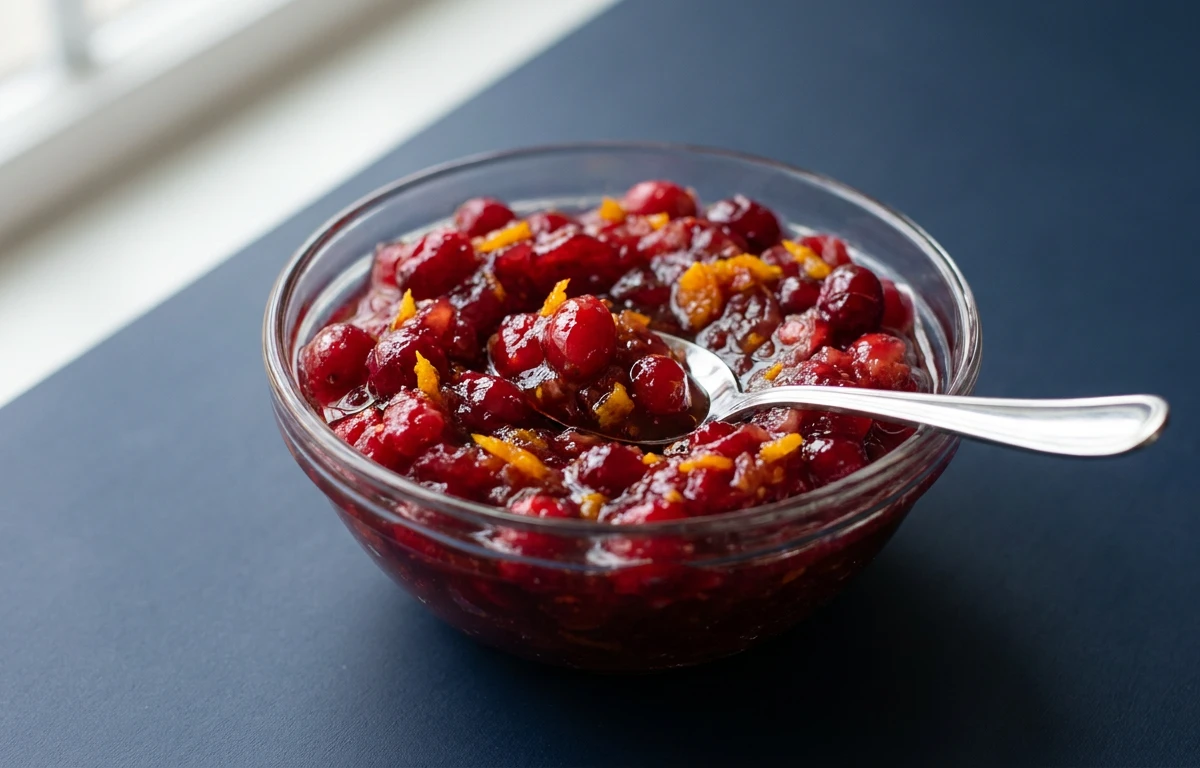
- 1Cook fresh cranberries with a liquid (like water or orange juice) and a sweetener over medium heat until they pop and the mixture thickens to create a simple sauce.
- 2Balance their intense tartness by pairing them with sweet ingredients like oranges, apples, maple syrup, or sugar.
- 3Add fresh or dried cranberries to baked goods like muffins, scones, and breads for a burst of tart flavor and vibrant color.
- 4Roast fresh cranberries with savory vegetables like Brussels sprouts or sweet potatoes, or with proteins like chicken or pork, for a festive and flavorful dish.
STORAGE
Keep it fresh.
- Store fresh cranberries in their original packaging or a sealed bag in the refrigerator's crisper drawer for up to one month.
- For long-term storage, freeze fresh cranberries on a baking sheet in a single layer, then transfer to a freezer-safe bag or container for up to one year.
FAQ
Frequently asked questions.
Are cranberries healthy?
Yes, cranberries are highly nutritious and rich in antioxidants like vitamin C and flavonoids. They are best known for containing A-type proanthocyanidins (PACs), which help prevent urinary tract infections by stopping bacteria from sticking to the bladder wall.
How many calories and carbs are in cranberries?
A 100g serving of raw cranberries contains approximately 46 calories and 11.97g of carbohydrates. They are very low in fat (0.13g) and protein (0.46g), making them a light, nutrient-dense fruit option.
Are cranberries good for weight loss?
Fresh cranberries are excellent for weight management because they are low in calories and provide dietary fiber. However, consumers should be cautious with dried cranberries or commercial juices, as these often contain high amounts of added sugar.
Are cranberries keto-friendly?
In moderation, fresh cranberries can fit into a keto diet, as 100g contains about 8-9g of net carbs. However, dried cranberries are typically processed with sugar and are generally not suitable for a strict ketogenic lifestyle.
What do fresh cranberries taste like?
Fresh cranberries have a very sharp, tart, and acidic flavor with very little natural sweetness. Because of their intense bitterness and acidity, they are rarely eaten alone and are usually paired with sweeteners in sauces, desserts, or juices.
Do cranberries really help prevent UTIs?
Yes, research suggests that the PACs in cranberries can help prevent urinary tract infections by inhibiting E. coli bacteria from adhering to the urinary tract. While effective for prevention, they are generally not considered a treatment for an active infection.
Can you eat cranberries raw?
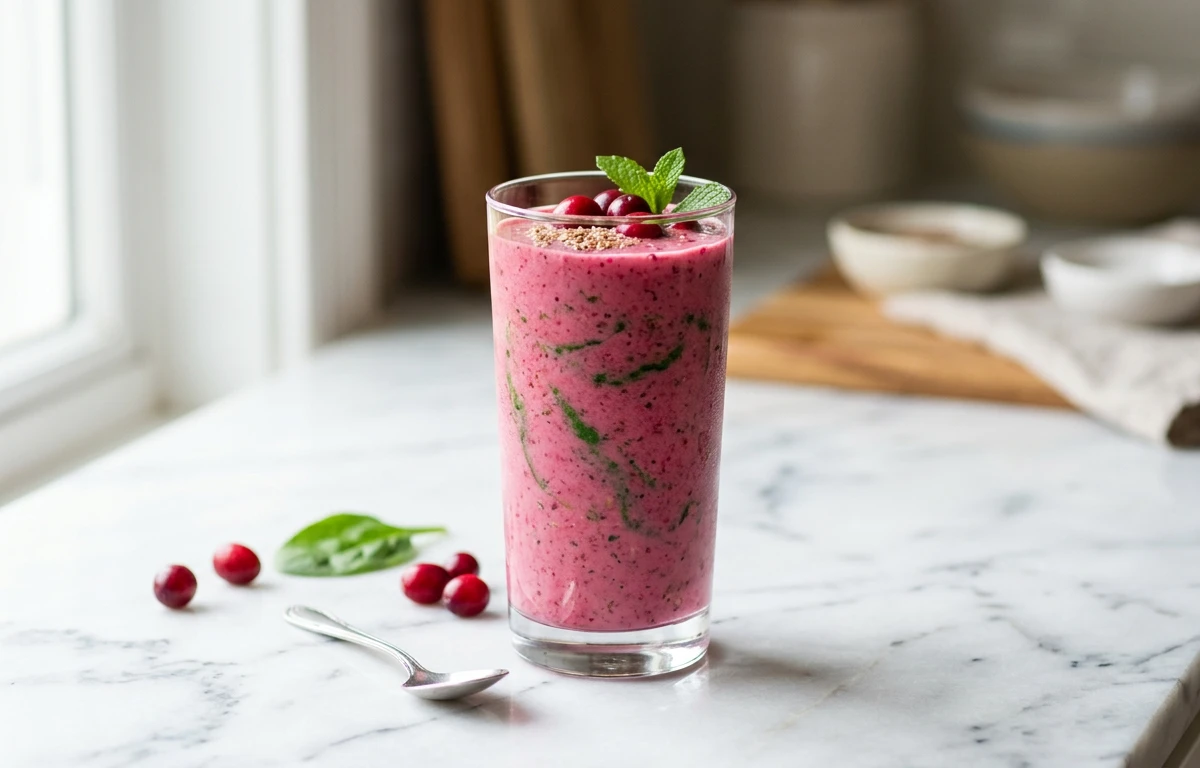
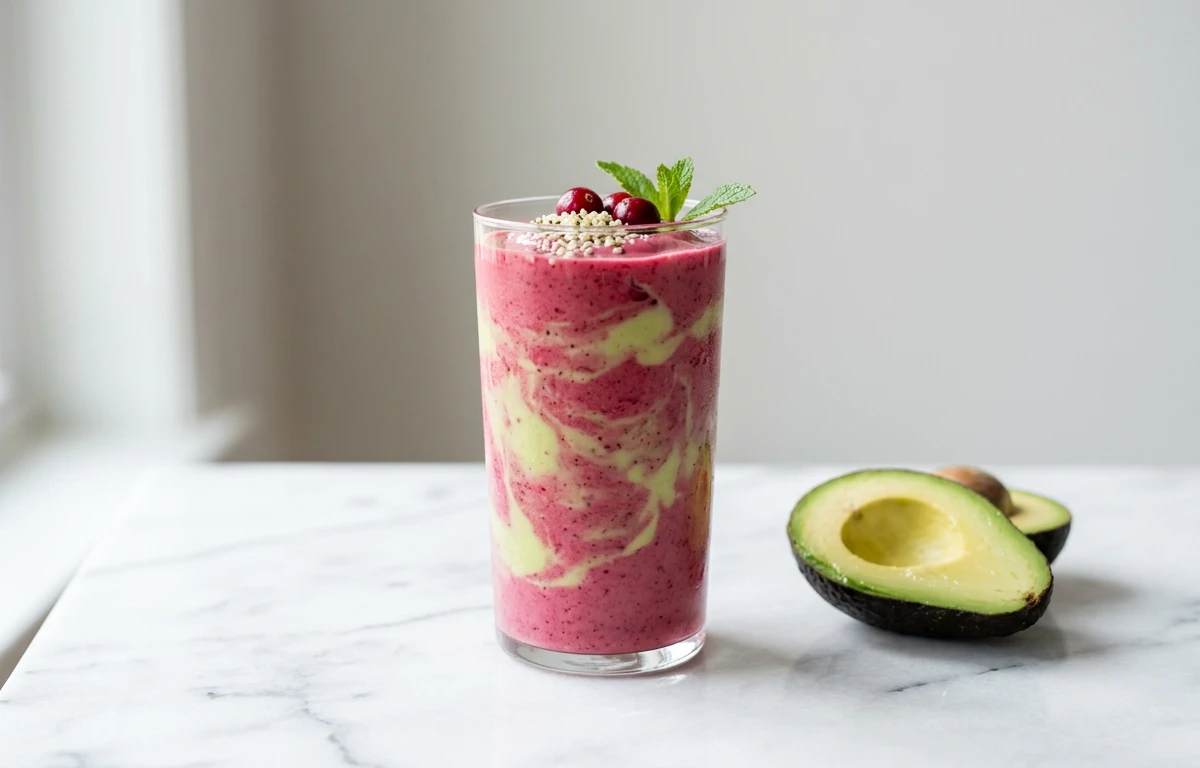
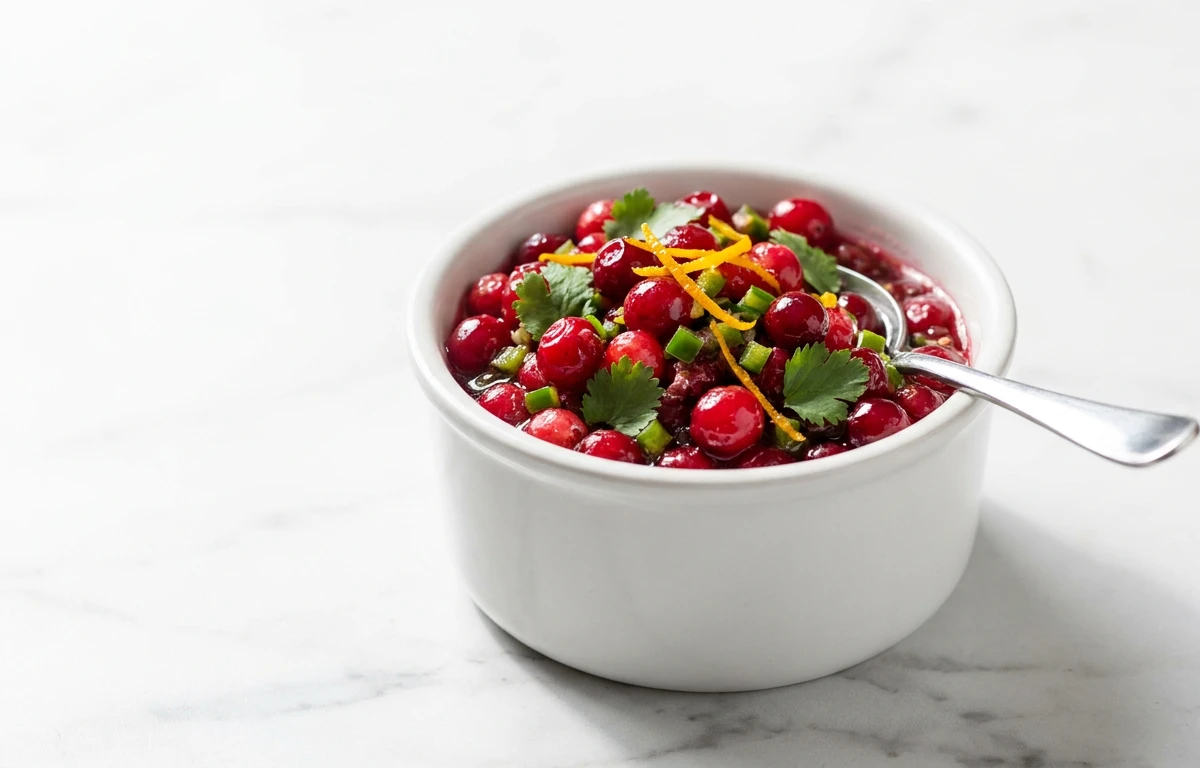
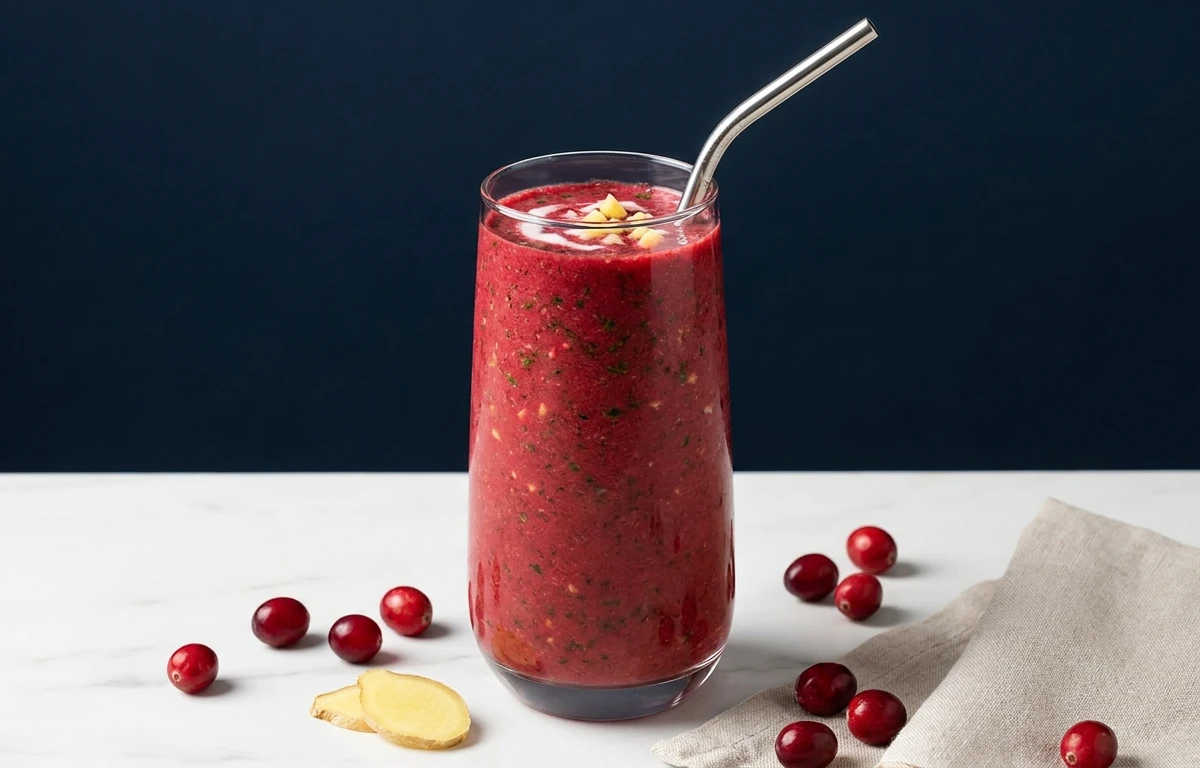
Yes, you can eat cranberries raw, though many find them too tart to enjoy plain. They are often finely chopped into salads, salsas, or blended into smoothies to provide a bright, acidic pop of flavor without overwhelming the palate.
How do you store fresh cranberries and how long do they last?
Fresh cranberries should be stored in the refrigerator in a sealed plastic bag, where they can last for up to two months. For long-term storage, they can be frozen for up to a year; they do not need to be thawed before being used in baking or sauces.
How do you know if cranberries are fresh?
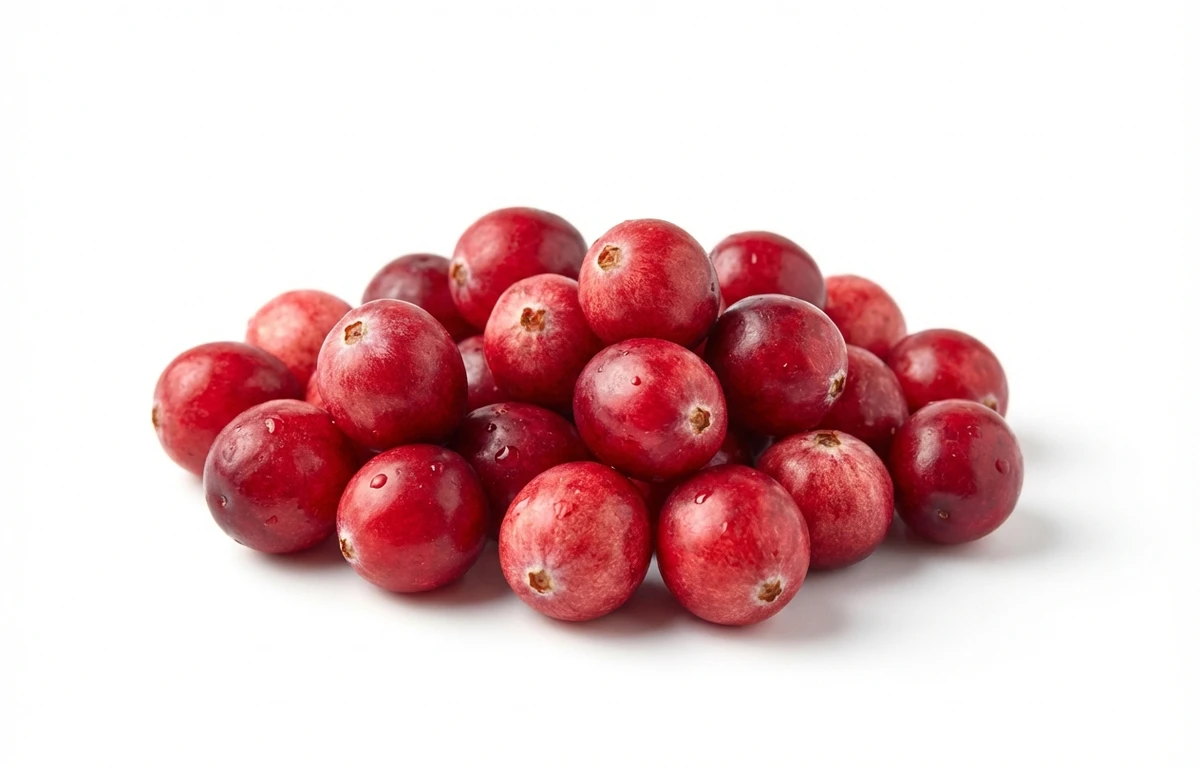
Fresh cranberries should be firm to the touch, shiny, and deep red in color. A classic test for freshness is their 'bounce'—healthy, firm cranberries will actually bounce if dropped on a hard surface, while soft, sticky, or shriveled ones will not.
How do cranberries benefit heart health?
Cranberries support cardiovascular health by helping to improve cholesterol levels and potentially reducing blood pressure. Their high antioxidant content also helps combat oxidative stress and may prevent artery stiffness.
RECIPES
Cook with cranberries.
6 recipes · sorted by what’s quick