Spice10 recipes
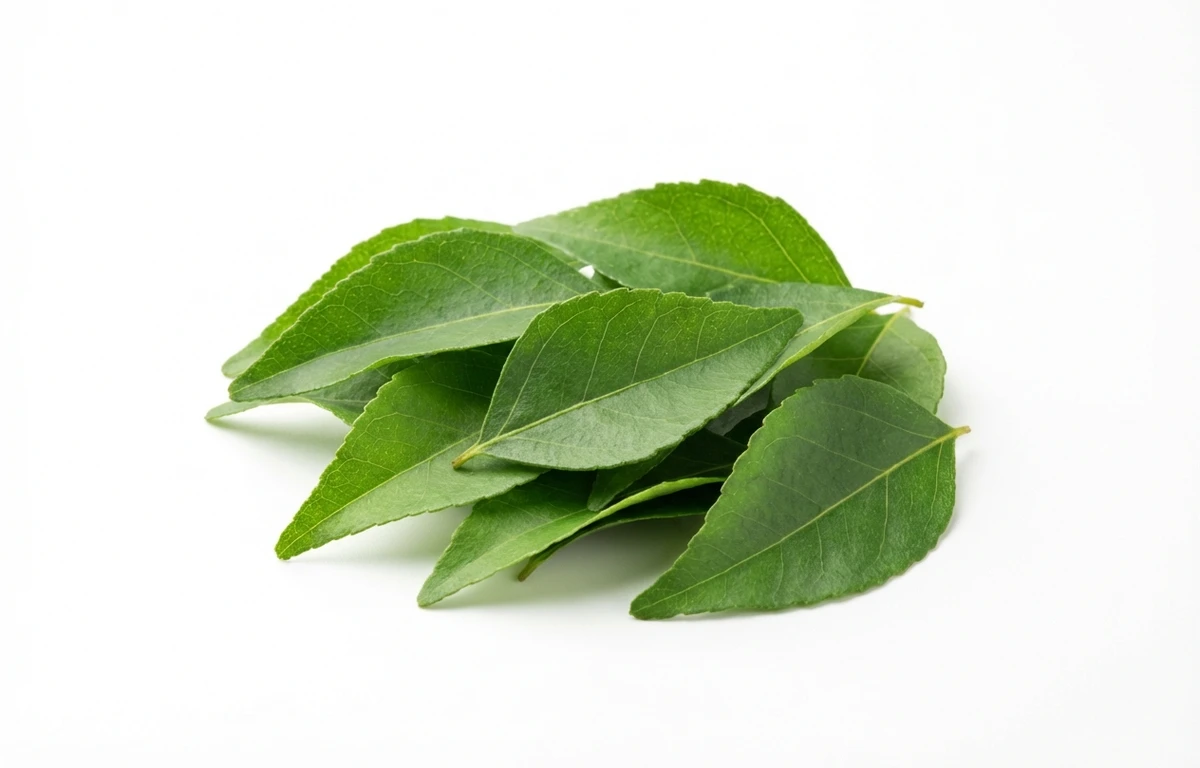
curry leaves.
VegetarianVeganGluten-freeDairy-freeNut-freePeanut-freeSoy-freeEgg-freeShellfish-freeHoney-freeAlcohol-free
ALSO KNOWN AS
sweet neem leavescurry pattakadi pattasweet neemkarivepakukaruveppilaikadipattacurry leavescurry leaf
SERVING
CALORIES
108
PROTEIN
6.1g
CARBS
18.7g
FAT
1.0g
FIBER
6.4g
NUTRITION PROFILE · per 100 g
Everything in this ingredient.
MACRONUTRIENTS
Calories108kcal—
Protein6.1g12%
Carbohydrates18.7g7%
Fiber6.4g23%
Sugar0.60g1%
Total fat1.0g1%
Saturated fat0.20g1%
Trans fat0g—
Cholesterol0mg0%
Water72g—
MINERALS
Sodium20mg1%
Potassium494mg11%
Calcium830mg64%
Iron3.1mg17%
Magnesium182mg43%
Phosphorus83.3mg7%
Zinc1.2mg11%
Copper0.46mg51%
Manganese1.2mg53%
Selenium17.3µg31%
VITAMINS
Vitamin A630µg70%
Vitamin C4.0mg4%
Vitamin D0µg0%
Vitamin E1.8mg12%
Vitamin K275µg229%
Thiamin (B1)0.07mg6%
Riboflavin (B2)0.13mg10%
Niacin (B3)0.85mg5%
Pantothenic acid (B5)0.51mg10%
Vitamin B60.57mg34%
Biotin (B7)1.8µg6%
Folate (B9)117µg29%
Vitamin B120µg0%
%DV based on a 2,000 cal diet. Source: USDA FoodData Central. A dash in the %DV column means there’s no established Daily Value for that nutrient.
MEASUREMENT CONVERSIONS
How much is what.
1 cup25g
1 tablespoon4g
1 teaspoon1.5g
1 ml0.3g
1 liter266.7g
1 piece0.3g
HEALTH BENEFITS
Why eat it.
- ✓Rich in antioxidants like alkaloids and phenolic compounds, which help protect the body from oxidative stress.
- ✓May possess anti-inflammatory and anti-bacterial properties.
- ✓Traditionally used to support digestive health and may help in managing blood sugar levels.
- ✓A good source of vitamins A, B, C, and E, as well as minerals like iron and calcium.
COOKING TIPS
In the kitchen.
- 1For maximum flavor, add curry leaves to hot oil at the beginning of the cooking process (a technique known as 'tadka' or tempering).
- 2Use whole leaves in curries, soups, and stews; they infuse the dish with flavor and can be removed before serving if desired.
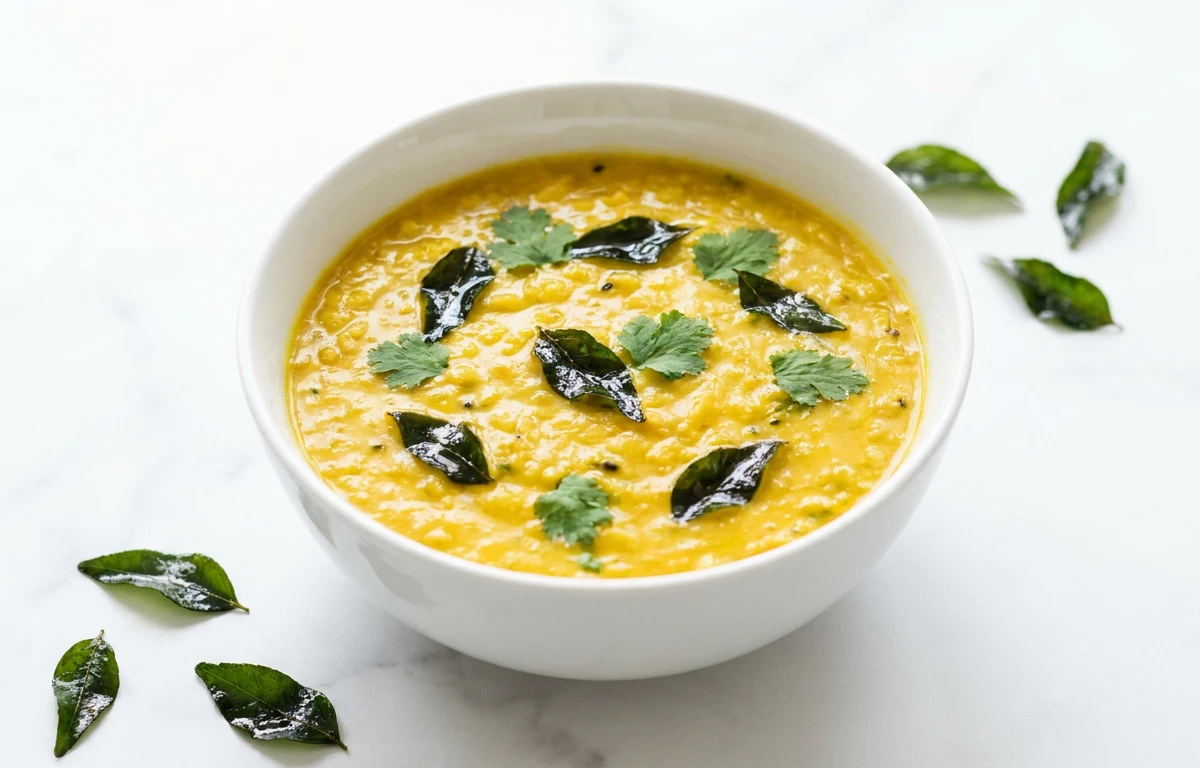
- 3Fry curry leaves until crisp to use as a flavorful and aromatic garnish for dishes like yogurt rice, dals, and snacks.
- 4Grind fresh leaves into a paste with coconut, chilies, and other spices to form the base for chutneys and sauces.
STORAGE
Keep it fresh.
- Store fresh curry leaves on the stem in an airtight container or zip-top bag in the refrigerator for up to 2 weeks.
- For long-term storage, freeze the leaves. They can be used directly from frozen and will retain their aroma better than dried leaves.
- Curry leaves can be air-dried or oven-dried, but they will lose some of their pungent aroma. Store dried leaves in an airtight jar away from light.
FAQ
Frequently asked questions.
Is curry leaves healthy?
Yes, curry leaves are highly beneficial due to their rich antioxidant content, including alkaloids and phenolic compounds, which protect against oxidative stress. They are also a good source of vitamins A, B, C, and E, and minerals like iron and calcium, contributing to overall well-being.
What are the main nutritional facts for curry leaves?
Per 100g, curry leaves contain approximately 108 calories, 6.1g protein, 18.7g carbohydrates, and 1g fat. They are also packed with essential vitamins (A, B, C, E) and minerals (iron, calcium), making them a nutrient-dense addition to meals.
Can curry leaves help manage blood sugar levels?
Traditionally, curry leaves have been used to support the management of blood sugar levels. While research is ongoing, their antioxidant and fiber content may play a role in this benefit, making them a potential dietary aid for those monitoring their glucose.
Are curry leaves vegan and gluten-free?
Yes, curry leaves are naturally vegan as they are a plant-based ingredient. They are also inherently gluten-free, making them suitable for individuals following vegan or gluten-free diets without any concerns.
Are curry leaves keto-friendly?
While 100g of curry leaves contains 18.7g of carbs, they are typically used in very small quantities (a few leaves per dish) as a flavoring agent, not as a bulk ingredient. Therefore, in typical culinary applications, their carb contribution to a keto diet is negligible.
How are curry leaves typically used in cooking?
Curry leaves are primarily used in South Indian and Sri Lankan cuisine, often tempered in hot oil with mustard seeds and other spices at the beginning of cooking. They impart a distinct, aromatic flavor to curries, dals, chutneys, and stir-fries.
What do curry leaves taste like?
Curry leaves have a unique, slightly nutty, pungent, and citrusy aroma with subtle notes of anise. When fried, their flavor becomes more pronounced and fragrant, adding a warm, earthy depth and a fresh, bright finish to dishes.
How do you store fresh curry leaves to keep them fresh longer?
To store fresh curry leaves, wash and pat them completely dry, then wrap them in a paper towel and place them in an airtight container or zip-top bag in the refrigerator. They can also be frozen for several months by placing them directly in a freezer bag.
Can I substitute curry leaves with another herb or spice?
Curry leaves have a very distinct flavor that is hard to replicate exactly. While some suggest bay leaves or a mix of lime zest and basil, these will not provide the same authentic taste. For best results, it's recommended to use fresh or frozen curry leaves.
Can you eat curry leaves raw?
Yes, curry leaves can be eaten raw, though they are more commonly cooked to release their full aroma and flavor. When eaten raw, they have a slightly bitter and pungent taste, and are sometimes chewed for their traditional medicinal properties.
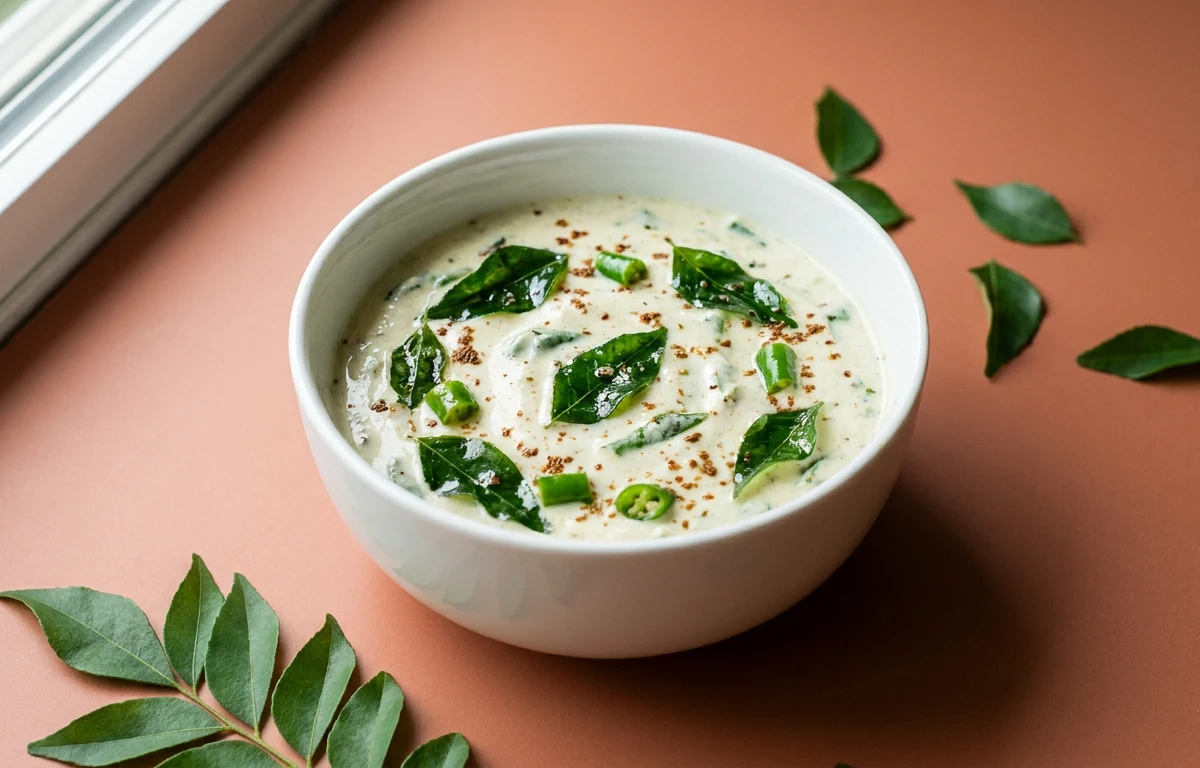
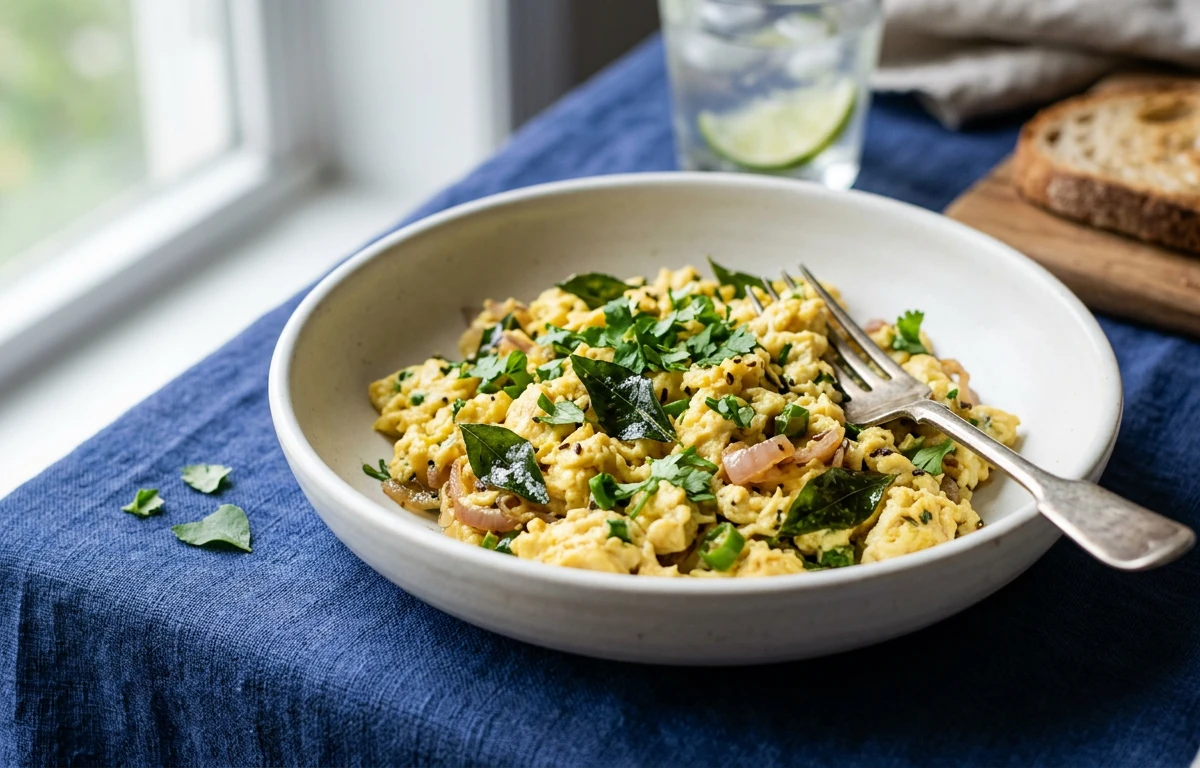
RECIPES
Cook with curry leaves.
10 recipes · sorted by what’s quick
.webp)