
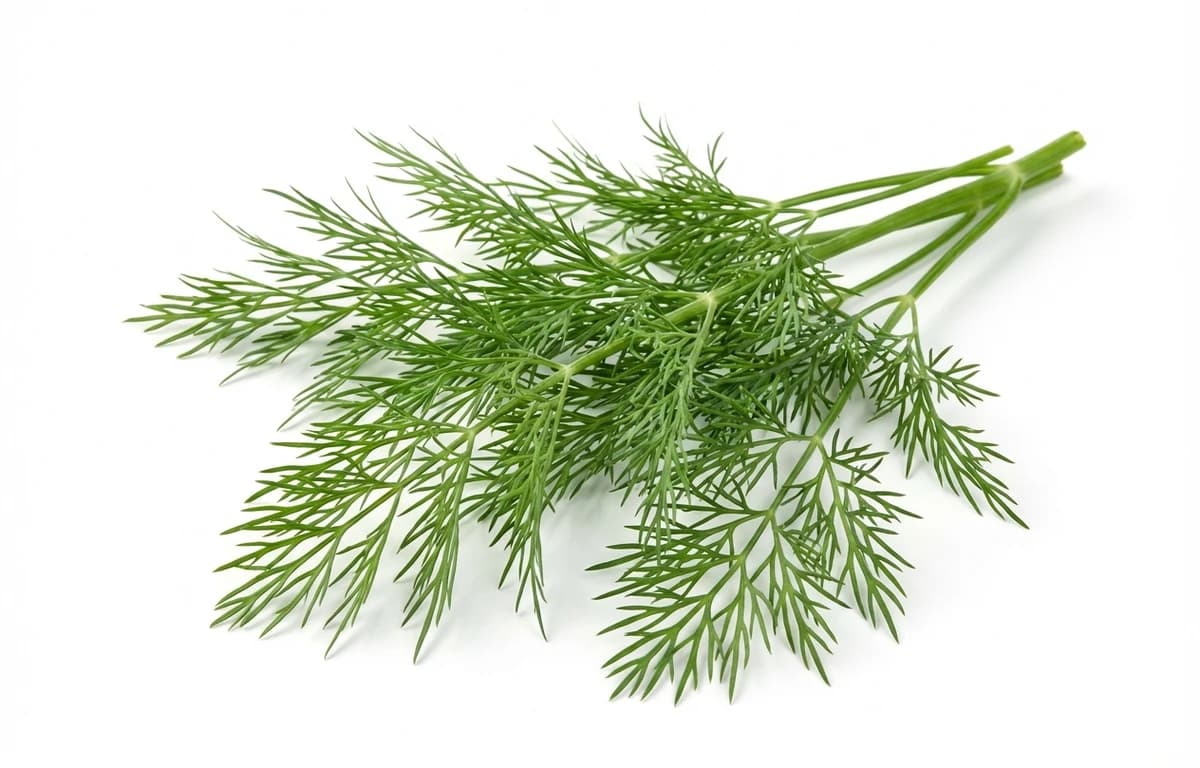
dill
Also known as: dill leaves, sua bhaji
Loading...
Also known as: dill leaves, sua bhaji
Per 100g
Nutrition data source: USDA FoodData Central
Common measurement equivalents in grams
A quick, refreshing salad of crisp radishes tossed in a light lemon-dill vinaigrette. It's the perfect crunchy side to cut through richer main dishes, ready in just a few minutes.
A classic New York deli favorite! Toasted bagels slathered with creamy cheese, topped with silky smoked salmon, tangy capers, and fresh dill. It's a simple, elegant, and satisfying breakfast or brunch.
Tender salmon fillets kissed by the grill, bathed in a bright marinade of fresh dill, parsley, and lemon. A quick, healthy, and incredibly flavorful main course perfect for any weeknight dinner or special occasion.
Juicy, seasoned ground beef and fresh spinach are tucked into warm whole wheat tortillas with a zesty yogurt-dill sauce. This balanced and flavorful meal is perfect for a quick lunch or a satisfying weeknight dinner, ready in under 30 minutes.
A refreshingly crisp and vibrant salad featuring thinly sliced radishes and cucumber tossed in a zesty lemon-dill vinaigrette. This light and healthy side dish is ready in just 10 minutes and bursting with fresh flavor.
Yes, dill is very healthy. It's rich in antioxidants like flavonoids and terpenoids, which help protect cells from damage. It also provides essential vitamins and minerals, supporting overall immune function and bone health.
Dill is a good source of Vitamin C, Vitamin A, and manganese, which are important for immunity, vision, and bone health. It's also very low in calories, with 100g containing only 43 calories, making it a nutrient-dense herb.
Per 100 grams, fresh dill contains approximately 43 calories and 7.02 grams of carbohydrates. It also provides about 3.46 grams of protein and 1.12 grams of fat, making it a low-calorie, low-carb herb.
Yes, dill is naturally vegan as it is a plant-based herb. It is also naturally gluten-free, making it suitable for individuals following vegan or gluten-free diets.
Yes, dill is considered keto-friendly due to its very low carbohydrate content. While 100g contains 7.02g of carbs, typical serving sizes are much smaller, contributing minimal net carbs to a meal.
Dill has a fresh, slightly grassy, and subtly anisy flavor with hints of citrus. It's commonly used in Scandinavian, Eastern European, and Mediterranean cuisines, often paired with fish, potatoes, cucumbers, yogurt sauces, and in pickling.
Fresh dill is best added towards the end of cooking or as a garnish to preserve its delicate flavor. It can be finely chopped and stirred into salads, dressings, dips like tzatziki, or sprinkled over roasted vegetables and grilled fish.
dill is a versatile ingredient found in cuisines around the world. With 43 calories per 100g and 3.46 grams of protein, it's a nutritious addition to many dishes.
Explore more ingredients in the other category with complete nutrition information.
View all other →To store fresh dill, trim the ends and place the stems in a glass of water, like a bouquet, then cover loosely with a plastic bag. Alternatively, wrap it in a damp paper towel and place it in a sealed plastic bag in the refrigerator. Both methods can keep it fresh for up to a week.
Yes, dill seeds are commonly used in cooking, especially for pickling and in bread. They have a stronger, more pungent, and slightly bitter flavor compared to the fresh herb, with a more pronounced caraway-like aroma. They are often used whole or crushed in dishes that require longer cooking times.
Fresh dill typically lasts about 5-7 days in the refrigerator when stored properly. Signs of spoilage include wilting, yellowing or browning leaves, a slimy texture, or an off-putting smell. Discard if any of these signs are present.