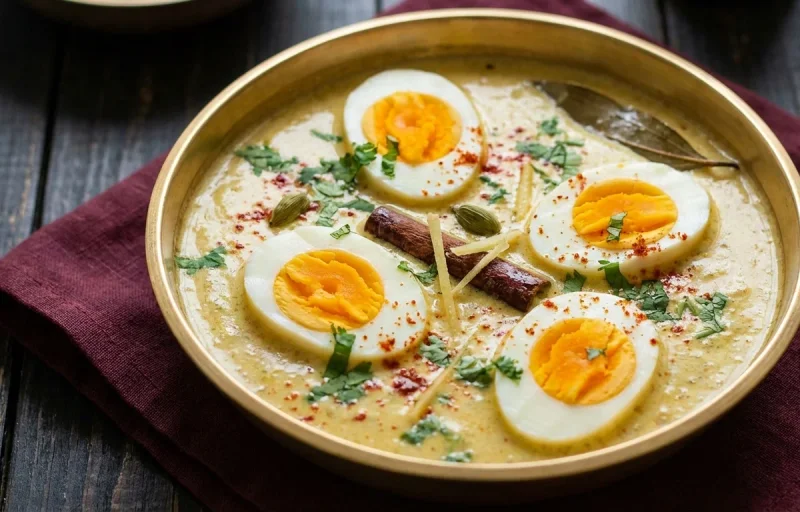
Protein10 recipes
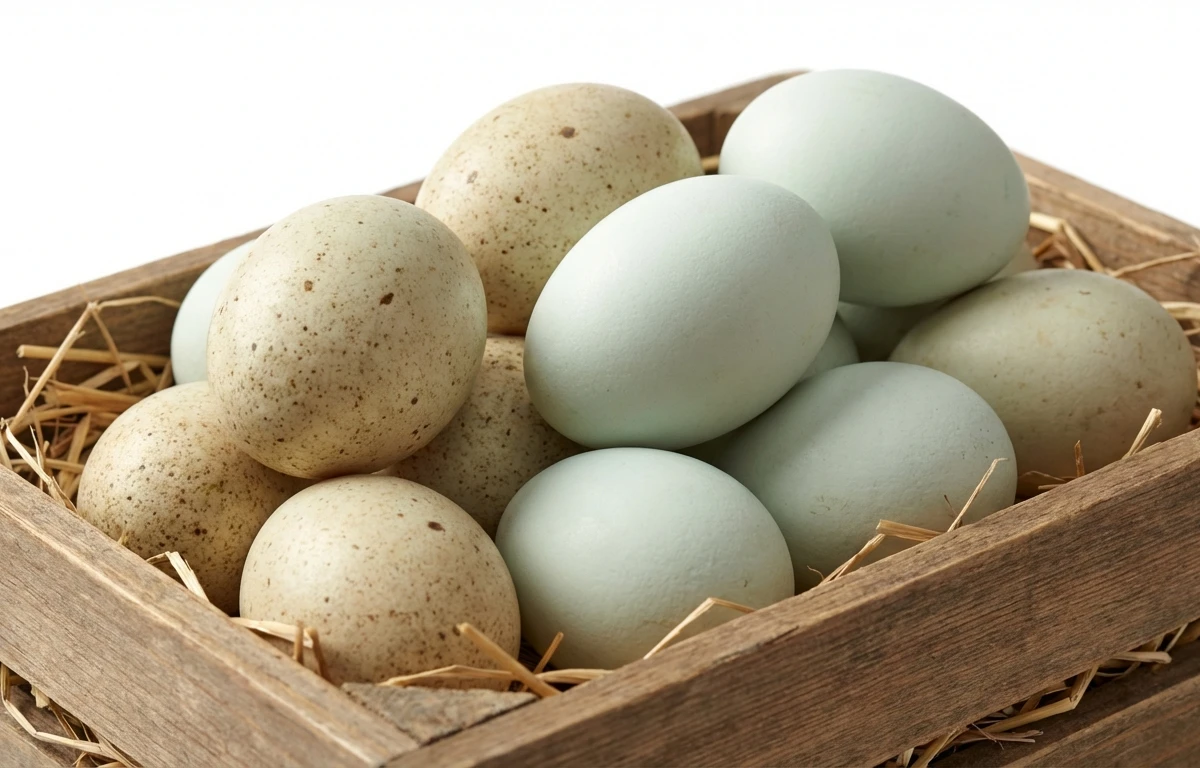
duck eggs.
VegetarianVeganGluten-freeDairy-freeNut-freePeanut-freeSoy-freeEgg-freeShellfish-freeHoney-freeAlcohol-free
ALSO KNOWN AS
duck eggraw duck eggraw whole duck eggduck's eggs
SERVING
CALORIES
185
PROTEIN
12.8g
CARBS
1.4g
FAT
13.8g
FIBER
0g
NUTRITION PROFILE · per 100 g
Everything in this ingredient.
MACRONUTRIENTS
Calories185kcal—
Protein12.8g26%
Carbohydrates1.4g1%
Fiber0g0%
Sugar0.93g2%
Total fat13.8g18%
Saturated fat3.7g18%
Cholesterol884mg295%
Water70.8g—
MINERALS
Sodium146mg6%
Potassium222mg5%
Calcium64mg5%
Iron3.9mg21%
Magnesium17mg4%
Phosphorus220mg18%
Zinc1.4mg13%
Copper0.06mg7%
Manganese0.04mg2%
Selenium36.4µg66%
VITAMINS
Vitamin A194µg22%
Vitamin C0mg0%
Vitamin D1.7µg9%
Vitamin E1.3mg9%
Vitamin K0.40µg0%
Thiamin (B1)0.16mg13%
Riboflavin (B2)0.40mg31%
Niacin (B3)0.20mg1%
Pantothenic acid (B5)1.9mg37%
Vitamin B60.25mg15%
Folate (B9)80µg20%
Vitamin B125.4µg225%
%DV based on a 2,000 cal diet. Source: USDA FoodData Central. A dash in the %DV column means there’s no established Daily Value for that nutrient.
MEASUREMENT CONVERSIONS
How much is what.
1 cup240g
1 tablespoon15g
1 teaspoon5g
1 ml1g
1 liter1000g
1 piece70g
HEALTH BENEFITS
Why eat it.
- ✓Excellent source of high-quality complete protein, essential for muscle building and repair.
- ✓Richer in choline than chicken eggs, a vital nutrient for brain health, memory, and liver function.
- ✓Contains higher levels of omega-3 fatty acids, which support heart health and reduce inflammation.
- ✓Packed with vitamins and minerals, particularly Vitamin B12 for energy metabolism and selenium, a powerful antioxidant.
COOKING TIPS
In the kitchen.
- 1Due to their higher fat content and larger yolks, duck eggs create richer, more flavorful custards, sauces, and baked goods.
- 2The whites of duck eggs have more protein, making them excellent for whipping into stiff, stable meringues.
- 3When frying, use a slightly lower heat than for chicken eggs to prevent the whites from becoming tough or rubbery.
- 4As a general substitution rule in recipes, use 2 duck eggs for every 3 large chicken eggs.
STORAGE
Keep it fresh.
- Store in the original carton in the main compartment of the refrigerator at around 40°F (4°C) to maintain freshness for up to 6 weeks.
- Keep them pointed-end down in the carton to keep the yolk centered and away from the air cell, which prolongs shelf life.
FAQ
Frequently asked questions.
Are duck eggs healthy?
Yes, duck eggs are highly nutritious. They are an excellent source of high-quality complete protein, essential for muscle building, and are richer in choline than chicken eggs, which is vital for brain and liver health. They also contain higher levels of omega-3 fatty acids and are packed with vitamins like B12 and minerals like selenium.
How do duck eggs compare nutritionally to chicken eggs?
Duck eggs are generally larger and more nutrient-dense than chicken eggs. Per 100g, they contain more calories (185 vs ~155), protein (12.81g vs ~13g), and fat (13.77g vs ~11g). They also offer higher amounts of cholesterol, omega-3s, and certain vitamins and minerals like B12 and choline.
Are duck eggs good for weight loss?
While duck eggs are nutritious and high in protein, which can aid satiety, they are also higher in calories and fat compared to chicken eggs. They can be part of a balanced weight loss diet when consumed in moderation, but portion control is key due to their higher energy content.
Are duck eggs gluten-free?
Yes, duck eggs are naturally gluten-free. They are a whole, unprocessed food and do not contain any gluten, making them suitable for individuals with celiac disease or gluten sensitivity.
Can people with chicken egg allergies eat duck eggs?
Not necessarily. While some individuals with a chicken egg allergy might tolerate duck eggs, it's not guaranteed as the proteins are similar. It's crucial to consult an allergist before trying duck eggs if you have a known chicken egg allergy, as cross-reactivity is possible.
Are duck eggs keto-friendly?
Yes, duck eggs are very keto-friendly. They are high in fat (13.77g per 100g) and protein (12.81g per 100g) while being very low in carbohydrates (1.45g per 100g), making them an excellent food choice for a ketogenic diet.
How do you cook duck eggs?
Duck eggs can be cooked similarly to chicken eggs, but their larger size and thicker whites may require slightly longer cooking times. They are excellent for frying, scrambling, poaching, or baking. Their richer yolk also makes them ideal for custards, quiches, and baked goods, adding extra richness and moisture.
What do duck eggs taste like?
Duck eggs have a richer, creamier taste than chicken eggs, often described as more 'eggy' or savory. Their yolks are typically larger and a deeper orange color, contributing to a more intense flavor and a richer mouthfeel, especially when fried or poached.
How do you store duck eggs?
Store duck eggs in their carton in the coldest part of your refrigerator, typically the back of a middle shelf. This helps maintain a consistent cool temperature and prevents them from absorbing odors from other foods.
How long do duck eggs last?
When properly stored in the refrigerator, fresh duck eggs can last for about 3-4 weeks, similar to chicken eggs. Always check the 'best by' date on the carton and discard any eggs with cracked shells or an off odor.
RECIPES
Cook with duck eggs.
10 recipes · sorted by what’s quick