Other10 recipes
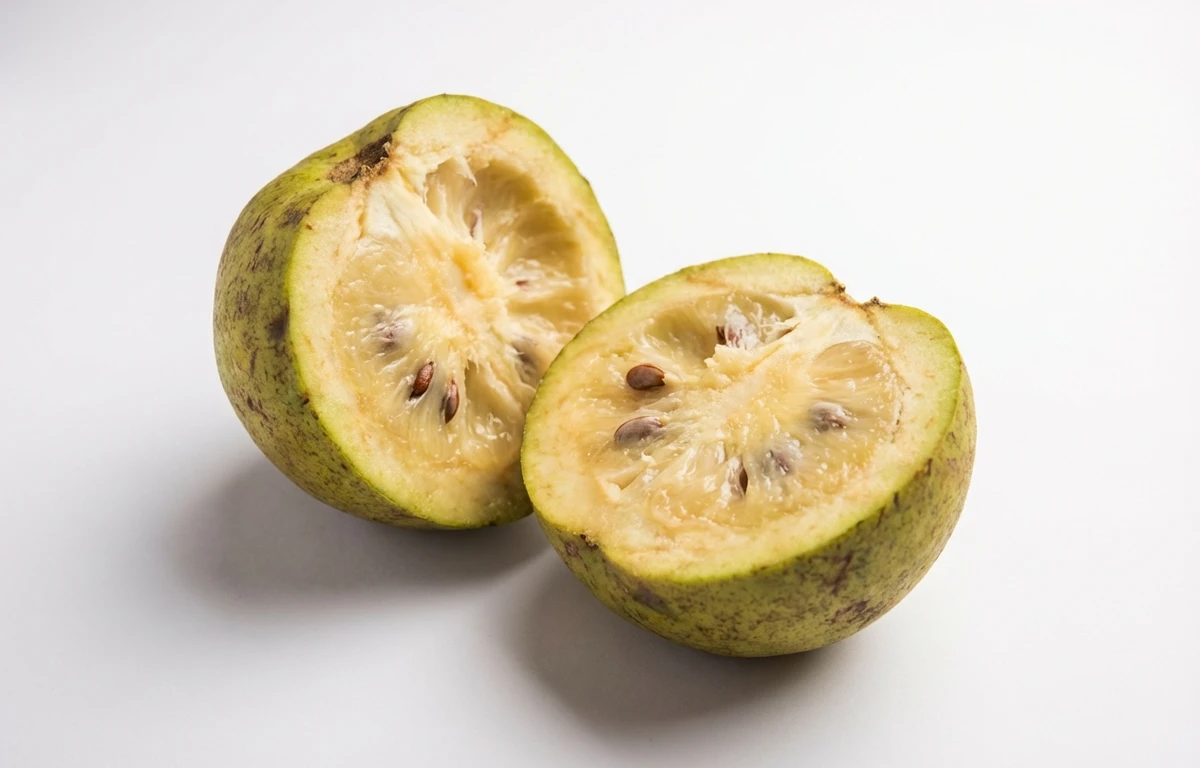
elephant apple.
VegetarianVeganGluten-freeDairy-freeNut-freePeanut-freeSoy-freeEgg-freeShellfish-freeHoney-freeAlcohol-free
ALSO KNOWN AS
ou tengachalta
SERVING
CALORIES
59
PROTEIN
0.80g
CARBS
15.2g
FAT
0.20g
FIBER
2.5g
This ingredient is flagged as naturally gluten-free.
NUTRITION PROFILE · per 100 g
Everything in this ingredient.
MACRONUTRIENTS
Calories59kcal—
Protein0.80g2%
Carbohydrates15.2g6%
Fiber2.5g9%
Sugar0.70g1%
Total fat0.20g0%
Saturated fat0.03g0%
Cholesterol0mg0%
MINERALS
Sodium3.0mg0%
Potassium17mg0%
Calcium17mg1%
Iron0.30mg2%
Magnesium10mg2%
Phosphorus26mg2%
Zinc0.10mg1%
Copper0.05mg6%
Manganese0.05mg2%
Selenium0.60µg1%
VITAMINS
Vitamin A1.0µg0%
Vitamin C2.5mg3%
Thiamin (B1)0.02mg2%
Riboflavin (B2)0.02mg2%
Niacin (B3)0.50mg3%
Pantothenic acid (B5)0.10mg2%
Vitamin B60.02mg1%
Folate (B9)14µg4%
%DV based on a 2,000 cal diet. Source: USDA FoodData Central. A dash in the %DV column means there’s no established Daily Value for that nutrient.
MEASUREMENT CONVERSIONS
How much is what.
1 cup150g
1 tablespoon9.4g
1 teaspoon3.1g
1 ml0.6g
1 liter625g
1 piece750g
HEALTH BENEFITS
Why eat it.
- ✓Supports digestive health due to its high fiber content, aiding in regular bowel movements.
COOKING TIPS
In the kitchen.
- 1The edible parts are the thick, fleshy sepals (petals), not the inner fruit. These need to be separated and washed.
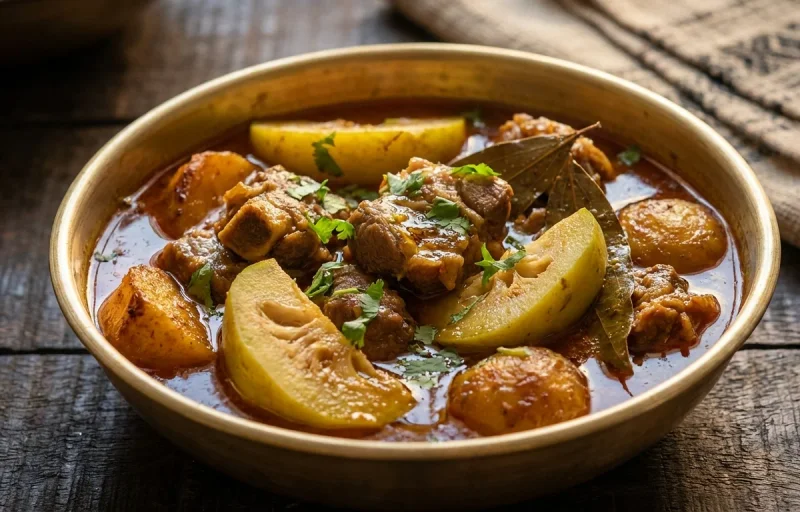
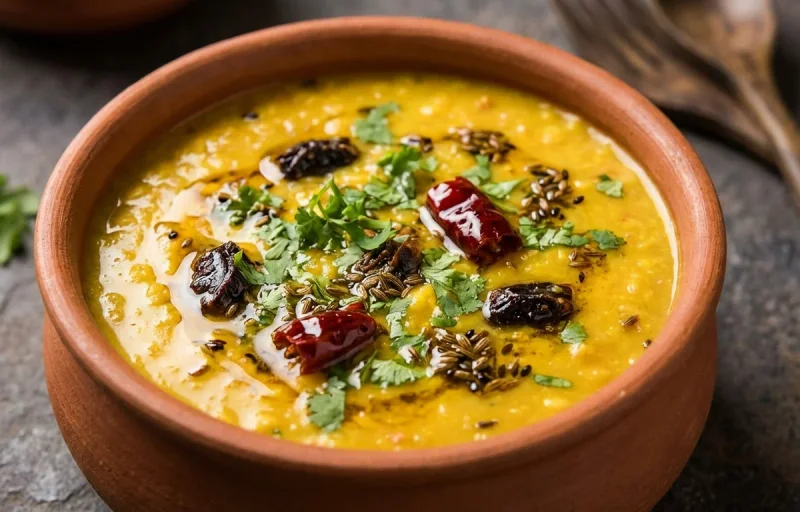
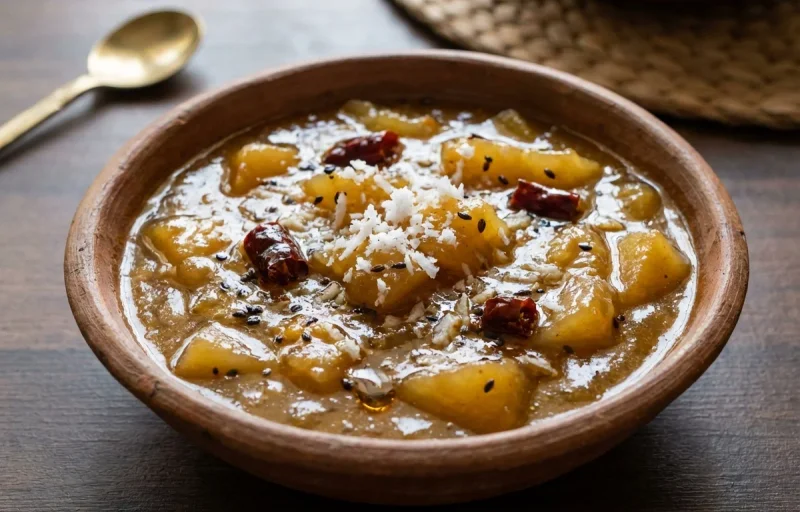
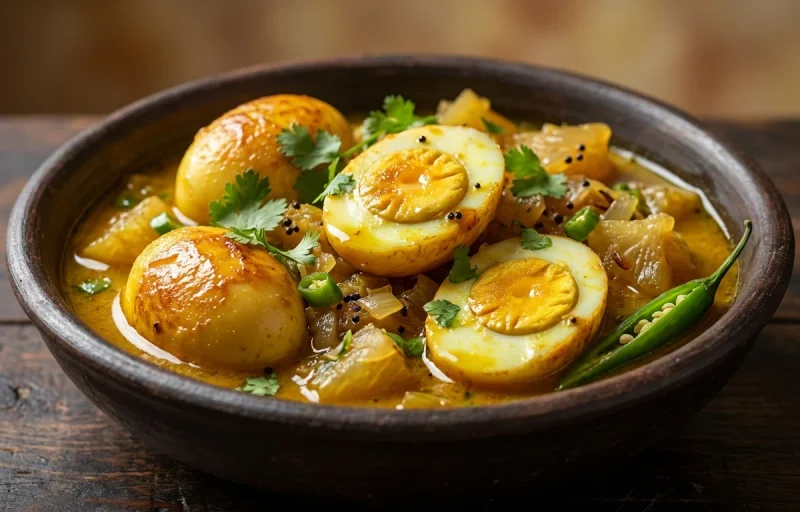
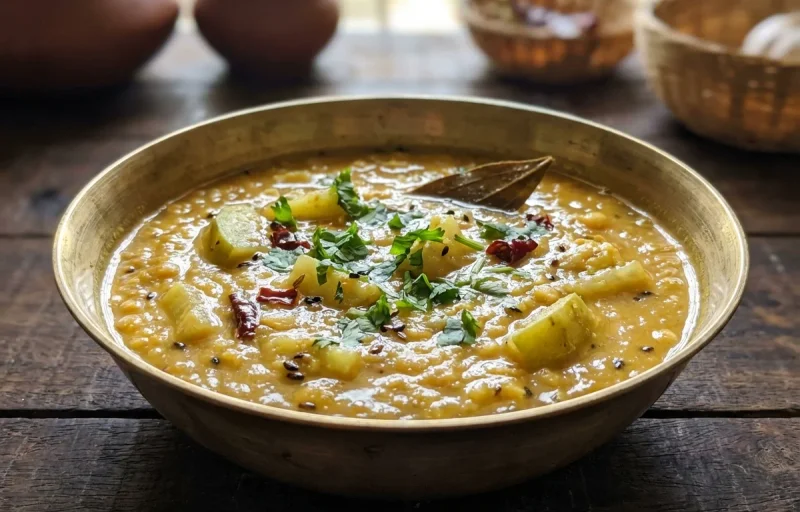
- 2Elephant apple has a sour and astringent taste, making it ideal for chutneys, sour curries (like Assam's 'tenga'), and lentil dishes (dal).
- 3Boil or steam the sepals until tender before mashing or adding them to recipes to break down their fibrous texture.
- 4The pulp can be sweetened with sugar or jaggery to make jams, jellies, or a refreshing drink.
STORAGE
Keep it fresh.
- Store whole, unripe elephant apples at cool room temperature for up to a week to allow them to ripen.
- Once ripe or cut, refrigerate the pulp in an airtight container and consume within 2-3 days.
- For long-term storage, the extracted pulp can be frozen for several months.
FAQ
Frequently asked questions.
What are the nutritional benefits of elephant apple?
Per 100g, elephant apple contains approximately 59 calories, 0.8g protein, 15.2g carbohydrates, and 0.2g fat. It's a good source of dietary fiber, Vitamin C, and B-complex vitamins, contributing to overall well-being and digestive health.
Is elephant apple vegan or gluten-free?
Yes, elephant apple is naturally both vegan and gluten-free. As a whole fruit, it contains no animal products or gluten-containing grains, making it suitable for individuals following these dietary restrictions.
How do you eat/prepare elephant apple?
Elephant apple is often consumed cooked rather than raw due to its tart and fibrous nature. It's commonly used in curries, chutneys, jams, and pickles in South Asian cuisine. The pulp can also be extracted and used in beverages or desserts.
How do you store elephant apple?
Unripe elephant apples can be stored at room temperature for several days to ripen. Once ripe or if you need to store them longer, they can be kept in the refrigerator for up to 1-2 weeks. For extended storage, the pulp can be extracted and frozen.
How do you know if an elephant apple is ripe or fresh?
A ripe elephant apple will typically have a slightly softer feel when gently pressed and may emit a faint fruity aroma. The skin color might also show a slight change from green to a yellowish-green. Avoid fruits with significant bruising or mold.
RECIPES
Cook with elephant apple.
10 recipes · sorted by what’s quick