Loading...

Per 100g
Nutrition data source: USDA FoodData Central
Common measurement equivalents in grams

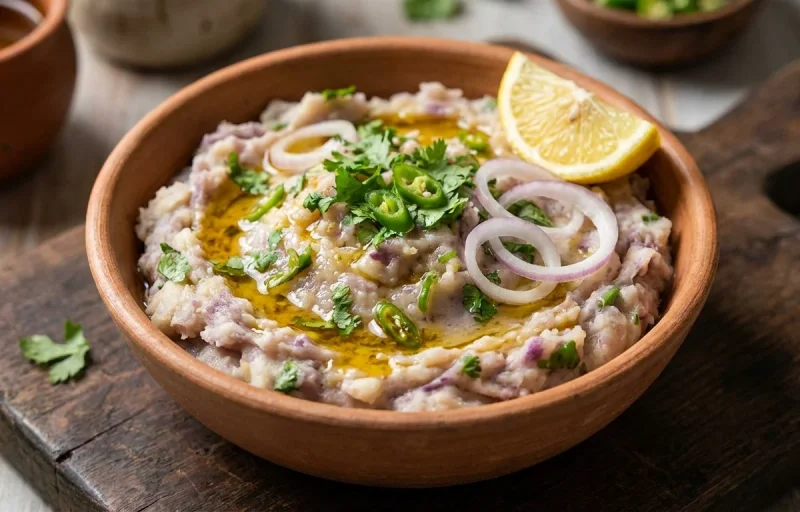
A simple yet flavorful Assamese dish made by mashing boiled taro root with pungent mustard oil, fiery green chilies, and fresh coriander. This rustic side dish is a staple comfort food, perfectly complementing a plate of rice and dal.

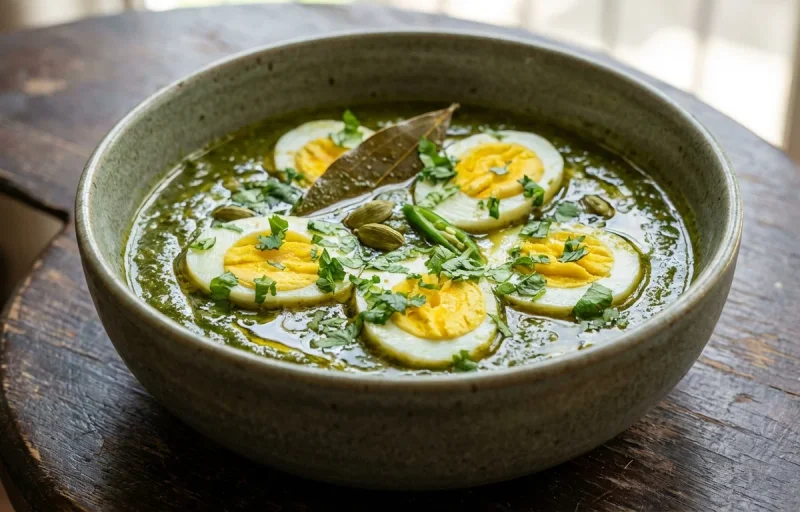
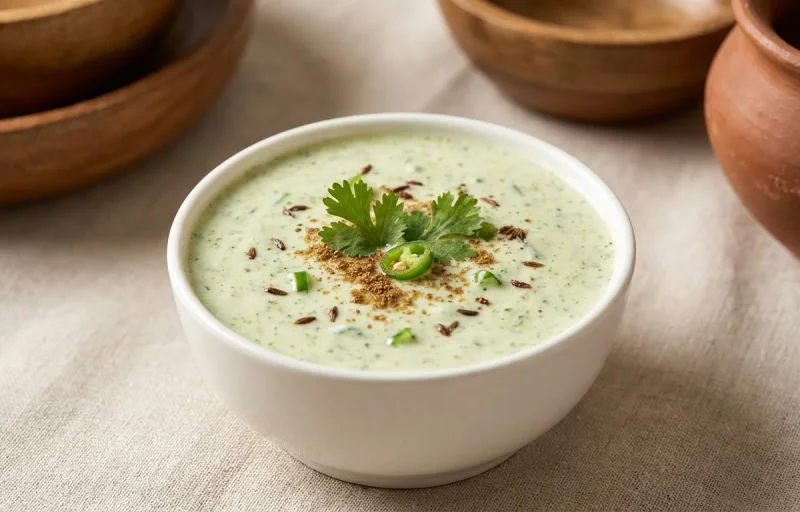
A creamy, aromatic Kashmiri korma where hard-boiled eggs are simmered in a luscious green gravy made from fresh coriander, yogurt, and fragrant spices. A unique and flavorful dish that's a departure from the usual red curries.

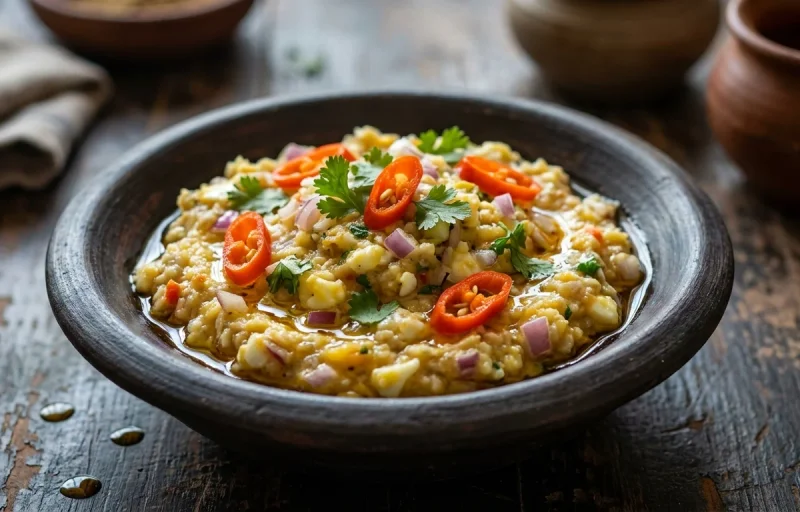
A fiery and rustic Assamese mashed egg dish, 'Koni Pitika' is a true comfort food. This recipe features perfectly hard-boiled eggs mashed with the pungent kick of raw mustard oil, sharp red onions, fresh coriander, and the formidable heat of the Bhoot Jolokia (Ghost Pepper) for an unforgettable, simple, and intensely flavorful side.
Yes, fresh coriander is very healthy as it is low in calories and packed with nutrients. It is a great source of Vitamin K, which is essential for bone health, and contains various antioxidants that help protect your cells from damage.
Fresh coriander may help lower blood sugar levels and has anti-inflammatory properties. It also supports healthy digestion and provides antioxidants that can help reduce oxidative stress in the body.
Fresh coriander is very light, containing only 23 calories and 3.7g of carbohydrates per 100g. This makes it an ideal ingredient for adding flavor to meals without significantly increasing the caloric or carb count.
Yes, fresh coriander is perfectly keto-friendly. With only 3.7g of total carbs per 100g (and even less per typical serving size), it can be used freely in low-carb and ketogenic diets.
Yes, fresh coriander is a natural plant-based herb that is both 100% vegan and naturally gluten-free. It is safe for individuals with celiac disease or those following a plant-based lifestyle.
Fresh coriander has a bright, citrusy, and slightly peppery flavor profile. However, due to a specific genetic trait, some people perceive the taste as 'soapy' or pungent.
You can eat both the leaves and the stems. The stems are actually very flavorful and crunchy; they are often finely chopped and used in curry pastes, soups, and stews for extra depth of flavor.
Fresh Coriander is a versatile ingredient found in cuisines around the world. With 23 calories per 100g and 2.1 grams of protein, it's a nutritious addition to many dishes.
Explore more ingredients in the herb category with complete nutrition information.
View all herb →Discover 10 recipes featuring fresh coriander with step-by-step instructions.
Browse recipes →The best way to store it is to treat it like flowers: place the stems in a jar of water and cover the leaves loosely with a plastic bag in the fridge. Alternatively, wrap the roots or stems in a damp paper towel and store in a sealed container.
When stored properly in water or a damp towel, fresh coriander can last between 7 to 10 days. If the leaves become yellow, slimy, or develop a dark brown color, the herb has spoiled and should be discarded.
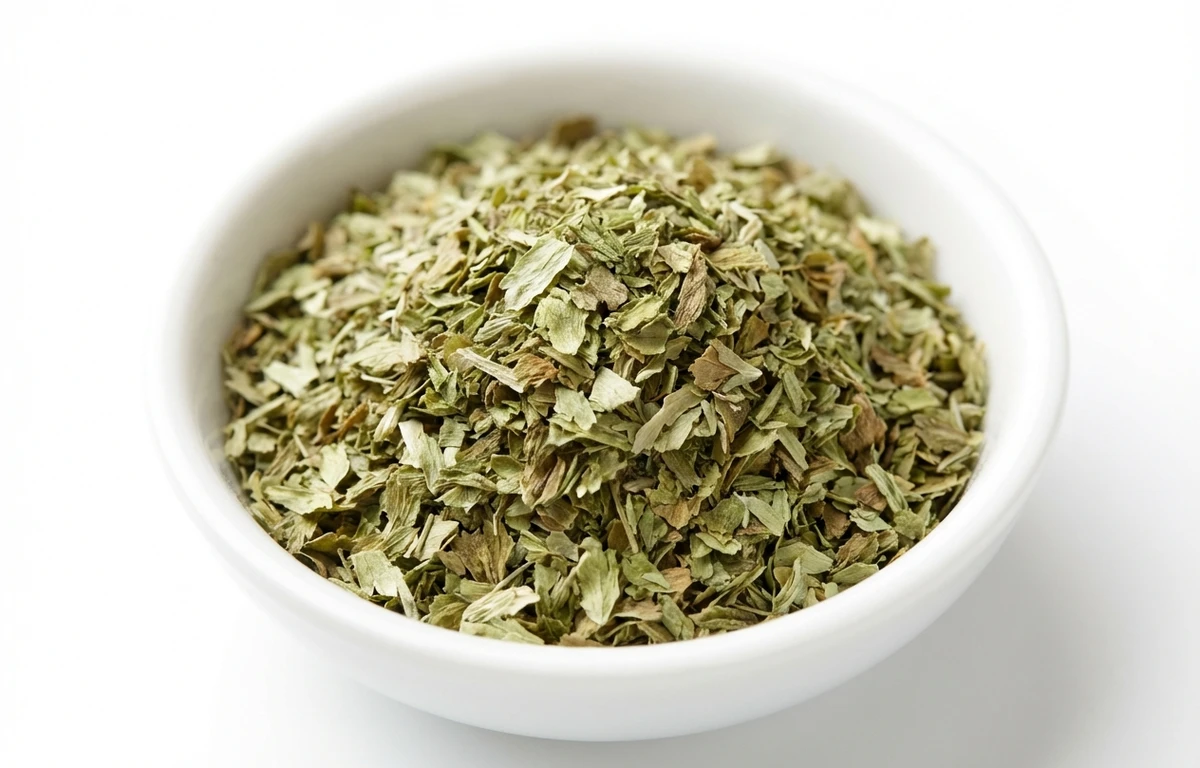
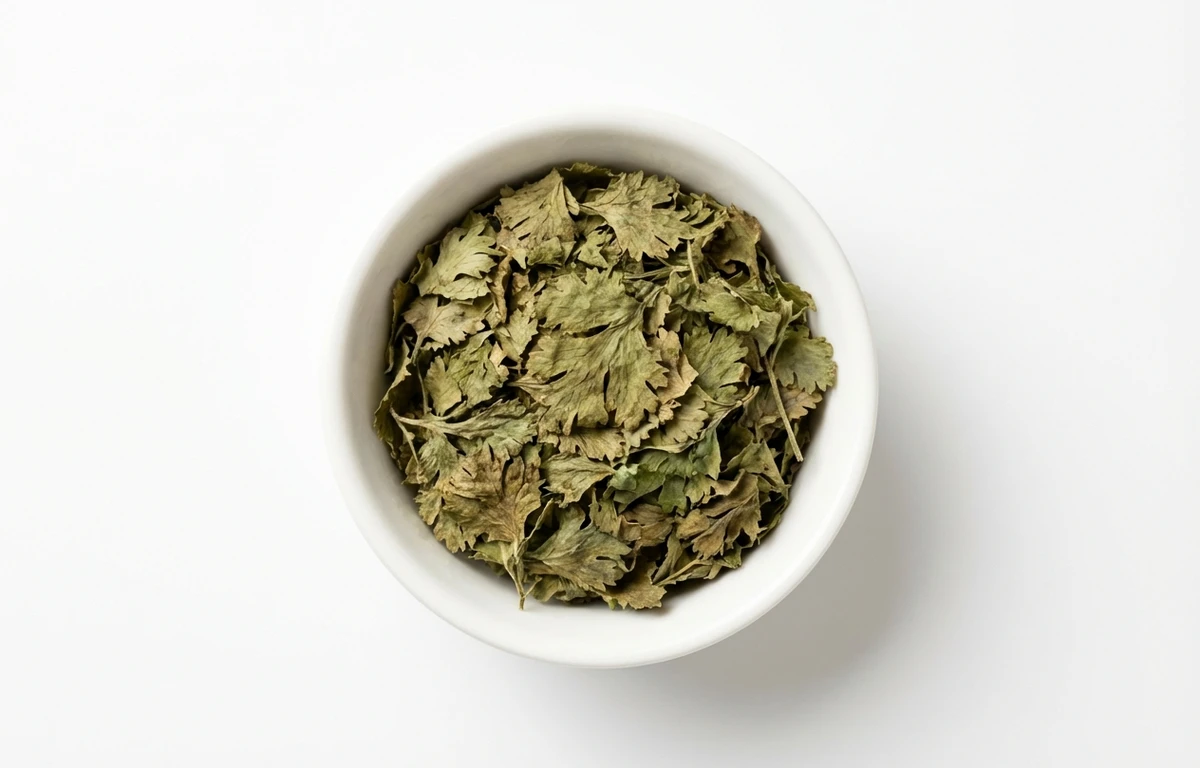
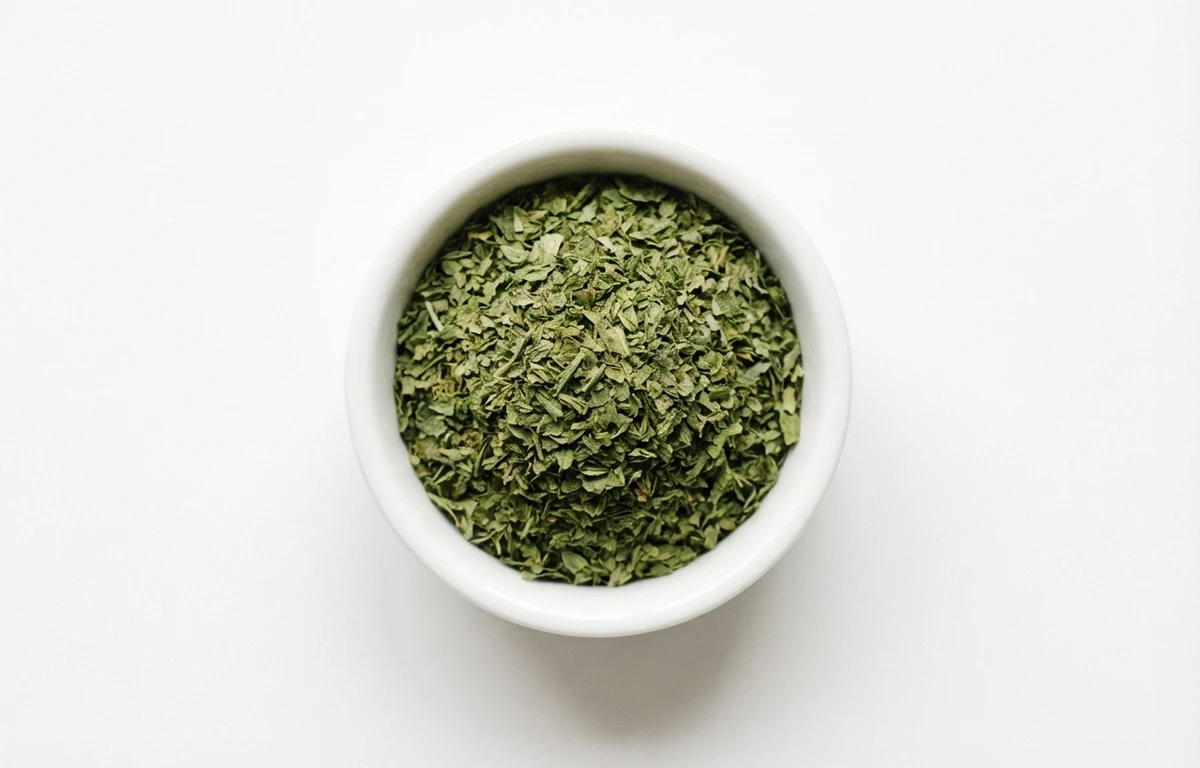
It is generally not recommended to substitute fresh coriander leaves with dried coriander leaves, as the dried version loses most of its signature citrusy flavor. If you lack fresh coriander, fresh parsley or mint are better alternatives for garnishing.